
Using the Eufy E20 breast pump correctly is essential for maintaining a healthy milk supply, ensuring physical comfort, and maximizing the volume of milk expressed during each session. To get the most out of this wearable pump, you must focus on achieving a precise flange fit, aligning the pump correctly over your nipple, and utilizing the device’s stimulation and expression modes systematically. Wearable pumps offer convenience, but their efficiency relies heavily on proper setup and user technique.
By understanding how to adjust the settings to match your body’s natural let-down reflex, you can transform your pumping routine into an efficient, pain-free experience. This guide walks you through the essential preparation, step-by-step operation, sizing adjustments, and maintenance practices required to optimize your milk output safely.
Preparing for a Successful Pumping Session
Before you begin assembly or touch any pump components, thorough hand hygiene is paramount. Wash your hands with warm water and soap for at least twenty seconds to prevent introducing bacteria to the pump parts or your expressed milk. Additionally, ensure that all parts of the pump kit that come into direct contact with breast milk have been properly cleaned and sanitized according to the manufacturer’s instructions.
Products mentioned in this guide
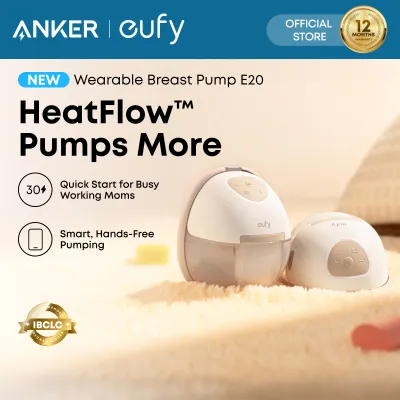
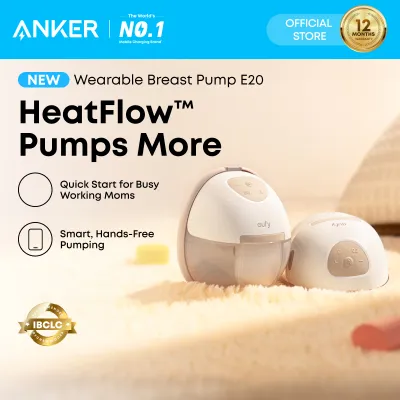
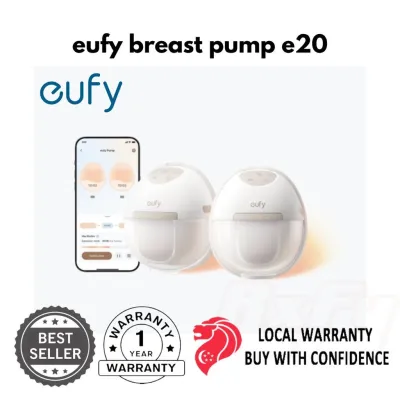
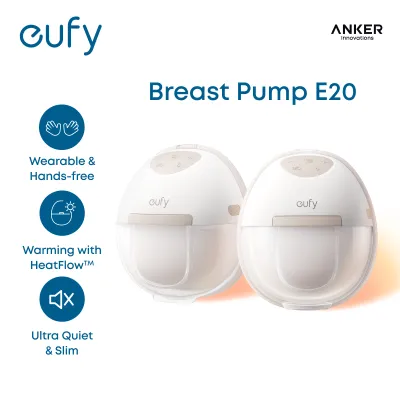
Prices are valid at publication and may change. Please refer to the product page for the latest price.
Creating a calm, comfortable environment is one of the most effective ways to encourage a swift and robust milk let-down reflex. Stress, cold temperatures, and physical discomfort can trigger adrenaline, which actively inhibits oxytocin—the hormone responsible for releasing milk. Consider sitting in a supportive chair, keeping a warm beverage nearby, or looking at photos or videos of your baby if you are pumping away from them.
Before assembling the device, check the battery level indicator on the pump motor to ensure you have sufficient charge for a complete session. Assemble the silicone diaphragm, valves, and milk collector cup strictly according to the diagrams in the user manual, ensuring every joint is flush and secure. A loose connection or a misaligned valve will immediately compromise the vacuum seal, leading to weak suction and reduced milk expression.
Step-by-Step Guide to Using the Eufy E20
To begin your session, position yourself in a comfortable, upright posture. Gently center your nipple within the flange tunnel before pressing the pump against your breast. It is vital that the nipple sits directly in the middle of the opening without tilting upward, downward, or to either side. Misalignment causes the nipple to rub against the hard plastic or silicone walls of the tunnel, which leads to friction, swelling, and painful tissue damage that can hinder milk flow.

Once the nipple is centered, press the flange firmly against your breast to create an airtight seal. If you are using a wearable pump inside a nursing bra, ensure the bra provides adequate support to hold the pump securely in place without compressing your breast tissue excessively. A bra that is too tight can pinch the milk ducts, restricting the flow of milk and leading to localized engorgement or clogged ducts.
Power on the device using the control panel. The pump typically starts in its default stimulation mode, which uses rapid, shallow suction cycles designed to mimic a baby’s initial, eager latches. This rapid pulsing stimulates the nerve endings in the areola, signaling your brain to release oxytocin and trigger the let-down reflex. Remain in this mode for a few minutes, or until you see milk begin to drip or spray into the collection container.
Once your milk starts flowing steadily, transition the pump to expression mode. This mode utilizes slower, deeper suction cycles that mimic the active swallowing and drawing motion of a nursing infant. If your milk flow slows down significantly during the session, you can switch back to stimulation mode for a few minutes to encourage a second let-down before returning to expression mode to finish your session.
Optimizing Flange Fit and Positioning for Comfort
An accurate flange fit is the single most critical factor in both pumping comfort and milk output. To find your correct size, use a measuring tape or a printable sizing ruler to measure the diameter of the base of your nipple in millimeters, excluding the surrounding areola. Do this measurement before a pumping session, or immediately after if your nipples swell significantly. Generally, your ideal flange size will be two to three millimeters larger than your nipple’s base measurement to allow room for expansion during suction.
Recognizing the signs of an incorrect flange fit can save you from unnecessary discomfort and low milk yields. If the flange is too small, you will feel rubbing or pinching, and your nipple may appear white, red, or chafed after pumping. If the flange is too large, a significant portion of your areola will be pulled into the tunnel, which can block the milk ducts and cause swelling, bruising, and incomplete breast emptying.
Keep in mind that nipple size is not static. Your breasts and nipples undergo physical changes throughout the postpartum period, meaning a flange size that fit perfectly during the first week postpartum may become too small or too large several weeks later. Regularly assess how your breasts feel during and after pumping, and do not hesitate to remeasure and swap inserts if you experience new discomfort or a sudden drop in output.
Adjusting Suction and Modes for Maximum Output
Maximizing your milk output does not mean turning the pump up to its highest suction setting. In fact, excessive suction often has the opposite effect, causing pain that triggers stress hormones and restricts milk release. The goal is to find your “maximum comfortable vacuum level”—the highest suction setting that still feels completely comfortable and pain-free.
To find this level, gradually increase the suction intensity one step at a time while in expression mode. Once you feel a slight sensation of discomfort or pulling that feels too intense, immediately lower the setting by one level. This slightly lower setting is your optimal operating level, providing the deep vacuum necessary to empty the breasts efficiently without causing tissue trauma.
Always pay close attention to how your body responds throughout the session. If you experience sudden pain, pinching, or a sensation of burning, use the pause or power button immediately to stop the suction. Never attempt to “tough out” painful pumping sessions, as doing so can damage your nipple tissue, lead to vasospasms, and ultimately decrease your overall milk supply over time.
Cleaning and Maintaining Your Pump Kit
Proper hygiene and maintenance of your pump parts protect your baby from harmful bacteria and ensure the device continues to function at peak performance. Immediately after you finish pumping, carefully disassemble all parts that have come into contact with breast milk. Rinse these parts under cool, running water to wash away loose milk proteins before they have a chance to dry and stick to the surfaces.
Next, wash the disassembled parts in warm, soapy water using a dedicated washbasin and a clean brush reserved solely for baby feeding items. Avoid washing pump parts directly in the kitchen sink, as sinks can harbor bacteria from raw food and household waste. If recommended by the manufacturer’s manual, sterilize the parts daily using a steam sterilizer, boiling water, or a cold-water sterilizing solution, taking care not to expose delicate silicone valves to excessive heat beyond the recommended duration.
After washing or sterilizing, place all components on a clean, unused paper towel or a dedicated drying rack in a well-ventilated area. Allow them to air-dry completely before reassembling the pump. Never use cloth dish towels to dry your pump parts, as they can transfer lint, dust, and bacteria back onto the clean surfaces. Store the dry parts in a clean, sealed container or a zip-top bag until your next session.
Troubleshooting Low Milk Output and Discomfort
If you notice a sudden drop in milk output or a loss of suction power, start by performing a thorough physical check of your pump kit. Inspect the silicone valves and diaphragms for tiny tears, warping, or wear, as even an invisible hairline crack can cause a complete loss of vacuum pressure. Ensure that all parts are completely dry before assembly, as moisture trapped between the valve and the connector can prevent a proper seal from forming.
If the pump is functioning perfectly but your output remains low, evaluate external factors that influence lactation. Dehydration, inadequate caloric intake, high stress levels, and lack of sleep can all take a toll on your body’s ability to produce milk. Additionally, ensure you are pumping frequently enough; consistent breast stimulation is the primary driver of milk production, so skipping sessions can signal your body to slow down milk synthesis.
It is important to recognize when to seek professional guidance. If you experience persistent pain during or after pumping, notice blood in your expressed milk, develop red, warm, or painful lumps in your breast, or run a fever, stop using the pump and consult a healthcare provider or a certified lactation consultant immediately. These symptoms can indicate a clogged duct, mastitis, or tissue damage that requires targeted clinical support.
Frequently Asked Questions (FAQ)
Can I use the Eufy E20 while lying down?
You should avoid using the pump while lying down flat. Wearable pumps are designed to operate within specific tilt angles to ensure that milk flows downward into the collection cup. Lying down or reclining too far can cause milk to flow backward toward the venting system or the motor unit, risking damage to the electronic components and creating a hygiene hazard where milk can pool and spoil inside inaccessible parts of the device. Always refer to your user manual to verify the maximum safe operating angle.
How long should a single pumping session last?
A typical pumping session should last between fifteen and twenty minutes. You should stop pumping shortly after your milk flow slows to a drip or stops entirely. Pumping past twenty-five minutes is generally not recommended, as prolonged suction on empty breasts does not increase milk production and can cause nipple trauma, friction soreness, and swelling of the breast tissue.

Community discussion
Share your experience or ask a question. Comments are reviewed before publication.