
Applying Medela nipple cream correctly involves washing your hands, warming a pea-sized amount of the balm between your fingertips, and gently smoothing it over your nipple and areola immediately after a feeding or pumping session. This simple routine creates a breathable barrier that locks in moisture, helping to soothe dry, sensitive skin during your breastfeeding journey. While pure lanolin formulas do not need to be washed off before your baby latches, you must always verify the specific instructions on your product’s packaging to ensure safety.
Understanding how to integrate this soothing step into your daily routine can make a significant difference in your comfort. Breastfeeding is a learned skill for both you and your baby, and minor skin dryness or sensitivity is a common part of the adjustment period. By mastering the correct application technique, you can protect your skin barrier while maintaining a safe feeding environment for your little one.
When and How Often to Apply Nipple Cream
Timing your application correctly is essential for maximizing the soothing benefits of the cream. The optimal time to apply the balm is immediately after a feeding or pumping session. Applying it at this moment gives your skin the maximum amount of time to absorb the moisture and heal before your baby latches again or before you next assemble your breast pump parts.
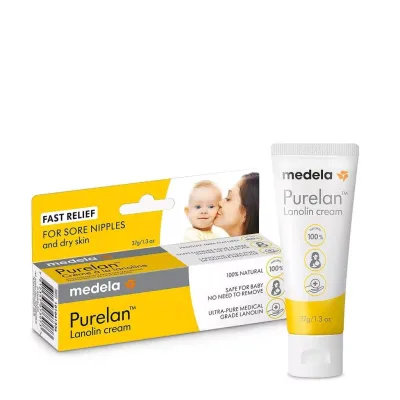
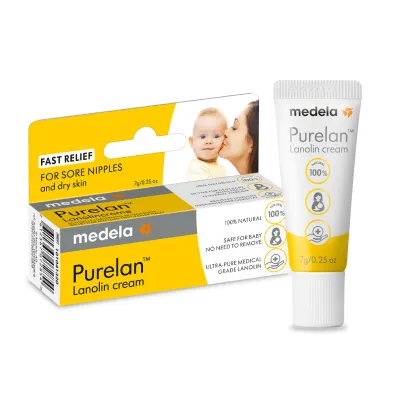
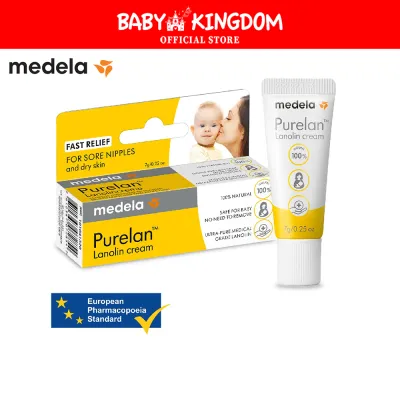
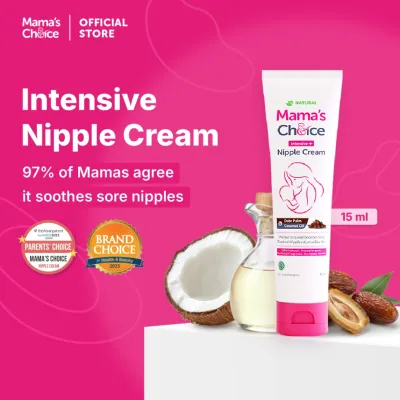
Products mentioned in this guide
![[100% Authentic]Breastfeeding Cream by Earth Mama | Postpartum Essentials Safe for Nursing](https://img.lazcdn.com/g/p/9dd5b8d51afb27da61fad29a601b82f1.jpg_400x400q80.jpg_.webp)
Prices are valid at publication and may change. Please refer to the product page for the latest price.
In Singapore’s warm and humid climate, skin friction can feel particularly uncomfortable, and sweat can sometimes exacerbate irritation on sensitive areas. Applying a thin layer of cream right after feeding helps seal in natural moisture while protecting the skin from the friction of your nursing bra or breast pads. This proactive barrier is especially helpful if you are pumping frequently, as the mechanical pull of the pump flanges can strip away natural oils.
The frequency of application should depend on the severity of your skin’s dryness and soreness. In the initial weeks of breastfeeding, when your nipples are adapting to the new sensation of latching, you may find it helpful to apply the cream after every single feeding session. This consistent application helps maintain skin elasticity and prevents the dryness that can lead to painful cracking.
As your breastfeeding routine becomes more established and your skin adapts, you can gradually taper off the frequency of use. You might transition to applying the cream only after the last feeding of the night, or only on days when you feel extra sensitivity. Always monitor your individual skin response and consult the specific manufacturer’s label instructions to guide your usage patterns, ensuring you do not over-apply the product.
Step-by-Step Application Technique
To ensure the cream is applied safely and effectively without causing further irritation to delicate skin, follow a structured, gentle technique. The first and most crucial step is thorough hand hygiene. Breastfeeding skin can develop microscopic tears or tiny cracks that are highly susceptible to bacteria. Always wash your hands with soap and warm water for at least twenty seconds before touching your breasts or dispensing the cream.

Once your hands are clean and dry, dispense a very small, pea-sized amount of the cream onto your fingertips. Pure lanolin has a naturally dense, thick consistency that can feel quite firm, especially if stored in a cool room. Attempting to apply cold, firm cream directly to sensitive skin can cause uncomfortable pulling and friction.
To make the application smooth and painless, warm the cream by rubbing it gently between your clean thumb and index finger. The natural warmth of your body will quickly soften the balm, transforming it into a silky, easily spreadable texture. This softening step is essential for ensuring that the cream glides effortlessly over your skin without requiring any pressure.
Gently pat or massage the softened cream onto the nipple and the entire surrounding areola. Use light, circular motions and avoid any aggressive rubbing, pulling, or pinching, which could worsen existing soreness or damage fragile skin tissue. Ensure that you cover any areas that feel particularly dry or irritated, creating a thin, even layer of protection.
After applying the cream, allow the area to air-dry briefly before covering it with your clothing. This short pause gives the balm time to settle onto your skin rather than immediately transferring onto your nursing bra or breast pads. If you use nursing pads, opt for breathable, high-quality materials that allow air to circulate, which is vital for maintaining healthy skin and supporting the natural recovery process.
Do You Need to Wipe Off the Cream Before Feeding?
One of the most common concerns for breastfeeding mothers is whether nipple cream must be removed before the baby latches. The answer depends entirely on the specific formulation of the product you are using. Your first step should always be to check the product packaging for explicit “no-wipe” or “wash-off” instructions, as different brands and formulations have different safety profiles.
Pure, highly refined lanolin, such as standard Medela Pure Lanolin, is a single-ingredient product that undergoes an intensive purification process. This process removes impurities, environmental residues, and potential allergens, making the resulting balm exceptionally pure. Because it contains no additives, preservatives, or fragrances, pure lanolin is generally considered safe for infant ingestion in the tiny amounts left on the breast, meaning you do not need to wipe it off before feeding.
Avoiding the need to wipe off the cream is a significant benefit for sore skin. Constantly wiping or washing your nipples before every feed can strip away the skin’s natural oils, cause further friction, and delay the healing of dry or cracked areas. Leaving the pure lanolin in place allows it to continue protecting your skin even while your baby latches.
However, if you are using a nipple cream that contains added active ingredients, botanical extracts, essential oils, or synthetic fragrances, it may not be safe for your baby to swallow. If the product label does not explicitly state that it is safe to leave on during feeding, or if you are using an unrefined formula, you must remove it completely before your baby latches.
If you do need to remove the cream, prioritize a gentle wiping technique to minimize skin trauma. Avoid using harsh soaps, alcohol wipes, or rough towels, which will dry out and irritate the skin further. Instead, take a soft cloth dampened with warm water and gently pat the area until the cream is removed, taking care not to rub or scrub the sensitive tissue.
Hygiene and Storage Best Practices
Maintaining excellent hygiene and proper storage conditions is vital for keeping your nipple cream free from contamination and ensuring it remains effective throughout your breastfeeding journey. Because you are applying this product to sensitive skin that may have micro-tears, preventing the introduction of bacteria into the container is a key safety priority.
If your nipple cream comes in a jar rather than a squeeze tube, avoid dipping wet or unwashed fingers directly into the product. Instead, always use clean, dry hands, or consider using a dedicated, clean spatula or cotton swab to scoop out the desired amount. If you use a spatula, wash it thoroughly with warm water and soap after each use and allow it to air-dry completely before storing it.
Proper storage is also essential for maintaining the consistency and quality of the cream. Keep the container tightly closed when not in use to prevent exposure to air and moisture. Store the product according to the manufacturer’s temperature guidelines, keeping it away from direct sunlight, radiators, or other heat sources. In Singapore’s warm climate, storing the cream in a cool, dry cupboard or an air-conditioned room will prevent the ingredients from separating or becoming excessively runny.
Regularly inspect the product to ensure it is still safe to use. Check the expiration date printed on the packaging and discard any cream that has passed this date. Additionally, pay attention to any physical changes in the cream; if you notice a change in its texture (such as becoming gritty or watery), color, or smell, discard it immediately and replace it with a fresh tube.
When to Stop and Seek Professional Help
While nipple cream is an excellent tool for soothing surface dryness and minor friction, it is important to recognize its limitations. Nipple cream is designed to treat superficial skin irritation; it cannot correct underlying breastfeeding issues or mechanical challenges. If your baby has an improper latch or positioning, the friction will continue, and nipple cream will only provide temporary, superficial relief.
You should stop using the cream and consult a certified lactation consultant or a healthcare professional immediately if your pain worsens or if you notice signs of infection. Red flags include deep, bleeding cracks, pus, localized warmth, severe swelling, or a fever. These symptoms can indicate a bacterial infection or conditions like mastitis, which require medical evaluation and potentially prescription treatment.
Another common issue is thrush, a fungal infection that can affect both your nipples and your baby’s mouth. If you experience a sudden, sharp, burning pain during or after feedings, or if your nipples appear unusually pink, flaky, or itchy, nipple cream will not resolve the issue. Both you and your baby will need to be evaluated and treated simultaneously by a healthcare provider to clear the fungal infection.
If you experience severe soreness or pain that persists beyond the first couple of weeks of breastfeeding, do not attempt to manage it with nipple cream alone. Persistent pain is a clear signal that something needs adjustment, such as your baby’s latch or oral anatomy. Seeking a professional assessment early can help you identify the root cause of the discomfort, ensuring a more comfortable and successful breastfeeding experience.
Frequently Asked Questions (FAQ)
Can I use nipple cream on other dry skin areas?
Pure lanolin is highly versatile and can be used to soothe other dry skin areas, such as chapped lips, dry cuticles, or rough patches on your elbows and hands. However, you must always verify the specific product label to ensure it is safe for multi-use, and avoid applying it to broken, bleeding, or potentially infected skin elsewhere on your body without consulting a medical professional.
Will the taste of the cream affect my baby's feeding?
Highly refined, pure lanolin is typically odorless and tasteless, meaning most babies will latch and feed without noticing its presence on your skin. However, if you are using a blended nipple cream that contains added botanical extracts, essential oils, or fragrances, your baby may dislike the taste or scent and refuse to latch. If you notice your baby pulling away, fussing, or refusing to feed after you apply the cream, try gently wiping it off with a warm, damp cloth before the next feed to see if their behavior improves.
Community discussion
Share your experience or ask a question. Comments are reviewed before publication.