
Silver nursing cups have become a popular tool for breastfeeding and pumping mothers seeking to protect sensitive, sore, or cracked nipples between feeding sessions. These small, dome-shaped cups are worn directly over the nipples inside a nursing bra, acting as a physical shield against friction while utilizing the natural properties of silver to support skin recovery. To get the most out of your silver cups, you must understand how to fit them correctly, integrate them seamlessly into your daily pumping and nursing schedule, and maintain a strict cleaning routine to prevent bacterial growth.
Using these cups properly requires a balance of correct sizing, careful positioning, and consistent hygiene. Because breast milk can collect inside the cups between sessions, maintaining a clean environment is essential for both your comfort and your baby’s safety. This guide outlines the practical steps to fit, wear, clean, and troubleshoot your silver nursing cups so you can navigate your breastfeeding journey with minimal discomfort.
Preparing and Fitting Your Silverette Nursing Cups
Selecting the correct size is the first step toward ensuring comfort and effectiveness. Silverette cups typically come in standard and large sizes, and choosing the wrong one can lead to pinching, localized pressure, or inadequate coverage. To find your size, refer to the manufacturer’s sizing guide, which usually involves measuring the diameter of your nipple base or considering your pre-pregnancy bra cup size. A cup that is too small may compress the nipple tissue, while a cup that is too large might shift constantly inside your bra.
Products mentioned in this guide
![[US Version] Silverette Silver Nursing Nipple Cups 1 Pair (2 Sizes)](https://img.lazcdn.com/g/p/f0ddf90c28d6a6aa4cff0afb63ae665f.jpg_400x400q80.jpg_.webp)
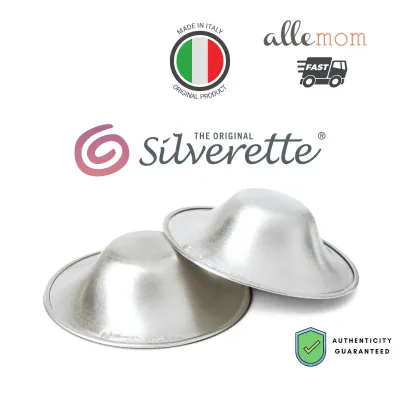
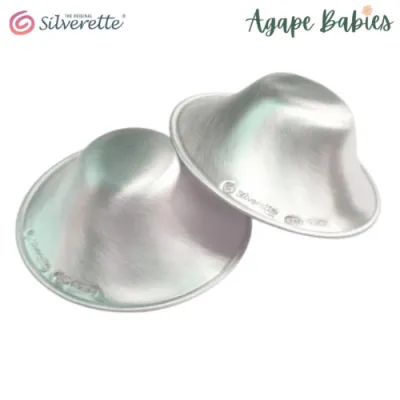
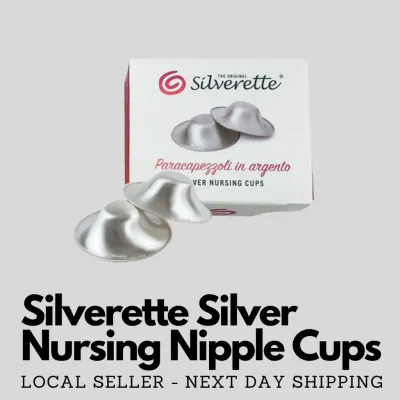
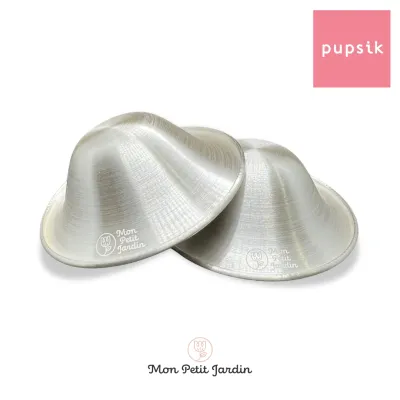
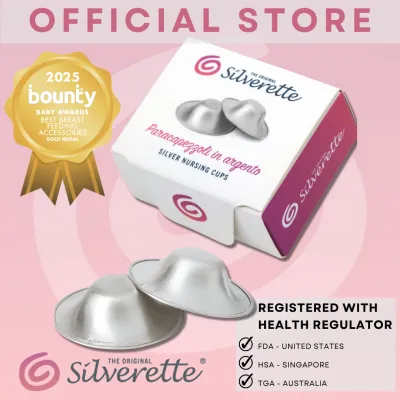
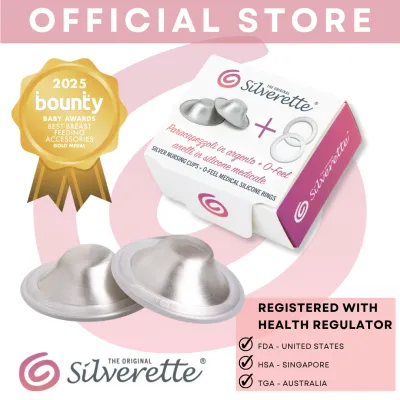
Prices are valid at publication and may change. Please refer to the product page for the latest price.
When placing the cup on your breast, ensure your nipple sits centrally within the dome. The nipple should not press tightly against the inner silver walls; instead, there should be a small pocket of space or a thin layer of expressed breast milk surrounding it. Gently press the cup against your breast so that the wide outer rim sits flush against your areola. This flat edge distributes the pressure evenly, preventing the cup from digging into your skin.
Once the cup is in place, secure it by pulling your nursing bra over it. The bra should provide enough support to hold the cup firmly against your skin without compressing your breast tissue excessively. If you feel any sharp pinching, localized pain, or if the cup leaves deep red rings on your skin after removal, the fit is likely incorrect. You may need to adjust the alignment, loosen your bra straps slightly, or try a different cup size to ensure a comfortable, protective fit.
Integrating Silverette Cups Into Your Nursing and Pumping Routine
Integrating silver cups into a busy nursing and pumping schedule requires a clear understanding of when to wear them and when to set them aside. The primary purpose of these cups is to protect your nipples between active feeding or pumping sessions. Immediately after your baby finishes nursing or after you complete a pumping cycle, express a few drops of breast milk over your nipples, let them air-dry slightly, and then place the silver cups directly over them. Keep the cups on throughout the day and night, removing them only when it is time to feed or pump again.

During active nursing or pumping, the cups must be removed entirely. This transition requires careful handling, especially if you are managing a busy routine at home or returning to work. When you remove the cups, place them on a clean surface or inside a dedicated storage pouch to keep them free from household dust and lint.
One common occurrence when wearing silver cups is the accumulation of leaked breast milk inside the dome. While breast milk has natural protective properties, you must manage this collected milk safely. Check the manufacturer’s guidelines regarding whether this pooled milk can be saved for your baby or if it must be discarded. Generally, because the milk sits at body temperature inside a bra for extended periods, many lactation professionals recommend discarding any milk that pools in the cups to avoid the risk of bacterial contamination, using it instead only as a natural skin conditioner for your nipples.
Your routine should also adapt to your personal comfort and healing progress. In warm, humid climates like Singapore, moisture can build up quickly inside the cups, which may lead to skin irritation if the nipples remain constantly wet. If you notice your skin becoming overly soft, soggy, or irritated, consider reducing the wear time. Allow your breasts to air-dry completely between uses, and adjust your schedule based on how your skin responds.
Daily Cleaning and Sterilization Routine
Maintaining a rigorous cleaning routine is vital to prevent the buildup of milk residue, which can become a breeding ground for bacteria and fungi. Every time you remove the cups to nurse or pump, take a moment to inspect them. If there is visible milk residue, rinse the cups immediately under cool or lukewarm running water. Rinsing right away prevents the milk proteins from drying and sticking to the silver surface, making subsequent cleaning much easier.
For daily washing, use a mild, baby-safe dish soap or a gentle, fragrance-free cleanser. Apply the soap using your fingers or a very soft microfiber cloth. Avoid using abrasive sponges, steel wool, or harsh scrubbing brushes, as these can scratch the silver surface. Scratches not only damage the appearance of the cups but can also create microscopic crevices where bacteria can hide and multiply, compromising the hygiene of the product.
While daily washing with soap and water is sufficient for regular maintenance, periodic sterilization is highly recommended to ensure the cups remain completely sanitary. Always follow the manufacturer’s specific instructions for sterilization, as improper exposure to high heat can warp or damage certain designs, especially those with composite materials. If the manufacturer permits boiling, place the cups in a pot of boiling water for the exact duration specified—usually no more than a few minutes—and monitor them closely. Alternatively, if steam sterilizers or cold-water sterilizing tablets are recommended, follow those protocols precisely.
After washing or sterilizing, the drying process is just as critical. Place the cups face down on a clean, dry paper towel or a dedicated clean cloth in a well-ventilated area. Allow them to air-dry completely before placing them back onto your breasts. In humid environments, ensuring complete dryness is essential to prevent mold or mildew from developing on the cups or inside their storage containers. Never store damp cups in a closed plastic bag or container.
Troubleshooting Fit, Comfort, and Skin Healing
Even with careful preparation, you may encounter challenges while using silver nursing cups. Milk leakage is a common issue, often caused by an incorrect cup size, an overly loose bra, or poor alignment. If you experience frequent leaks that soil your clothing, verify that your nursing bra is snug enough to hold the cups firmly against your body. You might also consider placing a disposable or washable nursing pad directly over the silver cup inside your bra to absorb any overflow without affecting the cup’s position.
It is also important to monitor your skin for signs of irritation or worsening nipple damage. While silver cups are designed to protect and support healing, an incorrect fit or trapped moisture can sometimes exacerbate skin issues. If you notice increased redness, itching, a burning sensation, or if your nipples look unusually pale and soggy, pause using the cups immediately. This allows your skin to breathe and helps you determine whether the symptoms are related to the cups or an underlying issue.
Knowing when to stop using the cups and seek professional assistance is crucial for your health. If you experience persistent, severe pain during or after feeding, notice red streaks on your breast, feel localized warmth, or develop a fever, these may be signs of a more serious condition such as mastitis or a bacterial infection. Under these circumstances, discontinue use of the silver cups immediately and consult a lactation consultant, general practitioner, or healthcare provider. They can provide an accurate diagnosis and guide you on the safest way to continue your breastfeeding journey.
Frequently Asked Questions (FAQ)
Can I sleep while wearing Silverette nursing cups?
Yes, many mothers find comfort in wearing silver cups overnight to protect sensitive nipples from rubbing against pajamas or bedding. However, you should check the manufacturer’s guidelines regarding extended wear. Consider your personal comfort and milk leakage volume, as prolonged pressure from sleeping on your side or stomach can sometimes compress the cups against your breast, potentially leading to blocked milk ducts. If you choose to wear them to sleep, ensure your bra is supportive but not overly tight.
How do I remove tarnish or discoloration from the silver cups?
Slight tarnishing or discoloration is a natural property of silver when exposed to air, moisture, and breast milk, and it does not affect the safety or efficacy of the cups. To clean tarnish, follow the manufacturer’s approved methods. A common approach is to make a paste using bicarbonate of soda (baking soda) mixed with a small amount of water. Gently rub the paste over the cups, rinse them thoroughly under running water to remove all residue, and dry them completely before your next use.
Do I need to use nipple cream along with the silver cups?
Generally, silver cups are designed to be used without nipple creams, as the cups trap a small amount of breast milk which acts as a natural moisturizer and healing agent. If you prefer to use a topical cream or ointment, check the manufacturer’s compatibility guidelines first. Some heavy creams, lanolin, or oils can create a barrier on the silver, reducing its direct contact with your skin, or cause the cups to slip out of place inside your bra.
Community discussion
Share your experience or ask a question. Comments are reviewed before publication.