
Using a breast massage device correctly can significantly improve your breastfeeding experience by encouraging milk expression and relieving physical discomfort. These compact, handheld tools use gentle vibrations and sometimes mild heat to stimulate the milk ducts, helping to trigger the let-down reflex and ease the flow of breast milk. Whether you are pumping exclusively, nursing directly, or managing temporary engorgement, understanding the proper technique, timing, and safety protocols ensures you get the most out of your device without causing injury to sensitive breast tissue.
In Singapore, where many new mothers balance busy work schedules with postpartum recovery, modern lactation tools have become essential additions to the nursery. Integrating a breast massage device into your daily routine can help streamline your pumping sessions, making them more efficient and comfortable. However, because postpartum skin and breast tissue are highly sensitive, using these devices requires a mindful, step-by-step approach that prioritizes hygiene and gentle handling.
Preparing for Safe and Effective Use
Before introducing a breast massage device to your skin, it is essential to verify its suitability for your specific postpartum stage. Always begin by reading the manufacturer’s instruction manual thoroughly, as different models have unique operating guidelines, water-resistance ratings, and charging requirements. Some devices are fully waterproof and safe for use in the shower, while others must be kept completely dry to protect their internal electronic components.
Products mentioned in this guide
Prices are valid at publication and may change. Please refer to the product page for the latest price.
Inspect the device carefully before every single use to ensure it is in perfect working condition. Look closely at the medical-grade silicone exterior for any signs of wear, tears, or cracks, as damaged silicone can harbor harmful bacteria or cause friction burns on your skin. If you notice any structural damage or if the charging port appears compromised, do not use the device and contact the manufacturer for guidance.
Ensure the device is fully charged before you begin your session. A low battery can lead to weak or inconsistent vibrations, which may disrupt your massage routine and hinder the let-down reflex. When charging, always use the cable provided by the manufacturer and plug it into a safe, dry outlet, keeping the device away from water sources until it is completely disconnected from the charger.
Hygiene is paramount when handling any tool that comes into contact with your breasts, especially if you are actively feeding or pumping. Wash your hands thoroughly with soap and water for at least twenty seconds before touching the device or your breasts. Clean the device itself according to the manufacturer’s instructions, using a mild, unscented soap and warm water to remove any residual milk or skin oils from previous sessions.
Creating a calm, comfortable environment is a crucial but often overlooked step in stimulating milk flow. In Singapore’s warm and humid climate, setting up a cool, quiet space in your home—perhaps with a comfortable chair, a glass of water, and soft lighting—can help lower your stress levels. High stress and anxiety trigger the release of adrenaline, which actively inhibits oxytocin, the hormone responsible for releasing milk from the ducts.
Step-by-Step Technique for Stimulating Milk Flow
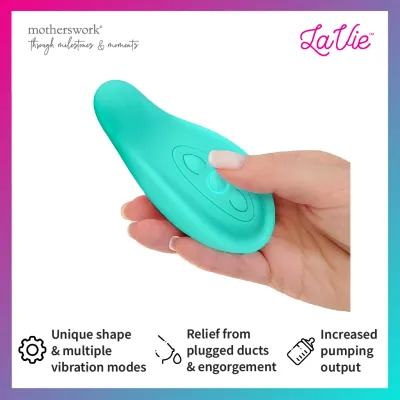
To begin the massage, position yourself comfortably in your prepared space, ensuring your back and arms are well supported. Hold the breast massage device gently in your hand, using your palm or fingers to guide it rather than gripping it too tightly. Place the smooth, contoured side of the device against your breast tissue, making sure to follow the manufacturer’s specific instructions regarding placement.

Many manufacturers recommend avoiding direct contact with the nipple and areola, as these areas contain highly sensitive nerve endings that can easily become irritated by direct vibration. Instead, focus the device on the outer quadrants of the breast, where the milk-producing glands and larger ducts are located. You can adjust the angle of the device to match the natural curve of your breast for optimal contact.
Turn the device on and always start on the lowest vibration and heat settings. This allows your body to adjust to the sensation and helps you gauge your personal comfort level before making any adjustments. The massage should feel soothing and relaxing; it should never cause pain, pinching, or sharp discomfort. If you feel any pain, immediately lower the setting or turn the device off.
Once you are comfortable with the baseline setting, begin moving the device in gentle, sweeping motions. Start from the outer edges of your breast, near the armpit or collarbone, and slowly glide the device toward the nipple. This motion mimics the natural flow of milk through the ducts and helps guide it toward the exit points. Avoid scrubbing or rubbing the skin vigorously, as gentle pressure is all that is required.
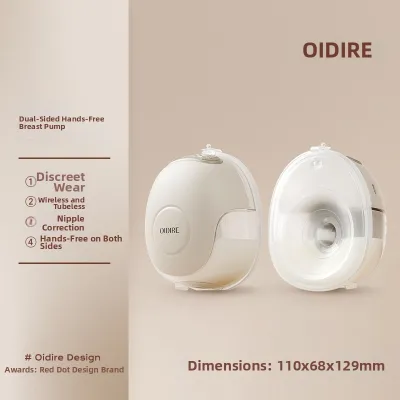
If you are using the device while pumping, you can place it directly behind or around the pump flange. Gently press the vibrating device against any areas of the breast that feel particularly full or firm to help empty those specific sections. Many mothers find that using the device in combination with a double electric breast pump helps stimulate multiple let-downs and shortens the overall pumping time.
Pay close attention to your body’s physical cues to identify a successful let-down. You may experience a warm, tingling sensation, a sudden rush of milk into your pump bottle, or milk dripping from the opposite breast if you are nursing. Once the milk begins to flow steadily, you can keep the device in a stationary position on a particularly full area or temporarily pause it to let the pump do its work.
Limit your massage session to the duration recommended by the manufacturer, which is typically between five and ten minutes per breast. Prolonged, continuous vibration can overstimulate the skin and underlying tissue, leading to localized swelling or sensitivity. If you are nursing on one side, you can use the device on the opposite breast to help stimulate a bilateral let-down, then switch sides as needed.
Adapting the Massage for Engorgement and Discomfort
Postpartum engorgement and clogged milk ducts can cause significant discomfort, making the breasts feel heavy, warm, and painful to the touch. When using a breast massage device to address these issues, you must modify your technique to protect the delicate, swollen tissue. Avoid applying deep, aggressive pressure directly to hard lumps or highly sensitive areas, as this can compress the blood vessels and worsen the swelling.
Instead, set the device to its gentlest vibration setting and use extremely light, feather-like strokes. Start the massage above the congested area, moving toward the armpit first to encourage lymphatic drainage. This helps clear the pathway and reduces the overall fluid retention in the breast, making it easier for the trapped milk to move forward when you eventually massage the clogged area.
Integrating standard comfort measures with your device usage can enhance its effectiveness. Applying a warm compress, a warm washcloth, or taking a warm shower for a few minutes before using the device can help dilate the milk ducts and relax the surrounding muscles. This warmth, combined with the gentle vibration of the device, works synergistically to encourage milk movement.
After you have finished feeding, pumping, and using the massage device, apply a cold compress or a chilled gel pack to your breasts for ten to fifteen minutes. The cold temperature helps constrict blood vessels, reduces localized inflammation, and provides immediate relief from the throbbing pain associated with engorgement. Always wrap the cold pack in a clean cloth to protect your skin from direct freezing temperatures.
It is vital to monitor your breasts and overall health for warning signs of a developing infection. If you notice a localized area of redness that feels hot to the touch, red streaks radiating across your breast, or if you develop a fever, chills, and body aches, stop using the device immediately. These are classic symptoms of mastitis, a bacterial infection of the breast tissue that requires prompt medical evaluation.
Do not attempt to “clear” a suspected infection or severe blockage by increasing the vibration intensity or applying heavy pressure with the device. Doing so can damage the delicate milk ducts and surrounding tissue, potentially spreading the infection. If your symptoms do not improve within twenty-four hours, or if they worsen rapidly, consult a doctor or a certified lactation consultant.
Cleaning and Maintaining Your Device
Proper maintenance and cleaning of your breast massage device are essential to ensure hygiene and prolong the lifespan of the product. Because the device comes into direct contact with skin oils, sweat, and breast milk, failing to clean it properly can lead to the accumulation of bacteria, mold, and mildew. Always turn off the device and disconnect it from any charging cables before starting the cleaning process.
If your device features removable, washable parts or silicone sleeves, disassemble them carefully according to the manufacturer’s instructions. Wash these parts thoroughly in warm, soapy water using a mild, unscented dish soap or baby bottle cleanser. Avoid using abrasive sponges, harsh chemical disinfectants, or boiling water unless the user manual explicitly states that these methods are safe for your specific model.
For the main electronic body of the device, especially if it is not rated as fully waterproof, do not submerge it in water. Instead, gently wipe down the exterior surface with a clean, damp cloth or a specialized sanitizing wipe recommended by the manufacturer. Pay close attention to the areas around the buttons and the charging port, ensuring that no moisture enters these openings.
Allow all components to air-dry completely on a clean, dry towel in a well-ventilated area before reassembling or storing the device. In Singapore’s humid climate, moisture can easily linger in small crevices, creating an ideal environment for mold and bacterial growth. Avoid placing the device in direct sunlight or using a hair dryer to speed up the drying process, as excessive heat can degrade the silicone.
Once the device is completely dry, store it in a clean, dust-free pouch or container in a cool, dry place. Keep it away from extreme temperatures, high humidity, and out of reach of young children or household pets. Regular inspection and careful maintenance will ensure that your device remains a safe, hygienic, and reliable tool throughout your breastfeeding journey.
Frequently Asked Questions (FAQ)
Can I use a breast massage device if I suspect mastitis?
If you suspect you have mastitis, you should stop using the breast massage device immediately. Applying deep massage, intense vibration, or heat to breast tissue that is already inflamed or infected can worsen the swelling, increase your pain, and potentially spread the infection. Mastitis is a medical condition that requires professional evaluation, so you should consult a doctor or a certified lactation consultant right away for a proper diagnosis and treatment plan, which may include prescribed antibiotics.
How long should I use the massage device in a single session?
You should strictly follow the manufacturer’s recommended time limits, which are typically detailed in your device’s user manual. For most lactation massagers, short and intermittent sessions lasting between five and ten minutes per breast are highly effective and safe. Avoid prolonged, continuous application beyond the recommended limits, as excessive vibration can cause skin irritation, tissue bruising, or increased sensitivity in your breasts. Align the massage sessions with your active pumping or nursing routine for the best results.

Community discussion
Share your experience or ask a question. Comments are reviewed before publication.