
Navigating the early weeks of breastfeeding or pumping often comes with a learning curve, alongside physical changes that can leave your breasts feeling tender, swollen, or engorged. A breast cold compress is a simple, highly effective tool designed to soothe this discomfort and support your feeding journey. When used correctly, cold therapy provides targeted relief to inflamed breast tissue without disrupting your milk supply or pumping schedule.
The key to successful cold therapy lies in understanding its physiological effects and timing its application perfectly around your feeding sessions. While warmth is traditionally used to encourage milk flow, cold is your primary ally for reducing swelling and easing pain after milk has been removed. By mastering the balance between these two temperatures, you can protect your skin, maintain a comfortable feeding routine, and manage postpartum engorgement with confidence.
Understanding When to Use Cold vs. Warm Therapy
Postpartum breast engorgement and localized swelling are common experiences as your body calibrates its milk production to meet your baby’s demands. During this transitional phase, the blood vessels and lymphatic system in your breasts experience increased blood flow and fluid retention. This natural inflammatory response can make your breasts feel heavy, tight, and painfully throbbing, especially in the warm, humid climate of Singapore where physical discomfort can feel amplified.
Products mentioned in this guide
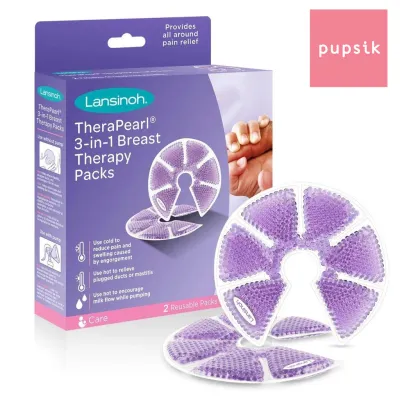
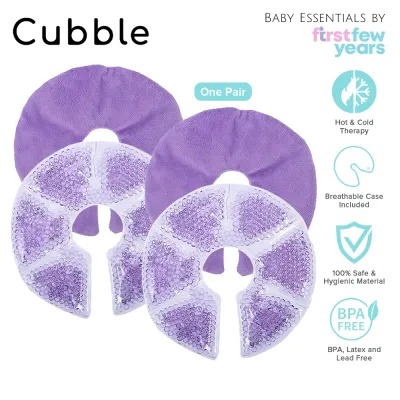
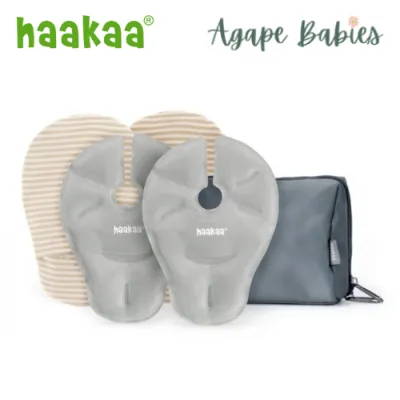
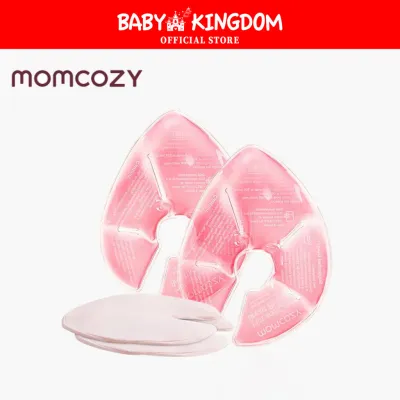
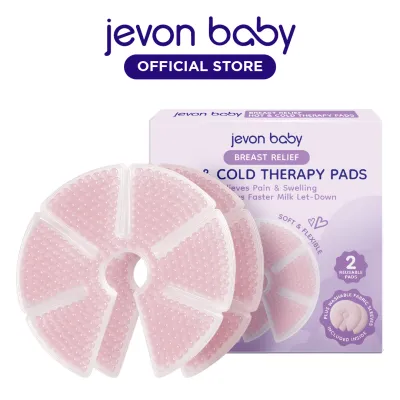
![[SG Stock] Reusable Hot & Cold Compress Breast Therapy Pad Ice Gel Pad Relieve Breast Engorgement / Mastitis](https://img.lazcdn.com/g/p/381eab40096f0018d2dad2b18be752e9.jpg_400x400q80.jpg_.webp)
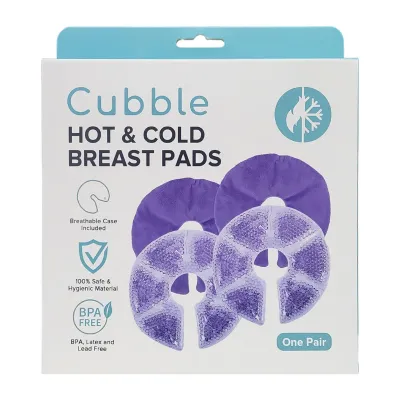
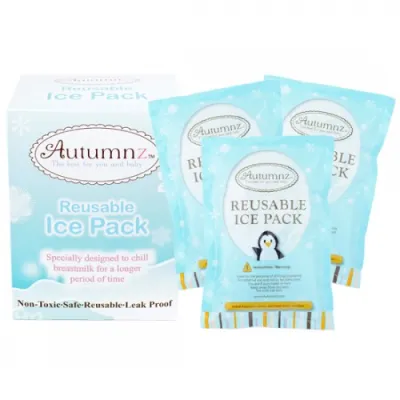
Prices are valid at publication and may change. Please refer to the product page for the latest price.
To manage this effectively, it is crucial to distinguish between the roles of cold and warm therapy. Warmth acts as a vasodilator, meaning it expands blood vessels and encourages the milk let-down reflex. Applying warmth—such as a warm compress or a warm shower—is highly beneficial immediately before nursing or pumping to help milk flow more freely. However, applying warmth to already swollen, engorged breasts after a feed can actually worsen inflammation and fluid retention.
This is where a breast cold compress becomes essential. Cold therapy acts as a vasoconstrictor, narrowing the blood vessels to reduce localized blood flow and fluid accumulation. Applying a cold compress immediately after a feeding or pumping session helps quiet the inflammatory response, numbs sharp pain, and reduces the throbbing sensation. It provides immediate, soothing relief to overworked breast tissue while helping the swelling subside.
Recognizing the observable signs that indicate a need for cooling is key to timely relief. If your breasts feel hard to the touch, warm, visibly red, or tender after your baby has finished feeding, these are clear indicators that cold therapy is appropriate. You might also notice swelling extending into your underarm area, which is a common site for accessory breast tissue to engorge.
Keep in mind that individual responses to temperature therapy vary significantly. While many parents find immediate comfort in cold therapy, others may prefer room-temperature compresses or find that their swelling resolves naturally with frequent feeding. It is important to monitor your own comfort levels and milk flow rather than strictly adhering to a rigid schedule. If cold therapy ever feels shocking or uncomfortable, adjust the temperature or shorten the application time to suit your personal tolerance.
Step-by-Step Guide to Applying a Breast Cold Compress
Applying a breast cold compress safely requires a few simple preparation steps to protect your delicate breast tissue. Before application, inspect the compress to ensure it is clean and free of any leaks or tears. Check the temperature of the pack; it should feel comfortably cold and refreshing, not intensely freezing or harsh against your skin.

Always use a protective barrier cloth between the compress and your skin if required by the product label. Delicately thin breast skin is highly susceptible to ice burns or frostbite if exposed directly to freezing temperatures. A clean, soft cotton washcloth, a muslin square, or the fabric sleeve provided by the manufacturer serves as an excellent barrier. This layer helps distribute the cooling sensation evenly while absorbing any condensation from the pack.
When positioning the compress, gently drape or contour it over the swollen areas of your breast. Many specialized breast cold compresses are designed with a central opening or a donut shape. This design is highly practical as it allows you to target the surrounding breast tissue while avoiding direct, freezing pressure on the nipple and areola. The nipple area is rich in nerve endings and can be highly sensitive to extreme cold, which may cause uncomfortable vasospasms or skin cracking.
Pay close attention to the duration and frequency of each application. Always follow the manufacturer’s instructions for the maximum safe application time, which is typically limited to 15 or 20 minutes per session. Leaving a cold pack on for too long can trigger a rebound effect, where the body increases blood flow to the area to warm it back up, potentially worsening the swelling. Allow your skin to return to its normal temperature and full sensation completely before considering another application.
After removing the compress, gently pat your skin dry with a clean, soft towel to prevent moisture buildup, which can lead to skin chafing or thrush. Take a moment to inspect your skin for any adverse reactions, such as persistent redness, pale patches, or numbness. Once your skin is dry and comfortable, you can put on a supportive, non-restrictive nursing bra that does not compress your breast tissue.
Integrating Cold Therapy into Your Pumping and Nursing Schedule
To get the most benefit from cold therapy without disrupting your milk supply, it is best to integrate it seamlessly into your existing feeding routine. The most effective time to apply a breast cold compress is immediately after a pumping session or a nursing feed. At this point, the breast has been emptied, and the cold pack can work to soothe the mechanical friction from the pump flanges or the baby’s latch while actively reducing post-session swelling.
Managing engorgement between scheduled feeds requires a careful approach to avoid over-stimulating milk production. If you experience uncomfortable throbbing or fullness between feeds, a brief application of a cold compress can help dull the discomfort. Unlike warmth, which can stimulate a let-down and signal your body to produce more milk, cold therapy helps calm the tissue without sending signals to increase your supply. This makes it a safe option for managing discomfort without accidentally creating an oversupply issue.
Your daily routine will look slightly different depending on whether you are an exclusive pumper, a direct-nursing parent, or a combination feeder. Exclusive pumpers can easily coordinate their compress use with their pumping cycles, applying the cold packs while cleaning and sterilizing pump parts. Direct-nursing parents might find it easiest to apply the compress during the baby’s post-feed nap, allowing for a quiet, uninterrupted window of self-care.
As your lactation journey progresses, your body will naturally adapt, and your milk supply will stabilize to match your baby’s exact needs. As this stabilization occurs, you will likely find that postpartum engorgement and swelling resolve. Gradually reduce the frequency of your cold compress applications as your comfort improves, transitioning from a regular post-feed routine to using them only on an as-needed basis for occasional discomfort.
Safety Checks and When to Consult a Professional
While using a breast cold compress is a safe and effective home care method, performing regular safety checks is essential to protect your physical well-being. Always monitor your skin’s visual appearance and sensory feedback during and after using a cold pack. The application should bring a sense of relief and a gentle cooling sensation, never sharp pain, burning, or intense stinging.
Stop using the compress immediately if you observe any signs of tissue distress. These signs include skin numbness that persists after the pack is removed, blistering, extreme skin paleness, or a deep, throbbing pain that intensifies with the cold. These symptoms indicate that the temperature is too low, the barrier cloth is insufficient, or the pack has been left on for too long.
It is also vital to distinguish between normal postpartum engorgement and more serious conditions like mastitis or severely blocked ducts. A cold compress is excellent for symptomatic relief, but it cannot resolve an active bacterial infection. If you experience red-flag symptoms—such as a fever, chills, flu-like body aches, localized hard lumps that do not soften after feeding, or red streaks spreading across your breast—you must seek immediate professional medical evaluation.
Do not hesitate to consult a qualified lactation consultant or healthcare provider if your breast pain persists despite adjusting your feeding techniques and using cold therapy. Persistent pain can indicate an underlying issue, such as an improper latch, incorrect pump flange sizing, or deep tissue inflammation. A professional can provide personalized guidance, ensure your feeding setup is optimized, and help you navigate your breastfeeding journey safely and comfortably.
Frequently Asked Questions (FAQ)
Can I use a cold compress while actively pumping?
It is generally recommended to avoid using a cold compress while actively pumping. Cold temperatures constrict blood vessels and can hinder the milk let-down reflex, which may significantly reduce your milk output and make your pumping session less efficient. For optimal results, use warm therapy before pumping to encourage milk flow, and save the cold compress for immediately after your session to soothe any swelling.
If you are using a specialized product designed for simultaneous use, or if a healthcare professional has specifically advised it, always refer to your device manual for precise instructions. If you do choose to try simultaneous application, closely monitor your milk flow and comfort. If you notice a sudden drop in milk volume or feel any discomfort, remove the cold pack immediately and return to post-pumping application.
Are gel packs better than ice packs for breast cold therapy?
Gel packs are widely considered highly suitable for breast cold therapy because of their flexibility and contouring properties. Unlike traditional ice packs, which can be rigid, heavy, and have sharp edges, gel packs remain pliable even when frozen, allowing them to mold comfortably to the natural curves of your breast. This ensures even distribution of the cooling relief across the affected tissue.
When selecting a compress, always check the product labels to ensure they are made from skin-safe, non-toxic materials. Look for products that include a soft, washable cover or clear instructions on using a protective barrier. Ultimately, the choice depends on your personal comfort, local availability in retail stores or online marketplaces, and your adherence to the manufacturer’s guidelines for safe freezing and application.
Community discussion
Share your experience or ask a question. Comments are reviewed before publication.