
Transitioning your baby from Stage 1 to Stage 2 formula is a significant milestone that supports their changing nutritional needs as they grow. To make this switch smoothly and avoid digestive upset, a gradual transition over several days is highly recommended. By slowly introducing the new formula, you allow your baby’s delicate digestive system to adapt to the different nutrient concentrations and ingredients found in follow-on milk.
When to Start the Transition to Stage 2
Generally, Stage 2 formula is designed for infants around six months of age. This timing is not arbitrary; it aligns with the period when most babies begin their weaning journey and start exploring solid foods. At this stage, their nutritional requirements change, and follow-on formulas are formulated to complement a mixed diet rather than serve as the sole source of nutrition.
Observable developmental signs can help you determine if your baby is ready for this dietary shift. You might notice your baby sitting up with support, showing a keen interest in the food on your plate, or demanding more frequent feeds even after finishing a full bottle of Stage 1 formula. These behaviors suggest that their energy needs are increasing and their digestive tract is maturing enough to handle new food profiles.
Products mentioned in this guide

16 Lazada user ratings
Healthy choice for my baby, Smooth and plain flavor, High-quality ingredients, Healthy choice for my baby,
Trusted brand, Smooth and plain flavor, Healthy choice for my baby, thank you Lazada!! Will order again
Trusted brand, High-quality ingredients, Excellent nutritional value,
Trusted brand, Smooth and plain flavor. Convenient pack of 6.
Great follow-on milk,
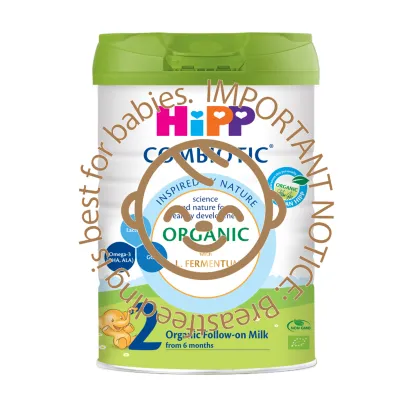
80 Lazada user ratings
High-quality organic baby formula, Trusted brand for baby formula, Supports baby's healthy development, Great formula for babies,
🏆Brand Trust: 100% My infant stuck with this brand since newborn and it’s working very well overall
Trusted brand for baby formula, High-quality organic baby formula, Great value for money.
Promotes healthy digestion and immune system, Great formula for babies,
Prices are valid at publication and may change. Please refer to the product page for the latest price.
Before you make any modifications to your baby’s diet, it is essential to consult a pediatrician or healthcare provider in Singapore. Every infant develops at an individual pace, and a professional can evaluate your baby’s growth charts, overall health, and readiness for follow-on formula. This step ensures that the transition is safe, timely, and tailored to your baby’s specific developmental path.
Preparing for the Formula Switch
Preparation is key to a stress-free transition for both you and your baby. Start by carefully reading the packaging of your HiPP Stage 2 formula. Pay close attention to the preparation instructions, scoop sizes, and water-to-powder ratios. It is a common mistake to assume that all formula stages use the same scoop size or dilution ratio; in reality, follow-on formulas often require different measurements to ensure the correct nutrient density.

To prevent any sudden disruptions, make sure you have an adequate supply of both Stage 1 and Stage 2 formulas on hand before you begin. Running out of Stage 1 mid-transition might force you to accelerate the switch faster than your baby’s stomach can handle. Having several days’ worth of both formulas allows you to proceed at a comfortable, controlled pace.
It is also helpful to set realistic expectations. Your baby might notice a slight difference in taste or texture and may react with initial hesitation. A complete switch typically takes about a week, so patience is crucial. Understanding that minor adjustments in feeding patterns are normal will help you remain calm and supportive throughout the process.
Step-by-Step Guide to the Formula Switch
An abrupt switch from one formula stage to another can overwhelm a baby’s developing digestive system, leading to gas, fussiness, or changes in bowel movements. A gradual transition is the most reliable way to minimize these risks. By introducing the new formula slowly, you give the gut enzymes and microflora time to adjust to the new nutrient composition.
There are two primary approaches to transitioning formula: the gradual bottle replacement method and the powder mixing method. The bottle-by-bottle replacement method involves substituting one full feed of Stage 1 with Stage 2 each day. The powder mixing method involves blending the two powders in a single bottle, though this requires extreme caution and strict adherence to manufacturer guidelines to ensure the correct dilution.
The Gradual Introduction Method
The bottle-by-bottle replacement method is widely considered the safest and most straightforward approach. On the first and second days of the transition, replace just one of your baby’s daily feeds—ideally a midday feed when they are alert and happy—with a bottle of HiPP Stage 2 formula. Keep all other feeds as Stage 1. On the third and fourth days, replace two feeds with Stage 2, spacing them out across the day. Continue this pattern, adding one more Stage 2 bottle every two days until your baby is fully transitioned.
If you are considering mixing Stage 1 and Stage 2 powders in the same bottle, you must verify if the manufacturer explicitly permits this practice on the packaging. Because scoop sizes and water-to-powder ratios often differ between stages, mixing powders can easily lead to incorrect dilution. Preparing a bottle that is too concentrated or too diluted can strain your baby’s kidneys or cause dehydration. If the packaging does not provide clear instructions for mixing stages, stick to the bottle-by-bottle replacement method.
Always establish clear stop conditions during the transition. If your baby shows signs of physical distress, such as excessive spitting up, unusual fussiness, or severe gas, pause the transition immediately. Revert to the previous stage or maintain the current ratio of Stage 1 to Stage 2 for a few days until the symptoms resolve. If the discomfort persists or if you feel unsure about how to proceed, seek professional advice from your pediatrician.
Adjusting Feeding Schedules and Volumes
As your baby transitions to Stage 2 formula and begins eating solid foods, their feeding schedules and the volume of milk they consume will naturally evolve. Instead of strictly forcing a predetermined volume of milk at every feed, focus on observing your baby’s natural hunger and satiety cues. Signs of hunger include turning their head toward the bottle or sucking on their hands, while satiety is often indicated by turning away, pushing the bottle away, or falling asleep.
Use the feeding chart on the HiPP Stage 2 packaging as a baseline guide rather than an absolute rule. The chart provides recommended averages based on age and weight, but individual needs can vary. Your baby may drink slightly less formula as they consume more solid foods, or they may have growth spurts where their milk intake temporarily increases.
It is important to understand how Stage 2 formula fits into a broader weaning diet. At around six months, formula remains the primary source of nutrition, but solid foods gradually begin to play a larger role. Additionally, you can start offering small sips of water from a cup during meals to help your baby learn to drink from a cup and stay hydrated as their intake of solids increases.
Monitoring Your Baby's Digestion and Acceptance
Monitoring how your baby tolerates the new formula is a vital part of a successful transition. It is completely normal to observe temporary changes in your baby’s stool consistency, color, and frequency during the switch. Follow-on formulas often contain different iron levels or prebiotics, which can cause the stool to become slightly darker, firmer, or more frequent. As long as the stool remains soft and your baby is not straining excessively, these changes are generally nothing to worry about.
Signs of good acceptance indicate that your baby’s body is adapting well to the new formula. A baby who is tolerating the switch comfortably will finish their feeds without crying, remain settled between feeds, and maintain their usual sleep patterns. They should appear content and active during their awake hours, showing that the new formula is digesting easily.
To confirm that the new formula is meeting your baby’s nutritional needs, keep a close eye on indicators of proper hydration and steady weight gain. Your baby should continue to produce at least six wet diapers a day, with pale, odorless urine. Regular check-ups with your healthcare provider in Singapore will allow you to track their growth on standard charts, ensuring they remain on a healthy developmental trajectory.
Troubleshooting Common Transition Challenges
Even with a careful plan, you may encounter minor setbacks during the transition. Temporary bottle refusal or mild fussiness is a common reaction to the new taste or texture of Stage 2 formula. If your baby rejects a bottle, avoid forcing the feed, as this can create negative associations with feeding. Instead, try offering the bottle when they are relaxed, or have another caregiver offer the feed, as babies can sometimes smell the familiar Stage 1 formula on their primary caregiver.
Mild gas or minor changes in bowel movements can often be managed with simple, comforting techniques. Try giving your baby a gentle tummy massage in a clockwise direction to help release trapped air, or bicycle their legs toward their chest. Ensuring you feed your baby in an upright position and burp them thoroughly both during and after the feed can also significantly reduce gas buildup.
While minor adjustments are normal, you must be aware of clear red flags that require you to stop the new formula immediately and consult a pediatrician. These include severe or persistent diarrhea, projectile or frequent vomiting, the sudden appearance of a skin rash or hives, blood in the stool, or signs of an allergic reaction such as swelling around the face or difficulty breathing. Trust your instincts and seek professional medical care if you observe any of these symptoms.
Frequently Asked Questions (FAQ)
Can I mix Stage 1 and Stage 2 powder in the same bottle?
Before attempting to mix Stage 1 and Stage 2 powders in a single bottle, you must check the specific HiPP packaging instructions. Because the scoop sizes and water-to-powder ratios often differ between these two stages, mixing the dry powders can easily lead to an incorrect and potentially unsafe concentration of nutrients. If the manufacturer does not explicitly approve mixing the powders in the same bottle, the safest default is to use the bottle-by-bottle replacement method, preparing each stage separately in its own bottle.
How long should the transition period take?
A typical transition period takes about 5 to 7 days, though some babies with more sensitive stomachs may require up to two weeks to adjust fully. Rather than sticking to a strict calendar deadline, let your baby’s digestive comfort and behavioral cues dictate the pace. If your baby shows any signs of mild gas or fussiness, slow down the transition by keeping the ratio of Stage 1 to Stage 2 bottles the same for an extra day or two before proceeding.

Community discussion
Share your experience or ask a question. Comments are reviewed before publication.