
When preparing for your baby’s weaning journey, selecting safe, durable feeding gear is a top priority. The popular mushie bowl, known for its minimalist Scandinavian design and strong suction base, has become a staple in many Singaporean households. However, its popularity has also made it a target for counterfeiters on e-commerce platforms. Distinguishing a genuine Mushie suction bowl from a cheap imitation is crucial for your child’s safety. To verify your bowl’s authenticity, you must inspect the packaging print quality, evaluate the tactile feel and scent of the silicone material, check for embossed manufacturer markings, and ensure your purchase comes from an authorized retailer.
Why Authenticity Matters for Baby Weaning Gear
Baby weaning gear must meet strict food-contact safety standards to protect infants during a critical stage of physical development. Genuine silicone baby products are manufactured using food-grade silicone, a highly stable material that resists extreme temperatures without degrading or leaching harmful chemicals. Counterfeit silicone products, however, frequently bypass these safety checks. To cut costs, manufacturers of fake goods often blend silicone with cheap plastic fillers, chemical plasticizers, or heavy metals. These unverified additives can leach into warm baby purees or release volatile compounds when exposed to high heat in microwaves, steam sterilizers, or dishwashers.
Because infants have developing immune and metabolic systems, minimizing exposure to unverified chemical additives is essential. While the exact prevalence of counterfeit baby items on online marketplaces is difficult to quantify without official market data, the risks of using unverified food-contact materials are well-documented. Parents must verify specific material safety certifications, such as FDA or LFGB compliance, directly from the manufacturer’s official product documentation rather than relying on unverified online listings. Furthermore, always supervise your baby during feeding sessions and consult a pediatrician or pediatric feeding specialist if you have concerns regarding weaning safety or developmental readiness. If you suspect a product’s material integrity is compromised, stop using it immediately.
Products mentioned in this guide
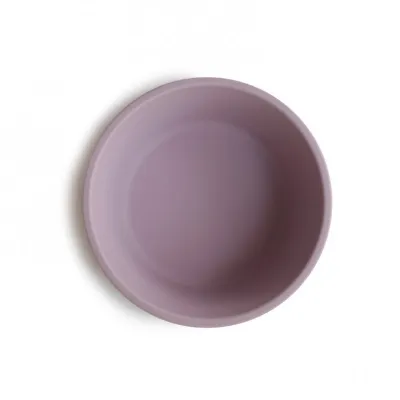
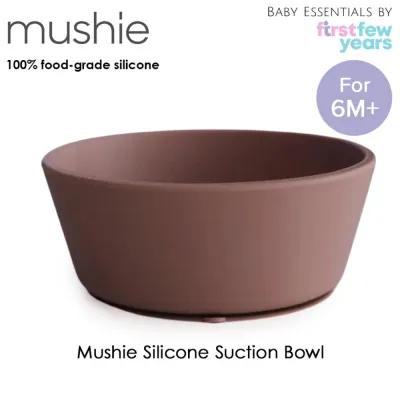
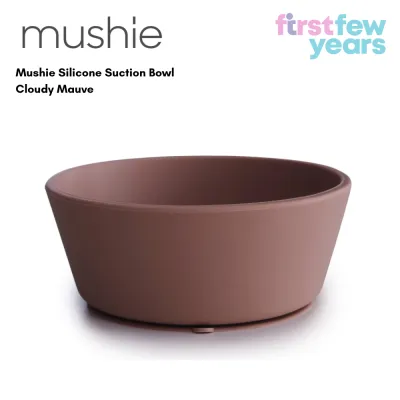
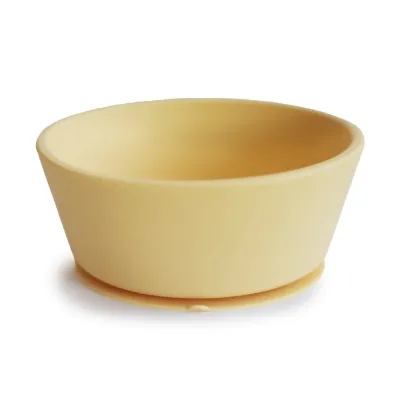
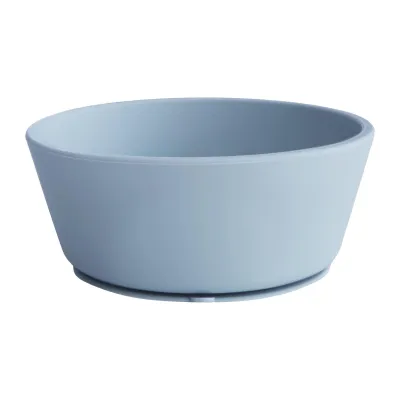
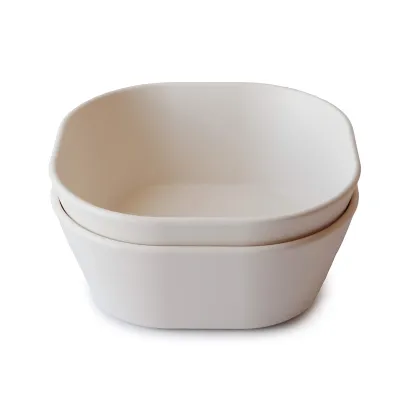
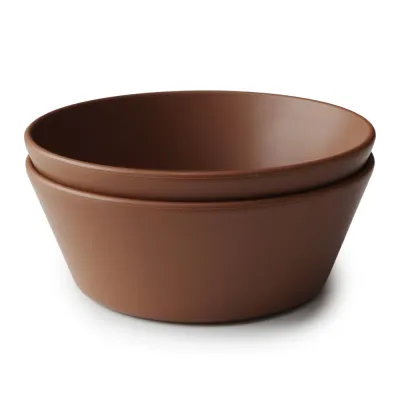
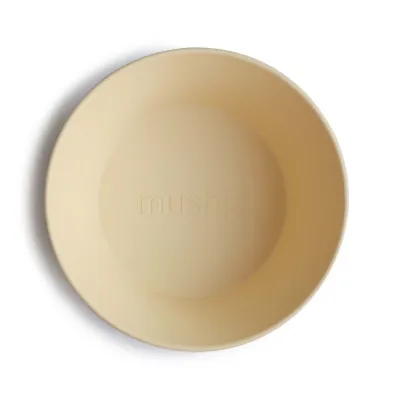
Prices are valid at publication and may change. Please refer to the product page for the latest price.
Physical Checks: Packaging, Labels, and Material Quality
Conducting a thorough physical inspection is one of the most effective ways to identify a counterfeit product. By analyzing the packaging details and the tactile quality of the silicone, you can spot the subtle shortcuts that counterfeiters take to keep their production costs low.

Inspecting Packaging and Branding Details
Authentic Mushie packaging reflects the brand’s signature aesthetic: clean lines, muted tones, and high-quality matte paperboard. The printing is sharp, with no ink bleeding, blurry text, or color misalignment. On the box, you should find clear, legible text detailing the manufacturer’s information, age-grade recommendations (indicating suitability for infants starting their weaning journey under active caregiver supervision), and clear safety warnings.
If the box feels flimsy, has an unusually glossy texture, exhibits pixelated graphics, or contains spelling errors, these are immediate warning signs of a fake. Additionally, authentic items include a barcode and batch number that match the brand’s production records. Counterfeits often ship in generic plastic bags without any branding, or in boxes that lack the official manufacturer details and safety compliance marks.
Evaluating Silicone Quality and Craftsmanship
The physical properties of the silicone itself offer significant clues. Genuine Mushie suction bowls are crafted from premium, food-grade silicone that feels substantial, smooth, and slightly velvety to the touch. The thickness of the bowl’s walls should be uniform, preventing the bowl from collapsing easily when filled with food or handled by a child.
Pay close attention to the edges and the suction base. Authentic manufacturing processes utilize high-precision molds that leave virtually invisible seams. Counterfeits often feature rough, raised mold lines or jagged edges along the rim and base, which can harbor bacteria and are difficult to clean. Furthermore, genuine silicone does not attract lint and dust excessively, whereas low-quality silicone with plastic fillers often carries a static charge that attracts debris. While a single physical trait is not absolute proof of a fake, multiple minor defects should prompt you to cross-reference the item with the manufacturer’s official product specifications.
Official Verification and Customer Support
When physical checks are inconclusive, leveraging official brand resources is the most reliable way to confirm authenticity. Brand owners implement specific manufacturing details that counterfeiters find difficult or expensive to replicate.
Look closely at the underside of the bowl. Authentic Mushie bowls feature an embossed brand logo (“mushie”) and design origin details molded directly into the silicone base. This engraving should be clean, deep, and perfectly legible. If the logo is missing, blurry, or uses an incorrect font style, the item is likely a counterfeit.
If you remain uncertain about the product’s authenticity, contact Mushie’s customer support team directly through their official website. Prepare clear, high-resolution photographs of the bowl’s bottom markings, the packaging, and your digital receipt or proof of purchase. Unofficial “hack” tests found on social media, such as the “pinch test” (twisting the silicone to see if it turns white), should not replace official brand confirmation. While some low-quality silicone blends turn white when stretched due to chemical fillers, certain genuine, high-quality silicone structures can also exhibit slight color changes under extreme tension depending on how they were cured. Therefore, these tests are not scientifically absolute and should never replace official brand verification or manufacturer specifications.
How to Choose Safe Purchasing Channels Online
Navigating online marketplaces in Singapore requires a cautious approach to avoid counterfeit baby products. To minimize the risk of purchasing a fake before checkout, prioritize official flagship stores or authorized local distributors.
When shopping on major e-commerce platforms, look for verified badges such as “Mall” or “Official Store,” which indicate that the platform has verified the seller’s business registration and authorization to sell the brand. Be highly skeptical of third-party sellers operating under generic or randomized usernames. Always check the “Ships from and sold by” information; while many authentic products are imported, a seller shipping from an unverified overseas warehouse with no local business footprint warrants extra scrutiny.
Price is another critical indicator. In Singapore, a genuine Mushie suction bowl typically retails between S$20 and S$30 SGD. If you encounter an online listing offering the bowl for S$5 to S$10 SGD, treat it as a major red flag. Counterfeiters rely on low prices to entice quick purchases before buyers can thoroughly research the seller.
Additionally, spend time reading the seller’s product reviews. Do not just look at the overall star rating, as fake reviews can inflate these numbers. Filter by one-star and two-star ratings and look for specific complaints regarding a strong chemical odor, poor suction, thin material, or packaging that arrived damaged without any brand markings. Purchasing directly from the brand’s official website or authorized brick-and-mortar maternity retailers in Singapore remains the safest way to guarantee product authenticity.
Steps to Take If You Receive a Suspected Fake
If you suspect that the bowl you received is not authentic, your first priority must be safety. Immediately stop using the bowl for feeding. Do not attempt to sterilize, microwave, or wash it, as heat could cause unverified materials to release volatile organic compounds or degrade further. Store the item out of reach of your baby.
Document your findings thoroughly. Take clear, well-lit photographs of the product from multiple angles, focusing on the areas of concern such as uneven seams, blurry packaging text, or the absence of the embossed logo. Take a screenshot of the seller’s listing, your order confirmation, and any communication you have had with the seller.
Next, log into the e-commerce platform where you made the purchase and initiate a return or refund request. Select the option that indicates the item is counterfeit or not as described. Present your photographic evidence clearly and objectively, explaining how the product deviates from authentic manufacturer specifications. Most major platforms in Singapore offer robust buyer protection policies that hold funds in escrow until the buyer confirms receipt of a satisfactory item. Finally, report the listing and the seller to the platform’s customer support team to protect the wider parenting community from potentially hazardous baby products.
Frequently Asked Questions (FAQ)
Can I test the suction power to prove the bowl is real?
No, suction performance alone is not a reliable indicator of authenticity. A bowl’s suction power depends heavily on the surface material, cleanliness, and flatness of the high chair tray or table. Some counterfeit bowls may still feature functional suction bases, while a genuine bowl might struggle to stick to uneven or textured wooden surfaces. You must combine suction checks with material, packaging, and branding inspections.
Do genuine Mushie bowls have a specific smell?
Genuine food-grade silicone is virtually odorless or may carry a very faint, neutral scent that quickly dissipates after the first wash with warm, soapy water. If your new bowl has a strong, lingering chemical, petroleum, or sweet plastic odor, this is a major warning sign. Such smells indicate the presence of low-grade materials or volatile chemical fillers, and the bowl should not be used for food.
Community discussion
Share your experience or ask a question. Comments are reviewed before publication.