
Storing stuffed toys in Singapore’s tropical climate is a constant battle against high relative humidity, which frequently exceeds 80% year-round. This persistent moisture, combined with warm temperatures, creates an ideal breeding ground for mold, mildew, and dust mites. For parents, keeping plush toys clean and hygienic is crucial for protecting a baby’s developing respiratory system from allergens. Successfully storing these toys requires a systematic approach that addresses moisture control at every stage, from initial cleaning to container selection and ongoing environmental monitoring. By managing the microclimate inside your storage containers, you can preserve your child’s favorite toys without risking their health or fabric integrity.
Preparing Stuffed Toys for Long-Term Storage
Before placing any plush toy into storage, a thorough preparation routine is essential to avoid trapping moisture, dust, or pests. Begin with a meticulous visual and tactile inspection of each toy. Feel the fabric deeply to check for hidden dampness, and smell the toy closely for mustiness. Inspect the seams, limbs, and attachments for loose threads, tears, or weak spots. Storing a toy with even minor structural damage or trapped moisture allows mold spores to take root and spread rapidly throughout the entire storage container.
Cleaning must be guided strictly by the manufacturer’s care labels. Many stuffed toys can be gently machine-washed, while others require hand-washing or spot-cleaning only. If the care label permits washing, use a mild, baby-safe detergent and select a gentle cycle. For toys with electronic components, music boxes, or delicate vintage fabrics, avoid immersion entirely; instead, spot-clean the surface with a damp cloth and verify if professional cleaning is recommended.
Products mentioned in this guide
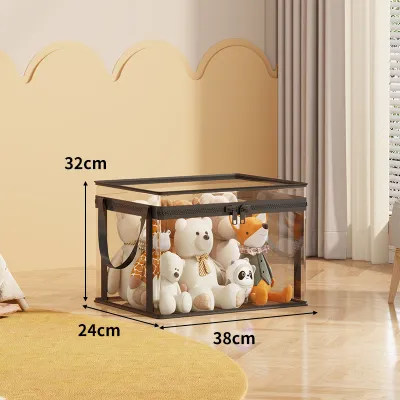
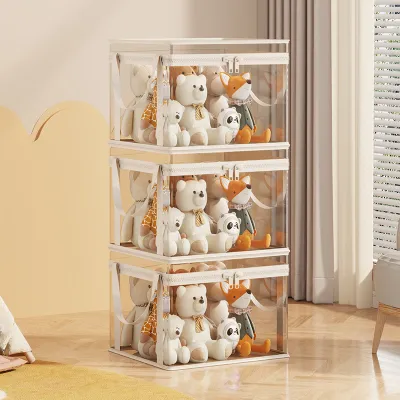
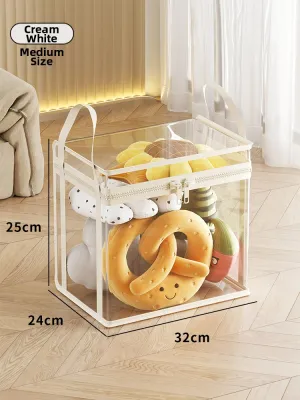
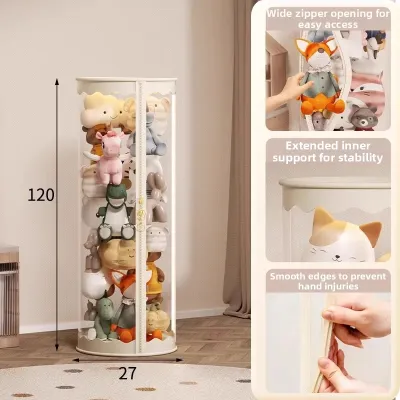
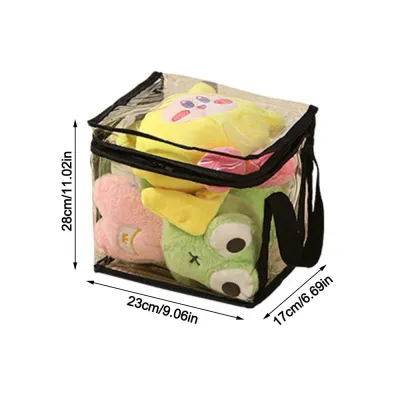
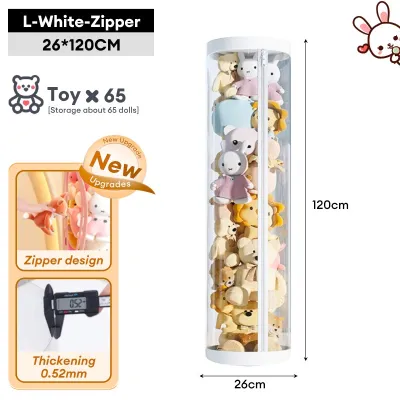
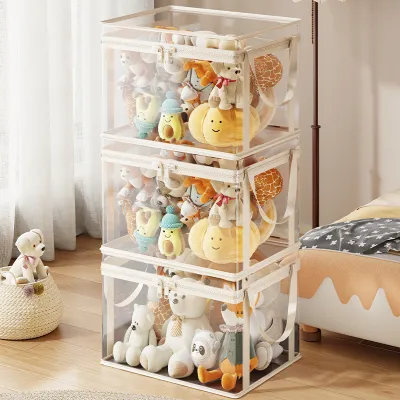
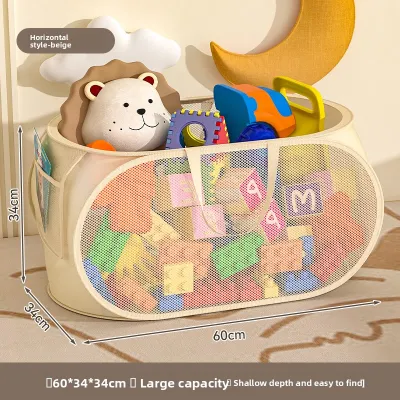
Prices are valid at publication and may change. Please refer to the product page for the latest price.
Drying the toys completely is the most challenging part of the preparation process in a humid climate. Line drying outdoors in Singapore’s humid air can take days, during which time the damp stuffing can begin to mildew. If the manufacturer’s instructions allow, tumble dry the toys on a low-heat setting to ensure the innermost stuffing is dry. Alternatively, place the toys in an enclosed room with a dehumidifier running or under a high-speed fan for at least 24 to 48 hours. Never rush this step; even a tiny pocket of dampness deep inside a plush toy can ruin an entire batch of stored items.
Once clean and dry, sort the toys by material type and sentimental value. Grouping synthetic polyester-filled toys separately from natural fibers like wool or cotton allows you to tailor your storage methods. Highly sentimental or delicate heirloom toys should be prioritized for the most secure, climate-controlled storage options, while everyday toys can be organized for easier access.
Selecting Storage Containers for Tropical Humidity
Choosing the right storage container involves balancing the need for air circulation against the necessity of blocking external humidity. Breathable fabric bins, such as those made of canvas or non-woven polypropylene, allow air to flow freely around the toys. This circulation helps prevent the buildup of stale air, but it also exposes the toys to the ambient humidity of the room. In a non-air-conditioned space, fabric bins will eventually allow the toys to absorb moisture from the air, making them suitable only for short-term storage or toys that are rotated frequently.

Conversely, airtight plastic storage boxes offer a robust physical barrier against external moisture, dust, and pests. These containers are highly effective at keeping humid air out, but they carry a significant risk: if a toy is not fully dry when placed inside, the sealed environment will trap the moisture, creating a highly humid microclimate that accelerates mold growth. When choosing plastic bins, look for high-quality, durable options with secure latching lids and silicone gaskets that create a true airtight seal.
Before using any plastic container, perform a thorough material check. Wash the inside of the bin with mild soap and water, rinse it completely, and let it dry fully in a well-ventilated area. Ensure there are no chemical odors or off-gassing from the plastic, as these fumes can be absorbed by the plush fabrics and potentially irritate a baby’s sensitive skin or respiratory system. Check the manufacturer’s labels to ensure the plastic is food-grade or marked as BPA-free and safe for storing children’s items.
To provide an extra layer of protection inside the container, avoid placing the stuffed toys directly against the hard plastic walls. Line the bottom and sides of the bin with acid-free tissue paper or clean, dry cotton sheets. These materials act as a gentle buffer, absorbing minor fluctuations in moisture and preventing the plush fabrics from sticking to or reacting with the plastic surface over long periods.
Controlling Moisture and Preventing Mold Growth
Even with a sealed container, managing the internal microclimate is vital for long-term preservation. Desiccants are highly effective tools for absorbing any residual moisture that might enter the container during packing or opening. Silica gel packets or calcium chloride moisture absorbers can be placed inside the storage bin to maintain a dry environment. However, safety is paramount when using these products in a household with young children.
Always place desiccant packets at the very bottom of the container, beneath the protective cotton lining, so they do not come into direct contact with the toys. Ensure the containers are securely latched and stored completely out of reach of children to prevent any accidental ingestion or exposure to the chemical contents. If you are storing toys that a baby will play with immediately upon retrieval, avoid loose chemical desiccants and opt for sealed, food-safe silica packets that are clearly labeled as non-toxic, while still maintaining strict supervision.
The physical location of your storage containers within your home significantly influences moisture levels. Avoid placing storage boxes directly against exterior walls, which are prone to temperature fluctuations and condensation during heavy rainstorms. Instead, store the containers on elevated shelves inside closets or wardrobes located on interior walls. If possible, keep the storage room well-ventilated, run a home dehumidifier regularly, or utilize air conditioning to lower the overall ambient humidity in the storage area.
Regularly monitor the storage environment for warning signs of trapped moisture. If you notice condensation droplets forming on the inside walls of a plastic bin, or if the toys begin to feel slightly limp or cool to the touch, the storage environment has failed. You must immediately pause the storage process, remove all toys, and dry them thoroughly before re-evaluating your moisture control setup.
Routine Inspection and Maintenance Schedule
A set-and-forget approach to toy storage is risky in a tropical climate. Establishing a routine inspection and maintenance schedule is the best way to catch moisture issues before they cause irreversible damage. Plan to inspect your stored stuffed toys at least once every two to three months. This frequency should be increased during the wetter monsoon seasons, when outdoor humidity levels remain consistently high.
During each inspection, open the containers in a dry, air-conditioned room. Conduct a quick sensory check: feel the toys for dampness, smell them for musty odors, and visually inspect them for any tiny black or white spots that indicate early mold growth. Take this opportunity to check the condition of your desiccants. If you are using color-indicating silica gel, replace or reactivate the packets according to the manufacturer’s instructions once they show they have absorbed maximum moisture.
When retrieving toys from storage for active use in the nursery, follow a safe handling and airing-out procedure. Do not hand the toy directly to your baby straight from the box. Allow the toy to air out in a well-ventilated, dry room for a few hours. To remove any settled dust or microscopic fibers, gently vacuum the toy using a vacuum cleaner equipped with a HEPA filter, or brush it gently with a clean, soft-bristled brush.
If a cherished, vintage, or delicate toy develops deep mold or structural damage, do not attempt aggressive home washing or chemical treatments, as these can ruin the fabric or leave harmful residues. Stop using the toy immediately and consult a professional toy restoration specialist or a dry cleaner experienced in handling delicate plush items to determine if the toy can be safely restored.
Frequently Asked Questions (FAQ)
Can I use vacuum storage bags for stuffed toys in a humid climate?
Vacuum storage bags are popular for saving space, but they carry distinct risks in humid environments. The primary danger is that vacuum sealing traps the ambient air—and the moisture within it—inside the bag. If the toys or the room air are even slightly damp when sealed, this trapped moisture has nowhere to escape, creating a concentrated humid environment that rapidly fosters mold and mildew growth.
Furthermore, prolonged compression can permanently damage the structural integrity of the toy’s stuffing. Materials like polyester fiberfill, foam, or natural cotton can lose their loft and resilience when compressed tightly for months, leaving the toy misshapen and flat.
While vacuum bags may be acceptable for short-term travel, they are generally not recommended for long-term nursery storage in a humid climate. If you must use them, ensure the toys are completely dry beforehand and include a high-capacity silica gel packet inside the bag before sealing.
How do I remove a musty smell from a stored stuffed toy?
Musty smells indicate active or past moisture accumulation and mold spore activity. To safely refresh a toy without using harsh chemicals that could irritate a baby’s skin, start by airing it out. Place the toy in a well-ventilated, dry indoor area away from direct sunlight, which can fade fabrics and degrade synthetic fibers.
For persistent odors, use a dry, non-contact odor absorption method. Place the musty toy inside a clean, sealable container alongside an open box of baking soda or a packet of activated charcoal. Ensure the absorber does not directly touch the fabric to prevent staining. Seal the container for 24 to 48 hours to allow the baking soda or charcoal to draw out the musty odors.
After deodorizing, evaluate the toy’s safety. If the musty smell persists or you observe visible mold spots, the toy should be re-washed according to its care label. If the toy cannot be washed, or if the mold has penetrated deep into the stuffing of a toy intended for an infant, discard the item to protect your baby from potential allergen exposure.
Community discussion
Share your experience or ask a question. Comments are reviewed before publication.