
To ensure you are using genuine Mustela cleansing gel on your baby’s delicate skin, you must systematically inspect the packaging quality, verify the batch code directly with official channels, and purchase only from authorized local retailers. Counterfeit baby products pose significant risks, making a careful physical and source verification essential before any application. In Singapore’s active online marketplace environment, being a vigilant consumer is the best way to protect your infant from unverified formulations.
Why Authenticity Matters for Baby Bath Products
Infant skin is significantly thinner and more permeable than adult skin, making it highly sensitive to topical applications. When a baby wash is counterfeit, there is no regulatory oversight to guarantee that the ingredients match the label. Unverified formulations may contain harsh industrial surfactants, unauthorized preservatives, or heavy metals that can trigger severe contact dermatitis, systemic irritation, or allergic reactions.
While genuine baby care products undergo rigorous dermatological testing to ensure they are hypoallergenic and safe for newborns, counterfeiters bypass all safety standards. Parents must verify that any product used in the bath meets local safety guidelines. If your baby experiences any unusual redness, dryness, or rash after a bath, stop using the product immediately and consult a qualified healthcare professional.
Products mentioned in this guide
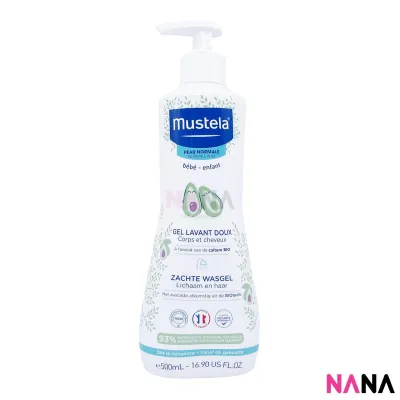
![Mustela Soothing Cleansing Gel (Fragrance-free) 300ml [Sensitive Skin][Bath Time](exp: 09/2028 & beyond)](https://img.lazcdn.com/g/p/d972e5051d9f078f3387f8ebb2bc7e65.jpg_400x400q80.jpg_.webp)
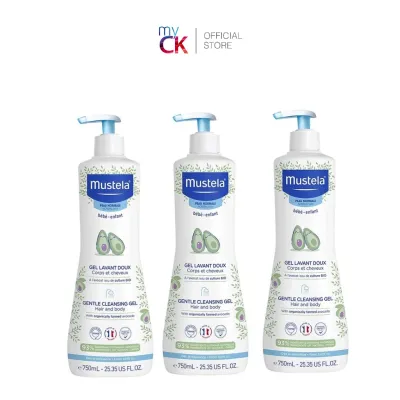
![[Mustela Bundle Deal] Gentle Cleansing Gel 500ml (exp: 07/2028 & beyond) Normal Skin][Bath Time]](https://img.lazcdn.com/g/p/0960c2f1c20c1bd0653da5b4d4b86766.jpg_400x400q80.jpg_.webp)
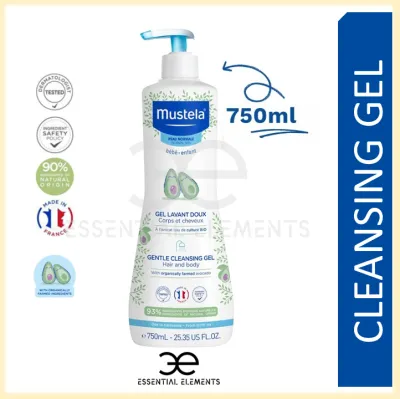
![Mustela 750ml Gentle Cleansing Gel for Hair & Body [Normal Skin][Bath Time] (exp: 09/2028 & beyond)](https://img.lazcdn.com/g/p/a5b23607fc071da227911af59a85951c.jpg_400x400q80.jpg_.webp)
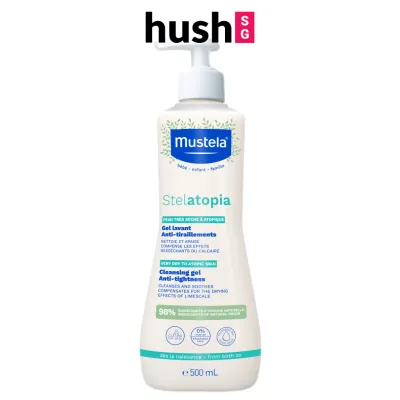
![Mustela Stelatopia Cleansing Gel (Fragrance-free) [Eczema-Prone Skin][Bath Time][Exp: 06/2028]](https://img.lazcdn.com/g/p/2cdeb457c3feea939e926196454d9e37.jpg_400x400q80.jpg_.webp)
Prices are valid at publication and may change. Please refer to the product page for the latest price.
Relying solely on a low price tag as a purchasing guide is a major risk. While finding a good deal on baby essentials is appealing, extreme discounts often signal that a product has bypassed authorized distribution networks or is an outright imitation. Saving a few dollars is never worth the risk of exposing an infant to untested chemical mixtures.
Key Visual and Physical Checks for Mustela Cleansing Gel
A systematic physical inspection of the bottle is your first line of defense against counterfeit baby products. Genuine manufacturers maintain high production standards, resulting in clean, precise packaging.

Examine the plastic bottle and the pump mechanism closely. Genuine bottles are molded from high-quality, sturdy plastic with smooth seams and no rough edges. The pump should depress smoothly without catching, leaking, or requiring excessive force.
Inspect the printed text on the front and back of the bottle. On authentic packaging, the lettering is sharp, clear, and resistant to scratching. Counterfeit bottles often display blurry fonts, misaligned text, or even spelling errors, which are clear indicators of substandard printing equipment.
When inspecting the bottle, pay attention to the alignment of the labels. Genuine labels are applied by precision machinery, meaning they are perfectly straight and free of air bubbles or peeling edges. If you notice crooked labels, excessive glue residue around the borders, or labels that peel off too easily, this suggests manual application, which is common in counterfeit operations.
Check for the presence of safety seals or tamper-evident features. Depending on the specific packaging design and region of import, some bottles may feature shrink-wrapped pumps or protective tabs. If a seal appears broken, stretched, or crudely glued back together, do not use the product.
Observe the physical characteristics of the cleansing gel itself. Authentic Mustela cleansing gel is known for its specific consistency, clear appearance, and signature scent. The gel should be smooth and free of unusual cloudiness, separation, or gritty particles.
The scent is another critical indicator. Genuine formulations feature a delicate, mild fragrance designed specifically for infants. If the liquid has a harsh, chemical, overly perfumed, or rancid odor, it is highly likely to be a counterfeit or expired product.
How to Verify Batch Codes and Official Labels
Every authentic bottle of baby cleansing gel features specific manufacturing details that allow the brand to track its production history. Verifying these details is a highly reliable way to confirm legitimacy.
Locate the batch code and expiration date on the packaging. These details are typically printed directly on the bottom of the bottle or embossed near the lower back label. The code should be clearly legible and match the formatting style used by the manufacturer.
In Singapore, authentic products distributed through official channels often carry specific importer stickers or local regulatory labels. These labels provide details about the local distributor and contact information. The absence of a local importer label may indicate a parallel import or a counterfeit item, requiring extra caution.
To verify a batch code, contact the brand’s official customer service or local distributor directly. Avoid relying on unverified third-party batch-checking websites or mobile applications, as their databases are often outdated or inaccurate. Official brand representatives can confirm whether a specific batch code is valid and matches the product’s manufacturing records.
Choosing Safe Purchasing Channels in Singapore
The most effective way to avoid counterfeit baby products is to buy exclusively from trusted, authorized sources. Establishing a secure supply chain for your baby’s skincare ensures peace of mind.
Prioritize official brand flagship stores on major e-commerce platforms, authorized retail pharmacies, and established local supermarkets. These retailers source their inventory directly from authorized distributors, ensuring strict quality control and proper storage conditions.
Be highly cautious when shopping on general online marketplaces where third-party merchants operate. A major red flag is a price that falls significantly below the typical S$ retail range for the product. If a deal seems too good to be true, it is highly probable that the product is either counterfeit or parallel-imported without proper quality controls.
Additionally, check the shipping origin when purchasing online. While parallel imports are common, products shipped from unverified overseas locations may not have undergone the same temperature-controlled storage and transport as those handled by authorized local distributors. Extreme heat during transit can degrade even genuine formulas, making local authorized channels the safest choice.
Before purchasing from an online seller, thoroughly investigate their profile. Check the seller’s overall rating, the age of the shop, and detailed buyer reviews. Look for reviews that mention packaging discrepancies, unusual scents, or skin reactions, and avoid sellers with a history of unverified or suspicious stock.
What to Do If You Suspect a Counterfeit Product
If you suspect that the cleansing gel you purchased is not authentic, you must take immediate steps to protect your child and report the issue.
Stop using the product immediately. Do not risk exposing your baby’s skin to an unverified formulation, even if you have not observed an immediate reaction. Store the bottle safely out of reach of children while you resolve the issue.
Document the product thoroughly by taking clear, high-resolution photographs of the bottle, the batch code, the pump mechanism, and any packaging anomalies. Keep your physical or digital purchase receipt, as this serves as essential proof of purchase.
Contact the seller or the e-commerce platform to request a return or refund, presenting your documented evidence. Additionally, report the suspicious listing to the platform’s administration or relevant local consumer protection authorities to help prevent other parents from purchasing unsafe products.
Frequently Asked Questions (FAQ)
Can I rely on a barcode scanner to confirm if the Mustela gel is real?
No, you cannot rely solely on a barcode scanner to confirm authenticity. Barcodes are static identifiers that only represent the product type and manufacturer; they do not verify the legitimacy of an individual bottle. Counterfeiters can easily copy and print valid barcodes from genuine packaging onto fake bottles, which will still scan as authentic on standard mobile apps.
Does a different packaging design always mean the product is fake?
Not necessarily. Manufacturers periodically update their packaging designs, bottle shapes, formulas, or transition to more sustainable materials. Before assuming a product is counterfeit due to a design difference, check the official brand website or contact local distributors to see if a packaging update has recently been introduced in the market.
Community discussion
Share your experience or ask a question. Comments are reviewed before publication.