
Buying a reliable children’s bag involves more than just picking an attractive design; it requires ensuring the product is genuine, safe, and supportive for your child’s daily activities. For parents in Singapore looking to purchase a Homie kids bag, navigating the online and offline marketplace can sometimes expose you to counterfeit products.
Spotting a fake Homie kids bag requires a careful eye for physical details, such as stitch consistency, hardware quality, and label clarity, alongside verifying the seller’s authorization status. By understanding these key indicators, you can protect your investment and ensure your child receives a high-quality, ergonomic product.
Why Authenticity Matters for Children's Bags
When selecting gear for your child, safety and physical well-being are paramount. Counterfeit children’s bags often bypass the rigorous quality control and material testing that genuine brands undergo. Unofficial manufacturers may use non-compliant plastics, untested synthetic fabrics, or cheap dyes that can release volatile organic compounds or cause skin irritation upon direct contact. Because children frequently handle their bags and may even place straps near their mouths, verifying that the materials are non-toxic and compliant with safety standards is a critical step for every parent.
Products mentioned in this guide
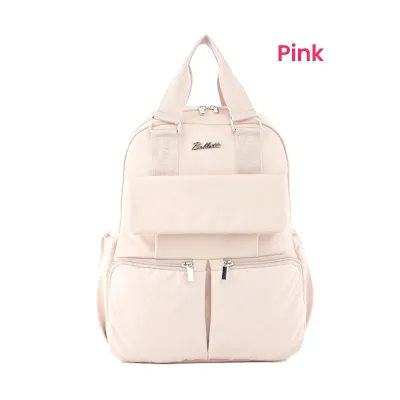
Prices are valid at publication and may change. Please refer to the product page for the latest price.
Beyond material safety, the physical design of a counterfeit bag rarely matches the ergonomic standards of an authentic product. Genuine kids’ bags are engineered to distribute weight evenly across a child’s shoulders and back, utilizing supportive padding and adjustable straps to prevent strain. Counterfeits often skimp on these structural elements, using thin, rigid foam or poorly positioned straps that can lead to discomfort, poor posture, or sudden breakage under the weight of schoolbooks. If a strap or buckle fails unexpectedly while your child is walking, it can cause sudden physical imbalance or drop heavy items on their feet.
Purchasing a genuine product also secures access to essential manufacturer support and safety networks. Authentic brands provide warranties, customer service, and, most importantly, direct notifications in the event of a product recall or safety update. When you purchase a counterfeit bag, you lose these protections entirely, leaving you with no recourse if the product fails prematurely or is found to contain hazardous components.
Key Markers of an Authentic Homie Kids Bag
Verifying the authenticity of a Homie kids bag begins with a close inspection of the packaging and accompanying tags. Genuine bags typically arrive in clean, high-quality packaging, often accompanied by a dedicated dust bag or protective wrapping that features clear, crisp branding. Inspect the hangtags carefully; authentic tags are printed on sturdy cardstock with precise alignment, uniform fonts, and no spelling errors. The care labels should be securely stitched inside the bag, displaying legible text that outlines the material composition and washing instructions clearly.

The construction quality of the stitching and hardware serves as another reliable indicator of authenticity. Examine the seams along the edges, corners, and high-stress areas like the shoulder strap attachments. Genuine bags feature tight, even stitch density with reinforced stitching at load-bearing points to ensure long-term durability. In contrast, counterfeit bags often exhibit loose threads, uneven spacing, or single-stitched seams that easily unravel under tension.
Hardware components, including zippers, buckles, and adjusters, should operate smoothly without catching or sticking. Authentic hardware is typically made from durable, heavy-duty plastics or metals, often engraved with clean, centered brand logos. Check the weight and feel of these components; lightweight, flimsy zippers that bend easily or lack branding are common signs of a replica.
Finally, inspect the interior labels and lining of the bag. Genuine Homie bags feature high-quality interior fabrics that are neatly aligned with the outer shell. Look for the internal brand label, which should be perfectly centered, securely stitched, and printed with clear, high-contrast lettering. Any signs of blurry text, crooked labels, or raw, unhemmed fabric edges inside the pockets suggest a lack of quality control typical of counterfeit manufacturing.
Red Flags: Common Signs of a Counterfeit Bag
Identifying a counterfeit bag often involves recognizing subtle visual discrepancies that deviate from the brand’s established design standards. Look closely at the external logos, prints, and color schemes. Genuine bags maintain strict color consistency, with vibrant, evenly applied dyes and sharp, well-defined graphic prints. If you notice faded colors, peeling graphics, misaligned logo prints, or slight variations in the brand’s official font style, the item is highly likely to be a fake.
The tactile feel of the material can also reveal a counterfeit product. Genuine bags are crafted from high-grade, durable fabrics designed to withstand daily wear while remaining comfortable for children. If the fabric feels unusually stiff, scratchy, excessively synthetic, or paper-thin, it indicates the use of cheap, substandard materials. Additionally, an authentic bag will have a balanced weight that reflects its structural padding, whereas a fake may feel unusually lightweight and lack proper back support.
Pricing anomalies are one of the most immediate red flags when shopping online. While seasonal promotions and authorized sales occur, genuine Homie bags maintain a consistent market value reflecting their manufacturing quality. If you encounter a listing offering a new bag at a price significantly below the standard retail rate—such as a S$80 bag listed for S$20—you should proceed with extreme caution. Unrealistic discounts on unauthorized e-commerce platforms or social media marketplaces are primary indicators of counterfeit goods.
How to Verify Through Homie Official Channels
The most reliable way to guarantee you are purchasing a genuine Homie kids bag is to utilize the brand’s official verification resources and authorized retail networks. Start by visiting the official Homie website to locate their verified list of authorized physical boutiques, department store counters, and online retail partners in Singapore. Purchasing directly from these confirmed channels eliminates the risk of encountering counterfeit stock.
If you have already purchased a bag and feel uncertain about its authenticity, you can contact official customer support for assistance. Prepare clear, well-lit, high-resolution photographs of the bag’s key details, including the overall front and back views, close-ups of the stitching, hardware engravings, interior labels, and any batch codes or serial numbers. Providing a copy of your purchase receipt or invoice will also help the support team verify whether the seller is an authorized distributor.
When shopping on major online marketplaces, it is crucial to distinguish between official flagship storefronts and unauthorized third-party sellers. Look for verified seller badges, official store labels, and positive customer feedback that specifically mentions genuine product quality. Avoid purchasing from unauthorized third-party dropshippers who cannot provide proof of authorization or those who ship from unverified overseas locations without clear return policies.
What to Do If You Suspect a Fake
If you receive a bag and suspect it is a counterfeit, taking immediate, organized action is essential to secure a refund and protect other consumers. Begin by thoroughly documenting the item. Take clear, detailed photographs of all discrepancies, such as messy stitching, misaligned logos, flimsy hardware, and any packaging defects, alongside screenshots of the original online listing and your purchase receipt.
Next, initiate a return or dispute through the e-commerce platform where you made the purchase. Most reputable online marketplaces offer buyer protection policies that cover counterfeit goods. File your claim under “item not as described” or “counterfeit product,” submitting your documented photo evidence to support your case. Avoid using the bag or removing any attached tags during this process, as keeping the item in its original received condition strengthens your claim.
Finally, report the seller to the platform’s administration to flag their account for selling unauthorized goods. You can also report the incident to local consumer protection agencies in Singapore, such as the Consumers Association of Singapore (CASE), to help prevent other parents from falling victim to deceptive listings.
Frequently Asked Questions (FAQ)
Can I authenticate a Homie bag using a QR code or serial number?
Many modern brands implement digital tracking methods, such as scannable QR codes or unique serial numbers, to help customers verify authenticity. To check if your Homie bag features this technology, inspect the hangtags or interior labels for a scratch-off panel or a printed code. If a code is present, scan it using your smartphone or enter the serial number directly on the official Homie website. Be cautious if the scan redirects you to an unfamiliar, third-party website rather than the official brand domain, as counterfeiters sometimes create fake verification pages to deceive buyers.
Are Homie bags sold by third-party sellers always fake?
Not all third-party sellers offer counterfeit products, but purchasing from them carries a higher level of risk. Some third-party sellers may deal in genuine gray-market imports or secondhand items, while others may knowingly or unknowingly distribute replicas. To protect yourself, always verify the seller’s credentials by checking their rating, reading detailed customer reviews, and asking for proof of purchase from an authorized distributor. If the seller is unable or unwilling to provide clear answers or realistic product photos, it is safer to purchase directly from official channels.
Community discussion
Share your experience or ask a question. Comments are reviewed before publication.