
Ensuring your baby’s safety during bath time requires equipment that is structurally sound, chemically safe, and thoroughly tested. When purchasing a premium baby bath stand, verifying its authenticity is a critical step in protecting your infant from preventable accidents. Counterfeit baby products have become increasingly sophisticated, making it essential for parents to know exactly how to inspect physical components, verify safety certifications, and identify authorized retail channels. By learning to spot the subtle differences between a genuine product and a cheap imitation, you can ensure a secure bathing environment for your child.
Why Authenticity Matters for Your Baby's Safety
The primary hazard of a counterfeit baby bath stand is structural instability. Genuine stands are engineered to support the combined weight of a plastic tub, several liters of water, and a moving infant. Counterfeit manufacturers often use lower-grade metals, thinner plastic joints, and substandard locking mechanisms that can fail under load. A sudden collapse during bath time can lead to serious injuries, including falls, impact trauma, or accidental submersion.
Chemical safety is another critical concern that is often invisible to the naked eye. Authentic baby products must comply with strict international regulations regarding toxic substances, ensuring that plastics, paints, and coatings are free from harmful levels of lead, phthalates, and bisphenol A (BPA). Counterfeit items bypass these regulatory checks entirely. The materials used in fake stands may off-gas volatile organic compounds or leach harmful chemicals when exposed to warm, humid bathroom environments.
Products mentioned in this guide

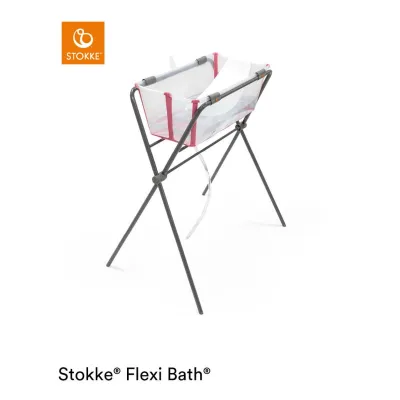
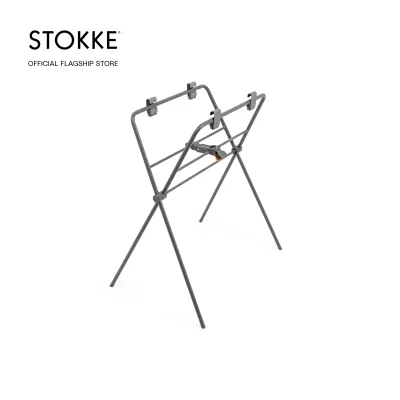
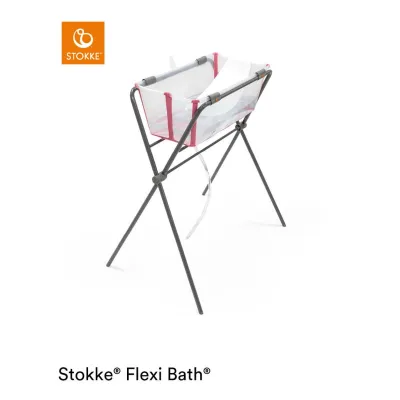
Prices are valid at publication and may change. Please refer to the product page for the latest price.
Furthermore, genuine manufacturers subject their designs to rigorous, independent compliance testing and continuous quality control. This includes stress-testing the folding hinges, verifying the slip resistance of the feet, and ensuring that no sharp edges or pinch points can harm a caregiver or child. Counterfeit operations do not invest in these safety protocols, meaning their products enter the market without any verification of their structural limits or long-term durability.
As a caregiver, maintaining constant supervision during bath time is paramount, but even the most attentive parent cannot prevent a sudden structural failure of substandard equipment. If you notice any wobbling, loose rivets, or unexpected flexing while using a bath stand, you should stop using it immediately. Consulting the manufacturer’s official guidelines or reaching out to a qualified pediatric safety specialist can help you understand the exact safety parameters required for your baby’s developmental stage.
How to Inspect the Build and Packaging for Authenticity
A thorough physical inspection is one of the most reliable ways to distinguish a genuine bath stand from a counterfeit copy. Start by examining the packaging, which is often where counterfeiters cut corners to save on production costs. Authentic packaging features high-resolution, crisp printing with accurate color reproduction and consistent brand typography. The cardboard should feel sturdy and secure, and the box must include a professionally printed, multi-language user manual with clear safety warnings and assembly instructions.

Next, assess the physical build materials of the stand itself. Genuine stands have a distinct weight and rigidity, utilizing high-quality tubular steel or aluminum legs that do not bend easily under manual pressure. The joints and folding hinges should operate smoothly without catching, grinding, or requiring excessive force, yet they must lock firmly into place once fully extended. Inspect the finish of the metal and plastic parts; authentic stands feature a smooth, uniform powder coating or matte finish, whereas fakes may exhibit uneven paint, rough plastic edges, or visible molding seams.
Logos and brand markings provide crucial clues during your inspection. The official logo should be cleanly molded into the plastic or printed with perfect alignment and sharp edges. Counterfeiters often struggle with precision molding, resulting in blurry, distorted, or slightly misspelled brand names. Check the exact placement of the logo against official product images on the manufacturer’s website, as fakes often place decals or molded logos in the wrong positions or omit them entirely from key structural joints.
Be on high alert for specific red flags that indicate a substandard imitation. These include flimsy or loose hinges that allow the stand to sway, uneven leg lengths that cause the stand to rock on flat surfaces, and poorly fitted anti-slip rubber feet. The rubber feet on a genuine stand are designed to grip wet bathroom tiles securely; counterfeit stands often use cheap, hard plastic feet that slide easily when wet, posing a severe slipping hazard.
Verifying Safety Certifications and Compliance Labels
Legitimate baby products are required by law to carry specific compliance labels that verify they have passed regional safety evaluations. On a genuine bath stand, you will find a permanently affixed tracking label, typically located on the underside of the frame or along one of the inner legs. This label contains vital information, including the manufacturer’s name, the specific model number, the batch or serial number, and the exact production date. If this label is missing, easily peeled off, or printed with smudged ink, the product is highly likely to be counterfeit.
These labels also display relevant safety marks that correspond to the standards of the region where the product is legally sold. For instance, products imported through official channels must comply with local consumer product safety regulations. You should verify that these safety marks are present and printed clearly. Be aware that counterfeiters often print fake safety logos on their labels, so the presence of a mark alone is not absolute proof of safety; it must be verified alongside other physical indicators.
To validate the authenticity of the tracking information, you can cross-reference the batch code and serial number directly with the manufacturer’s official database. This step is particularly useful for identifying whether a product is part of an active safety recall or if the serial number is a duplicate used on multiple counterfeit units. A unique, valid serial number will successfully register on the official website, whereas a fake or duplicated number will be flagged as invalid.
Relying solely on online product listings, digital images, or unverified seller claims is a significant risk. Counterfeit sellers frequently use official stock photos on their storefronts to deceive buyers, only to ship a substandard imitation. Always insist on verifying the physical labels and safety markings once the product arrives, and do not allow your baby to use the stand until you have personally confirmed that these tracking details are present and legible.
Where to Buy and How to Verify Officially
The most effective way to guarantee you are purchasing a genuine, safe bath stand is to buy directly from authorized retail channels. This includes the official brand website, physical flagship stores, and verified brand boutiques on major e-commerce platforms. Authorized retailers are bound by strict distribution agreements that ensure their inventory comes directly from the manufacturer’s factories, eliminating the risk of counterfeit infiltration.
If you choose to purchase from a third-party seller on an online marketplace, you must exercise extra caution. Evaluate the seller’s profile by checking their overall store rating, reading detailed customer reviews, and looking for official seller badges or authorization certificates. Be skeptical of stores that have a high volume of negative feedback regarding product quality, or those that do not offer a clear, hassle-free return policy. A reputable seller will always be willing to provide additional photos of the physical packaging and safety labels upon request.
Many modern baby products feature digital verification tools to help consumers confirm authenticity. Check the packaging for unique QR codes or holographic security stickers that can be scanned using a smartphone to direct you to a secure verification portal. If you remain uncertain about the authenticity of your purchase, you can contact the manufacturer’s customer support team directly. Providing them with clear photographs of the serial number, batch code, and overall construction will allow their team to verify the product’s legitimacy against their manufacturing records.
Pricing is another highly reliable indicator of authenticity. While it is natural to look for a good deal, extreme discounts that seem too good to be true are almost always a sign of a counterfeit product. For example, if a genuine stand typically retails for around S$120 in the local market, a listing offering the same item brand new for S$30 or S$40 should be treated with extreme suspicion. Authentic manufacturing, high-grade materials, and rigorous safety testing carry significant production costs, meaning genuine products are rarely sold at a fraction of their standard retail value.
What to Do If You Receive a Suspected Fake
If you suspect that the bath stand you received is a counterfeit, your immediate priority must be your baby’s safety. Stop using the product immediately, even if it appears to be functional. Do not risk placing a water-filled tub or your infant onto a stand that has not been verified as structurally sound and chemically safe. Store the item securely out of reach of children while you resolve the issue.
Next, document all evidence of the counterfeit product. Take clear, well-lit photographs of the entire stand, focusing on the specific areas that raised your suspicions, such as misaligned logos, flimsy hinges, rough plastic edges, or missing safety labels. Take close-up photos of the packaging, the user manual, and any serial numbers or barcodes. This documentation will serve as essential proof when filing a dispute or reporting the seller.
Initiate a formal return and refund request through the e-commerce platform or payment provider you used to make the purchase. Most reputable online marketplaces have robust buyer protection programs that cover counterfeit goods, provided you report the issue within their specified dispute window. Submit your documented photos and a detailed explanation of why you believe the product is fake to support your claim.
Finally, report the fraudulent listing to the platform’s administration to prevent other parents from purchasing the same unsafe item. You should also notify the official brand’s customer service department about the counterfeit seller. Providing the manufacturer with the seller’s store name, listing URL, and the fake serial numbers helps them take legal action against counterfeit operations, ultimately making the market safer for all families.
Frequently Asked Questions (FAQ)
Can I safely use a second-hand Stokke bath stand?
Using a second-hand bath stand can be a practical option, but it requires meticulous safety checks before use. Inspect the entire frame for structural wear and tear, paying close attention to the metal joints, folding hinges, and the integrity of the locking mechanisms. Ensure that the legs do not wobble when locked open and that the anti-slip rubber feet are still soft, intact, and firmly attached to the legs.
You must also locate the original manufacturer’s label to verify the model and batch number. Use this information to check official product recall databases to ensure the specific unit was not part of a safety recall. If the safety labels are missing, torn, or completely illegible, it is safest to decline the item, as you will not be able to verify its manufacturing history, age, or authenticity.
Does a genuine Stokke bath stand include a warranty?
Yes, genuine products purchased from authorized retailers are backed by a manufacturer’s warranty, which often requires online registration. Registering your product on the official website serves as an excellent secondary method of verifying authenticity. During the registration process, you will be prompted to enter the unique serial number found on the stand’s tracking label.
Counterfeit products will almost always fail this registration process because their serial numbers are either completely fabricated or duplicated from a single genuine unit. If the system flags your serial number as invalid or already registered by another user, this is a strong indication of a counterfeit. Successfully completing the registration not only confirms your product is authentic but also ensures you receive important safety updates and warranty coverage.
Community discussion
Share your experience or ask a question. Comments are reviewed before publication.