
Setting up an ergonomic breastfeeding station at home requires a thoughtful combination of a supportive breast feeding chair and a properly fitted nursing pillow. The primary goal of this setup is to bring your baby directly to your breast height, eliminating the need to hunch forward or strain your upper body. By aligning your seating choice with a compatible pillow, you can prevent chronic muscle fatigue and create a peaceful, functional space for daily feeding sessions.
Creating this dedicated space is not just about comfort; it is a proactive step toward protecting your physical health during a demanding developmental stage. When your chair and pillow work in harmony, your body remains supported, allowing you to focus entirely on bonding with your baby.
Recognizing the Signs of a Poor Nursing Posture
During the early weeks of parenting, feeding sessions can easily total several hours a day. Without proper support, this repetitive positioning quickly places immense stress on your musculoskeletal system. Common strain points include the back of the neck, the tops of the shoulders, the lower lumbar region, and the wrists.
Products mentioned in this guide
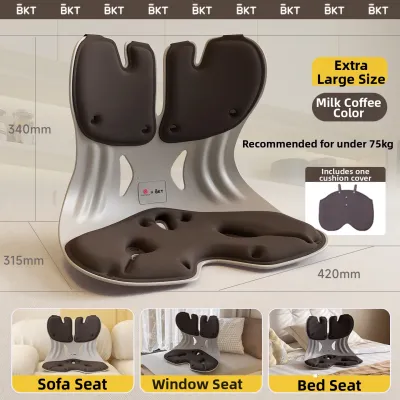
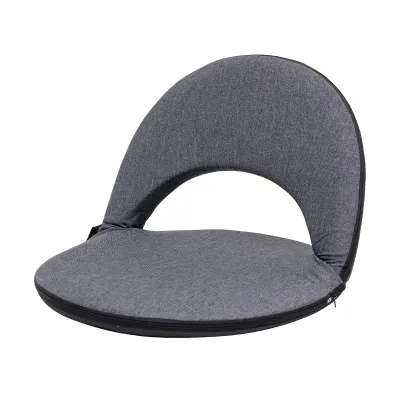



Prices are valid at publication and may change. Please refer to the product page for the latest price.
The core ergonomic objective of any breastfeeding setup is simple: bring the baby up to the level of the breast, rather than lowering your torso to meet the baby. Hunching or leaning forward even slightly forces your spinal muscles to work overtime against gravity, leading to rapid fatigue and muscle tightness. Over time, this poor alignment can contribute to more severe postural imbalances.
It is vital to recognize early warning signs before they develop into chronic issues. If you experience numbness or tingling in your fingers, a persistent dull ache in your lower back, or sharp tension between your shoulder blades, these are clear signals to stop, rest, and adjust your setup. If discomfort or pain persists despite adjusting your posture, consult a healthcare professional or a certified lactation consultant for personalized guidance.
Choosing a Supportive Breast Feeding Chair for Long Sessions
A dedicated breast feeding chair serves as the foundation of your nursing station, and selecting the right model requires looking beyond aesthetics. Begin by evaluating the physical dimensions of the chair, starting with the seat depth. A seat that is too deep will prevent your back from reaching the lumbar support, while a seat that is too shallow will leave your thighs unsupported and place extra pressure on your knees.

The backrest should be tall enough to support your entire spine, ideally allowing you to rest your head during late-night feeds. Pay close attention to the armrests; they should position your elbows naturally at a comfortable angle, allowing your shoulders to remain relaxed and dropped rather than shrugged upward. If the armrests are too high or too low, your upper body will constantly tense to compensate.
Cushioning is another critical factor for long-term comfort. While a plush, sink-in armchair might feel cozy initially, it often lacks the structural integrity needed for nursing. Look for firm, high-density foam cushioning that supports your weight evenly and maintains proper pelvic alignment, making it easier to stand up safely while holding a sleeping baby.
Safety and mechanical stability are paramount when selecting nursery furniture. Always check the manufacturer’s specified weight limits and verify that the chair features a wide, stable base that resists tipping. If the chair includes a reclining or gliding mechanism, ensure the controls are easy to reach and operate quietly without sudden, jarring movements that could startle a sleeping infant.
Given Singapore’s warm and humid climate, fabric selection is highly practical. Opt for breathable, natural fibers or high-quality performance fabrics that resist heat retention and are easy to spot-clean. Smooth upholstery is also preferable, as textured fabrics or exposed decorative elements can snag on delicate baby clothing or irritate sensitive infant skin.
Pairing Your Nursing Pillow with the Chair's Dimensions
A nursing pillow acts as the bridge between your lap and your baby, but its effectiveness depends entirely on how well it fits within your chosen chair. Compare common pillow shapes—such as C-shaped, U-shaped, or full wrap-around designs—against the interior width of your chair’s seat. A pillow that is too wide will bunch up against the armrests, pushing the baby away from your body, while a narrow pillow might not offer sufficient lateral support.
Pillow firmness is crucial for maintaining the correct feeding height over time. The pillow must be firm enough to support your baby’s weight without collapsing or sagging, which would force you to lean forward to maintain the latch. When testing a pillow, press down on the center to ensure it springs back quickly and holds its shape under gentle pressure.
Fastening mechanisms, such as adjustable straps or silent-release buckles, help keep the pillow securely wrapped around your waist. This prevents the pillow from shifting forward or sliding away during a feed. Ensure the strap can be adjusted easily with one hand and does not restrict your breathing or press uncomfortably against your abdomen, especially if you are recovering from a cesarean delivery.
Always check the manufacturer’s care labels to verify that the pillow features a removable, machine-washable cover. Because spills and spit-ups are inevitable, a cover that is easy to zip off and wash is essential for maintaining hygiene. Look for hypoallergenic fillings and verify safety standards on the product packaging to ensure the materials are safe for direct contact with your infant’s skin.
Assembling Your Nursing Station: A Step-by-Step Guide
Setting up your station systematically ensures that everything you need is within reach before you sit down with your baby. Start by positioning your breast feeding chair in a well-ventilated, draft-free area of the room, away from direct air conditioning vents. Place a stable footrest or low ottoman in front of the chair; elevating your knees slightly higher than your hips helps tilt your pelvis backward, naturally relieving pressure on your lower spine.
Before bringing your baby to the station, sit back fully in the chair to establish complete contact with the backrest. Your lower back should feel firmly supported, with no empty space behind your lumbar spine. If the chair’s built-in support feels insufficient, place a small, firm lumbar roll or a folded blanket behind your lower back to fill the gap.
Once seated comfortably, place the nursing pillow across your lap and secure any waist straps. If you find that the pillow does not raise your baby high enough—perhaps because the chair’s armrests are low or your torso is long—do not lean down. Instead, place an additional firm cushion or a folded towel underneath the nursing pillow to elevate it to the correct height.
Finally, organize your immediate surroundings to minimize the need for twisting or stretching during a feed. Set up a small side table within easy arm’s reach of your non-dominant hand. Stock this table with a large bottle of water, nutritious snacks, clean burp cloths, extra breast pads, and your phone or a book. Keeping these items close prevents sudden movements that could disrupt your baby’s latch or strain your back.
Checking Your Posture and Preventing Muscle Strain
Developing a habit of self-assessing your posture during each feeding session can prevent long-term physical strain. Once your baby is positioned, perform a quick head-to-toe check. Ensure your ears are aligned directly over your shoulders, your shoulders are relaxed and down, and your feet are resting flat on the floor or the footrest.
Pay close attention to how your baby is positioned on the pillow. The baby should be turned fully toward your body, chest-to-chest, so they do not have to turn their head to latch. If you find yourself tilting your head down or rounding your shoulders to maintain the latch, gently adjust the baby’s position or raise the pillow slightly rather than moving your own body.
Monitor your arms and hands for any signs of poor circulation or nerve compression, such as coldness, tingling, or weakness. If you feel tension in your wrists, it may indicate that you are carrying too much of the baby’s weight instead of letting the pillow do the work. Adjust the height of the chair’s armrests or slide a small cushion under your elbow to relieve this pressure.
To distribute the physical load evenly across your body, vary your feeding positions and switch sides regularly. Alternating between a cradle hold, cross-cradle hold, or football hold changes the muscle groups being utilized and prevents repetitive strain. If you experience persistent pain or difficulty finding a comfortable position, stop and consult a qualified lactation consultant or physical therapist.
Frequently Asked Questions (FAQ)
Can I use a regular sofa instead of a dedicated breast feeding chair?
While it is possible to use a standard living room sofa, most sofas are designed for deep lounging rather than active, upright support. Deep, soft cushions can cause your pelvis to tilt backward, rounding your spine and making it difficult to maintain an ergonomic posture. Additionally, low or wide sofa armrests rarely provide the correct support for your elbows during a feed.
If you must use a sofa, you can compensate for these structural limitations by using firm throw pillows and rolled towels. Place a firm pillow behind your back to shorten the seat depth and keep your spine upright. Slide rolled towels or smaller cushions under your elbows to raise your arms to a comfortable 90-degree angle.
Always sit near the edge of a firm section of the sofa if possible, ensuring your feet can rest flat on the floor. Avoid sinking into deep, plush corners that make it difficult to stand up safely while holding your baby.
How do I know if my nursing pillow is too high or too low?
An improperly positioned nursing pillow can quickly lead to latch issues or physical discomfort. If your nursing pillow is too low, you will find yourself hunching forward, rounding your shoulders, or using your arms to pull the baby upward. This posture rapidly fatigues your neck and upper back muscles.
Conversely, if the pillow is too high, your baby’s chin may be pressed awkwardly down toward their chest, which can restrict their swallowing or cause a shallow, painful latch. You might also find yourself shrugging your shoulders upward to accommodate the extra height, leading to tension in your neck.
To fine-tune the elevation safely, use flat, folded blankets or adjustable pillow ties to raise or lower the support. The ideal height allows your baby’s nose to align naturally with your nipple when you are sitting fully upright and relaxed.
Community discussion
Share your experience or ask a question. Comments are reviewed before publication.