
Choosing the right changing mat for your newborn in Singapore involves balancing safety, space, and hygiene. With the tropical climate’s high humidity and the compact layout of many local homes, a changing mat is not just a soft surface but a critical daily utility. The ideal brand for your family will depend on whether you are setting up a dedicated nursery dresser or need a flexible, space-saving solution that can be tucked away when not in use. By focusing on verifiable safety standards, material resilience, and practical design, you can confidently select a changing mat that keeps your baby secure and comfortable.
Key Factors for Evaluating Changing Mat Brands
When evaluating different changing mat brands, safety features should always be your primary consideration. Look for products that clearly state their safety certifications on the packaging or manufacturer website. High-quality brands often feature integrated restraint straps with secure buckles to help keep your infant positioned in the center of the mat. Additionally, because your baby’s sensitive skin will come into direct contact with the surface, it is essential to verify that the materials used are non-toxic. Look for labels indicating that the mat is free from harmful phthalates, lead, and flame retardants, and check for recognized textile certifications such as OEKO-TEX or GREENGUARD Gold.
Material durability and hygiene management are equally vital, especially in Singapore’s warm and humid environment. Changing mats generally fall into two categories: wipeable waterproof surfaces and mats with removable, machine-washable fabric covers. Wipeable surfaces, often made from polyurethane or water-resistant polyester, allow for immediate sanitization after a messy diaper change, preventing liquids from soaking into the inner cushioning. On the other hand, fabric covers offer a softer, warmer feel against the baby’s skin but require frequent laundering. If you opt for a brand that utilizes fabric covers, ensure the underlying foam is fully protected by a waterproof barrier to prevent moisture from trapping inside, which can lead to bacterial growth.
Products mentioned in this guide
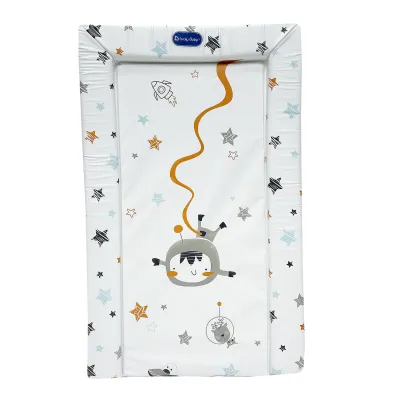
![[SG Ready Stock] Portable Baby Reversible Changing Reusable Washable Waterproof Travel Mat Diaper Pad [Little Gems]](https://img.lazcdn.com/g/p/2fd3237e65a47e6fed3b575c2546a5e4.jpg_400x400q80.jpg_.webp)
![[3 for $9.90] Waterproof Reusable Baby Diaper Changing Mats 50x70cm Pads For Nappy Change Sleep Travel Friendly](https://img.lazcdn.com/g/p/45fe80dd4dd5a3c3d9dd3dfc78ab64af.png_400x400q80.png_.webp)
![[Local Shop] Waterproof Portable Newborn Baby Diaper Changing Pad for travel](https://img.lazcdn.com/g/p/a58422e4867125cb78cd42c4dbd1d2db.jpg_400x400q80.jpg_.webp)
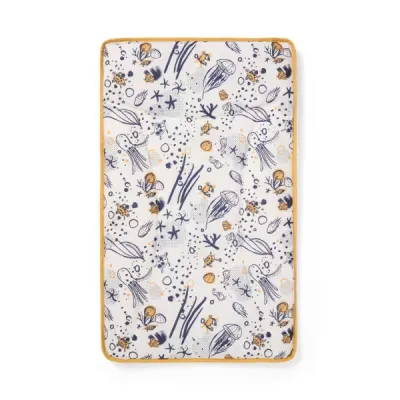
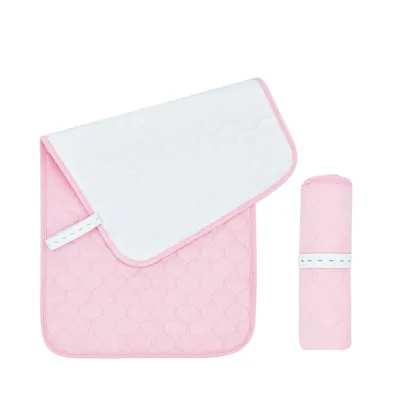
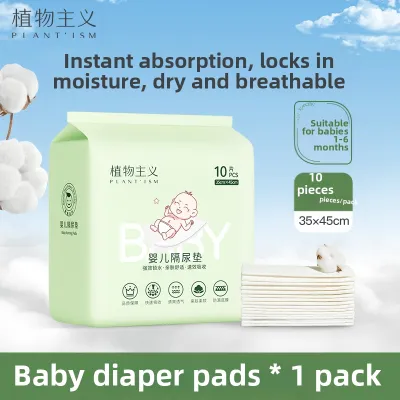
![[SG Seller]Disposable Sheet/baby changing pad/Underpads/maternity pad/diaper changing pad/Pet pad/diaper changing pad](https://img.lazcdn.com/g/p/1e18d5044cc6a8981a574358039de40b.png_400x400q80.png_.webp)
Prices are valid at publication and may change. Please refer to the product page for the latest price.
Ergonomic design plays a significant role in both comfort and safety during diaper changes. Many reputable brands design their mats with contoured edges or raised sides, creating a gentle wedge shape that naturally cradles your newborn. These raised borders provide a physical barrier that helps prevent your baby from easily rolling over. When comparing brands, observe the height and firmness of these contoured edges; they should be sturdy enough to retain their shape under pressure rather than flattening out completely when your baby leans against them.
Matching Mat Types to Your Nursery and Lifestyle
Selecting the right changing mat format requires a realistic assessment of your home’s layout and your daily routine. For families who have dedicated a specific area of the nursery to diaper changes, a contoured dresser-top mat is often the most practical choice. These mats are designed to sit permanently on top of a chest of drawers, a changing table, or a sturdy dresser. They are typically heavier and feature non-slip bottom surfaces or attachment straps to anchor them securely to the furniture. This setup provides a highly stable, waist-height station that minimizes strain on your back during the dozens of diaper changes you will perform each week.

If you are living in a compact apartment, such as a typical Singaporean HDB flat, or if you travel frequently, a portable or foldable changing mat may be more suitable. Portable mats are lightweight, highly flexible, and designed to be rolled or folded into a compact size that fits easily into a diaper bag. Some models even feature integrated pockets for holding wipes and spare diapers, turning any flat surface—such as a bed, a floor, or a public changing station—into a clean space for your baby. While portable mats lack the thick cushioning and high contoured walls of dresser-top models, their convenience and space-saving design make them indispensable for families on the go.
When deciding between different models, consider the trade-offs between thick foam padding and firmer, low-profile surfaces. Thick foam padding offers excellent comfort and support for your infant, making the changing experience more pleasant. However, extremely plush foam can sometimes make it more challenging to maintain a firm, level grip during quick diaper changes, and it may take longer to dry if washed. Conversely, firmer surfaces provide superior stability and are often easier to wipe clean instantly, though they may feel less cozy to a newborn. Many parents find a middle ground by choosing a firm, contoured foam mat and layering it with a soft, breathable, and easily washable liner.
How to Compare Brands Available in Singapore
To make an informed purchase from local baby specialty stores or online retailers, you need a structured framework for comparing brands. Start by carefully checking the manufacturer’s technical specifications for each model. Pay close attention to the maximum weight limits and recommended age ranges, as some lightweight mats are only suitable for the first few months of life, while sturdier, larger models can accommodate toddlers up to 15 kilograms. Additionally, verify the physical dimensions of the mat to ensure it fits perfectly on your existing changing table or dresser without overhanging the edges, which could compromise stability.
Evaluating the financial aspect involves looking beyond the initial price tag to assess the overall price-to-value ratio. While budget-friendly options are widely available, investing a bit more in a premium brand often yields better durability, superior materials, and longer usability. In Singapore, changing mats can range from under S$20 for basic travel mats to over S$150 for high-end, ergonomically molded polyurethane models. Consider the warranty terms and return policies offered by local distributors; a brand that stands behind its product with a solid warranty provides peace of mind, ensuring you can obtain a replacement if the waterproof seams split or the foam degrades prematurely.
Before finalizing your decision, leverage the wealth of feedback available in verified customer reviews on reputable local ecommerce platforms and parenting forums. Look specifically for comments regarding real-world durability, ease of cleaning, and how well the mat holds up after months of daily use. Pay attention to any recurring complaints about lingering chemical odors, staining from diaper creams, or seams that fray after a few washes. Real-world feedback from other parents in Singapore can give you a clear indication of how a changing mat performs under local climate conditions.
Safety Checks and Maintenance for Long-Term Use
Regardless of the brand or model you choose, maintaining strict safety protocols during diaper changes is paramount. Never leave your baby unattended on a changing mat, even for a single second. Infants can develop the ability to roll over unexpectedly, and even a highly contoured mat with raised edges cannot replace the active supervision of a caregiver. Always keep one hand on your baby during the entire changing process, and ensure that all necessary supplies—such as clean diapers, wipes, and creams—are within your arm’s reach before you place your baby on the mat. If your mat includes a safety strap, fasten it snugly but comfortably around your baby’s torso as an additional layer of security, but do not rely on it as a substitute for your direct attention.
Proper maintenance is essential to preserve the structural integrity of your changing mat and prevent the buildup of bacteria or mold. Always adhere strictly to the cleaning instructions printed on the manufacturer’s care label. For waterproof, wipeable mats, use mild, baby-safe soap and warm water for daily cleaning, and avoid harsh chemical disinfectants or abrasive scrubbing pads that can strip away the protective waterproof coating. In Singapore’s humid climate, ensuring that the mat is completely dry before storing it or putting a fabric cover back on is critical. Trapped moisture between a damp mat and a cover can quickly lead to mold growth, which poses a health risk to your newborn.
Regularly inspect your changing mat for visible signs of wear and tear to ensure it remains safe for continued use. Over time, frequent cleaning and exposure to moisture can cause waterproof layers to crack, seams to peel, or fabric covers to tear. If you notice any exposed inner foam, cracked plastic, or compromised stitching, it is time to replace the mat immediately. Damaged areas can trap bacteria, moisture, and dirt, making it impossible to sanitize the surface effectively. By performing these simple checks and maintaining a consistent cleaning routine, you can ensure your changing mat remains a safe, hygienic, and comfortable space for your baby.
Frequently Asked Questions (FAQ)
Do I need a contoured changing mat for a newborn?
While a contoured changing mat is not strictly mandatory, it is highly recommended for newborns due to the added security and comfort it provides. The raised, sloped edges of a contoured mat help keep your baby centered, reducing the likelihood of lateral movement during diaper changes. This design is particularly helpful during the early months when babies are prone to sudden startle reflexes. However, these raised edges are physical boundaries and do not replace the need for constant caregiver supervision. If you have limited space or travel frequently, a flat, foldable mat may be a more practical and versatile option, provided you always change your baby on a secure, flat surface at ground level or on a stable table while maintaining a firm grip on your child.
How do I clean a fabric changing mat cover?
To clean a fabric changing mat cover safely, always refer to the manufacturer’s care label for specific washing instructions, including recommended water temperatures and drying settings. Generally, fabric covers should be washed in warm water with a mild, hypoallergenic baby detergent to remove bacteria and stains without irritating your newborn’s skin. Avoid using fabric softeners or bleach, as these can degrade the fabric fibers and reduce the effectiveness of any water-resistant coatings. After washing, ensure the cover is completely dry before placing it back over the inner foam mat. In Singapore’s humid environment, line drying in a well-ventilated area or using a low-temperature dryer setting is essential to prevent any lingering dampness, which can encourage mold and mildew growth inside the mat assembly.

Community discussion
Share your experience or ask a question. Comments are reviewed before publication.