
To put a baby shower cap on without causing struggling or slipping, you must prepare a slip-free bath environment, stretch the cap beforehand to minimize sensory shock, and apply it from back to front while keeping your baby physically supported and distracted. A baby shower cap is an excellent tool to keep water and soap out of sensitive eyes, but if applied incorrectly, it can trigger a startle reflex. This sudden movement in a wet, soapy tub poses a significant slipping hazard.
By mastering the correct preparation, positioning, and application techniques, you can transform bath time into a calm, cooperative, and safe routine for both you and your little one. In warm climates like Singapore, where daily baths are a staple routine to keep infants clean and comfortable, establishing a stress-free washing method is essential for long-term bathroom safety.
Understanding Why Babies Resist Shower Caps and Slip
Babies experience the world with heightened sensitivity, making the bathroom a highly stimulating environment. The sudden introduction of a tight, unfamiliar band around their head can easily trigger sensory overload. This discomfort is often amplified by the physical sensations unique to bath time, such as the feeling of water pooling near their eyes or the amplified, echoing sounds of running water bouncing off hard bathroom tiles.
Products mentioned in this guide
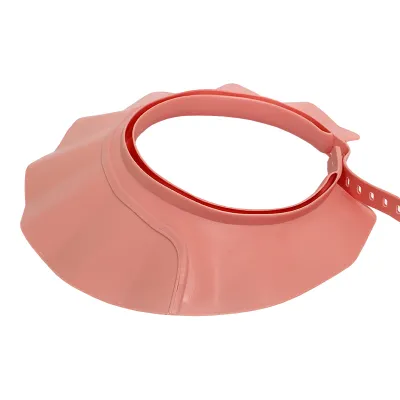
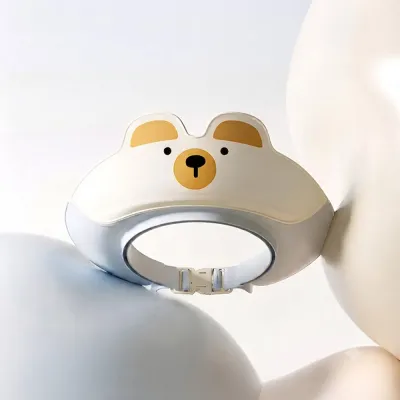
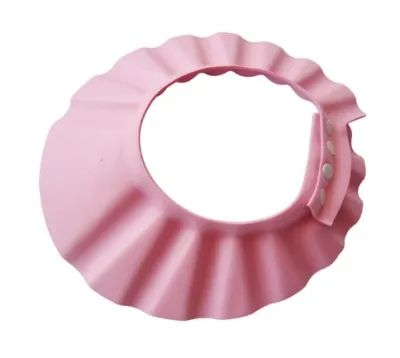
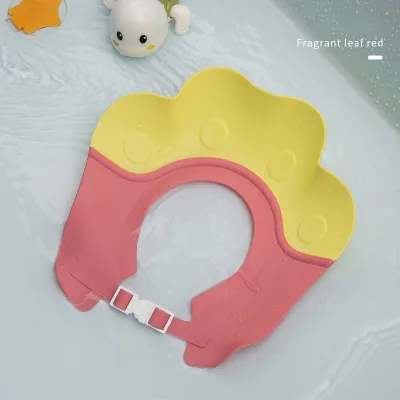
![[SG STOCK] Adjustable Baby Shampoo Bath Shower Cap Hat For Babies Kids and Children Wash Hair Shield Face](https://img.lazcdn.com/g/p/e04506701bf872b31da4074345285ca5.jpg_400x400q80.jpg_.webp)
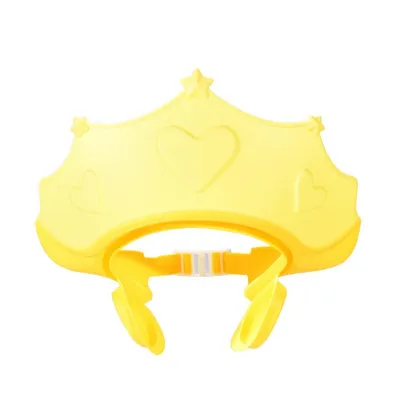


Prices are valid at publication and may change. Please refer to the product page for the latest price.
When a baby feels overwhelmed or restricted by a tight elastic band, their natural instinct is to resist, pull away, or frantically reach up to yank the cap off. These sudden, jerky movements immediately compromise their physical stability in a wet, slippery tub.
The physics of a baby slipping often trace back to this sudden startle reflex or panic response. When a baby arches their back or twists their torso to escape the cap, their center of gravity shifts rapidly, making it incredibly easy for their bottom to slide on soapy surfaces. Understanding that this resistance is a physical and sensory reaction helps you approach the task with the necessary patience and safety precautions. A calm, relaxed baby is the absolute foundation of a slip-free, secure bath environment.
Essential Bath Setup to Prevent Slipping and Struggling
Preventing slips begins long before the baby shower cap ever touches your child’s head. Your first line of defense is securing the physical tub space by placing a high-quality, textured non-slip bath mat or specialized silicone tub grips along the bottom of the bath. This simple addition provides the necessary traction for your baby’s bottom and feet, keeping them anchored even if they make sudden movements.

Next, prepare the shower cap itself to minimize the initial sensory impact. Many silicone or plastic caps feature elastic bands that can feel incredibly tight and intimidating when first placed on a small head. Take a moment to pre-stretch the cap’s band gently with both hands, expanding it several times to soften the initial tension before you approach your baby.
Organization is equally critical for maintaining physical control during the bath. Ensure that a dry towel, a rinsing cup, mild baby shampoo, and a few of your child’s favorite bath toys are placed within arm’s reach. This prevents you from ever having to let go of your baby or turn your back to grab a forgotten item, which is a major cause of bathroom accidents.
Finally, always check the water temperature using a bath thermometer or the inside of your wrist to ensure it is comfortably warm, around 37 to 38 degrees Celsius. Water that is slightly too cold or too hot can cause thermal shock, triggering a sudden flinch that leads to immediate slipping and crying.
Step-by-Step: How to Put on a Baby Shower Cap Smoothly
Positioning Your Baby Securely
Before attempting to apply the cap, ensure your baby is in a physically stable and supportive position. If your baby is still developing independent sitting balance, support their neck and back firmly with your non-dominant arm, cradling them securely against your body. For older babies who can sit upright, ensure they are seated squarely on the textured non-slip mat with their legs extended forward.
Maintain continuous, gentle physical contact to reassure them of their safety. Speak to your baby in a low, soothing, and cheerful voice throughout this process, explaining what you are doing in a relaxed tone. Your calm demeanor acts as a powerful emotional anchor, preventing the early rise of anxiety that leads to physical resistance.
Stretching and Placing the Cap
To apply the baby shower cap without pulling on delicate hair or scraping their face, you must use both hands to stretch the opening wide. Hold the cap firmly, expanding the band so that it is significantly larger than your baby’s head circumference. Approach your baby from behind or from the side to avoid blockading their line of vision, which can cause immediate panic.
Gently anchor the back of the cap’s band at the nape of your baby’s neck first. Using a smooth, rolling motion, bring the front of the cap forward over the top of their head and position the front band gently on their forehead. Ensure the front brim sits comfortably above their eyebrows, keeping their eyes completely unobstructed so they can see you and their surroundings clearly.
Adjusting the Brim and Seal
Once the cap is resting on the head, you must finalize its position to ensure a waterproof seal and maximum comfort. Gently flip the waterproof brim outward or downward, depending on the specific manufacturer design, to create an effective gutter that will channel water away from the face.
Carefully run your index finger along the entire inner edge of the elastic band to verify that no fine baby hair is caught or pinched underneath, which can cause painful pulling. Additionally, check that your baby’s ears are not uncomfortably folded or pressed downward by the band. If the cap design allows, position the ear flaps smoothly over or around the ears to protect them from water entry without causing physical pressure.
Proven Techniques to Keep Your Baby Calm in the Tub
Keeping your baby distracted and happy once the cap is on is the best way to prevent sudden, dangerous movements. One highly effective strategy is the “pour and praise” method. Start by pouring a small, gentle stream of water over the top of the cap using a colorful rinsing cup, while maintaining direct eye contact and offering enthusiastic praise. When your baby realizes that the water is successfully diverted away from their eyes and nose, their confidence will build, and they will naturally relax.
You can also introduce highly engaging, mirror-safe bath toys that stick to the side of the tub or tiles. A small, unbreakable bath mirror allows your baby to look at their own reflection with the cap on, turning a potentially scary object into a source of entertainment and curiosity. Alternatively, establish a familiar bath-time singing routine, using repetitive, rhythmic songs to soothe their nervous system.
Always avoid making sudden splashes, rapid movements, or loud noises in the bathroom, as these can easily trigger the startle reflex, causing your baby to slip backward or lose their footing. Remember that babies are incredibly perceptive and easily mirror the emotions of their caregivers. If you are tense, hurried, or anxious about putting on the cap, your baby will sense this tension and respond with resistance. Keep your own shoulders relaxed, breathe deeply, and approach the task as a playful, stress-free game.
How to Verify the Fit and Prevent Water Leaks
A baby shower cap can only protect your child if it fits correctly, but it must never be so tight that it restricts circulation or causes physical distress. Perform a quick visual and tactile check immediately after application. The elastic band should sit completely flat against your baby’s skin around the entire circumference of the head. Look closely to ensure there are no gaps where water could seep through, and check that the material is not digging deeply into the skin.
To test the tension safely, gently slide the tip of your pinky finger under the edge of the band. It should feel snug enough to stay in place but loose enough to allow your finger to slide through with minimal resistance. Next, perform a small, controlled test pour of clean water over the back of your baby’s head. Observe the flow of the water carefully: it should run smoothly off the brim and away from the face.
If you notice water consistently leaking onto their forehead or sliding down into their eyes, or if the cap begins to slip downward over their eyebrows, the fit is incorrect. In these cases, remove the cap and adjust the sizing mechanism, or select a different model that is better suited to your baby’s current head measurements.
When to Stop the Bath and Try Again Later
Your baby’s physical safety and emotional well-being must always take precedence over completing a hair wash. It is vital to recognize clear red flags that indicate your baby has reached their limit. If your baby begins crying hysterically, arching their back violently, or making repeated, frantic attempts to climb out of the tub, stop trying to adjust or use the cap immediately.
Forcing a shower cap onto a highly distressed, panicking baby significantly increases the risk of them slipping out of your hands, falling, or inhaling water. When these warning signs occur, execute a calm and graceful exit strategy. Gently remove the shower cap and set it completely out of sight.
Instead of pouring water, use a soft, damp washcloth to gently wipe down their hair and scalp, which is a much less threatening sensation. Rinse them quickly and lift them safely out of the tub, wrapping them in a warm towel. Ending the bath on a positive, comforting note prevents the development of long-term bath aversion, ensuring they will be more receptive to trying again during a future bath.
Frequently Asked Questions (FAQ)
At what age can a baby start wearing a shower cap?
Generally, babies can begin wearing a baby shower cap once they have developed strong head and neck control and are able to sit upright in the tub independently. This developmental milestone typically occurs around six months of age. However, age alone does not guarantee a safe fit. Always verify the manufacturer’s specific age, weight, and head circumference guidelines printed on the product packaging before use, and never leave your baby unsupervised in the bath.
What should I do if the shower cap leaves red marks on my baby's forehead?
Faint, temporary pink marks that fade within a few minutes after the bath are common and usually harmless. However, if the cap leaves deep, persistent red indentations or causes obvious skin irritation, the cap is too tight or poorly sized. You must remove the cap immediately and check the skin for any signs of prolonged irritation. For future baths, look for a baby shower cap with adjustable silicone straps, or transition to a larger size that accommodates your baby’s growing head circumference comfortably. If skin irritation or redness persists, consult a qualified healthcare professional or pediatrician.
Community discussion
Share your experience or ask a question. Comments are reviewed before publication.