
Using cotton balls safely during baby bathing and diaper changes requires a gentle touch, clean water, and strict adherence to hygienic practices. Because newborn skin is exceptionally thin and highly permeable, standard cleaning routines must prioritize minimizing friction and preventing cross-contamination. The safest approach involves using a fresh, water-dampened cotton ball for every single wipe, sweeping in a single direction, and restricting use entirely to the external surfaces of your baby’s body.
By establishing a methodical routine, you can keep your baby clean while protecting their delicate skin barrier. This guide outlines how to select the right materials, execute step-by-step cleaning techniques for diaper changes and baths, and identify key safety boundaries to prevent irritation or infection.
Understanding the Role of Cotton Balls in Baby Grooming
Pure cotton is highly valued in infant care because of its softness and low potential for skin irritation. A newborn baby’s skin barrier is still developing, making it highly susceptible to the synthetic fibers, alcohol, and preservatives often found in commercial pre-moistened wipes. High-quality cotton provides a soft, non-abrasive surface that cleanses effectively when paired with plain, warm water.
Products mentioned in this guide
![[Ready Stock] Baebear Cotton Balls (100pcs/Bag) | Pigeon | Cubble | Disposable degreasing and cleaning baby cotton ball](https://img.lazcdn.com/g/p/f4bb2a72a4ca1032f0fa83e727ae3209.jpg_400x400q80.jpg_.webp)
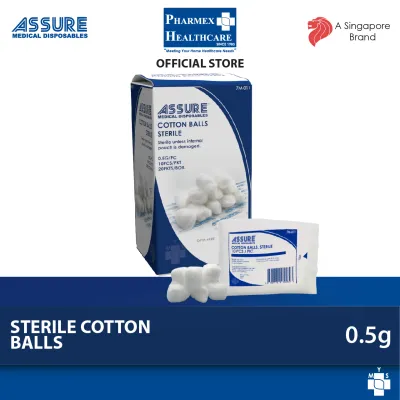
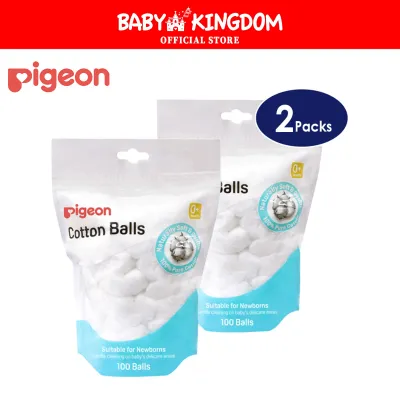
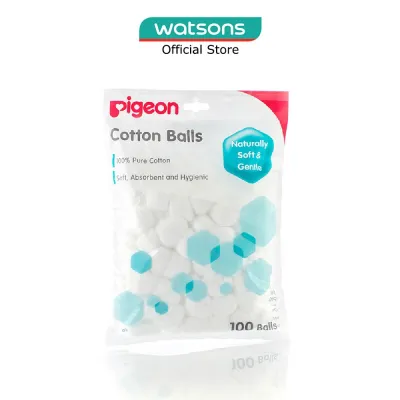
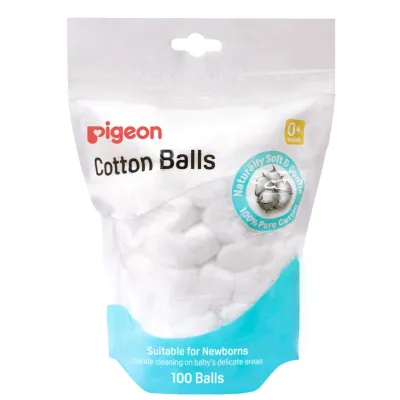
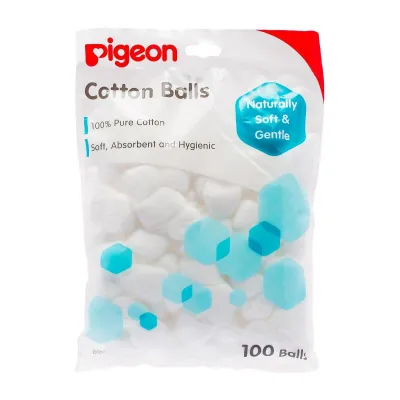
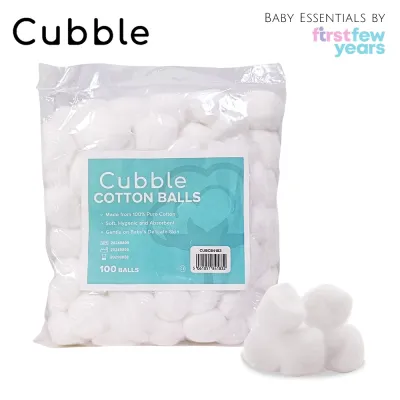
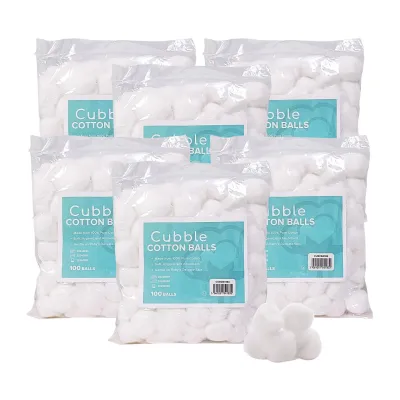
Prices are valid at publication and may change. Please refer to the product page for the latest price.
However, cotton balls must only be used for cleaning external skin surfaces. You must never insert a cotton ball, cotton-tipped swab, or any other grooming tool into your baby’s ear canals, deep into their nostrils, or inside the genital tract. Doing so can push debris or wax deeper, cause micro-tears in delicate tissues, or leave behind loose fibers that can lead to irritation or infection.
It is also important to distinguish between routine daily grooming and specialized medical care. While cotton balls are excellent for general hygiene, specific issues like cleaning an umbilical cord stump, caring for a circumcision, or managing a skin infection require direct guidance from your pediatrician. Always consult a healthcare professional for medical cleaning protocols rather than relying on standard grooming steps.
Preparing Your Supplies: Choosing the Right Cotton Balls
When shopping for baby grooming supplies, look for cotton balls made from 100% pure cotton. Opt for unbleached, low-lint or lint-free varieties to minimize the risk of fine fibers breaking off and sticking to your baby’s skin. You should verify the product packaging for any safety certifications, such as OEKO-TEX standards, which indicate the product has been tested for harmful substances.

Always check product labels carefully to ensure the cotton balls do not contain added fragrances, lotions, or chemical binders. These additives are unnecessary for basic cleaning and can trigger contact dermatitis or flare-ups of eczema on sensitive infant skin. Unless specifically prescribed by a pediatrician, plain, untreated cotton is always the safest choice.
Before you begin bathing or diapering, gather all necessary supplies and place them within arm’s reach of your changing table or bath area. You will need a bowl of clean, warm water (ideally water that has been boiled and allowed to cool to a lukewarm temperature), a fresh stack of cotton balls, a clean towel, and a dedicated disposal bin. Having everything nearby ensures you never have to leave your baby unattended, even for a split second, which is a critical safety rule in infant care.
Prior to touching the cotton balls or your baby, wash your hands thoroughly with soap and water for at least 20 seconds. Clean hands prevent the transfer of household bacteria and viruses to your baby’s highly sensitive skin and mucosal surfaces.
Step-by-Step Guide: Using Cotton Balls During Diaper Changes
In Singapore’s warm and humid climate, sweat and moisture can quickly mix with urine and stool, leading to rapid skin breakdown and painful diaper rash. Using cotton balls and warm water is one of the gentlest ways to cleanse the diaper area during the first few weeks of life.
Cleaning the Front and Genital Area
When cleaning the genital area, you must always wipe from front to back. This rule is especially critical for baby girls, as wiping from back to front can transport fecal bacteria, such as E. coli, from the anal area into the urethra, significantly increasing the risk of a urinary tract infection.
Use a fresh, water-dampened cotton ball for every single wipe. Once a cotton ball has touched the baby’s skin, discard it immediately. Never double-dip a used cotton ball back into your clean bowl of water, as this contaminates the entire water supply and spreads bacteria back onto your baby during subsequent wipes.
Apply a very gentle dabbing or light sweeping motion rather than dragging the cotton ball across the skin. Excessive friction can cause micro-tears in the delicate genital skin, making it highly vulnerable to chemical irritation from urine and subsequent bacterial or fungal infections.
Cleaning the Bottom and Skin Creases
To clean the buttocks and lower back, gently lift your baby’s legs by grasping their ankles securely with one hand, keeping an index finger between their ankles to prevent uncomfortable rubbing. This position gives you clear access to the entire diaper zone.
Carefully wipe inside the deep skin creases of the thighs and groin. These folds are prime areas for moisture, urine, and fecal matter to accumulate, which can quickly cause chafing or yeast infections if left uncleaned. Use a fresh, damp cotton ball for each crease, sweeping gently outward from the fold.
Once the area is completely clean, pat the skin entirely dry with a clean, soft towel or a dry cotton pad. Never apply barrier creams or put on a fresh diaper while the skin is still damp. Trapping moisture against the skin under a synthetic diaper is the primary catalyst for diaper rash.
Step-by-Step Guide: Using Cotton Balls During Baby Bathing
Bath time is an excellent opportunity to clean the delicate areas of your baby’s face and upper body. Because these areas are highly sensitive, using cotton balls allows for targeted, gentle cleansing without the need for harsh soaps.
Washing the Eyes and Face
For the eye area, use only plain, warm water. Do not add any baby soap, baby wash, or liquid cleansers to the water, as these can easily irritate the eyes and cause tearing or redness.
To clean the eyes, gently wipe a damp cotton ball from the inner corner of the eye (nearest the nose) to the outer corner. This direction follows the natural drainage of the eye and helps clear away any accumulated mucus or sleep crusting safely.
Use a strictly separate, fresh cotton ball for each eye. If you use the same cotton ball on both eyes, you risk transferring bacteria or viral pathogens from one eye to the other, which can spread conditions like conjunctivitis (pink eye) or worsen a blocked tear duct. Once the eyes are clean, use a fresh, dry cotton ball or a soft cloth to gently pat the face dry without rubbing.
Cleaning the Neck, Ears, and Skin Folds
Infants frequently spit up milk, which can easily pool in the deep folds of the neck and under the chin. If left uncleaned, this milk can sour, leading to severe skin irritation, redness, and an unpleasant odor. Gently stretch open the neck folds and wipe them clean with a damp cotton ball.
When cleaning the ears, focus entirely on the outer ear (the pinna) and the skin directly behind the ear. Never insert a cotton ball or any cotton-tipped applicator into the ear canal itself. The ear canal is self-cleaning, and inserting objects can pack earwax tightly against the eardrum or cause physical trauma to the delicate inner structures.
After wiping down the neck, ears, and underarms, conduct a final visual check of all skin creases. Ensure that no tiny cotton fibers or lint have been left behind. In humid conditions, these stray fibers can roll into tight threads, trapping moisture and causing friction burns or localized skin infections.
Common Mistakes and Safety Warnings to Prevent Irritation
One of the most common errors caregivers make is the “double-dip” mistake. Dipping a used cotton ball back into the clean water bowl introduces bacteria from the diaper area or face into the water, rendering the entire bowl unhygienic. Always discard used cotton immediately and use a new one for the next wipe.
Avoid applying excessive friction. It can be tempting to scrub at dried stool or sticky residue, but doing so strips away the natural lipids of your baby’s skin barrier. Instead, hold a wet cotton ball gently over the dried area for a few seconds to soften the residue, then sweep it away lightly.
Be mindful of lint residue. Lower-quality cotton balls often shed fine fibers when wet. If these fibers are left in the groin, neck, or armpits, they act as small sponges that trap sweat and bacteria against the skin. Always inspect your baby’s skin folds after cleaning and gently remove any visible fibers.
Never soak cotton balls in unverified home remedies, essential oils, or adult skincare products. A baby’s skin is highly absorbent, and substances like tea tree oil, lavender oil, or scented lotions can cause severe allergic contact dermatitis, chemical burns, or systemic reactions. Stick to plain, warm water unless a pediatrician has explicitly instructed otherwise.
If a cotton ball begins to break apart or shred during use, stop immediately. Carefully pick off any loose cotton pieces from your baby’s skin, discard the damaged cotton ball, and switch to a high-quality, intact cotton ball to finish the cleaning process.
When to Stop and Seek Professional Advice
While routine cleaning with cotton balls is highly effective, you must monitor your baby’s skin and eyes for signs of infection or severe irritation. Stop home grooming and consult a pediatrician or healthcare professional immediately if you observe any of the following red flags:
- Eye Issues: Persistent yellow, green, or white discharge from one or both eyes; swelling of the eyelids; redness in the whites of the eyes; or crusting that makes it difficult for your baby to open their eyes upon waking.
- Diaper Area Warnings: A bright red rash with distinct red spots (satellite lesions) which may indicate a yeast infection; bleeding, open sores, or blisters; severe swelling; or a diaper rash that does not improve after three days of meticulous drying and barrier cream application.
- Ear Warnings: Any fluid, pus, or foul-smelling drainage coming from inside the ear canal, or if your baby cries or pulls away in pain when you gently touch their outer ear.
- Skin Sensitivities: If your baby exhibits localized redness, hives, or persistent itching in the exact areas where cotton balls are used, they may have an extreme sensitivity to the cotton fibers or a chemical used in the manufacturing process. In such cases, stop using cotton balls and consult your doctor about alternative cleaning options, such as reusable, organic bamboo washcloths.
Frequently Asked Questions (FAQ)
Are cotton pads better than cotton balls for baby care?
Cotton pads and cotton balls each have distinct advantages, and many parents choose to keep both in their baby grooming kit. Cotton pads are generally flatter, more tightly woven, and undergo a manufacturing process that makes them highly resistant to shedding lint. This makes cotton pads highly preferable for precision cleaning around the eyes, face, and outer ears where stray fibers must be avoided.
On the other hand, cotton balls are typically loftier, softer, and capable of holding a larger volume of water. This high absorbency makes cotton balls highly effective for wiping the diaper area, as they can hold enough warm water to gently loosen and sweep away stool without requiring excessive physical pressure.
Can I use wet wipes instead of cotton balls and water?
For newborns and babies with highly sensitive skin, eczema, or active diaper rashes, pediatricians widely recommend using plain water with cotton balls or pads. This approach completely eliminates exposure to the chemical preservatives, surfactants, and fragrances present in many commercial wet wipes, which can irritate a compromised skin barrier.
As your baby grows older and their skin barrier matures, transitioning to fragrance-free, water-based wet wipes is generally safe and highly convenient, especially for travel or on-the-go diaper changes. When making the transition, monitor your baby’s skin closely for any signs of redness, dryness, or irritation, and return to cotton balls and water if their skin shows sensitivity.
Community discussion
Share your experience or ask a question. Comments are reviewed before publication.