
Using cotton balls safely during baby bathing and diaper changes requires prioritizing pure materials, practicing strict single-wipe hygiene, and ensuring delicate skin areas are completely dried. In Singapore’s warm, humid climate, trapped moisture in a baby’s skin folds can rapidly lead to yeast infections, heat rash, or chafing. This makes the precise application and drying technique of cotton balls a critical daily care skill.
This guide details the step-by-step methods to clean your baby’s eyes, face, umbilical cord, and diaper area safely without causing irritation or introducing bacteria. By mastering these gentle techniques, you can protect your newborn’s delicate skin barrier while keeping them clean and comfortable.
Preparing the Right Cotton Balls and Supplies
Parents must select high-quality cotton balls to protect their baby’s sensitive skin. Look for packages labeled as 100% pure cotton, hypoallergenic, and specifically designed for infant or medical use. These products are manufactured to minimize lint shedding, which is vital because loose cotton fibers can easily cling to wet skin, eyes, or unhealed wounds. Always check the manufacturer’s packaging for any quality certifications, suitability guidelines, and safety warnings regarding fiber shedding.
Products mentioned in this guide
![[Ready Stock] Baebear Cotton Balls (100pcs/Bag) | Pigeon | Cubble | Disposable degreasing and cleaning baby cotton ball](https://img.lazcdn.com/g/p/f4bb2a72a4ca1032f0fa83e727ae3209.jpg_400x400q80.jpg_.webp)
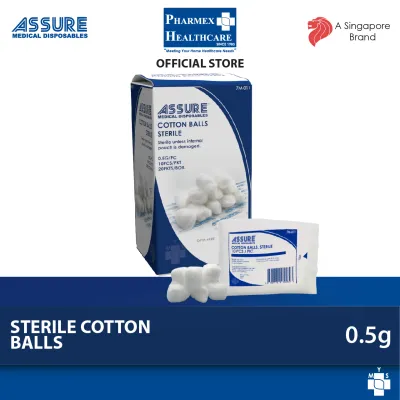
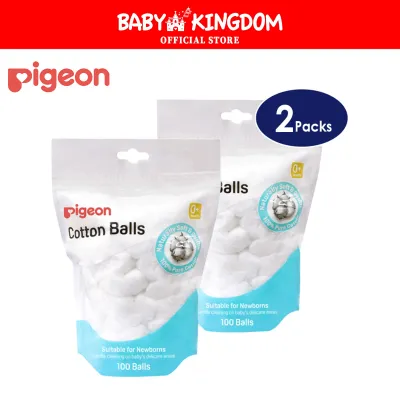
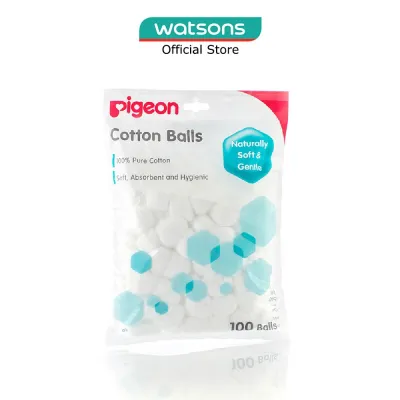
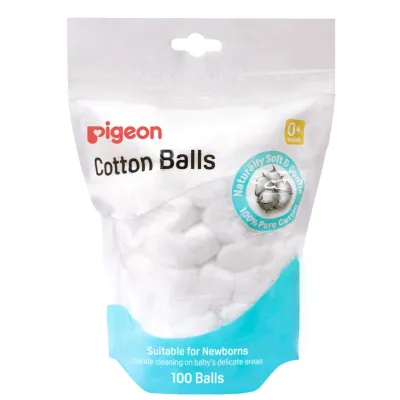
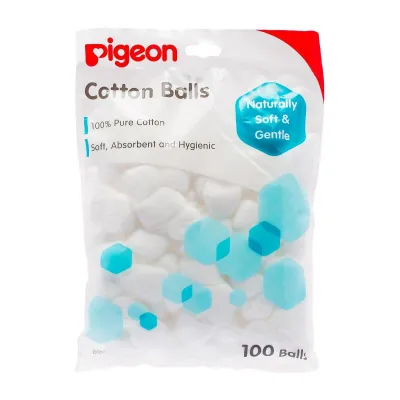
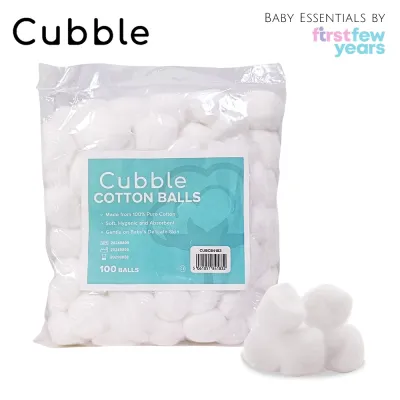
Prices are valid at publication and may change. Please refer to the product page for the latest price.
Before gathering any baby supplies, wash your hands thoroughly with soap and warm water for at least 20 seconds. This simple step prevents the transfer of harmful bacteria from your hands to the clean cotton balls. Set up your cleaning station on a clean, sanitized surface, ensuring all necessary items are within arm’s reach so you never have to leave your baby unattended during the grooming process.
For cleaning sensitive areas like the eyes, face, or an unhealed umbilical cord, prepare a clean, designated bowl of warm water. It is highly recommended to use water that has been previously boiled and allowed to cool to a comfortable, lukewarm temperature, or sterile saline solution. In Singapore, while tap water is safe for general use, utilizing boiled and cooled water or sterile saline for newborns reduces the risk of introducing environmental pathogens to delicate mucous membranes or healing tissues.
While cotton balls are excellent for targeted cleaning of small, delicate zones, they may not always be the most practical option for every task. For wiping larger surface areas during a messy diaper change, cotton pads or soft, clean, reusable washcloths are often more efficient. Cotton pads offer a wider surface area and typically shed fewer fibers, making them a useful companion to cotton balls in your baby grooming kit.
Step-by-Step Guide: Using Cotton Balls During Baby Baths
Cleaning the Eyes and Face
Cleaning your baby’s eyes requires extreme gentleness to avoid irritation and cross-contamination. Begin by dipping a fresh cotton ball into your bowl of warm, cooled boiled water. Gently squeeze the cotton ball between your clean fingers to remove excess water; it should be damp but not dripping wet, which prevents water from running into the baby’s ears or nose.

Hold your baby securely and wipe one eye with a single, gentle motion, starting from the inner corner near the nose and moving outward toward the ear. This specific direction prevents debris or blockages in the tear duct from being pushed back into the eye or across the face.
Immediately discard the used cotton ball into a waste bin. Never reuse the same cotton ball for a second wipe or for the other eye, even if it looks clean.
Take a fresh, damp cotton ball and repeat the process for the other eye, wiping from the inner corner outward. Utilizing a new cotton ball for each eye is a crucial safety measure to prevent transferring potential bacteria or infections, such as conjunctivitis, from one eye to the other.
Once the eyes are clean, use separate, new cotton balls to gently wipe the rest of the baby’s face. Clean around the mouth, over the forehead, and behind the ears, where milk residue or sweat can accumulate. Always use a light touch, as a baby’s facial skin is incredibly thin and prone to redness.
Caring for the Umbilical Cord Stump and Skin Folds
Umbilical cord care: If your newborn’s umbilical cord stump is still attached, it requires careful and dry maintenance to prevent infection and encourage it to fall off naturally. Use a dry or very slightly damp cotton ball to gently clean around the base of the stump where it meets the abdominal skin. If you use a damp cotton ball to remove dried blood or debris, always follow up immediately by patting the area completely dry with a fresh, dry cotton ball. Keep the area clean and exposed to air as much as possible, and consult your pediatrician if you notice any foul odor, active bleeding, or oozing.
Skin folds: Babies naturally have deep skin folds around their neck, armpits, and thighs. In Singapore’s tropical climate, these folds frequently trap sweat, milk drool, spit-up, and dead skin cells, creating a warm, damp environment ripe for irritation. Use a damp cotton ball to gently slide into these folds, lifting away trapped debris without rubbing or scrubbing the delicate skin.
Drying: After cleaning, it is absolutely essential to dry every single fold thoroughly. Take a clean, dry cotton ball or a soft, dry cloth and gently pat inside each fold until no moisture remains. Trapped moisture in these areas is a primary cause of friction chafing and localized yeast infections (intertrigo), which can cause significant discomfort and require medical treatment.
Step-by-Step Guide: Safe Diaper Changes with Cotton Balls
Wiping Techniques for Baby Girls
When performing diaper changes for a baby girl, your wiping technique is critical to preventing urinary tract infections (UTIs). Always wipe strictly from front to back, starting from the vulva and moving down toward the anus. This direction ensures that fecal bacteria are kept far away from the urethra and vaginal opening.
Use a fresh, damp cotton ball for each individual swipe. Once you have wiped from front to back, discard that cotton ball immediately. Never swipe back toward the front with a cotton ball that has already touched the anal area, as this instantly transfers bacteria to sensitive urinary tracts.
Focus your cleaning efforts only on the external areas of the genitals. Do not attempt to clean inside the labia or wipe away the natural white vaginal discharge often seen in newborn girls, as this discharge is protective and will disappear on its own. Wiping internally can cause painful irritation and disrupt the baby’s natural protective skin barrier.
Before putting on a fresh diaper or applying any barrier creams, make sure the entire diaper area is completely dry. Use a dry cotton ball to pat the skin dry, paying close attention to the creases around the groin.
Wiping Techniques for Baby Boys
Cleaning a baby boy’s diaper area requires a systematic approach to ensure all skin creases are free of waste. Start by gently wiping the penis and scrotum with a damp cotton ball. Pay close attention to the underside of the scrotum and the surrounding skin folds, where urine and liquid stool can easily collect and hide.
Foreskin safety: If your baby boy is uncircumcised, it is vital to practice proper foreskin safety. Never force or pull back the foreskin to clean underneath it. In infants, the foreskin is naturally adhered to the glans (the head of the penis) and pulling it back can cause severe pain, bleeding, tearing, and scarring. Simply wipe the outside of the penis gently with a damp cotton ball. The foreskin will naturally retract on its own as the child grows, typically over several years.
Clean the anal area last to avoid spreading fecal matter to the urethra. Use fresh, damp cotton balls for each wipe, moving from the front of the perineum toward the back.
Finish the process by patting the entire diaper area dry with a clean, dry cotton ball or soft cloth. Preventing lingering moisture is one of the most effective ways to protect your baby’s skin from diaper rash.
Crucial Safety Rules and Hygiene Practices
Lint warning: While cotton balls are soft and gentle, they are prone to shedding tiny fibers. Always perform a careful visual check of your baby’s skin after cleaning, particularly around the eyes, the umbilical cord base, and within the genital folds. Stray lint can easily become trapped in these sensitive areas. In the eyes, a stray cotton fiber can cause severe irritation or corneal scratches; around an unhealed umbilical cord or in skin folds, trapped lint can harbor bacteria and lead to localized infections. If you notice any fibers, gently remove them with a dry, clean finger or a damp, lint-free cloth.
The one-and-done rule: To maintain a hygienic environment, strictly adhere to the “one-and-done” rule. A cotton ball should only make contact with your baby’s skin for a single swipe in one direction before being discarded. Reusing a cotton ball, even on different parts of the same body zone, significantly increases the risk of spreading bacteria and causing cross-contamination.
Temperature check: Babies are highly sensitive to temperature changes and can easily be chilled or burned. Always test the temperature of the water or saline solution on the inside of your wrist before dipping your cotton balls. The liquid should feel comfortably warm—never hot or cold.
When to stop and seek help: While routine cleaning is straightforward, you must monitor your baby’s skin for signs of infection or severe irritation. Stop your cleaning routine and consult a pediatrician or healthcare professional immediately if you observe persistent redness, swelling, unusual or foul-smelling discharge, active bleeding around the umbilical cord, or if your baby shows signs of extreme distress or pain during cleaning. Do not attempt to treat suspected infections, persistent diaper rashes, or eye discharge with home remedies or over-the-counter creams without professional medical advice.
Frequently Asked Questions (FAQ)
Can I use cotton balls with baby lotion or oil?
Plain, warm water or sterile saline is generally the best and safest choice for routine cleaning of your baby’s eyes, face, and diaper area. While you might be tempted to apply baby lotion or oil using a cotton ball after a bath, this is often inefficient. Cotton balls are highly absorbent and will soak up a significant amount of the product, leading to waste. Furthermore, rubbing lotion or oil with a cotton ball can cause the fibers to break apart and leave lint stuck to your baby’s skin. For applying moisturizers or oils, it is much more hygienic and effective to use your own clean, washed hands or a dedicated, soft, lint-free cloth.
Are cotton balls or cotton pads better for newborns?
Both cotton balls and cotton pads have distinct advantages, and having both in your baby grooming kit can be highly beneficial. Cotton pads are generally preferred for cleaning larger surface areas, such as the bottom during a diaper change, because they cover more skin and are manufactured to be more compact, which typically results in less lint shedding. On the other hand, cotton balls are highly flexible and ideally suited for targeted, delicate cleaning tasks. Their shape makes it easier to gently clean small, intricate areas like the corners of the eyes, behind the ears, or the precise base of the umbilical cord stump.
How do I dispose of used cotton balls safely?
Proper disposal of used cotton balls is essential for maintaining household hygiene and safety. Immediately after use, place them into a dedicated, lidded trash bin located in your nursery or bathroom. Keeping the bin covered prevents curious babies, toddlers, or household pets from reaching inside and accessing soiled materials, which pose choking and hygiene hazards. Additionally, you must never flush cotton balls down the toilet. Unlike toilet paper, cotton fibers do not break down quickly when wet. Flushing them will inevitably lead to severe plumbing blockages and environmental waste issues in your home drainage system.
Community discussion
Share your experience or ask a question. Comments are reviewed before publication.