
Trimming a newborn’s tiny, delicate fingernails can feel incredibly daunting for new parents. Infant nails are surprisingly sharp, thin, and fast-growing, meaning regular maintenance is essential to prevent your little one from scratching their own face or body. Using specialized baby nail scissors is one of the safest and most controlled ways to keep these miniature nails short and smooth. By understanding the correct techniques, preparing a calm environment, and choosing the right tools, you can confidently manage this essential grooming task without causing distress or injury to your baby.
When and How Often to Trim Your Baby's Nails
Newborn nails grow at a remarkably rapid pace, often requiring attention multiple times a week. You will quickly learn to spot the signs that it is time for a trim, such as visible nail growth extending past the edge of the fingertip or the sudden appearance of tiny, red scratch marks on your baby’s cheeks. Because infants frequently move their hands toward their faces, keeping these edges short is a primary way to protect their delicate skin.
While fingernails may need to be trimmed once or twice a week, toenails grow at a much slower rate. You will likely find that toenails only require trimming once or twice a month. It is important to monitor both regularly, as neglected toenails can snag on socks, sleepsuits, or swaddles, causing discomfort.
Products mentioned in this guide
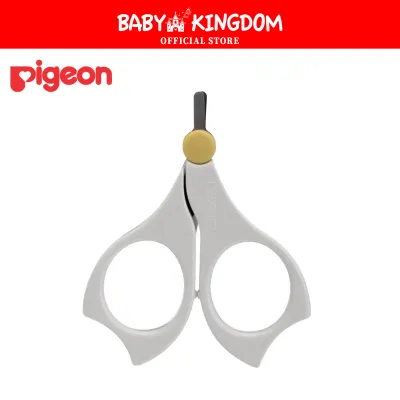
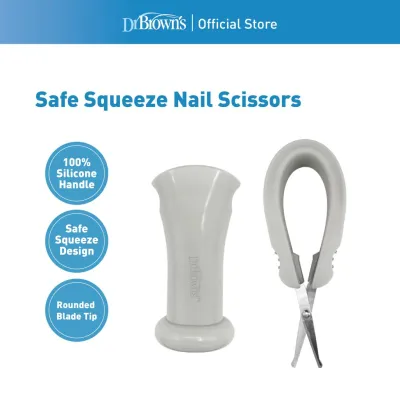
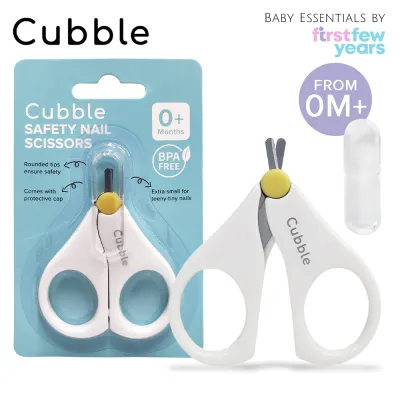
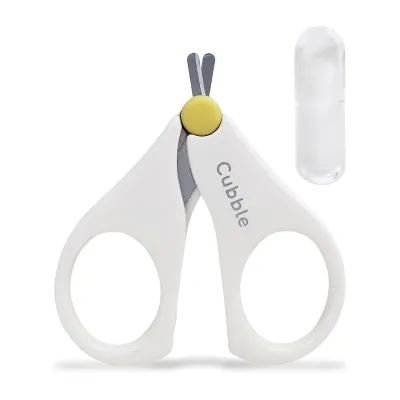
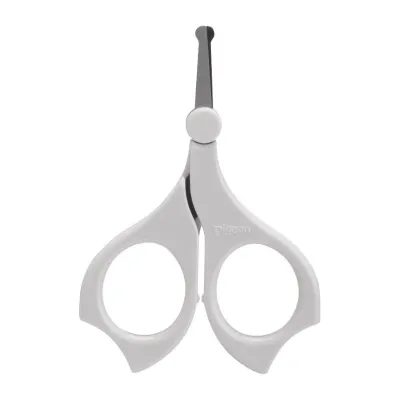


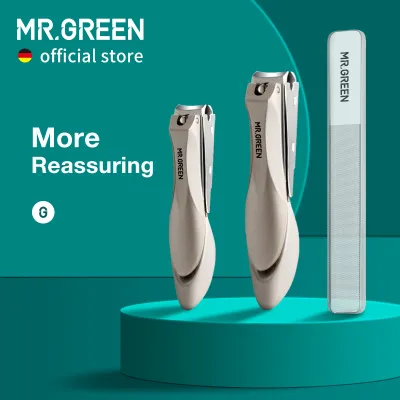
Prices are valid at publication and may change. Please refer to the product page for the latest price.
Finding the right moment to trim is just as important as the technique itself. Attempting to cut the nails of an active, squirming baby increases the risk of accidental nicks. Many experienced parents find that the optimal time is immediately after a bath, when the warm water has naturally softened the nails, making them more pliable and easier to cut cleanly.
Alternatively, choosing a time when your baby is in a deep state of calm can make the process much smoother. Trimming while your baby is feeding or during a deep nap can minimize sudden movements. In warm, tropical environments like Singapore, where babies often wear minimal clothing during the day, keeping nails trimmed is especially vital to prevent scratches on exposed limbs.
Choosing the Right Baby Nail Scissors
Standard adult nail scissors or clippers are far too large and sharp for an infant’s tiny fingers. When shopping for baby nail scissors, look for specific safety features designed to protect delicate skin. The most critical feature is a rounded, blunt tip, which prevents accidental punctures if your baby makes a sudden, unexpected movement.

The blades of baby nail scissors should be short, thin, and slightly curved to match the natural shape of a baby’s fingernails. This design allows you to see exactly where you are cutting, giving you far more visibility and control than bulky adult tools. Additionally, look for scissors with ergonomic, wide finger loops that provide a comfortable, slip-free grip for your hand.
As your child grows, their nail texture will change from paper-thin and soft to thicker and more rigid. Scissors designed for newborns feature exceptionally fine blades, whereas those intended for older infants or toddlers may have slightly sturdier construction. Always check the manufacturer’s packaging for age recommendations, safety warnings, and quality compliance marks to ensure the tool is appropriate for your baby’s developmental stage.
Before each use, take a moment to inspect the scissors. Ensure the blades are clean, free of rust, and align perfectly when closed. If the blades feel loose or dull, replace the scissors immediately to avoid tearing or pulling the baby’s delicate nails.
Preparing Your Baby and Your Workspace
A successful nail-trimming session starts with a well-prepared workspace. Excellent lighting is absolutely essential to help you distinguish between the translucent nail edge and the pink nail bed underneath. Position yourself near a bright window during daylight hours, or set up a focused, adjustable reading lamp if you are trimming indoors or in the evening.
Securing your baby comfortably is the next step to ensure safety. If you are working alone, placing your baby in a supportive bouncer, a high chair, or a car seat can help keep their body stable and limit sudden torso movements. If possible, enlist the help of a partner or another caregiver; one person can gently hold the baby and keep them distracted while the other focuses entirely on the trimming.
Distraction is a highly effective tool for keeping an infant calm and still. Speak to your baby in a low, soothing, and reassuring voice, or sing a familiar lullaby to create a peaceful atmosphere. You can also place a colorful, safe toy or a sensory object within their line of sight to capture their attention, keeping their eyes busy while you work on their hands.
Step-by-Step Guide to Trimming With Scissors
To begin, hold your baby’s hand firmly but gently in your non-dominant hand. Isolate the finger you plan to trim first, holding it securely between your thumb and index finger. Use your thumb to gently press the sensitive skin of the baby’s finger pad down and away from the nail edge. This simple action exposes the free edge of the nail and creates a safe distance between the blade and the skin.
Carefully insert the lower blade of the baby nail scissors under the nail edge. For fingernails, follow the natural curve of the fingertip, making small, gentle snips rather than trying to cut the entire nail in a single motion. This incremental approach gives you greater control and prevents you from cutting too close to the quick.
When trimming toenails, the technique is slightly different. Always cut straight across rather than following a curve. Cutting straight across helps prevent the edges of the nail from growing into the surrounding skin, reducing the risk of painful ingrown toenails as your baby grows.
Once you have finished cutting, gently run your own finger pad over the edges of your baby’s nails. If you feel any sharp corners, rough spots, or jagged edges, use a fine baby emery board to smooth them out. This final step ensures that even if the baby rubs their face, there are no sharp points left to cause scratches.
Always be prepared to pause the session if your baby becomes uncooperative, starts crying, or pulls their hand away with force. Forcing the issue increases the risk of injury. It is entirely safe and practical to trim just one or two nails at a time, resuming the task later when your baby is calm, relaxed, or asleep.
What to Do If You Accidentally Nick the Skin
Even with the utmost care, minor accidents can happen, and many parents will occasionally nick the skin. If this occurs, try to remain calm, as your baby will look to you for reassurance. A minor nick may bleed slightly, but it typically heals very quickly with basic first aid.
Immediately apply gentle, steady pressure to the cut using a clean, soft tissue, sterile gauze pad, or a clean cloth. Hold the pressure for a few minutes until the bleeding stops completely. Avoid the temptation to wash the cut with harsh soaps or apply chemical antiseptics, which can irritate the baby’s sensitive skin.
Do not apply adhesive bandages or plasters to your baby’s fingers or hands. Infants frequently put their hands and fingers into their mouths, and a loose bandage can easily detach, presenting a serious choking hazard. Keeping the area clean and dry is generally the safest approach for minor nicks.
Monitor the tiny cut closely over the next few days. If the bleeding does not stop after several minutes of continuous pressure, or if you observe signs of infection—such as persistent redness, swelling, warmth, or pus—stop home care immediately. Consult a pediatrician or visit a local medical clinic in Singapore for professional advice and treatment.
Maintaining Nail Health Between Trims
You do not always need to use scissors to keep your baby’s nails safe and smooth. Utilizing a gentle baby nail file or emery board is an excellent way to maintain nail health between cutting sessions. If you notice a small snag or a slightly sharp corner, a few gentle strokes with a file can quickly resolve the issue without the risk of cutting the skin.
When filing, always move the file in a single, gentle direction rather than sawing back and forth. Sawing can cause the thin nail to split or peel. Regular filing is particularly useful during the first few weeks of a newborn’s life, when the nails are exceptionally soft and closely attached to the underlying skin.
Make it a habit to inspect your baby’s nail beds and the surrounding skin during daily routines, such as diaper changes or bath time. Look for any signs of irritation, redness, or peeling skin around the cuticles. Keeping the hands clean and dry helps maintain overall skin health and prevents minor irritations from developing into infections.
If you ever notice persistent redness around the nail fold, swelling, or if a nail appears to be growing deeply into the side of the toe, avoid attempting to cut or fix it yourself. Stop home maintenance for that specific area and seek professional medical advice from a doctor or pediatrician to ensure proper care.
Frequently Asked Questions (FAQ)
Is it safe to trim my baby's nails while they are sleeping?
Yes, trimming your baby’s nails while they are asleep is a highly practical and widely used method. When babies are in a deep sleep, their muscles relax, and they are far less likely to make sudden, jerky movements that could lead to accidental nicks. However, you must ensure you have excellent lighting; do not attempt to trim nails in a dark room with only a dim nightlight. If your baby begins to stir, wake up, or pull their hand away, stop immediately and wait for another opportunity.
Should I use baby nail clippers instead of scissors?
Both baby nail clippers and baby nail scissors are effective tools, and the choice often comes down to personal preference and comfort. Baby nail scissors generally offer excellent visibility, allowing you to see the exact cutting line and the position of the finger pad more clearly. Clippers can sometimes block your view of the tiny nail bed, but some parents find them easier to hold and maneuver. Whichever tool you choose, ensure it is specifically designed for infants, features safety guards or rounded edges, and is maintained according to the manufacturer’s instructions.
Community discussion
Share your experience or ask a question. Comments are reviewed before publication.