
Expressing breastmilk is a labor of love, offering your baby optimal nutrition even when you are away. However, protecting this valuable resource requires a strict commitment to proper breastmilk storage practices. Because breastmilk contains live immunological properties, its preservation depends heavily on temperature control, pristine hygiene, and correct thawing methods. In a warm and humid environment like Singapore, these rules become even more critical to prevent rapid bacterial growth and preserve vital nutrients. This guide walks you through the essential steps to safely collect, store, thaw, and feed your expressed breastmilk.
Essential Hygiene and Preparation Before Pumping
Establishing a clean routine before you begin pumping is the most effective way to prevent harmful bacteria from contaminating your breastmilk. Always wash your hands thoroughly with soap and water for at least 20 seconds before touching any pump parts, bottles, or storage bags. If soap and water are temporarily unavailable, use an alcohol-based hand sanitizer containing at least 60% alcohol, ensuring your hands are completely dry before proceeding. Wipe down the pumping surface with a sanitizing wipe to minimize environmental contamination from household dust or kitchen surfaces.
Maintaining the cleanliness of your breast pump parts is equally vital for your baby’s health. Refer to your breast pump’s manufacturer instructions for specific cleaning guidelines, as materials and heat tolerances vary across brands. Generally, all parts that come into direct contact with breastmilk should be disassembled, rinsed in cool water, washed with warm soapy water, and rinsed thoroughly after every single use. Allow the parts to air dry completely on a clean, dedicated paper towel or drying rack rather than using a standard dish towel, which can harbor bacteria.
Products mentioned in this guide
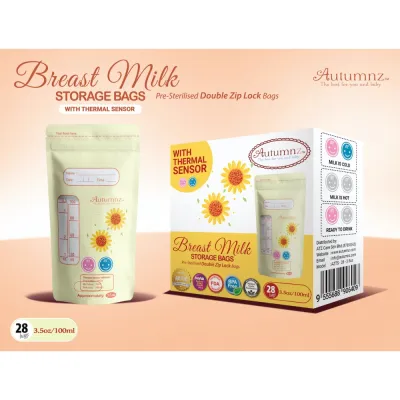
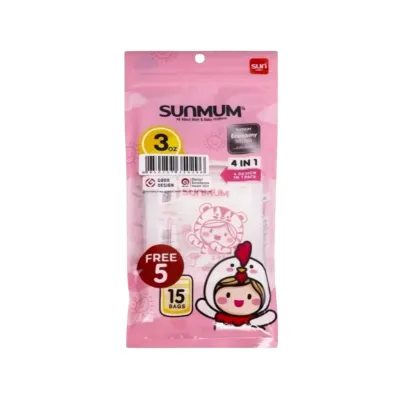
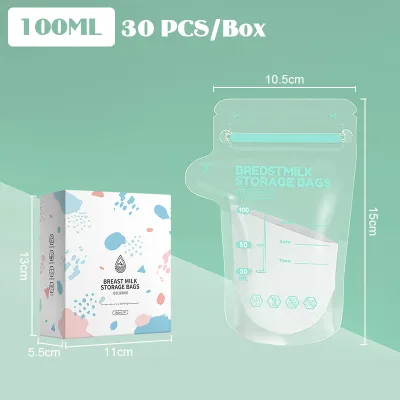
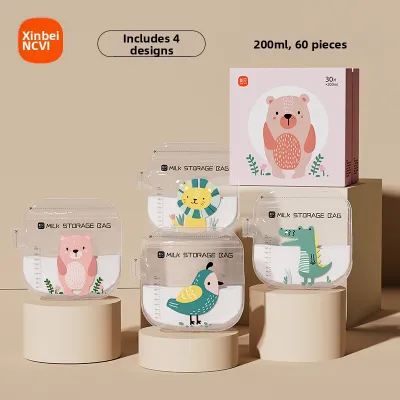
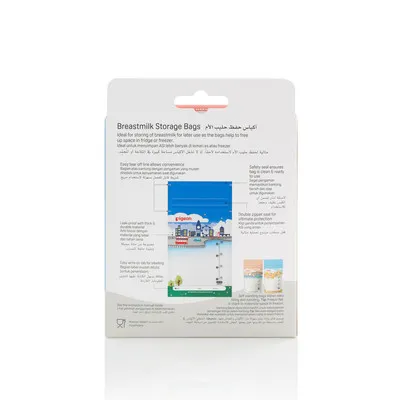
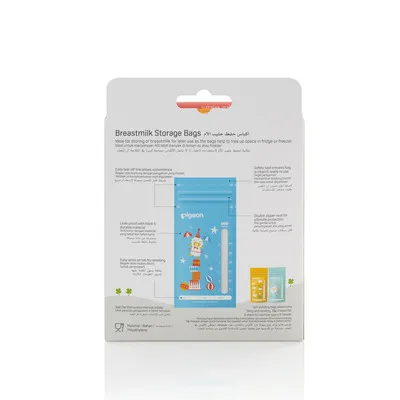
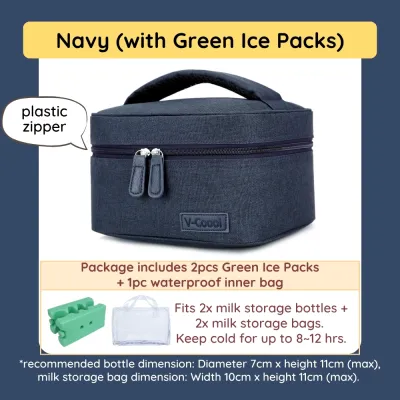
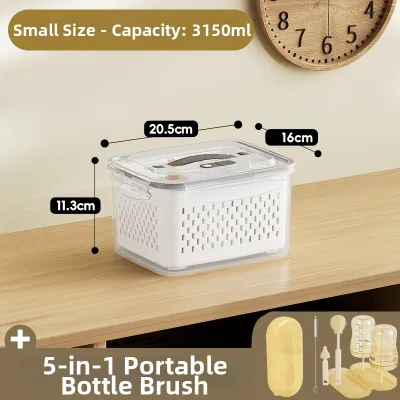
Prices are valid at publication and may change. Please refer to the product page for the latest price.
Sterilization provides an extra layer of protection, particularly for newborns, premature infants, or babies with compromised immune systems. You can sterilize your pump components using boiling water, a dedicated steam sterilizer, or a UV sterilizer, but always verify that your pump brand approves of these methods to avoid warping the silicone valves or plastic connectors. Inspect your pump parts regularly for signs of wear, such as cloudiness, small tears in the membranes, or stubborn residue, and replace them immediately according to the manufacturer’s recommended schedule.
Selecting the right storage containers is the final step in preparation. Use only food-grade, BPA-free plastic bottles, glass bottles with tight-fitting lids, or specialized breastmilk storage bags designed specifically for freezing and thawing. Avoid ordinary household plastic bags, sandwich bags, or standard disposable feeding bottle liners, as these are highly prone to leaking, puncturing, or leaching chemicals into the milk. Before filling, inspect each container or bag for punctures, tears, or compromised seals, and ensure the zipper tracks on storage bags are fully functional to prevent leakage during freezing.
Breastmilk Storage Guidelines: Temperatures and Environments
Understanding how temperature affects breastmilk is crucial for maintaining its nutritional and immunological integrity over time. The environment in which you store your milk dictates its shelf life and safety margin.

Room Temperature Storage in Tropical Climates
In standard global guidelines, freshly expressed breastmilk can theoretically sit at room temperature (up to 25°C) for up to 4 hours. However, in tropical climates like Singapore, where indoor temperatures frequently exceed 30°C and humidity levels remain high, these general rules must be adjusted. High ambient heat accelerates the proliferation of bacteria, which can spoil the milk much faster than in cooler, air-conditioned environments.
If your home or office is not air-conditioned, do not leave expressed milk sitting out on the counter. Instead, prioritize immediate chilling. Place the milk in a refrigerator or an insulated cooler bag packed with frozen ice packs right after pumping. It is highly recommended to verify current, precise hourly limits with local health authorities, such as the Health Promotion Board (HPB) or the Singapore Ministry of Health (MOH), or consult your pediatrician, as clinical guidelines are periodically updated to reflect local environmental conditions and safety findings.
Refrigerator and Freezer Best Practices
Always place your storage containers or bags at the back of the refrigerator or freezer shelf. This is the coldest and most temperature-stable zone. Avoid storing milk in the door shelves. Every time the door is opened, it is exposed to warm ambient air, causing temperature fluctuations that can compromise the milk’s shelf life.
Clearly label every storage bag or bottle with the exact date, time of expression, and the volume of milk. Use waterproof ink or dedicated labels that will not smudge or peel off when exposed to moisture. If your child attends a childcare center, add their full name to the label to prevent mix-ups. This labeling system allows you to practice the “first in, first out” (FIFO) method, ensuring you use the oldest milk first before it approaches its expiration limit.
As a general framework, freshly expressed milk can be stored in a standard household refrigerator (at 4°C or lower) for up to 3 to 4 days. In a standard freezer compartment that is attached to a refrigerator, it can typically be kept for 3 to 6 months. In a dedicated deep freezer that maintains a constant temperature of -18°C or lower, milk can remain safe for up to 12 months. Always consult official health guidelines or the specific instructions on your storage bag packaging to verify these duration limits, as individual appliance performance and specific product designs may vary.
Step-by-Step Guide to Safely Thawing and Warming Milk
Transitioning breastmilk from a frozen state to feeding temperature requires care to preserve its delicate nutrients and protective antibodies. Following a sequential, gentle process ensures the milk remains safe and highly nutritious for your baby.
- Thaw slowly in the refrigerator: The safest way to thaw frozen breastmilk is to transfer the container from the freezer to the refrigerator and let it thaw slowly overnight. This gradual process helps preserve the delicate nutrients and protective antibodies. If you need the milk immediately, you can place the sealed container under cool, running water, gradually increasing the temperature to lukewarm. Alternatively, submerge the container in a bowl of lukewarm water, replacing the water as it cools. Never leave thawing milk at room temperature on the counter.
- Warm gently with water: To warm chilled or thawed milk to feeding temperature, place the bottle or bag in a bowl of warm water for a few minutes. You can also use a dedicated, temperature-controlled bottle warmer. If using a bottle warmer, always follow the manufacturer's instructions carefully to ensure the temperature does not exceed safe limits.
- Avoid high heat and microwaves: Never use boiling water, heat breastmilk directly on a stovetop, or use a microwave. Microwaving creates uneven heating, resulting in dangerous "hot spots" that can easily burn your baby's mouth. Furthermore, excessive heat destroys the vital proteins, enzymes, and immunoglobulins that make breastmilk so uniquely beneficial for your baby's development and immune system.
- Swirl, do not shake: Breastmilk naturally separates during storage, with the fat rising to the top in a creamy layer. Before feeding, gently swirl the bottle or bag to reincorporate the fat. Avoid vigorous shaking. Shaking can break down the delicate structure of active proteins and protective molecules, reducing the nutritional value of the milk.
Critical Safety Warnings and Common Storage Mistakes
Avoiding common storage pitfalls is essential to protect your baby from foodborne illness and ensure they receive the maximum nutritional value from every feed.
Once breastmilk has been completely thawed, it must be used within 24 hours (starting from the moment it is fully thawed, not when it is taken out of the freezer). Never refreeze thawed breastmilk. Refreezing introduces a high risk of bacterial growth and significantly degrades the milk’s nutritional quality.
Never add freshly pumped, warm breastmilk directly to already chilled or frozen milk. The warmth of the fresh milk can raise the temperature of the stored milk, encouraging bacterial multiplication and potentially causing partial thawing. Instead, cool the freshly expressed milk in the refrigerator first until it reaches the same temperature as the stored milk, then combine them.
Some mothers notice that their thawed breastmilk has a distinct soapy, metallic, or sour smell and taste. This is often due to high levels of lipase, an enzyme that naturally breaks down fats in the milk to make them easier for your baby to digest. While lipase-altered milk is perfectly safe for your baby to drink, some babies may reject it. To distinguish lipase activity from actual spoilage, look for other signs. Spoiled milk will have a strongly rancid, curdled, or distinctly sour smell (similar to spoiled cow’s milk) and will not mix back together when swirled.
If you notice mold growing inside the container, a foul odor that goes beyond a soapy smell, or if the milk has been left at room temperature past the safe limit, discard it immediately. If your baby exhibits signs of illness, such as vomiting, fever, or unusual fussiness after consuming stored milk, stop using that batch immediately and consult a healthcare professional.
Verifying Milk Safety and Handling Leftovers
Before offering a bottle to your baby, perform a quick visual and olfactory inspection. Swirl the container gently. The fat layer should smoothly blend back into the rest of the milk. If you see clumps that refuse to dissolve, visible discoloration, or if the milk smells sour or rancid, do not feed it to your baby.
Once your baby starts drinking from a bottle, bacteria from their mouth enter the milk. Because of this bacterial introduction, any milk left in the bottle after a feeding session must be used within 2 hours. This rule applies regardless of whether the milk was freshly expressed, refrigerated, or previously frozen.
If the 2-hour window has passed, discard the remaining milk. Do not put it back in the refrigerator or save it for the next feed, as the accumulated bacteria can multiply rapidly and pose a health risk to your infant. To minimize waste, consider storing and warming milk in smaller increments, such as 60ml to 120ml, and warming a second bottle only if your baby is still hungry.
Frequently Asked Questions (FAQ)
Can I mix breastmilk pumped on different days?
Yes, you can combine breastmilk expressed on different days, provided you follow a few safety rules. First, ensure both batches of milk are cooled to the same temperature in the refrigerator before mixing them. Never pour warm, freshly expressed milk into already chilled milk. Second, always label the combined batch with the date and time of the oldest milk expressed. This ensures you do not keep the combined milk past the safe storage limit of the earliest batch.
Why does my thawed breastmilk smell soapy or sour?
A soapy or metallic odor is typically caused by high lipase activity, which is a completely natural and safe enzymatic process. It is not a sign of spoilage, and the milk remains highly nutritious. However, if the milk smells distinctly rancid, sour (like spoiled dairy), or has visual signs of curdling that do not disappear when swirled, it has likely spoiled due to bacterial growth. If you are ever in doubt about the safety of a particular batch of milk, it is best to discard it or consult a lactation consultant or pediatrician for guidance.

Community discussion
Share your experience or ask a question. Comments are reviewed before publication.