
Administering liquid medicine to an infant can feel like a high-stakes challenge, especially when dealing with a fussy or uncomfortable baby. Using a baby feeding syringe is widely recognized as one of the most accurate and controlled methods to deliver the exact dosage your child needs. Unlike spoons or cups, a syringe allows you to bypass the sensitive taste buds on the front of the tongue and deliver the liquid directly to the side of the mouth, where it can be swallowed safely.
Success with this tool relies on a combination of careful preparation, secure positioning, and a slow, deliberate plunger technique. By understanding how to work with your baby’s natural swallowing reflexes, you can minimize the risk of choking, spitting, or accidental aspiration. Taking a calm, methodical approach not only ensures your baby receives their full prescribed dose but also helps make the experience less stressful for both of you.
Preparing the Medicine and Feeding Syringe
Before you begin, it is essential to verify the exact dosage and frequency of the medication. Always cross-reference the doctor’s prescription with the pharmacy label on the bottle, and avoid making any independent conversions or guesses. Even a minor miscalculation in milliliters can have a significant impact on an infant, so double-check the numbers when your mind is clear and free from distractions.
Products mentioned in this guide

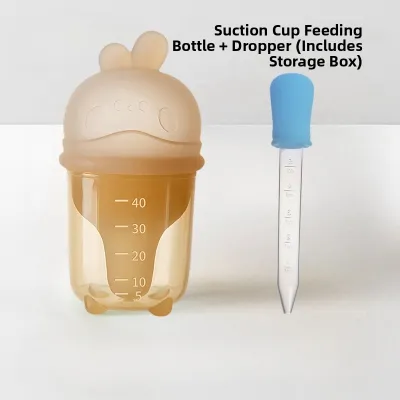
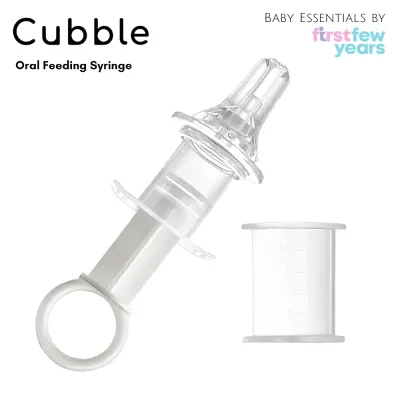
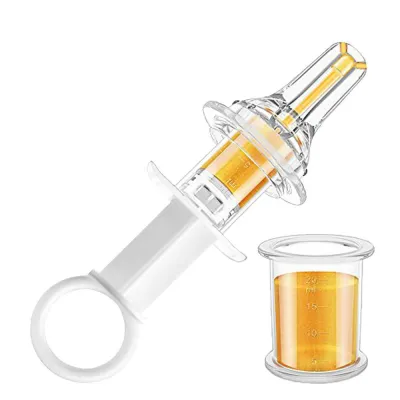

Prices are valid at publication and may change. Please refer to the product page for the latest price.
Next, inspect the baby feeding syringe thoroughly before drawing any liquid. Look closely at the barrel to ensure the measurement markings are clear, legible, and have not started to fade from previous washings. Check that the plastic barrel is free of cracks or chips, and verify that the rubber plunger seal is intact and moves smoothly without sticking. A sticky or damaged plunger can cause sudden, jerky movements, which may accidentally squirt too much medicine into your baby’s mouth at once.
If you are using a new syringe or one that has been stored, wash and dry all components according to the manufacturer’s instructions before its first use. When drawing the medication, pull the plunger back slowly to avoid creating large air bubbles, which can displace the actual liquid and lead to an underdose. If you notice air bubbles inside the barrel, gently tap the side of the syringe to send the bubbles to the top, then push the plunger slightly to expel the air before adjusting the liquid to the exact prescribed line.
Positioning Your Baby for Safe Administration
Proper physical alignment is crucial to prevent the medication from entering your baby’s airway. Always maintain a semi-upright position, keeping your baby’s head slightly elevated above their stomach. Never attempt to administer liquid medicine while your baby is lying completely flat on their back, as this position significantly increases the risk of choking, gagging, and aspiration.

To secure your baby safely, cradle them in your non-dominant arm at a 45-degree angle, much like the position used during bottle feeding. Use your arm and body to support their head, neck, and back securely, which helps prevent sudden head movements or jerks that could cause the syringe to scrape the inside of their mouth. If your baby is highly active or tends to flail their arms, wrapping them snugly in a swaddle blanket can keep them calm and prevent them from knocking the syringe out of your hand.
During the process, remain highly attentive to your baby’s physical cues and comfort levels. If you notice signs of distress, such as stiffening of the limbs, wide-eyed panic, or rapid, shallow breathing, pause immediately. Sit the baby fully upright, comfort them until their breathing returns to normal, and realign their body before attempting to continue.
Step-by-Step Plunger Technique to Prevent Choking
Once your baby is securely positioned, gently insert the tip of the baby feeding syringe into their mouth. Aim the tip toward the inside of the cheek, specifically the pocket between the lower gums and the inner cheek wall. Avoid pointing the syringe directly at the back of the throat or the center of the tongue, as this is highly likely to trigger the gag reflex, cause choking, or prompt the baby to spit the medicine out immediately.
Depress the plunger slowly and in very small increments, dispensing no more than a fraction of a milliliter at a time. This slow pace allows the liquid to pool naturally in the side of the mouth, triggering the baby’s natural swallowing reflex. After each small squeeze, pause completely and wait for the baby to swallow before dispensing any more liquid. You can observe their throat movements and listen for a clear swallow to confirm they are ready for the next increment.
Never rush this process, even if your baby is crying or resisting. Crying actually increases the risk of inhalation, so dispensing medicine during an active cry can lead to the liquid being drawn into the lungs. If your baby starts to cough, gag, or turn their head away persistently, stop depressing the plunger immediately. Remove the syringe, sit the baby up, and allow them to clear their throat and calm down before trying again.
Handling Spitting, Refusal, and Vomiting
It is common for babies to dribble or spit out a small portion of their medicine, especially if they dislike the taste. When this happens, try to differentiate between minor drooling and full vomiting. A small smear of colored liquid on a bib or cheek often looks like a large amount, but it usually represents only a negligible fraction of the total dose, meaning the baby still absorbed the vast majority of the medication.
If your baby actively vomits shortly after administration, do not make the decision to give them another dose on your own. Re-dosing without professional guidance carries a high risk of accidental overdose, as it is impossible to know exactly how much of the initial dose was already absorbed into their system. Instead, contact your pediatrician or a pharmacist immediately to describe the situation, noting how much time passed between the administration and the vomiting.
While you wait for professional advice, focus on comforting your baby and cleaning their mouth gently with a soft, damp cloth. Keep an accurate written record of the event, noting the exact time you gave the medicine, an estimate of how much was lost, and whether it was a minor spit-up or full vomiting. Having this information ready will help your healthcare provider make an informed decision on whether a replacement dose is safe and necessary.
Cleaning and Storing the Baby Feeding Syringe
Maintaining a strict cleaning routine is essential to prevent the growth of harmful bacteria or mold inside the syringe. Immediately after each use, disassemble the syringe completely by pulling the plunger entirely out of the plastic barrel. Wash both parts thoroughly using warm water and a mild dish soap, ensuring you rinse away all sticky medicine residue from the inner crevices of the barrel and the rubber tip.
Avoid using harsh chemical sanitizers, boiling water, or putting the syringe in a high-heat dishwasher unless the manufacturer’s instructions explicitly state it is safe to do so. High temperatures can warp the plastic barrel or degrade the rubber seal, ruining the syringe’s accuracy and usability. Once washed, place the separated components on a clean paper towel or drying rack, allowing them to air-dry completely before reassembling them. Storing a damp syringe can trap moisture inside, creating an environment where mold can quickly develop.
Store the dry, reassembled syringe in a clean, dust-free container or drawer away from direct sunlight. Regularly inspect the syringe for signs of wear and tear, such as faded measurement lines, a stiff or sticky plunger, or discoloration of the plastic. If you observe any of these conditions, discard the syringe immediately and replace it with a new one to ensure continued dosing accuracy and hygiene.
When to Stop and Seek Professional Help
While mild resistance is normal, certain situations require you to halt the administration immediately and seek professional medical care. If your baby experiences persistent choking, struggles to breathe, turns pale or blue around the lips, or shows signs of a severe allergic reaction like hives or facial swelling, call emergency services right away. These are critical warning signs that require immediate medical intervention.
You should also consult your pediatrician if your baby consistently refuses to take the medicine, making it impossible to complete the prescribed course. The doctor may be able to offer alternative solutions, such as a different flavor, a more concentrated formula that requires a smaller volume, or a different form of the medication altogether. Never force the medicine down a highly combative baby, as this drastically increases the risk of physical injury or aspiration.
Finally, monitor your baby closely for any unexpected side effects after they take the medication. Keep a detailed log of when each dose was given and any physical reactions you observe, such as unusual rashes, lethargy, or digestive upset. Sharing this log with your healthcare provider will help them evaluate whether the medication is being tolerated well or if adjustments need to be made.
Frequently Asked Questions (FAQ)
Can I mix liquid medicine with milk or formula?
Mixing liquid medicine directly into a full bottle of breast milk or infant formula is generally discouraged by healthcare professionals. If your baby does not finish the entire bottle, they will not receive the full prescribed dose of their medication, making it highly difficult to determine how much active ingredient they actually consumed. Additionally, some medications can react chemically with the nutrients in milk, potentially reducing their effectiveness or altering the taste so much that the baby rejects the bottle altogether.
If you are struggling with the taste of the medicine, consult your pharmacist or pediatrician before mixing it with any other liquid. They can advise you on whether a very small amount of expressed milk or formula (such as a single spoon) can be used to mask the flavor safely. Alternatively, they may recommend safe, pediatric-approved flavoring drops that can be added directly to the medicine bottle at the pharmacy.
How do I know if the feeding syringe size is correct for my baby?
The capacity of the baby feeding syringe should closely align with the specific dose you need to administer. For example, if your baby’s prescribed dose is 1.5 milliliters, using a small 3-milliliter or 5-milliliter syringe will allow you to measure the liquid much more accurately than a large 10-milliliter syringe. When the syringe capacity is too large, the measurement markings are spaced closer together, which increases the likelihood of a reading error.
Always use the specific oral syringe provided by your pharmacist or one designed specifically for infant oral use. Never substitute a baby feeding syringe with household kitchen spoons, as these are not standardized and can lead to significant underdosing or overdosing. If the pharmacy did not provide a syringe, or if you need a replacement, look for oral syringes clearly labeled for infant use at a local pharmacy or reputable online marketplace.
Community discussion
Share your experience or ask a question. Comments are reviewed before publication.