
Cleaning a newborn’s delicate ears and nose requires extreme care, gentle handling, and the right tools. The primary rule is to clean only the visible, outer areas of the ear and nose, never inserting a cotton bud into the ear canal or deep into the nasal passage. Using a specialized tool like a Pigeon baby cotton bud—designed with a thin, flexible stem and a small cotton tip—helps parents safely manage surface buildup without risking injury to delicate internal tissues.
Newborns have highly sensitive skin and developing sensory organs. Their natural self-cleaning mechanisms usually handle internal wax and mucus, meaning parents only need to intervene when debris becomes visible on the outside or causes noticeable discomfort. Introducing specialized baby grooming tools into your routine can make a significant difference, as standard adult cotton buds are too large and rigid, which increases the risk of accidental insertion or scratching. Choosing a product specifically designed for infants ensures the cotton tip matches the scale of tiny nostrils and outer ear folds.
Understanding Your Tools and Safety Boundaries
Baby cotton buds come in several specialized designs to suit different grooming needs. Some feature ultra-thin tips for precise outer-ear cleaning, while others have a bulbous or safety shape that physically prevents deep insertion. There are also variants with dual-ended designs, such as a standard round tip on one end and a spiral or spoon-shaped tip on the other, which can help scoop away dry, loose debris from the very edge of the nostril. Understanding these variations allows you to select the most appropriate tool for your baby’s current developmental stage.
Products mentioned in this guide

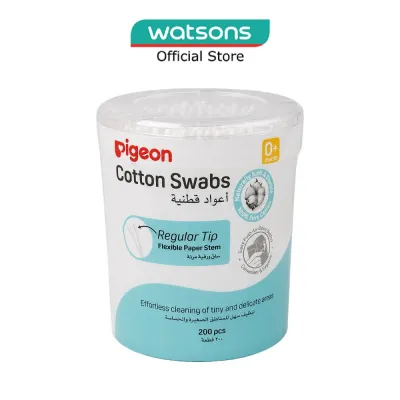
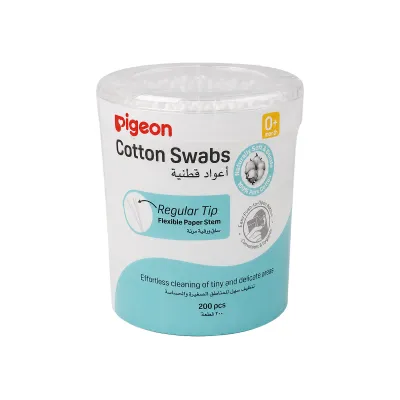
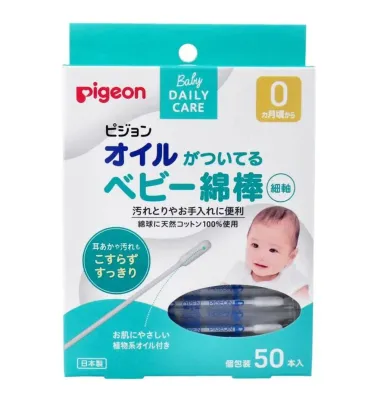
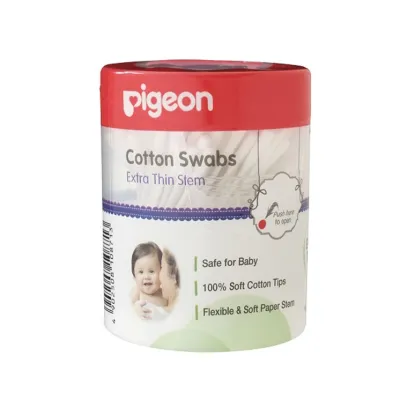
Prices are valid at publication and may change. Please refer to the product page for the latest price.
Before using any grooming product on your newborn, inspect the packaging thoroughly to ensure its integrity. Verify that the seal is intact to maintain hygiene, and check for any manufacturer instructions, batch numbers, or expiration dates. Because baby skin is highly susceptible to irritation, verifying that the cotton is 100% pure and free from added fragrances, optical brighteners, or harsh chemical binders is a crucial step. Always refer to the specific product documentation to confirm age suitability and safety warnings.
The absolute safety rule for infant grooming is to keep all tools on the exterior of the body. Pediatricians and medical experts globally agree that inserting a cotton bud into the ear canal or deep into the nasal cavity can push wax or mucus further inside, potentially causing blockages, irritation, or even eardrum perforation. Your goal is simply to tidy up what is already visible on the surface, leaving the internal passages to clear themselves naturally.
When selecting products from an online marketplace or local baby store, always verify the age and development stage recommendations on the packaging. Some cotton buds are specifically labeled for newborns, while others are sized for older infants or toddlers. Keeping these specifications in mind helps ensure a safe match for your baby’s physical development, and you should always supervise your baby closely during any grooming session.
Step-by-Step Guide to Cleaning Baby Ears
Preparation is key to a safe cleaning routine. Choose a time when your baby is calm, alert, but not overly fussy, such as after a bath when the warm water has naturally softened any outer ear residue. Place your baby on a flat, secure surface like a changing table, or hold them securely in your lap to minimize sudden movements. Swaddling your baby beforehand can also help keep their arms secure and prevent them from reaching up during the process.

To secure the baby’s head gently, cradle their cheek with one hand while using your other hand to hold the cotton bud. This positioning allows you to feel and react to any sudden shifts in their posture immediately. Never try to hold the baby’s head rigidly, as this can cause them to struggle and increase the risk of accidental slips. Maintaining a gentle but firm touch ensures the baby feels secure and comfortable.
Take a dry or slightly dampened baby cotton bud, adhering strictly to the manufacturer’s instructions on the packaging. Gently wipe around the outer folds of the pinna (the external ear structure) and the area directly behind the ear lobe. In warm, humid climates, moisture, sweat, and milk residue frequently accumulate behind the ears, making this area prone to redness or yeast irritation if left uncleaned. Avoid applying heavy pressure; let the soft cotton fibers lift the debris naturally.
Keep your focus entirely on the visible surfaces of the outer ear. Do not attempt to clean inside the ear opening itself, even if you can see wax just inside the canal. The ear canal is self-cleaning, and inserting the bud will only disrupt this natural process, potentially packing the wax tightly against the eardrum. If you notice a large buildup of wax deep inside, leave it alone and consult a healthcare professional.
Monitor your baby’s reactions closely throughout the process. If they begin to fuss, turn their head away, or show any signs of discomfort, stop immediately. Grooming should be a calm, positive experience, and forcing the process increases the likelihood of a sudden jerk and subsequent injury. You can always try again later when the baby is in a more relaxed mood.
Step-by-Step Guide to Cleaning Baby Noses
Newborn nasal passages are incredibly narrow and easily congested by dry mucus or environmental dust. Before attempting to clean, observe the state of the debris. If the mucus is dry, hard, or crusty, attempting to remove it directly can scratch the delicate nasal lining and cause minor bleeding. Understanding the texture of the blockage helps you choose the safest removal method.
To safely loosen dry buildup, you can use a pediatrician-approved saline drop if recommended by your healthcare provider or the product instructions. Administering a single drop into each nostril helps moisten and soften the crusts, making them much easier to clear. Wait a minute or two for the saline to take effect before proceeding with the cotton bud, allowing the moisture to naturally break down the hardened mucus.
Select a baby cotton bud with a suitable tip—ideally a slightly thicker or safety-shaped tip that cannot easily slip deep into the nostril. Hold the bud near the cotton tip to maintain maximum control over the depth of the tool. Gently place the tip at the very entrance of the nostril and roll it outward to catch and scoop the softened mucus, ensuring you do not push the bud upward.
Never push the cotton bud upward or inward into the nasal cavity. If the mucus is situated deeper than the nostril opening, leave it alone. The body’s natural sneeze reflex is highly effective at moving deeper secretions forward to where they can be safely wiped away from the outer rim. Forcing a tool into the nasal cavity can irritate the delicate mucosal lining and cause swelling, which actually worsens congestion.
Keep the session brief and gentle. The nasal lining is rich in blood vessels and highly sensitive, so excessive rubbing or multiple attempts in a single session can cause discomfort. If the blockage persists and seems to interfere with your baby’s feeding or sleep, consult a qualified professional for safe alternatives rather than attempting deeper manual extraction.
Common Mistakes and When to Consult a Pediatrician
One of the most common mistakes parents make is reaching for standard adult cotton buds when baby-specific versions are out of stock. Adult buds have longer, more rigid plastic or wooden stems and much larger cotton tips that do not fit the scale of a newborn’s features, significantly increasing the risk of tissue damage. Always keep a dedicated baby grooming kit on hand to avoid the temptation of using adult alternatives.
Another frequent error is trying to manually extract hard, deeply lodged earwax or nasal blockages using tweezers, fingernails, or the stems of cotton buds. These actions can push the obstruction further in, compacting it against the eardrum or blocking the airway, which requires professional medical intervention to resolve safely. Stick strictly to surface cleaning and let natural bodily functions do the rest.
It is essential to recognize when home grooming is no longer appropriate and professional care is needed. If you observe any foul-smelling discharge, yellow or green fluid draining from the ears, active bleeding, persistent redness, or swelling around the ear or nose, contact your pediatrician immediately. These symptoms can indicate an infection or injury that requires medical evaluation.
Additionally, if your baby shows signs of pain—such as tugging at their ears, crying persistently during or after cleaning, or showing extreme sensitivity to touch around the face—it is time to seek medical advice. A qualified healthcare professional can safely inspect the internal passages using specialized instruments and address any underlying issues without risking harm to your baby.
Frequently Asked Questions (FAQ)
Can I use a Pigeon baby cotton bud every day?
Daily cleaning of a newborn’s ears and nose is generally unnecessary and can sometimes lead to skin irritation. Healthy babies naturally expel earwax and nasal secretions through normal movements, yawning, and sneezing. You should only use a baby cotton bud when you observe visible dirt, moisture, or dried secretions on the outer surfaces. Always check the specific product packaging for any manufacturer-recommended guidelines on usage frequency and safety.
What should I do if my baby moves suddenly while I am cleaning?
If your baby startles or jerks during grooming, immediately withdraw the cotton bud to prevent it from being pushed inward. Secure your baby’s head gently against your chest or a flat surface to calm them down. Carefully inspect the ear or nose under good lighting for any signs of scratches, redness, or bleeding. If you notice any injury or if the baby continues to cry in pain, consult a healthcare professional. Otherwise, wait until the baby is completely calm, feeding, or asleep before attempting to clean again.
Community discussion
Share your experience or ask a question. Comments are reviewed before publication.