
Sore, tender, or cracked nipples are common challenges during the early weeks of breastfeeding, but they are not a normal state that you must simply endure. While topical solutions like Lansinoh nipple cream provide immediate soothing relief and support the skin’s natural healing process, achieving long-term comfort requires addressing the underlying mechanical causes of the irritation. By combining proper topical care with adjustments to your baby’s latch and your feeding routine, you can protect your skin and enjoy a more comfortable breastfeeding journey.
Lansinoh HPA Lanolin is designed to create a moist wound-healing environment, which helps soothe raw skin and prevents the formation of hard scabs that can crack open during subsequent feeds. However, applying cream is only one part of the solution; identifying why the damage occurred in the first place is essential to prevent the pain from returning.
Identifying the Root Causes of Nipple Pain and Cracking
While transitional tenderness is common when first starting to breastfeed, sharp pain, deep cracks, or bleeding indicate that something is putting undue stress on your skin. The most frequent culprit is a shallow latch, where the baby only grasps the tip of the nipple rather than taking a large mouthful of the breast tissue. When this happens, the nipple is compressed against the hard palate of the baby’s mouth, leading to immediate friction, flattening, or a wedge-shaped appearance after feeding.
Products mentioned in this guide
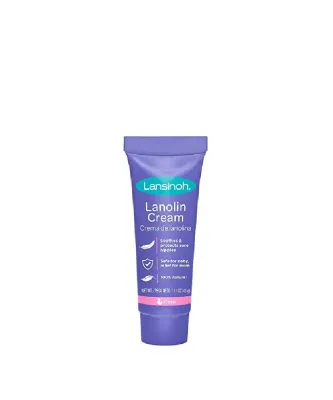
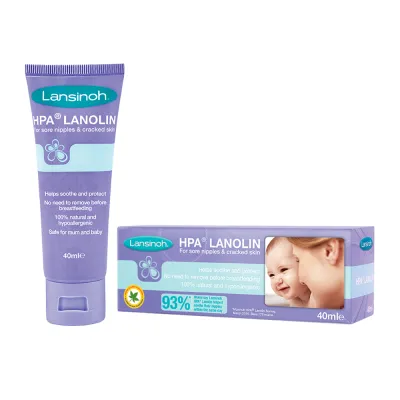
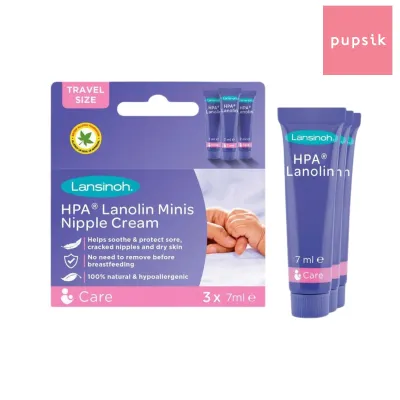
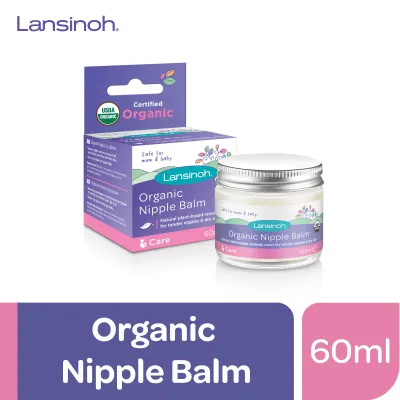
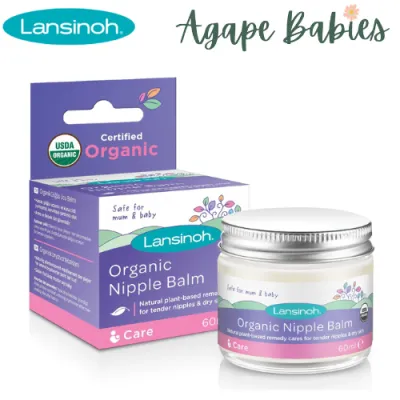
Prices are valid at publication and may change. Please refer to the product page for the latest price.
Observing your baby’s positioning during feeds can offer valuable clues. If you notice your baby’s head is turned away from the breast, or if they must stretch their neck to reach you, they will likely struggle to maintain a deep hold. Furthermore, if your nipple emerges looking pinched, blanched, or white at the tip, this is a clear sign of improper compression that requires adjustment.
Breast pump usage is another common source of mechanical trauma. If your pump flange is too small, your nipple will rub against the sides of the plastic tunnel, causing painful friction and swelling. Conversely, a flange that is too large will pull too much of your sensitive areola into the tunnel, leading to bruising. Using excessively high suction settings does not yield more milk but can easily tear delicate skin fibers, making it crucial to verify your flange size and keep suction comfortable.
In some cases, persistent pain stems from physical factors requiring professional evaluation. An infant tongue-tie or lip-tie can restrict the tongue’s movement, preventing the baby from drawing the breast deep into their mouth. Additionally, a fungal infection such as oral thrush can pass between the baby’s mouth and your skin, causing a sudden onset of burning, itchy, or shooting pain that will not resolve with standard nipple creams alone.
How to Apply Lansinoh Nipple Cream for Maximum Relief
Applying Lansinoh HPA Lanolin correctly is key to establishing a protective barrier that supports the skin’s natural moisture balance. Before applying any cream, always wash your hands thoroughly with warm water and soap to prevent introducing bacteria to open cracks. Once your hands are clean, gently pat your nipples dry with a soft, clean cloth or allow them to air-dry for a few moments, ensuring you do not trap excess moisture beneath the cream.

Because pure lanolin is naturally thick and can be firm when cool, squeeze a small, pea-sized amount onto your fingertips and warm it between your fingers first. Warming the cream softens its texture, making it much easier to apply smoothly without dragging or pulling on already tender skin. Gently pat or massage the softened cream over the entire nipple and areola area, paying extra attention to any visible cracks or particularly sensitive spots.
You do not need to rub the cream in vigorously, as aggressive friction can worsen existing skin tears. A thin, even layer is sufficient to seal in the skin’s natural moisture and shield the nerve endings from air exposure, which is often a major source of throbbing discomfort between feeds. This protective layer also prevents your nursing pads or clothing from sticking to the damaged skin, reducing the risk of pulling off healing tissue when you undress.
Before nursing your baby, always check the specific product packaging and current manufacturer guidelines to verify if the cream needs to be washed off. Lansinoh HPA Lanolin is highly purified and generally formulated so that it does not need to be removed before breastfeeding. However, because product formulations and guidelines can change over time, reading the label on your specific tube ensures you are following the most up-to-date safety instructions.
Complementary Nursing Practices to Prevent Recurrence
To stop the cycle of pain and cracking, you must pair topical relief with proactive adjustments to your daily breastfeeding routine. Focus on achieving a deeper latch by waiting for your baby to open their mouth wide, like a yawn, before bringing them swiftly to your breast, aiming their lower jaw far below the nipple first. If you need to remove your baby from the breast, never pull them off directly; instead, gently slide a clean finger into the corner of their mouth to break the suction seal safely before unlatching.
Alternating which breast you offer first at each feeding session can also help distribute the initial, most intense sucking force more evenly. The baby typically sucks most vigorously on the first breast offered because they are hungriest at the start of the feed. By starting on the less sore side when possible, you allow the more damaged nipple a brief period of rest while still maintaining your milk supply.
Daily hygiene practices should be gentle and minimal to avoid stripping the skin of its natural protective oils. Avoid using harsh body washes, scented soaps, or alcohol-based wipes on your breasts, as these can dry out the skin and make it more prone to cracking. Washing with plain, warm water during your daily shower is entirely sufficient for keeping the area clean, and letting your nipples air-dry completely before putting on a bra helps prevent moisture buildup.
If you use a breast pump, take the time to measure your nipple diameter to ensure you are using the correct flange size. Limit your pumping sessions to the duration recommended by your lactation specialist, usually around fifteen to twenty minutes, to avoid repetitive friction damage. If you experience discomfort while pumping, lower the suction setting to a level that feels comfortable while still allowing milk to flow.
When to Stop Self-Care and Seek Professional Help
While mild soreness can often be managed at home, certain symptoms indicate that your condition requires professional medical evaluation or the guidance of a certified lactation consultant. You should seek help immediately if you notice signs of a localized or systemic infection, such as pus, a foul-smelling discharge, or persistent bleeding from the cracks. Systemic symptoms like a fever, chills, body aches, or a general feeling of flu-like illness are serious warning signs that should never be ignored.
Be vigilant for indicators of mastitis or severely blocked milk ducts, which can escalate quickly if left untreated. If you develop a hard, painful lump in your breast, localized redness that feels hot to the touch, or a wedge-shaped red area spreading outward from your areola, consult a healthcare professional promptly. These symptoms suggest inflammation or infection within the breast tissue itself, which requires targeted medical care rather than topical skin creams.
You should also seek professional assistance if your baby is showing signs of poor weight gain, wet diapers, or general dissatisfaction after feeds, as this may indicate they are not transferring milk effectively. If your nipple pain does not begin to improve after several days of consistent cream application and latch adjustments, do not hesitate to reach out to a specialist. A lactation consultant can observe a feed in person, help refine your positioning, and check for anatomical issues like tongue-tie.
Frequently Asked Questions (FAQ)
Can I use Lansinoh nipple cream if my baby has a lanolin allergy?
If you suspect your baby has a sensitivity or allergy to lanolin, you should avoid using lanolin-based creams and consult your pediatrician. Because Lansinoh HPA Lanolin is derived from sheep’s wool, it contains natural wool alcohols that can trigger reactions in individuals with known wool allergies. Monitor your baby closely for any signs of an allergic reaction, such as an unusual rash around their mouth, persistent skin redness, or unexplained fussiness after feeding. If you observe any of these symptoms, discontinue use immediately, gently clean your breasts with warm water, and seek professional medical advice.
How long does it take for cracked nipples to heal with nipple cream?
The healing timeline for cracked nipples varies significantly depending on the severity of the skin damage and how quickly the underlying cause is resolved. While the cream helps soothe pain immediately by keeping the skin hydrated and preventing dry scabbing, it cannot overcome ongoing mechanical trauma from a poor latch or incorrect pump fit. If the mechanical issues are corrected, minor cracks and soreness can show noticeable improvement within a few days of consistent application. However, if you do not see visible signs of healing or if the pain persists after several days, you should seek a professional assessment.
Should I wash off the cream before pumping breast milk?
You should always check the manufacturer’s instructions on your specific Lansinoh product tube and consult your breast pump’s manual regarding cream removal. While pure lanolin is generally safe for ingestion and does not need to be washed off for the baby, excess cream can sometimes build up on pump parts. Over time, heavy oils and fats can degrade delicate silicone valves or membranes, potentially reducing your pump’s suction efficiency. If your pump manufacturer recommends keeping parts free of heavy oils, gently wipe away any excess cream with a clean, damp cloth before you begin pumping.
Community discussion
Share your experience or ask a question. Comments are reviewed before publication.