
Pumping breast milk directly into a storage bag is a highly efficient method that saves time, minimizes the risk of contamination, and reduces milk loss from transferring liquid between bottles and bags. If you are using Pigeon milk storage bags, you can streamline your breastfeeding routine by connecting the bags directly to your breast pump. To do this safely, you must ensure your equipment is compatible, maintain strict hygiene standards, and follow proper sealing and freezing protocols to preserve the vital nutrients and antibodies in your breast milk.
This guide provides a comprehensive, step-by-step walkthrough for busy parents looking to master this process. From choosing the right adapter for your specific breast pump model to safely thawing the milk for your baby’s next feed, every step requires careful attention. By following these practical instructions, you can confidently build a secure, hygienic, and highly organized breast milk stash.
Preparing Your Equipment and Ensuring Compatibility
Before you begin any pumping session, establishing a clean environment is paramount to protecting your baby’s health. Wash your hands thoroughly with soap and warm water for at least 20 seconds, ensuring you clean under your fingernails and between your fingers. Next, ensure that all breast pump parts that will come into contact with your breast milk—such as the breast shields, valves, and connectors—have been thoroughly washed, sanitized, and completely air-dried according to the manufacturer’s instructions. Any residual moisture can encourage bacterial growth or interfere with the pump’s vacuum seal.
Products mentioned in this guide
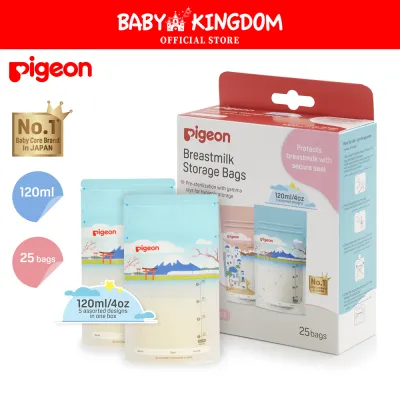
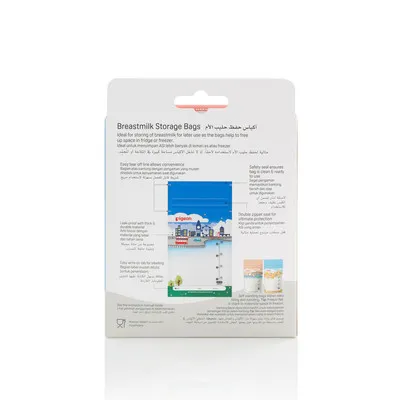
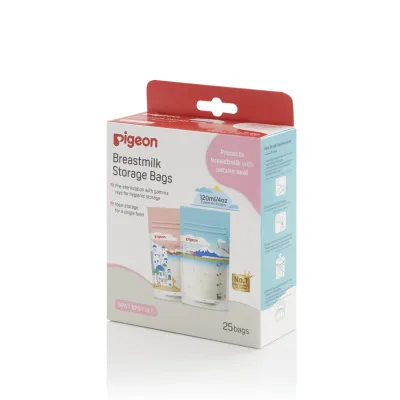
![[4-Pack] Pigeon Breast milk Storage Bags 120ml Holidays](https://img.lazcdn.com/g/p/41c32a4e2cd25d2d79ea90378f1826d3.png_400x400q80.png_.webp)
![[4-Pack] Pigeon Breast milk Storage Bags 180ml Animals](https://img.lazcdn.com/g/p/f2a18d72fff54f1e97a80b29bb2d5d29.png_400x400q80.png_.webp)
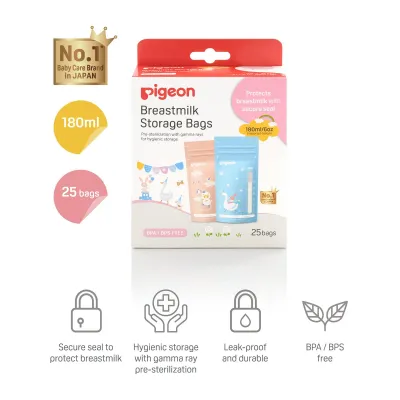
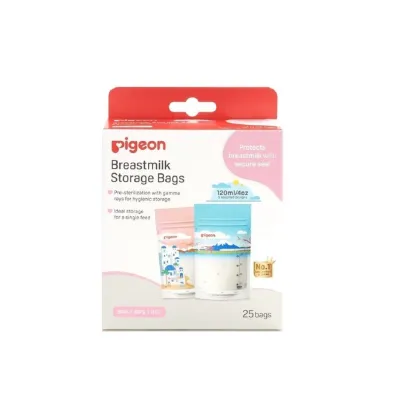
Prices are valid at publication and may change. Please refer to the product page for the latest price.
Once your hands and equipment are clean, you need to verify the physical compatibility between your breast pump and the Pigeon milk storage bags. Pigeon storage bags are designed with a specific opening size and shape. If you are using a Pigeon manual or electric breast pump, the bags may connect directly to the pump body using the brand’s integrated attachment system. However, if you are using a pump from another brand, you will likely need a manufacturer-recommended adapter. These adapters typically screw onto your pump’s flange assembly and feature a secure clip or thread that grips the collar of the storage bag, preventing it from slipping off mid-pump.
Always check your specific breast pump model’s label and the manufacturer instructions for both the pump and the Pigeon milk storage bags before attempting to connect them. If instructions conflict, if the adapter’s compatibility is unidentified, or if your specific pump model is not listed as compatible, stop and consult the manufacturer or a qualified healthcare professional before proceeding. Attempting to force an incompatible connection can lead to spilled milk or damage to your pumping equipment.
Before attaching the bag, inspect the individual packaging of the Pigeon milk storage bag. Ensure that the outer packaging is completely intact and has not been punctured or torn. Check the box for the manufacturer’s expiration date and verify that the bags are labeled as pre-sterilized. Pre-sterilized bags are ready for immediate use and should never be washed or rinsed before pumping. If you notice any signs of damage to the bag’s seal, or if the packaging has been compromised, discard that bag immediately and select a new one to prevent introducing bacteria to your expressed milk.
Step-by-Step Guide to Pumping Directly Into the Bag
To begin pumping directly into the Pigeon milk storage bag, you must first establish a secure physical connection. If your setup requires an adapter, screw the adapter firmly onto the breast shield or connector of your pump. Open the zip seal of the Pigeon bag gently, taking care not to touch the inside of the neck or the interior of the bag with your fingers, as this maintains its sterile environment. Slide the bag’s collar onto the adapter’s attachment clips or screw mechanism. Ensure the bag is gripped evenly on both sides; an uneven connection can cause the bag to tilt, slip, or tear under the weight of the accumulating milk.

Once the bag is attached, pay close attention to your physical positioning during the pumping session. Sit in a comfortable, upright position that allows the pump flange to seal flat against your breast while letting the storage bag hang straight down. Allowing gravity to assist ensures that the expressed milk flows smoothly from the pump tunnel directly into the bottom of the bag. Avoid leaning too far forward or backward, as this can cause milk to pool around the pump valve or the neck of the bag, increasing the risk of leaks or suction loss.
As the milk begins to fill the bag, monitor the volume closely. Pigeon milk storage bags feature clear, printed measurement markings on the front, but these are most accurate when the bottom of the bag is fully expanded. Never fill the bag past the manufacturer’s printed maximum fill line. Breast milk expands as it freezes. If you fill the bag to the very top, the expanding liquid will put immense pressure on the plastic seams and the zip seal, which often leads to leaks, tears, or a complete rupture inside your freezer.
When you have finished pumping, turn off the breast pump motor first and wait for the suction to release completely before attempting to remove the bag. Attempting to pull the bag off while the pump is still pulling a vacuum can damage the bag’s collar or cause a sudden spill. Hold the filled bag upright with one hand while gently releasing the clips or unscrewing the adapter with the other. Place the bag on a clean, flat surface immediately to keep it stable while you prepare to seal it.
Sealing, Labeling, and Preparing for the Freezer
Sealing your Pigeon milk storage bag correctly is a critical step in preventing freezer burn and maintaining the nutritional quality of your breast milk. Before closing the seal, you must remove excess air from the bag. Excess air trapped inside the bag can cause the milk to oxidize faster, which degrades beneficial lipids and antibodies over time. To remove the air, hold the bag upright just below the zip track. Gently squeeze the bag from the milk line upward, pushing the air out of the top. Be careful not to squeeze too hard, or you may force milk out of the opening.
Once the air is removed, press the zip track firmly together starting from one side and sliding your fingers to the opposite end. Pigeon bags are equipped with a high-security double zipper designed to prevent leaks. Run your thumb and forefinger along the track a second time to verify that the seal is entirely closed and that no gaps remain. You should feel the tracks interlocking securely. If the bag has a fold-over tab or safety seal, fold it down according to the manufacturer’s instructions to provide an extra layer of protection against accidental opening.
Immediately after sealing, write the details on the bag’s integrated label area. Always write the information before freezing, as writing on a frozen, uneven surface is highly difficult and can puncture the cold plastic. Use a permanent marker or a ballpoint pen designed for plastic surfaces; avoid sharp pencils, fine-tip metal pens, or any writing instrument that could scratch or pierce the bag. Record the exact date and time of the pumping session, along with the estimated volume of milk. If your baby attends childcare, it is also wise to write your baby’s full name on the label to prevent mix-ups.
Safe Freezing and Storage Best Practices
To optimize your freezer space and preserve the biological integrity of your breast milk, you should freeze the bags flat. Laying the filled, sealed Pigeon milk storage bags flat on a clean freezer shelf or inside a dedicated tray allows the milk to freeze quickly and evenly. Quick freezing prevents the formation of large ice crystals, which can damage the delicate proteins in the milk. Once the bags are frozen solid into thin, flat “bricks,” you can stack them vertically or horizontally inside a storage bin, which maximizes your freezer’s capacity.
When choosing a spot in your freezer, always place the bags in the coldest, most temperature-stable area, which is typically at the back of the freezer shelf or bottom drawer. Avoid storing milk bags in the freezer door or near the front of the shelf. The temperature in these areas fluctuates significantly every time the freezer door is opened, which can lead to partial thawing and refreezing, accelerating the degradation of the milk’s nutrients and increasing the risk of bacterial growth. Singapore’s warm and humid climate also means that freezer doors are highly susceptible to ambient warm air drafts, making deep storage even more critical.
Refer to standard health authority guidelines, such as those from the Health Promotion Board in Singapore or your pediatrician, to determine safe storage durations. Generally, breast milk can be stored in a standard home freezer (around -18°C) for up to 3 to 6 months, though using it within 3 months is ideal for optimal quality. Always organize your stored milk using a “first in, first out” (FIFO) system. Arrange your frozen milk bricks chronologically so that the oldest milk is positioned at the front or top of the stack, ensuring it is consumed first before its quality begins to decline.
Thawing and Warming Stored Breast Milk Safely
Thawing breast milk requires a gentle touch to preserve its immunological properties and ensure it is safe for your baby. The safest method is to transfer the frozen Pigeon milk storage bag from the freezer to the refrigerator overnight. This slow thawing process typically takes about 12 hours and keeps the milk at a safe, constant temperature. If you need to thaw the milk quickly, place the sealed bag into a clean bowl filled with lukewarm water. Monitor the water temperature to ensure it does not become hot, and replace the water as it cools down to speed up the process.
Never use a microwave or boiling water to thaw or warm your breast milk. Microwaves heat liquids unevenly, creating localized “hot spots” that can easily burn your baby’s sensitive mouth even if the container feels cool to the touch. Furthermore, high heat from microwaves or boiling water destroys the heat-sensitive antibodies, enzymes, and beneficial proteins that make breast milk so valuable. Excessive heat can also cause the plastic of the storage bag to degrade or leach chemicals, compromising the safety of the feed.
During storage, breast milk naturally separates into a watery layer and a thick, creamy layer of fat that rises to the top. This separation is entirely normal. Once the milk is completely thawed, gently swirl the bag in a circular motion to reintegrate the layers. Avoid shaking the bag vigorously, as violent agitation can break down the delicate structure of the milk’s proteins and protective immunoglobulins. Once the milk is uniform, carefully pour it into a clean, sterilized feeding bottle.
Adhere strictly to safe handling timelines once the milk has been thawed. If you thawed the milk in the refrigerator, it can safely remain there for up to 24 hours from the moment it is completely defrosted. If you thawed the milk in warm water, it must be used within 2 hours. Under no circumstances should you ever refreeze thawed breast milk, as this introduces a significant risk of bacterial contamination and further degrades the milk’s nutritional value. If your baby does not finish a bottle within 2 hours of starting a feed, discard the leftover milk.
Frequently Asked Questions (FAQ)
Can I wash and reuse Pigeon milk storage bags?
No, Pigeon milk storage bags are strictly designed and manufactured for single-use only. They are pre-sterilized during production to ensure they are completely hygienic for your baby. Attempting to wash, sanitize, or boil these bags at home is highly discouraged. Household cleaning methods cannot guarantee complete sterilization of the bag’s interior corners and zip tracks. Furthermore, the heat from sterilization or the friction of washing can degrade the plastic material and weaken the double zip seal, leading to leaks, tears, and a high risk of bacterial contamination during subsequent uses.
Do I need to sterilize the bags before pumping into them?
No, you do not need to sterilize Pigeon milk storage bags before using them. These bags are pre-sterilized and sealed during the manufacturing process, making them completely sterile and ready to use straight out of the box. To maintain this sterile state, always wash your hands thoroughly before handling the bags. When opening a new bag, handle it only by the outer edges and the pull-tabs of the zip seal. Avoid touching the inside of the neck or inserting your fingers into the bag, as this can introduce bacteria and compromise the sterile environment.

Community discussion
Share your experience or ask a question. Comments are reviewed before publication.