
Properly using a nursing pad is essential for maintaining both physical comfort and skin health during your breastfeeding journey. To prevent leaks and avoid painful skin irritation, you must select the correct pad material for your milk flow, position it securely and flush against the breast, and change it immediately when damp—typically every three to four hours. In Singapore’s warm and highly humid climate, managing moisture is particularly challenging, as trapped wetness can quickly lead to skin breakdown or infections. By establishing a consistent hygiene and replacement routine, you can protect your skin barrier while confidently managing unexpected let-downs.
Understanding the Role of Nursing Pads in Breast Health
During the breastfeeding journey, your body adjusts to the demands of your infant, often resulting in unpredictable milk release. Breast milk leakage is a natural physiological occurrence driven primarily by the let-down reflex. This reflex is triggered by the hormone oxytocin, which causes the tiny muscles around your milk-producing glands to contract and squeeze milk into the ducts. This reflex can occur when you hear your baby cry, when you think about your baby, or simply when your breasts become full. Because this reflex often occurs in both breasts simultaneously, leakage on the non-feeding side is incredibly common during nursing sessions.
While leaking is a normal sign of a healthy milk supply, leaving the skin of your breasts wet for extended periods carries distinct physiological risks. Prolonged exposure to moisture leads to skin maceration, a condition where the outer layer of the skin softens, breaks down, and becomes highly susceptible to damage. The friction caused by a wet pad rubbing against the sensitive skin of the nipple and areola can quickly lead to painful chafing, cracked skin, and soreness.
Products mentioned in this guide
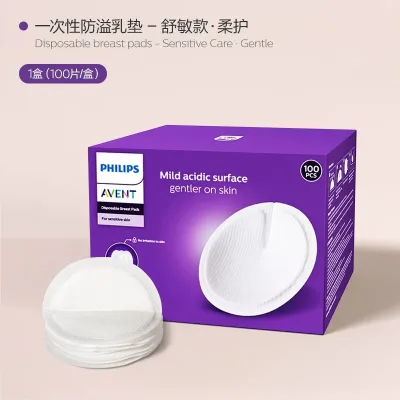
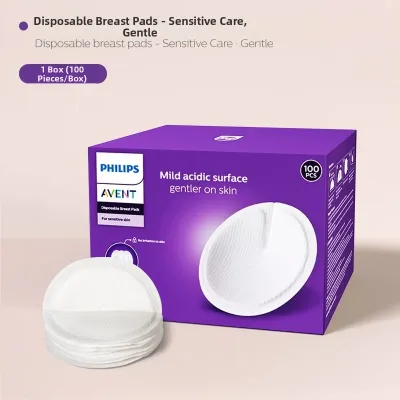
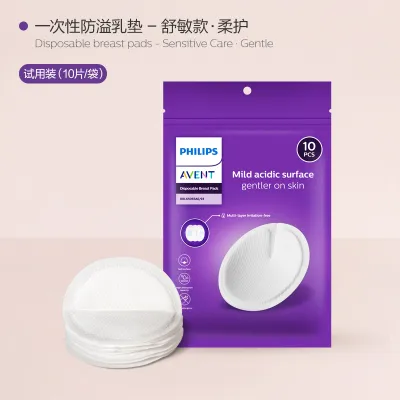
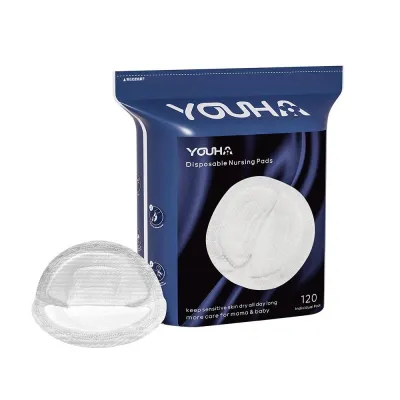
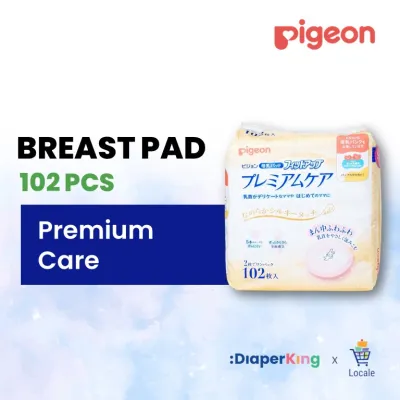
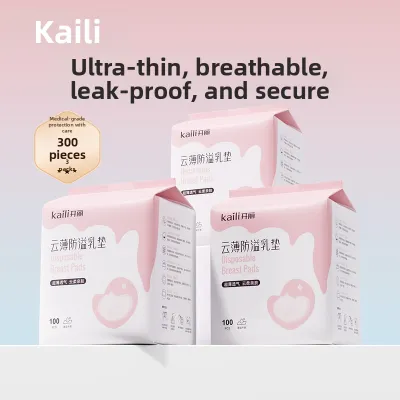
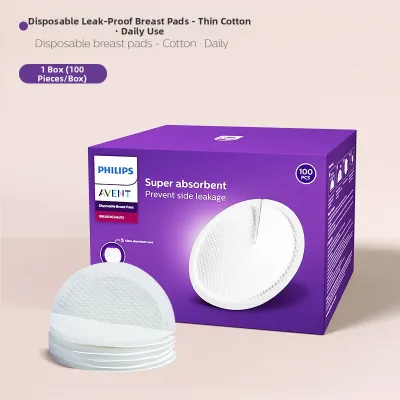
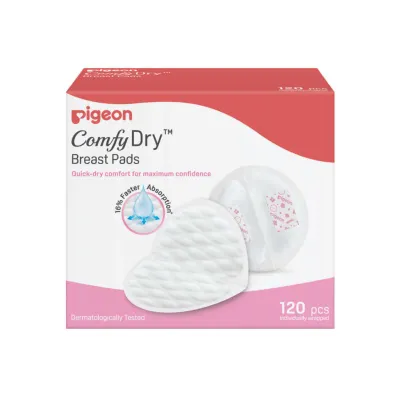
Prices are valid at publication and may change. Please refer to the product page for the latest price.
Furthermore, warm, dark, and damp environments are the ideal breeding ground for microorganisms. Fungal pathogens, specifically Candida albicans, thrive under these conditions, increasing the risk of developing thrush—a painful yeast infection that can affect both your nipples and your baby’s mouth. Correctly utilizing a high-quality nursing pad acts as an active, protective barrier. It absorbs excess milk, pulls moisture away from your skin, and maintains a dry, hygienic microclimate that supports natural healing and prevents infection.
Choosing the Right Nursing Pads for Your Flow and Skin
Selecting the appropriate nursing pad requires balancing your physiological needs with your daily lifestyle and environment. In Singapore’s warm and humid climate, choosing breathable materials is especially important to prevent moisture buildup and skin irritation. High ambient humidity reduces the rate of natural evaporation, meaning that a non-breathable pad can trap sweat alongside leaked milk, rapidly accelerating skin irritation. Understanding the differences between disposable and reusable options allows you to customize your protection.

Disposable Nursing Pads
Disposable nursing pads are highly favored for their convenience and exceptional absorbency. Most disposable options feature a specialized core made of superabsorbent polymers (SAP) that lock fluid away in a gel form, keeping the surface layer remarkably dry even during heavy let-downs. This high capacity makes them ideal for the early postpartum weeks when your milk supply is still regulating and leakage is at its peak.
Disposables are also highly practical for travel, outings, or busy days when washing laundry is not feasible. When selecting disposable pads, look for options that explicitly feature breathable outer backings and ultra-soft, textured top sheets. Avoid brands that use plastic-like outer layers, as these trap heat and humidity against your skin, compounding the risk of chafing and rash development in tropical climates.
Reusable (Washable) Nursing Pads
Reusable nursing pads offer an eco-friendly and highly cost-effective alternative to disposables. Typically constructed from multiple layers of fabric, these pads are designed to be washed and worn repeatedly. For mothers with highly sensitive, easily irritated, or cracked skin, natural fibers like organic cotton, bamboo, or hemp are often much gentler than synthetic disposable materials.
Bamboo, in particular, is highly regarded for its exceptional softness and natural moisture-wicking properties, providing a soothing feel against tender nipples. However, reusable pads generally have a lower absolute fluid capacity than high-absorbency disposables, meaning they require more frequent changes. They also demand a disciplined hygiene and washing routine to ensure they remain completely sanitary and free from bacterial colonization.
How to Position and Secure Nursing Pads for Maximum Protection
To achieve maximum leak protection and avoid localized skin irritation, nursing pads must be positioned and secured with care. Incorrect placement can lead to bypass leaks, while a crumpled or shifting pad can create pressure points that irritate your skin. Follow these sequential steps to ensure optimal placement and comfort:
Step 1: Hygiene First Before handling a fresh nursing pad or touching your breasts, wash your hands thoroughly with soap and warm water for at least 20 seconds. This simple step is critical in preventing the introduction of bacteria or fungi to your nipples, which may have micro-tears or heightened sensitivity from breastfeeding.
Step 2: Correct Positioning Unpack or unfold the pad and center it directly over your nipple. The most absorbent core of the pad must cover the entire areola and extend slightly beyond it to catch lateral leaks. If the pad is contoured, ensure the contoured shape aligns naturally with the curve of your breast to prevent gaps.
Step 3: Securing the Pad If you are using disposable pads, peel off the protective backing of the adhesive strips and press the pad firmly against the inside cup of your bra. For reusable pads, which typically do not have adhesive, rely on a well-fitting, supportive nursing bra to hold the pad snugly and flat against your breast. Ensure the pad does not fold over itself as you lift your bra cup into place.
Step 4: Checking the Fit Once your bra is fastened, perform a quick comfort check. Ensure your bra is not overly tight; excessive compression can restrict local milk flow, leading to painful plugged ducts or increasing the risk of mastitis. The pad should lie completely flat against the skin without bunching, folding, or creating uncomfortable pressure points.
When and How to Change Pads to Keep Skin Dry and Healthy
Maintaining a dry environment is the single most critical factor in preventing skin irritation, chafing, and infections. Leaving a damp pad against your breast compromises the skin barrier and invites bacterial growth. Establishing a proactive changing routine is essential for long-term comfort.
Frequency Guidelines As a general rule, you should change your nursing pad immediately after every feeding session if it has become wet. During the day, even if you do not feel a major let-down, aim to replace your pads at least every three to four hours. Even slight dampness from minor, unnoticed leaks can accumulate and irritate the skin over several hours, especially in humid conditions.
Nighttime Strategies Because you are likely to go longer stretches without changing your pads while sleeping, transition to highly absorbent overnight pads before bed. These pads are specifically designed with a wider surface area and thicker absorbent cores to handle prolonged use. Change them immediately upon waking to minimize the time your skin is exposed to overnight moisture.
Visual and Tactile Cues Do not wait for a major leak to occur before taking action. Change the pad as soon as you feel a sensation of warmth, dampness, or heaviness. If you notice any milk strike-through on your clothing, it is a clear sign that the pad’s absorbent core has reached its capacity and must be replaced immediately.
Gentle Removal When removing adhesive disposable pads, peel them away slowly and carefully to avoid pulling on sensitive skin. If a pad has dried and stuck to a cracked or sore nipple, do not pull it off forcefully, as this can tear the healing skin. Instead, pat the back of the pad with a small amount of warm water to soften the dried milk, allowing the pad to release gently and painlessly.
How to Wash and Care for Reusable Nursing Pads
Proper hygiene and maintenance of washable nursing pads are vital to ensure they remain safe, absorbent, and free from bacterial or fungal growth. Because these pads come into direct contact with your baby’s feeding source, their care routine must prioritize sanitation and skin safety.
Pre-Wash Rinsing Immediately after removing a damp reusable pad, rinse it thoroughly under cold running water. Cold water is highly effective at breaking down milk proteins and preventing them from setting into the fabric fibers. Rinsing immediately prevents stubborn staining and discourages the sour odor associated with dried breast milk.
Washing Instructions Wash your nursing pads using a baby-safe, fragrance-free, and hypoallergenic laundry detergent. Avoid standard commercial detergents that contain heavy perfumes, optical brighteners, or dyes, as these chemical residues can easily irritate your skin and be transferred to your baby’s mouth during feeding. Strictly avoid the use of fabric softeners or dryer sheets; these products leave a thin, hydrophobic coating on fabric fibers that drastically reduces the pad’s absorbency over time. Always check the manufacturer’s care label to verify the maximum recommended water temperature.
Drying Methods Whenever possible, air dry your washed nursing pads in direct sunlight. Ultraviolet (UV) rays provide natural sanitizing benefits and help fade stubborn milk stains. If you prefer to use a clothes dryer, select a low-heat setting to prevent shrinking or damaging any waterproof outer layers. It is absolutely critical that the pads are 100% dry before you store or reuse them; storing even slightly damp pads can lead to mold and mildew growth, rendering them unsafe for use.
Troubleshooting Leaks, Rashes, and Shifting Pads
Even with careful use, you may occasionally encounter challenges like persistent leaks, skin rashes, or shifting pads. Understanding how to troubleshoot these common issues allows you to make quick, comfortable adjustments.
Dealing with Persistent Leaks
If you are experiencing frequent leaks despite wearing nursing pads, begin by evaluating whether the pad’s absorbency matches your current milk flow. During the early weeks of breastfeeding, or if you have an oversupply, standard daytime pads may saturate quickly. Upgrading to heavy-flow or dedicated overnight variants can provide the extra capacity you need.
Additionally, examine the fit of your bra. If your bra is too loose or lacks structure, it will fail to hold the pad flush against your breast, creating gaps where milk can escape. Ensure your nursing bra offers snug, supportive coverage that keeps the entire pad in direct contact with your skin.
Preventing Skin Irritation and Rashes
If you develop redness, itching, or chafing, your skin may be reacting to synthetic materials, chemical fragrances, or trapped moisture. Switch immediately to 100% natural fiber, fragrance-free nursing pads, such as those made from organic cotton or bamboo. After nursing or showering, allow your breasts to air-dry completely for a few minutes before putting on a fresh pad.
If you apply nipple creams or purified lanolin to soothe soreness, verify the product label to ensure it is safe for breastfeeding and apply only a thin layer as directed. Avoid heavy applications that can transfer to the nursing pad and block its absorbent pores.
Safety Boundary: If skin irritation is accompanied by deep, burning breast pain, shiny or flaky skin on the nipple and areola, or sharp, shooting pains during or after feedings, stop self-treating. Consult a lactation consultant or a healthcare professional immediately, as these symptoms often indicate a fungal infection like thrush or a bacterial infection such as mastitis, which require medical treatment.
Stopping Pad Shifting and Bunching
A shifting or bunching pad is highly frustrating and can lead to uneven absorption and localized friction. This issue is almost always related to bra fit or pad design. A bra that is too loose allows the pad to migrate freely as you move.
To resolve this, ensure your nursing bra fits snugly without causing discomfort. If you prefer reusable pads, look for nursing bras that feature built-in pad pockets, which lock the fabric insert securely in place. If you prefer disposables, ensure you are utilizing the adhesive strips correctly, or switch to a brand that features wider, dual-adhesive zones for enhanced stability.
Frequently Asked Questions (FAQ)
Can I use regular sanitary pads as nursing pads?
Using regular sanitary pads or panty liners as nursing pads is highly discouraged. Sanitary pads are anatomically shaped for a completely different part of the body and are designed to absorb menstrual blood, which has a different viscosity than breast milk. Furthermore, many sanitary pads feature plastic backing layers and chemical fragrances that trap heat and moisture, which can quickly irritate the delicate skin of your breasts and increase the risk of infection. They may also contain superabsorbent materials that are not safe if trace residues are accidentally ingested by your infant.
How do I know if my nipple pain is from the nursing pad or a latch issue?
It is important to differentiate between surface-level skin irritation and deeper structural pain. Pain caused by a nursing pad is typically surface-level, presenting as chafing, stinging, or localized redness on the skin of the nipple or areola due to friction or trapped moisture. In contrast, pain caused by a poor latch is usually felt deep within the breast or nipple, often peaking sharpest at the start of a feeding session, and may result in cracked, bleeding, or misshapen nipples after nursing. If you experience persistent, deep, or worsening pain, seek a professional evaluation from a certified lactation consultant to address your baby’s latch.
Should I wear nursing pads all day even if I am not leaking?
During the first few weeks postpartum, wearing nursing pads continuously is a highly practical precautionary measure. During this phase, your milk supply is still adapting to your baby’s needs, and unexpected let-downs can occur at any time. Once your milk supply stabilizes—typically around six to eight weeks postpartum—and you no longer experience spontaneous leaks, you can gradually transition to wearing them only when necessary. Many mothers choose to wear them only during long outings, while sleeping, or when they know they will be away from their baby for a few hours.

Community discussion
Share your experience or ask a question. Comments are reviewed before publication.