
Introducing solid foods is an exciting milestone in your baby’s development, and single-grain cereals are often the first step in this transition. Gerber oatmeal is a popular choice for many parents due to its smooth texture and nutritional profile. Preparing and introducing this cereal safely requires understanding your baby’s developmental readiness, mastering the correct mixing techniques, and gradually adjusting the texture as your baby grows. By following a careful, step-by-step approach, you can ensure a positive and safe weaning experience for your little one.
Successful weaning relies on matching the food’s consistency to your baby’s physical capabilities. In the beginning, the goal is not to provide a full meal, but to help your baby learn how to swallow non-liquid foods. This guide outlines how to identify readiness signs, prepare the oatmeal with appropriate liquids, and troubleshoot common challenges that may arise during the process.
When and How to Start Introducing Gerber Oatmeal
Embarking on the weaning journey is a significant milestone for both you and your baby. Before introducing Gerber oatmeal, it is essential to observe your baby for clear signs of developmental readiness rather than relying solely on age. Most infants show readiness around six months, but individual timelines vary. Look for key physical indicators: your baby should be able to sit upright with minimal support, maintain excellent head and neck control, and show a keen interest in the food you are eating. If your baby leans forward when food is presented or reaches out for your spoon, these are positive signs that they may be ready to transition to solids.
Products mentioned in this guide
![Gerber Organic Oatmeal Baby Cereal 227G - From 6 Months [Lids may vary]](https://img.lazcdn.com/g/p/3fb85d6155c54d3f1cad64e6bb90279b.jpg_400x400q80.jpg_.webp)
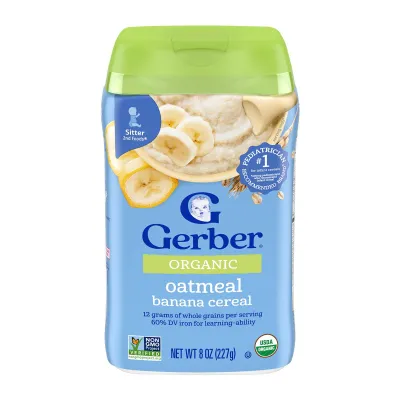
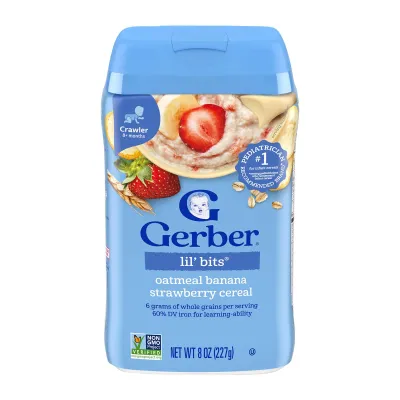
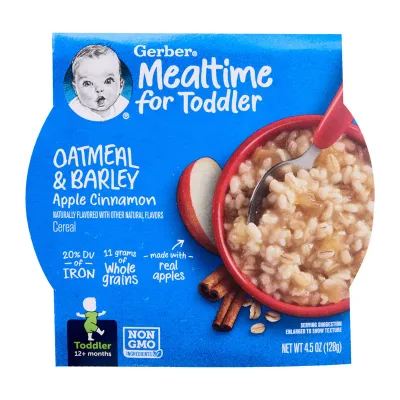
Prices are valid at publication and may change. Please refer to the product page for the latest price.
Before opening the package, take a moment to carefully review the product label. Gerber oatmeal comes in different formulations tailored to specific developmental stages, such as “Supported Sitter” or “Sitter”. Verify that the product matches your baby’s current stage. Additionally, check the ingredient list for any potential allergens and look for details regarding iron fortification. Around the six-month mark, a baby’s natural iron stores begin to deplete, making iron-fortified cereals a common choice to help meet their nutritional needs. Ensure the packaging is intact and has not expired before preparation.
Creating a safe and calm feeding environment is just as important as the food itself. Always place your baby in a secure, upright high chair equipped with a safety harness. This posture minimizes the risk of choking and helps them focus on learning how to swallow. Never leave your baby unattended during meals; constant adult supervision is mandatory to ensure safety. Keep the feeding environment free from distractions like television or mobile screens, allowing your baby to focus entirely on the new sensory experience of eating.
Step-by-Step Preparation and Mixing Guide
Proper hygiene is the foundation of safe food preparation for infants. Before you begin, wash your hands thoroughly with soap and warm water for at least twenty seconds. Ensure that the preparation area, including the countertop, is clean. All utensils, bowls, and spoons used for the baby should be thoroughly washed in hot, soapy water or sterilized. In Singapore’s warm and humid climate, bacteria can multiply rapidly on damp surfaces, so it is crucial to dry all feeding equipment completely with a clean towel or air-dry them in a protected space before use.

When preparing Gerber oatmeal, selecting the right liquid base is key to a smooth transition. You can mix the dry cereal with breastmilk, infant formula, or cooled boiled water. Using breastmilk or prepared formula is highly recommended for the initial feedings because the familiar taste can comfort your baby and make the new texture less intimidating. If you choose to use water, ensure it has been boiled thoroughly and allowed to cool to room temperature. Avoid using raw tap water or unpasteurized liquids, and always consult your pediatrician if you have questions about the best liquid base for your baby’s specific nutritional needs.
To achieve a safe starting consistency, follow a gradual mixing framework. For the very first feeding, the mixture should be highly diluted—almost like a runny liquid with just a hint of cereal. This thin consistency allows your baby to practice swallowing without having to chew. Refer to the manufacturer’s package instructions for the recommended starting ratio, which typically involves mixing a small spoonful of cereal with a larger volume of liquid. Stir the mixture thoroughly until it is completely smooth and free of lumps. If the consistency appears too thick, add a few drops of your chosen liquid until it reaches a runny, pourable state.
Before offering the prepared oatmeal to your baby, you must verify its temperature to prevent accidental burns. If you used warm breastmilk, formula, or water to mix the cereal, stir the bowl thoroughly to distribute the heat evenly and eliminate any hidden hot spots. Test the temperature by placing a small drop of the prepared oatmeal on the inside of your wrist. The skin on your wrist is highly sensitive and will accurately tell you if the food is too hot. The oatmeal should feel lukewarm or cool to the touch before it is safe to feed to your baby.
Adjusting Texture and Portions as Your Baby Grows
As your baby becomes more adept at swallowing runny cereal, you can gradually transition to a thicker texture. This progression is vital for developing the oral motor skills required for chewing more complex foods later on. Over several weeks, slowly decrease the amount of liquid you add to the dry Gerber oatmeal, moving from a liquid consistency to a soft, paste-like texture. Pay close attention to how your baby manages this change; if they swallow easily without spitting up or gagging, they are likely ready for the next level of thickness.
Determining the right portion size is not about forcing your baby to finish a specific amount, but rather about learning to read their natural hunger and fullness cues. In the beginning, your baby may only take one or two small spoonfuls of oatmeal. This is completely normal, as the primary goal of early weaning is sensory exploration and learning. Watch for signs that your baby has had enough, such as turning their head away from the spoon, closing their mouth firmly, spitting out the food, or becoming fussy and distracted. Respecting these cues helps foster a healthy relationship with food from the very start.
Once your baby has successfully tolerated single-grain Gerber oatmeal for a few weeks without any adverse reactions, you can begin introducing mixed ingredients to expand their palate. This transition should be done gradually and when developmentally appropriate. You can stir a small spoonful of smooth fruit puree, such as unsweetened applesauce or mashed banana, or a mild vegetable puree, like pureed pumpkin or sweet potato, directly into the prepared oatmeal. Introduce only one new ingredient at a time and wait three to five days before introducing another, allowing you to easily identify the source of any potential food sensitivities.
Troubleshooting Common Feeding Challenges
It is entirely common for babies to experience some resistance when first introduced to solid foods. If your baby refuses the spoon, turns their head away, or spits the oatmeal out, try to remain patient and avoid forcing the issue. This behavior often indicates that they are simply not ready, are too tired, or are already full from their milk feed. You can try offering the oatmeal at a different time of day when they are alert but not overly hungry. Letting them touch the oatmeal with their fingers can also help them get comfortable with the new texture before tasting it.
The introduction of solid foods can sometimes lead to changes in your baby’s digestive system, with mild constipation being a frequent concern for parents. If you notice your baby’s stools becoming hard or infrequent, ensure they are receiving adequate hydration through regular breastmilk or formula feeds. You can also discuss with your pediatrician whether adjusting the mixing liquid or incorporating specific fruit purees, like prune or pear, into the oatmeal might help ease digestion. If constipation persists or causes your baby discomfort, seek professional medical advice.
While introducing new foods is exciting, it is crucial to remain vigilant for any signs of allergic reactions or food intolerances. When offering Gerber oatmeal, especially during the first few times or when mixing in new ingredients, monitor your baby closely during and after the feed. Look for observable signs such as hives, redness or swelling around the mouth, vomiting, diarrhea, or sudden congestion. If you observe any of these symptoms, stop feeding the oatmeal immediately and consult your pediatrician. For severe symptoms, such as difficulty breathing or widespread swelling, seek emergency medical care without delay.
Frequently Asked Questions (FAQ)
Can I save leftover Gerber oatmeal for the next meal?
No, you should always discard any leftover oatmeal that remains in the feeding bowl after a meal. When your baby eats, their saliva is transferred from the spoon back into the bowl. Saliva contains enzymes and bacteria that begin breaking down the food immediately, which can lead to rapid bacterial growth if the leftovers are stored and reheated. To prevent foodborne illness, prepare only a small amount of oatmeal for each feeding. For unused dry cereal, ensure the packaging is tightly sealed after each use and store it in a cool, dry pantry, away from direct sunlight and moisture, to maintain freshness.
Is it safe to mix Gerber oatmeal with cow's milk?
According to general pediatric guidelines, whole cow’s milk should not be introduced as a primary drink for infants under twelve months of age, as their digestive systems are not yet equipped to process it fully. However, when it comes to preparing solid foods like Gerber oatmeal, using small amounts of cow’s milk as an ingredient is sometimes permissible for older infants, provided they have shown no signs of dairy allergies. Always check the age-specific recommendations on the product packaging and consult your pediatrician or healthcare provider before introducing cow’s milk in any form to ensure it is safe for your baby’s developmental stage.
How do I know if the oatmeal is too thick for my baby?
You can determine if the oatmeal is too thick by observing your baby’s physical reactions during feeding. If the mixture is inappropriate for their current developmental stage, your baby may gag excessively, cough, push the food out of their mouth with their tongue repeatedly, or show signs of frustration and distress. While mild gagging can be a normal part of learning to swallow, persistent difficulty indicates the texture is too advanced. If you notice these signs, immediately thin the mixture by stirring in a small amount of breastmilk, formula, or cooled boiled water until it reaches a smoother, more manageable consistency.
Community discussion
Share your experience or ask a question. Comments are reviewed before publication.