
Using an ergonomic baby carrier is a highly convenient way to keep your little one close while navigating busy streets, public transit, or local shopping malls. However, ensuring your baby is positioned correctly is not just about comfort; it is a fundamental safety requirement. A properly adjusted carrier supports your baby’s physical development and keeps their breathing passages completely clear during every journey.
To ride safer on your daily outings, you must understand how to align your baby’s body to protect their airway, spine, and hips. In tropical climates like Singapore, where heat and humidity are constant factors, correct positioning also plays a vital role in temperature regulation. By mastering a few essential checks and adjustment techniques, you can confidently enjoy the benefits of babywearing while keeping your baby secure and comfortable.
Pre-Ride Checks Before Positioning Your Baby
Before you place your baby into any carrier, a thorough pre-ride inspection is essential to ensure a secure environment. Start by verifying that your baby’s current weight, age, and height fall strictly within the manufacturer’s specified limits. Using a carrier that is too large for a newborn can lead to slipping or airway obstruction, while exceeding the maximum weight limit can compromise the structural integrity of the gear.
Products mentioned in this guide

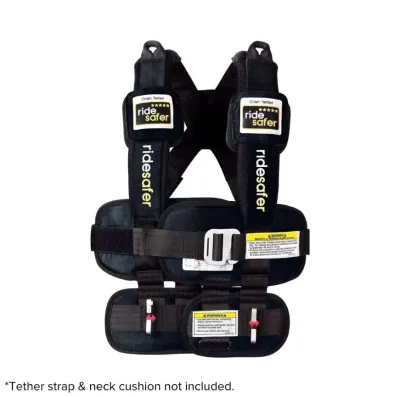
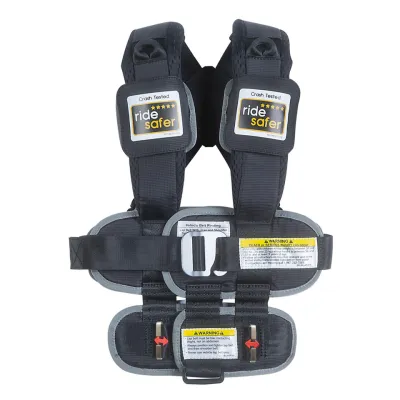
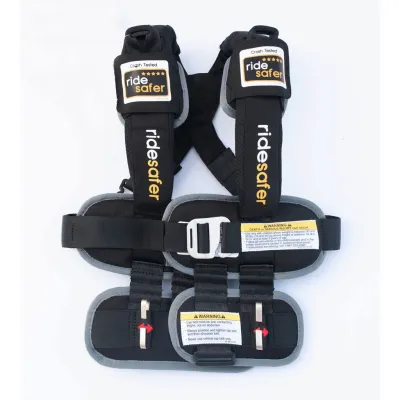
Prices are valid at publication and may change. Please refer to the product page for the latest price.
Next, inspect the physical condition of the carrier itself. Examine all plastic buckles for cracks, test the tension of the adjustment webbing, and check the seams and fabric panels for any signs of fraying or tearing. Even a small tear in a load-bearing seam can quickly expand under the baby’s weight, posing a serious fall hazard.
Finally, consider the clothing your baby is wearing. Because babywearing wraps both of you in multiple layers of fabric, overheating can occur rapidly, especially during outdoor walks in warm weather. Dress your baby in lightweight, breathable layers made of natural fibers like cotton. Avoid bulky outfits or heavy sleepsuits that can interfere with the carrier’s straps or cause your baby’s temperature to rise dangerously. Additionally, when shopping for accessories or replacement parts, avoid purchasing unbranded, non-certified items from online marketplaces to save a few dollars; investing in genuine, manufacturer-approved accessories (which typically cost around S$20 to S$40) ensures that all safety standards are fully maintained.
Step-by-Step Positioning for Airway, Spine, and Hip Safety
Placing your baby in an ergonomic carrier requires a systematic approach to ensure every safety buckle is engaged correctly. While the general sequence involves securing the parent’s waistband first, you must always consult your specific carrier’s instruction manual for the exact clipping and buckling order.

Never rush this process; taking an extra moment to support your baby’s weight with your hands while adjusting the fabric panels ensures they do not slip during the transition. Once the baby is positioned against your chest, you can proceed to secure the shoulder straps and safety clips to lock the ergonomic position in place.
Protecting the Airway and Neck
The most critical aspect of babywearing safety is maintaining an open and unobstructed airway. A baby’s neck muscles are weak in the early months, making them highly susceptible to positional asphyxiation if their head slumps forward. To prevent this, always ensure your baby’s face remains completely uncovered, visible, and close enough for you to monitor their breathing at all times.
A reliable way to verify this is the “close enough to kiss” rule: you should be able to easily kiss the top of your baby’s head simply by tipping your chin downward. Check that there is always a clear gap of at least two fingers between your baby’s chin and their chest. If the chin is pressed tightly against the chest, it can restrict the airway and limit oxygen intake.
For newborns lacking full head control, utilize the carrier’s built-in head and neck support features exactly as directed by the manufacturer. Never use makeshift supports or loose fabrics that are not approved by the manufacturer, as these can easily shift and cover the baby’s nose and mouth.
Supporting Healthy Hips and Spine Curvature
An ergonomic carrier is designed to support the natural physical development of your baby’s hips and spine. When positioning your baby, refer to the manufacturer’s instructions to adjust the seat width to match your baby’s size. The fabric of the carrier seat must extend fully from one knee crease to the other, supporting the thighs without forcing the knees into an unnatural, stretched, or pinned position.
This correct leg posture is often referred to as the “M-position” or “spread-squat position.” In this alignment, the baby’s knees are slightly higher than their bottom, and their thighs are spread around the parent’s torso. This position keeps the hip joint stable and reduces the risk of hip dysplasia.
In addition to hip safety, pay close attention to the curvature of your baby’s spine. A newborn’s spine naturally curves in a gentle “C” shape. The carrier should support this natural curve rather than forcing the baby’s back into a rigid, flat position against your chest. Ensure the back panel is snug enough to prevent slumping but flexible enough to allow the spine to maintain its natural contour.
Adjusting the Straps and Waistband for Stability
Achieving a secure and stable fit requires precise adjustment of the carrier’s straps and waistband. Start by tightening the waistband so that it sits snugly on your hips or natural waist. The waistband acts as the primary load-bearing element; if it is too loose or positioned too low, the baby’s weight will pull downward, causing strain on your shoulders and lower back while allowing the baby to sag into an unsafe position.
Once the waistband is secure, adjust the shoulder straps to bring the baby’s body close to your chest. The baby should be positioned high enough on your torso that their weight is distributed evenly across your center of gravity. If the baby is riding too low, tighten the shoulder straps gradually until the baby’s head is resting comfortably just below your chin.
Finally, secure the chest clip or cross-straps depending on your carrier’s design. This clip prevents the shoulder straps from slipping off your shoulders as you move, ensuring an even distribution of weight that keeps the carrier stable during long walks or daily errands.
Common Positioning Mistakes and When to Stop
Even experienced parents can occasionally make positioning mistakes that compromise safety. One common error is allowing the baby to slump down inside the carrier, which often happens when the straps are too loose. Slumping can cause the baby’s chin to drop to their chest or allow the carrier’s fabric to bunch up and cover their face. If you notice any slumping, immediately support your baby with your hands, loosen the straps, reposition their body, and retighten the carrier.
Another mistake is improper leg positioning, where the baby’s legs hang straight down instead of being supported in the M-position. This “joey” position puts unnecessary pressure on the hip joints. Always check that the seat fabric is pulled fully to the back of the baby’s knees to maintain the correct ergonomic spread.
During your outing, remain highly attentive to your baby’s physical cues. Watch for signs of overheating, such as flushed skin, sweating, or rapid breathing. If your baby exhibits persistent fussiness, shows signs of breathing difficulty, or consistently rejects the carrier despite multiple adjustments, stop the ride immediately, remove them from the carrier, and consult a pediatrician.
Adapting the Carry as Your Baby Grows
As your baby grows and reaches new developmental milestones, their positioning needs will change. You must regularly review the manufacturer’s specified age, weight, and physical milestones before attempting to transition to a new carrying position, such as forward-facing or back carrying.
For a forward-facing carry, most manufacturers require the baby to have strong, consistent head and neck control, which typically develops around four to six months of age. Facing outward too early can strain a baby’s neck and spine. When using the forward-facing position, make sure to adjust the carrier’s seat width using the built-in buttons, sliders, or Velcro tabs to ensure the legs are still supported in a safe, comfortable position.
As your baby gains length and weight, you will also need to adjust the height of the back panel to provide adequate support for their growing torso. When transitioning to a back carry, always practice the transition over a soft surface or with the help of another adult until you are fully confident.
Frequently Asked Questions (FAQ)
Can I use a rolled blanket to support my newborn's neck in the carrier?
No, you should never use loose items like rolled blankets, towels, or toys inside the carrier to support your newborn’s neck. These items are not secured to the carrier and can easily shift during movement, creating a serious suffocation or airway hazard if they press against the baby’s face. Instead, rely solely on the carrier’s approved infant inserts or built-in neck support features designed and tested specifically for your carrier model. If your carrier requires a proprietary insert for newborns, ensure it is installed exactly according to the manufacturer’s instructions.
How do I know if the carrier is too tight around my baby's legs?
To determine if the carrier is too tight around your baby’s legs, check their skin for deep red marks or indentations after you remove them from the carrier. While light, temporary marks are normal, deep or persistent red indentations indicate that the fabric or leg openings are pinching the skin and restricting circulation. Verify that the leg openings allow for natural, unrestricted movement of the lower legs and feet. Always refer to the manufacturer’s fit guide to adjust the seat width or padding to ensure a snug yet comfortable fit.

Community discussion
Share your experience or ask a question. Comments are reviewed before publication.