
Performing a gentle breast massage before nursing or pumping is a highly effective, natural way to stimulate the let-down reflex and encourage steady milk flow. By using light, targeted hand movements, you can signal your body to release oxytocin—the hormone responsible for contracting the milk ducts and pushing milk forward. This simple preparation helps empty the breasts more efficiently, reduces pumping time, and can make the overall feeding experience much more comfortable.
The key to successful breast massage lies in using soft, non-painful pressure and moving in harmony with your body’s anatomy. Rather than applying deep force, which can irritate sensitive breast tissue, you will use gentle circular motions, light stroking from the chest wall toward the nipple, and soft shaking. This guide outlines how to prepare your environment, master the step-by-step manual techniques, integrate massage into your pumping or nursing routine, and recognize when to seek professional guidance.
Preparing for Breast Massage: Timing and Environment
Establishing a consistent routine begins with timing your massage to align with your baby’s hunger cues or your scheduled pumping sessions. Massaging your breasts approximately five to ten minutes before you plan to nurse or pump provides ample time to stimulate the let-down reflex without rushing. If you are pumping on a strict schedule, incorporating this brief preparation into your pre-pump routine helps transition your body from a state of active daily tasks to a focused feeding state.
Products mentioned in this guide
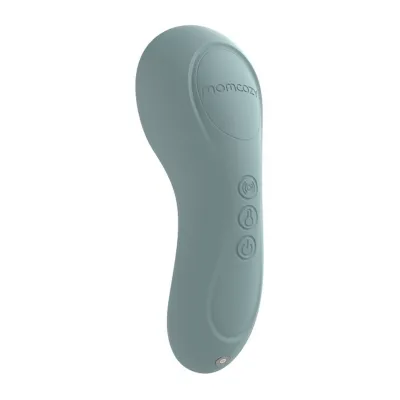
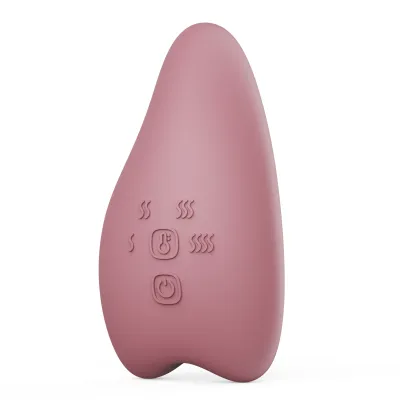

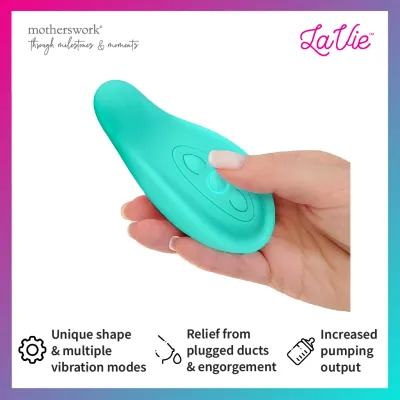
Prices are valid at publication and may change. Please refer to the product page for the latest price.
Creating a calm, comfortable physical environment is equally important because stress and anxiety can actively inhibit the release of oxytocin. Find a quiet space where you can sit comfortably with proper back support, away from distractions or cold drafts. In Singapore’s humid climate, adjusting your air conditioning or fan to a comfortable, moderate temperature can prevent sudden chills that might cause your muscles to tense up.
Strict hygiene is a non-negotiable prerequisite before you touch your breasts, pump parts, or feeding accessories. Always wash your hands thoroughly with warm water and soap for at least twenty seconds, paying close attention to the areas under your fingernails and between your fingers. Clean hands minimize the risk of introducing unwanted bacteria to the delicate skin of the nipple and areola, protecting both your breast health and your infant’s safety.
You may also choose to apply a warm compress to your breasts for a few minutes before starting the massage to help relax the milk ducts. If you use reusable warm gel packs or washcloths, verify that the temperature is comfortably warm rather than hot to avoid skin irritation or burns. Always check the manufacturer guidelines for any breast pump accessories or breast pads you plan to use, as some materials should not be exposed to direct heat or moisture.
Step-by-Step Breast Massage Techniques for Let-Down
To begin the massage, place your hands in a comfortable position that allows you to support the breast while maintaining complete control over the pressure. One common approach is the “C-hold,” where you place your thumb on top of the breast and your fingers underneath, forming the letter C. Keep your fingers several centimeters away from the areola to avoid compressing the nipple itself, ensuring your touch remains light and supportive.

The pressure applied during breast massage must always be gentle and entirely pain-free. Delicate breast tissue and milk ducts sit just beneath the skin, meaning that deep, aggressive force is unnecessary and can cause bruising or internal swelling. If you feel any pain or discomfort, immediately lighten your touch; the sensation should feel more like a soothing stroke than a deep-tissue massage.
Begin your strokes at the outer edges of the breast, near the chest wall, underarm, or collarbone, and move slowly toward the nipple. This direction aligns with the natural pathway of the milk ducts, helping to coax the milk forward toward the nipple openings. Use the flat pads of your fingers rather than your fingertips or nails to glide smoothly across the skin, maintaining a steady, rhythmic pace.
Incorporate gentle circular motions by placing two or three fingers on a specific spot on the breast and pressing lightly while moving in small circles. After a few seconds in one spot, lift your fingers and move to an adjacent area, gradually working your way around the entire breast in a spiral pattern. This localized stimulation helps address areas of fullness and encourages milk to move through individual duct pathways.
Another effective technique is light shaking, which uses gravity to help encourage milk movement. Lean forward slightly so your breasts hang naturally, cup each breast gently with one or both hands, and shake them very softly from side to side or up and down. This relaxed movement can help relieve tension in the chest muscles and support the initial phase of the let-down reflex.
Always adjust your techniques and pressure based on how your breasts feel at that specific moment. On days when your breasts feel particularly full or engorged, you may need to use an even lighter, feather-like touch to avoid discomfort. Pay close attention to your skin’s sensitivity, and modify your hand placement if you notice any areas that feel tender or warm to the touch.
Combining Massage with Pumping or Nursing
Once you feel the physical signs of a let-down or notice a few drops of milk, transition smoothly to latching your baby or attaching your breast pump. If you are pumping, carefully center the pump flanges over your nipples, ensuring a secure seal against the skin without losing the relaxed state you just cultivated. If you are nursing, bring your baby to your breast immediately while your body is actively releasing the hormones that support milk flow.
You can continue to use gentle breast compression during your pumping or feeding session to help maintain a steady flow of milk. When you observe that the milk flow has slowed down or the baby is no longer actively swallowing, place your hand around the breast in a C-shape. Apply a gentle, steady squeeze to the breast tissue without sliding your fingers across the skin, holding the compression until the flow increases or the baby resumes active sucking, then release.
Recognizing the physical signs of a successful let-down reflex helps you understand how your body responds to the massage. Many mothers experience a distinct tingling, warm, or “pins and needles” sensation in the breasts, while others simply notice a sudden change in milk flow, such as rapid dripping or spraying. If you do not feel these physical sensations, do not worry, as some women experience successful let-downs without any noticeable physical feelings.
If you are using a double breast pump, you can alternate your focus or adjust the pump’s suction settings based on the observed milk flow and your comfort level. Start the pump on its expression or stimulation mode, which mimics the fast, shallow sucks of a baby, and transition to the expression mode once milk begins to flow. If the flow slows down, you can temporarily switch back to the stimulation mode and perform brief, gentle compressions to encourage a secondary let-down.
Safety Guidelines and When to Seek Professional Support
While breast massage is generally a safe and beneficial practice, it is crucial to recognize the signs that your pressure is too deep or aggressive. If you notice skin redness that does not fade quickly, localized bruising, or persistent soreness after massaging, your touch is likely too firm. Delicate breast tissue can easily become inflamed, which can actively restrict milk flow by compressing the surrounding ducts.
There are specific conditions that require you to stop massaging immediately and seek professional medical advice. If you experience sharp, shooting pain, notice a localized red patch that feels hot to the touch, or develop a fever and flu-like symptoms, these can be signs of a blocked duct or mastitis. Massaging an actively inflamed or infected breast with heavy pressure can worsen the condition and spread the inflammation.
Avoid using aggressive, hard plastic massage tools, vibrating devices, or deep-tissue rollers on your breasts unless specifically recommended by a healthcare professional. Your hands are the safest and most sensitive tools available, as they allow you to feel the exact density of the tissue and adjust your pressure instantly. Relying on manual techniques ensures you remain fully in tune with your body’s comfort limits.
Always consult a certified lactation consultant or your healthcare provider if you experience persistent low milk supply, ongoing pain during feeding, or difficulty latching. These professionals can evaluate your nursing posture, check your baby’s latch, and provide a personalized plan tailored to your specific needs. Breast massage is a supportive tool, but it should complement, rather than replace, professional clinical guidance when challenges arise.
Frequently Asked Questions (FAQ)
Can I use massage oils or lotions during breast massage?
Using massage oils or lotions is generally not recommended directly before nursing or pumping due to the risk of infant ingestion and equipment interference. If you choose to use a skin product to reduce friction, verify that the ingredients are completely safe for infant consumption and free from strong fragrances that might deter your baby. Before latching your baby or attaching a breast pump flange, thoroughly clean your breasts with water to remove any residue, ensuring a proper hygienic seal and preventing the pump parts from slipping.
How long should a breast massage session last before pumping?
A typical breast massage session before pumping or nursing should last approximately three to five minutes, focusing on physical comfort rather than a rigid timer. Pay close attention to your body’s cues, such as a warm sensation, tingling, or the appearance of milk droplets, which indicate that the let-down reflex has been triggered. Stop the massage immediately if you experience any hand fatigue, skin irritation, or physical discomfort, and transition directly to your feeding or pumping routine.
Community discussion
Share your experience or ask a question. Comments are reviewed before publication.