
Creating a comfortable feeding station is one of the most effective ways to support your postpartum recovery and ensure a relaxed feeding experience for your baby. While a dedicated nursing chair offers excellent structural support, pairing it with a high-quality nursing pillow elevates your baby to the correct height, protecting your body from long-term strain. Achieving the perfect setup requires understanding how these two pieces of furniture interact to support your posture, your baby’s latch, and your overall comfort.
When you align these two tools correctly, you remove the physical stress of holding a growing baby for hours every day. Instead of tensing your shoulders or hunching forward, you can sit back and let the furniture do the heavy lifting. This guide explains how to pair your nursing chair and pillow to create an ergonomic, safe, and highly comfortable feeding environment in your home.
The Ergonomic Benefits of Pairing a Nursing Chair and Pillow
A nursing chair and a nursing pillow serve two distinct but complementary ergonomic functions. The chair provides the necessary structural support for your back, neck, and hips, keeping your body in a neutral, relaxed position. Meanwhile, the nursing pillow acts as a height-adjustable platform that lifts your baby directly to breast or bottle level. Together, they eliminate the physical gap between your lap and your baby, allowing you to feed without compromising your spinal alignment.
Products mentioned in this guide

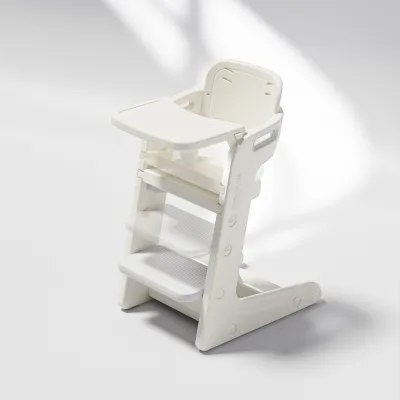
Prices are valid at publication and may change. Please refer to the product page for the latest price.
During frequent and prolonged feeding sessions, the weight of your baby can quickly strain your shoulders, arms, and lower back. Without a pillow, you are forced to hold the baby’s weight using your arm muscles, which leads to fatigue and muscle tension. Without a supportive chair, you may find yourself slumping or leaning to one side. Combining a supportive chair with a firm pillow transfers the baby’s weight away from your upper body, preventing common postpartum physical complaints like “nursing neck” and lower back spasms.
Furthermore, this combination is crucial for achieving and maintaining a proper latch. A successful latch requires bringing the baby to your breast, rather than leaning your breast down to the baby. When you hunch forward, you change the angle of the nipple and make it harder for your baby to latch deeply, which can cause nipple soreness and inefficient feeding. By using a nursing pillow to elevate your baby and a chair to keep your back upright, you naturally facilitate a deeper, more comfortable latch.
How to Match Your Nursing Pillow to Your Chair Design
Not every nursing pillow fits perfectly into every nursing chair. The physical dimensions of your chair—specifically the width of the armrests, the depth of the seat, and the angle of the backrest—will dictate which pillow shape and style will work best for your setup. Before purchasing or combining these items, always check the manufacturer’s dimensions and weight limits for both products to ensure they can safely support you and your baby.

In Singapore, where nursery space in HDB flats or apartments is often carefully planned, selecting a chair and pillow combination that fits your room’s footprint is also essential. A bulky chair with an oversized pillow might restrict your movement or make it difficult to get in and out of the seat safely while holding your baby. Measuring your chair’s interior seat width is the first step to ensuring your chosen pillow will lay flat without bunching up or tilting.
Chairs with Wide or Padded Armrests
If your nursing chair features wide, heavily padded armrests, you have a built-in advantage. These armrests can act as structural extensions of your nursing pillow, offering excellent lateral support. When you place a C-shaped or U-shaped pillow on your lap, the wide armrests help keep the sides of the pillow stable and prevent them from shifting outward under the baby’s weight.
However, thick armrests can sometimes lift a thick nursing pillow too high, especially if you have a shorter torso. If your chair has high, plush armrests, look for a thinner or wedge-style nursing pillow. This prevents your baby from being positioned too close to your chin, which would force you to shrug your shoulders to keep your arms in a natural position.
Armless or Narrow-Arm Chairs
Armless chairs or those with very narrow, unpadded arms offer more freedom of movement but lack lateral support for your elbows and the sides of the pillow. Without armrests to anchor the pillow, a standard C-shaped cushion can easily slide forward or gap away from your waist, causing your baby to roll inward toward your lap.
To solve this, pair narrow or armless chairs with a full-wrap or U-shaped nursing pillow that features an adjustable tie-strap or silent-release buckle. Securing the strap around your waist keeps the pillow firmly anchored to your body, even without armrest support. Additionally, placing a firm, separate lumbar cushion behind your lower back can help push your torso slightly forward, compensating for the lack of armrest leverage and keeping your spine aligned.
Recliners and Gliders
Gliders and reclining nursing chairs are popular for their soothing motion, but their shifting angles require careful pillow pairing. When you recline or glide, your center of gravity shifts backward. If your nursing pillow is not secured to your body, this backward tilt can cause the pillow to slide up your torso, moving the baby away from your chest and disrupting the feed.
For gliders and recliners, a nursing pillow with a secure waist strap is highly recommended to keep the baby stable during motion. Avoid using exceptionally bulky or rigid pillows in deep recliners. A pillow that is too thick can push the baby’s head too far forward when the chair is tilted back, making it difficult to maintain eye contact and monitor your baby’s airway.
Step-by-Step Guide to Setting Up Your Feeding Station
Setting up your feeding station correctly before you bring your baby to the chair prevents mid-feed adjustments that can disrupt your baby’s latch or strain your muscles. Follow this step-by-step sequence to ensure optimal alignment and comfort.
Step 1: Position the Chair: Place your nursing chair in a quiet, well-ventilated area of the room, away from direct drafts but with access to soft, dimmable lighting. Position a stable footstool or ottoman directly in front of the chair. Elevating your feet slightly on a footstool relieves pressure on your lower back and thighs, helping you maintain a relaxed posture throughout the feed.
Step 2: Secure Your Posture: Sit all the way back in the chair so your hips touch the backrest and your spine is fully supported. If there is a gap between your lower back and the chair, insert a small, firm lumbar cushion to maintain the natural curve of your spine. Relax your shoulders down and away from your ears, ensuring your neck feels loose and tension-free.
Step 3: Place the Pillow: Position the nursing pillow across your lap, pulling it snugly against your abdomen. If your pillow has a waist strap, buckle it securely but comfortably. The pillow should sit flat on your thighs and rest at a height that allows your forearms to rest naturally on its surface without you needing to shrug your shoulders or lean forward.
Step 4: Position the Baby: Pick up your baby and place them on the nursing pillow, turning their entire body toward you so their tummy is directly touching your tummy. Ensure the baby’s head, neck, and spine are aligned in a straight line, with their nose level with your nipple. Your baby’s head should rest on the firmer part of the pillow, not in a soft crevice.
Step 5: Check the Latch and Adjust: Bring your baby’s mouth to your breast or bottle nipple, allowing them to latch while keeping your back firmly against the chair. If you feel any pulling in your shoulders or tension in your neck, do not lean forward to accommodate the baby. Instead, adjust the setup by sliding a small folded blanket under the nursing pillow to raise its height, or tucking a small cushion under your elbow for extra support.
Adjusting Your Setup for Different Feeding Positions
As your baby grows and your feeding routine develops, you may want to utilize different feeding positions. Each hold requires specific adjustments to how you position your nursing pillow and angle your nursing chair to maintain proper ergonomics.
Cradle and Cross-Cradle Holds
The cradle and cross-cradle holds are the most common upright positions, ideal for newborns who require close head support. For these holds, place the thickest, firmest part of your nursing pillow directly across your lap to support the baby’s torso and hips.
Sit in an upright, non-reclined position in your chair. Rest your elbows on the chair’s armrests while your forearms support the baby’s head and back on top of the pillow. This setup keeps your shoulders completely relaxed and prevents your arms from carrying the baby’s physical weight, allowing you to focus on guiding the latch with your free hand.
Football (Clutch) Hold
The football hold is highly beneficial for mothers recovering from a Caesarean section, as it keeps the baby’s weight off the abdomen, and it is also excellent for feeding twins or managing a fast milk let-down. To set this up, shift your nursing pillow to the side of your hip, wrapping it around your side rather than your front.
Your nursing chair must have a wide enough seat to accommodate the baby’s legs extending along your side. Rest your baby’s body along the pillow under your arm, using the chair’s armrest to support the outer edge of the pillow and your forearm. This provides a stable, secure cradle for the baby’s back while keeping your front clear of pressure.
Laid-Back or Reclined Nursing
Laid-back nursing, or biological nurturing, utilizes gravity to help your baby latch naturally while allowing you to rest. To achieve this, recline your nursing chair to a semi-flat, comfortable angle (approximately 45 degrees). Rather than placing the nursing pillow across your lap, use a wedge pillow or a folded nursing pillow behind your baby’s back or under your own arms to provide gentle, stable support.
While reclined feeding is incredibly relaxing, it requires strict safety precautions. Never allow yourself to fall asleep while nursing your baby in a reclined chair, as this poses a significant risk of the baby slipping or suffocating in the chair’s crevices. Always ensure your baby’s face is fully visible, their airway remains completely clear and unobstructed, and you maintain active supervision throughout the entire feed.
Common Setup Mistakes and Safety Warnings
Even with high-quality equipment, small setup errors can lead to physical discomfort for you or safety hazards for your baby. Recognizing these common mistakes allows you to make quick, effective corrections.
Mistake: The Pillow is Too Low: If your nursing pillow is too flat or your torso is long, the pillow may sit too low on your lap, forcing you to hunch forward to feed. This posture quickly strains your neck and upper back. Fix: Do not lean down. Instead, place a firm cushion or a folded cotton blanket underneath the nursing pillow to raise it to the correct height, or switch to an adjustable-height nursing pillow.
Mistake: Gaps Between Pillow and Body: If there is a gap between the nursing pillow and your waist, your baby can easily slide into the gap, causing their body to twist and disrupting their latch. Fix: Always pull the pillow tightly against your torso before placing your baby on it. If your pillow has a waist strap or belt, fasten it securely to eliminate any gaps.
Mistake: Using Soft, Unsupportive Cushions: Standard bed pillows or decorative throw cushions are too soft and compress easily under a baby’s weight. This causes the baby to sink, which can compromise their airway and strain your arms as you try to support them. Fix: Always use a firm, purpose-built nursing pillow designed to support an infant’s weight without collapsing.
Safety Boundary: A nursing pillow is strictly a feeding aid and must only be used for supervised, awake feeding sessions. Never leave your baby unattended on a nursing pillow, and never use a nursing pillow as an infant sleep positioner. Elevated surfaces like nursing chairs increase the risk of a baby rolling off if left unsupervised, so always return your baby to a safe, flat sleep space if they fall asleep after feeding.
Frequently Asked Questions (FAQ)
Can I use regular bed pillows instead of a dedicated nursing pillow on my chair?
While regular bed pillows can provide temporary elevation in a pinch, they are not recommended for daily, long-term feeding. Standard pillows are typically too soft and compress easily, which fails to provide the stable, consistent height needed to keep your baby aligned with your breast or bottle. This lack of support forces you to tense your muscles or hunch forward, leading to physical strain. Furthermore, soft bed pillows pose a safety risk if a baby sinks into the material, potentially obstructing their airway. A dedicated, firm nursing pillow is specifically designed to support your baby’s weight safely and maintain its shape over time.
How do I keep the nursing pillow from slipping on a leather or smooth nursing chair?
Smooth chair materials like leather, faux leather, or polished wood can cause a nursing pillow to slide out of place when you move. To prevent this friction issue, place a non-slip grip mat (such as a clean drawer liner) or a textured cotton blanket between the chair seat and the nursing pillow. This adds the necessary traction to keep the pillow stable. Additionally, choosing a nursing pillow with an adjustable waist strap allows you to secure the pillow directly to your body, anchoring the setup independently of the chair’s surface material.
Community discussion
Share your experience or ask a question. Comments are reviewed before publication.