
Finding the correct breast pump flange size is essential for a comfortable and efficient milk expression journey. To choose the right Medela flange size, you must measure the diameter of your nipple base in millimeters and compare this measurement to the manufacturer’s sizing guidelines. A proper fit ensures that milk flows freely without causing friction, pain, or tissue damage. Because your body changes throughout pregnancy and the postpartum period, taking an accurate measurement before you begin pumping—and checking it periodically—helps maintain both your comfort and your milk supply.
Why the Right Flange Size Matters for Comfort and Output
Using a breast pump should not be a painful experience. The flange, which is the funnel-shaped plastic piece that contacts your breast, must accommodate your nipple comfortably during the rhythmic suction cycles of the pump. When the flange is sized correctly, your nipple moves freely within the tunnel, allowing the pump to stimulate the breast tissue and express milk effectively.
If the flange tunnel is too small, your nipple will rub against the plastic walls during expression. This constant friction can lead to soreness, chafing, and skin breakdown. Over time, the compression of the nipple tissue can restrict milk ducts, potentially leading to painful blockages, engorgement, or localized swelling that further impedes milk flow.
Products mentioned in this guide
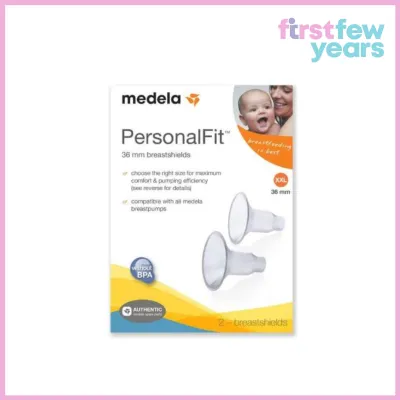
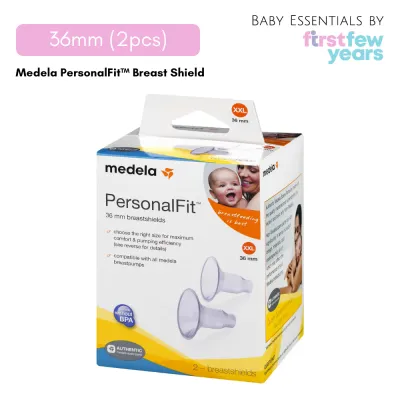
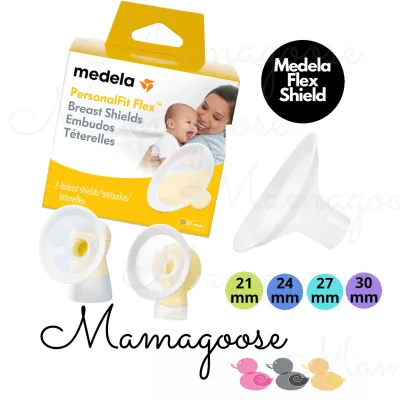

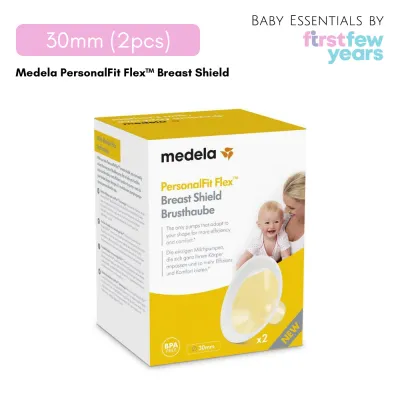
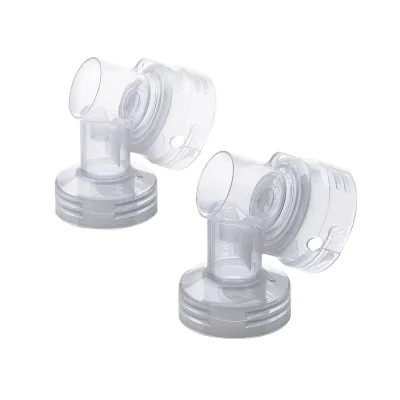
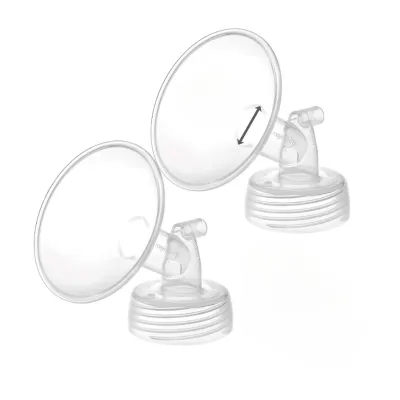
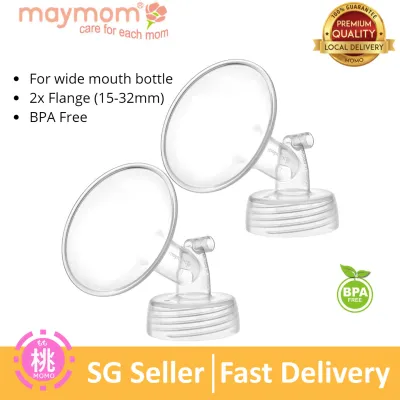
Prices are valid at publication and may change. Please refer to the product page for the latest price.
Conversely, a flange that is too large presents a different set of challenges. When the tunnel diameter is excessive, the pump’s vacuum draws too much of the surrounding areola into the flange. This can cause the delicate tissue of the areola to swell, bruise, and become highly sensitive. The excess tissue in the tunnel also blocks the natural compression needed to empty the milk ducts, resulting in poor suction efficiency and a noticeable drop in milk output.
Securing a proper fit is not merely about avoiding temporary discomfort; it is a fundamental aspect of protecting your breast tissue and supporting a healthy lactation experience. When the fit is correct, the pump can mimic a baby’s natural nursing pattern more closely, which helps sustain your milk supply over the long term.
Tools You Need for an Accurate Measurement
Before you begin the measurement process, gathering the correct tools is necessary to ensure you obtain a precise reading. Because nipple measurements are highly sensitive and require millimeter-level accuracy, the choice of measuring instrument directly impacts your final selection.

A rigid ruler marked clearly with millimeter increments is an excellent tool for this task. Alternatively, you can use a specialized nipple measuring tool, which is often a circular sizing card made of plastic or heavy cardstock with pre-cut holes of various millimeter diameters. These tools allow you to find the exact circle that fits comfortably around the base of your nipple without compressing it.
Flexible sewing measuring tapes are generally unsuitable for this specific measurement. These tapes are designed to wrap around larger curves of the body and can easily stretch, bend, or slip when you attempt to measure a flat, small diameter. This flexibility often leads to inaccurate readings that can cause you to select the wrong flange size.
To ensure the ruler or sizing tool is positioned correctly, it is highly beneficial to stand in front of a well-lit mirror. If a mirror is not practical, you may ask a partner or a lactation consultant for assistance. Having a clear, straight-on view prevents parallax errors, which occur when you view the measurement scale from an angle and misread the actual millimeter markings.
Step-by-Step Guide to Measuring Your Nipple Base
Measuring your nipple base accurately requires a methodical approach to ensure you are measuring only the relevant tissue. The goal is to determine the width of the nipple itself, completely excluding the surrounding areola.
Start by locating the exact boundary where the base of your nipple meets the darker skin of the areola. Place your rigid ruler or sizing tool directly against this boundary. If you are using a ruler, align the zero mark with one edge of the nipple base and read the measurement straight across to the opposite edge. If you are using a circular sizing card, find the smallest hole that fits over your nipple without pinching or pressing into the tissue.
Always record your measurements in millimeters. Breast pump manufacturers, including Medela, standardise their flange sizes using millimeter measurements rather than inches or generic small, medium, and large labels. Converting or guessing measurements can lead to purchasing the wrong product.
It is essential to measure both nipples individually. Natural asymmetry is very common, and many individuals find that one nipple is slightly larger or smaller than the other. If there is a noticeable difference, you may need to use a different flange size for each breast to ensure optimal comfort and milk expression on both sides.
Before taking your baseline measurement, consult the manufacturer’s instructions regarding whether to measure your nipples at rest or after mild stimulation. Some guidelines suggest measuring when the nipple is erect after gentle stimulation, as this can represent the shape of the nipple during active pumping. Others recommend a resting measurement as the starting baseline. Following the specific brand’s protocol ensures your starting numbers align with their sizing charts.
How to Select Your Medela Flange Size
Once you have your millimeter measurements, the next step is to translate those numbers into the correct product size. Rather than relying on general assumptions or what friends have used, you should consult the official Medela sizing chart. This chart is typically available on the manufacturer’s website, within the product packaging, or in the user manual of your breast pump.
The sizing chart works by matching your physical nipple measurement to a corresponding flange size. Medela generally recommends selecting a flange size that is slightly larger than your actual nipple diameter to allow room for expansion during pumping. For example, the manufacturer’s guidelines often suggest adding a specific margin—typically two to three millimeters—to your base measurement to find the correct tunnel diameter. Always verify their current, official recommendation to ensure you are applying the correct formula.
It is also important to verify the exact flange sizes available in your region. Product lineups, material options, and naming conventions can vary across different markets. Medela offers several standard sizes, such as 21 mm, 24 mm, 27 mm, 30 mm, and 36 mm, but availability can change. Checking local retailers or official brand distributors ensures you select a size that is currently in stock and compatible with your specific pump model.
How to Tell If Your Flange Fit Is Incorrect
Even with careful measurement, you must verify the fit by observing how your body responds during an active pumping session. Physical sensations and visual cues are the most reliable indicators of whether your flange size is correct.
Perform a visual check while the pump is running. Watch the movement of your nipple inside the flange tunnel. If the flange is the correct size, your nipple should move freely in and out of the tunnel without rubbing against the sides, and very little to no areola tissue should be drawn into the tunnel. If you see your nipple rubbing constantly against the plastic walls, or if a significant portion of your areola is being pulled inside, the fit is incorrect.
Pay close attention to physical sensations during and after expression. Pumping should feel like a gentle tugging or pulling sensation, not a pinch, squeeze, or sharp pain. If you experience pinching, friction burns, deep aching, or numbness in your nipple or breast tissue, stop the pump immediately. Persistent discomfort is a clear sign that the flange size needs adjustment.
Monitor your milk output as well. If you notice that your milk yield is unusually low, or if your breasts still feel heavy and full after a full pumping session, the flange may not be stimulating the tissue correctly or may be compressing your milk ducts. Ensure your pump’s vacuum and cycle settings are adjusted to a comfortable level before attributing low output solely to the flange fit.
Always observe the primary safety rule: if you experience pain, skin damage, bleeding, or severe swelling, pause your pumping session immediately. Continuing to pump with an ill-fitting flange can cause tissue damage that may take time to heal. Reassess your measurements, check the alignment of the flange, and consult a lactation professional if the discomfort persists.
When to Remeasure Your Nipples
Your breast and nipple tissue are dynamic, meaning that a flange size that fits perfectly during the first week postpartum may not be the correct size a few weeks later. Natural changes in tissue elasticity and size occur throughout your breastfeeding journey.
During pregnancy and the early postpartum days, hormonal shifts and the onset of milk production can cause temporary swelling or changes in breast shape. As your milk supply stabilizes and your body adjusts to lactation, your nipples may change in size or become more elastic. This elasticity can affect how far the nipple stretches into the flange tunnel during pumping.
Fluctuations in breast fullness, such as engorgement or changes in your overall milk supply, can also temporarily alter how a flange fits. If your breasts are highly engorged, the tissue at the base of the nipple may swell, requiring a larger size temporarily until the engorgement subsides.
If you experience a sudden decrease in pumping comfort or efficiency, or if you notice that your milk output has dropped without any changes to your pump settings or routine, it is time to remeasure. Periodic checks ensure that your equipment continues to support your body’s changing needs.
Frequently Asked Questions (FAQ)
What if my nipples are different sizes?
It is entirely normal to have asymmetrical nipples. If your measurements show a difference between your left and right sides, you should purchase separate flange sizes to accommodate each breast individually. Using a single size for both breasts when they require different fits can lead to discomfort or inefficient milk expression on one side.
How often should I remeasure my nipples?
You do not need to measure your nipples daily. However, it is highly recommended to measure before you begin pumping, again around two to three weeks postpartum when your milk supply begins to stabilize, and any time you experience new discomfort, rubbing, or a sudden drop in milk expression efficiency.

Community discussion
Share your experience or ask a question. Comments are reviewed before publication.