
To find the correct Spectra flange size, measure the diameter of your nipple base in millimeters and add 1 to 3 millimeters to that measurement to select your starting size. For example, if your nipple base measures 17 mm, a 20 mm flange is typically your starting size. Finding this exact fit ensures that your breast pump can create an effective vacuum seal, allowing milk to flow freely without causing pain, friction, or tissue damage.
Using a breast pump should never be uncomfortable or painful. Many mothers in Singapore assume that stronger suction is the key to expressing more milk, but efficiency is actually determined by how well the flange fits your unique anatomy. A mismatch can lead to a drop in milk supply, physical injury, and unnecessary stress during an already demanding postpartum period.
Why the Correct Flange Size Matters for Pumping
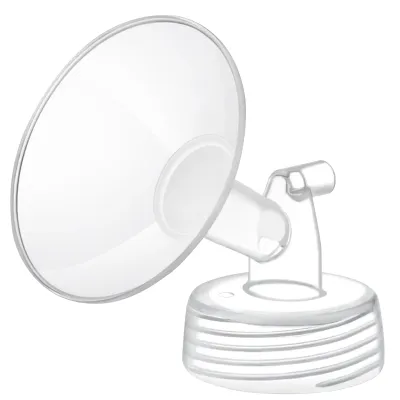
A breast pump flange—sometimes referred to as a breast shield—is the funnel-shaped plastic or silicone piece that comes into direct contact with your breast. Its primary function is to form an airtight seal around the areola while allowing the nipple to draw into the center tunnel during the suction cycle. This action mimics a baby’s natural latch, stimulating the nerves that trigger the let-down reflex and encouraging milk expression.
Products mentioned in this guide
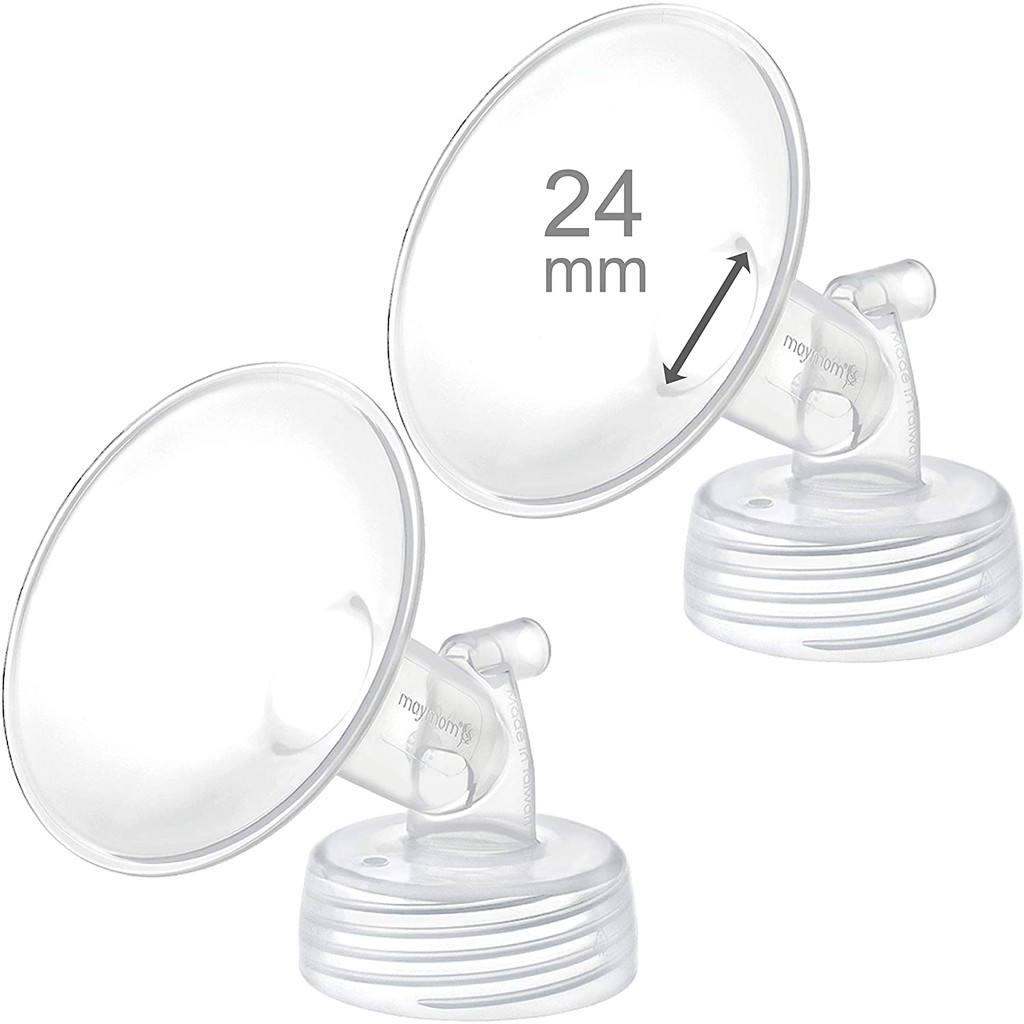
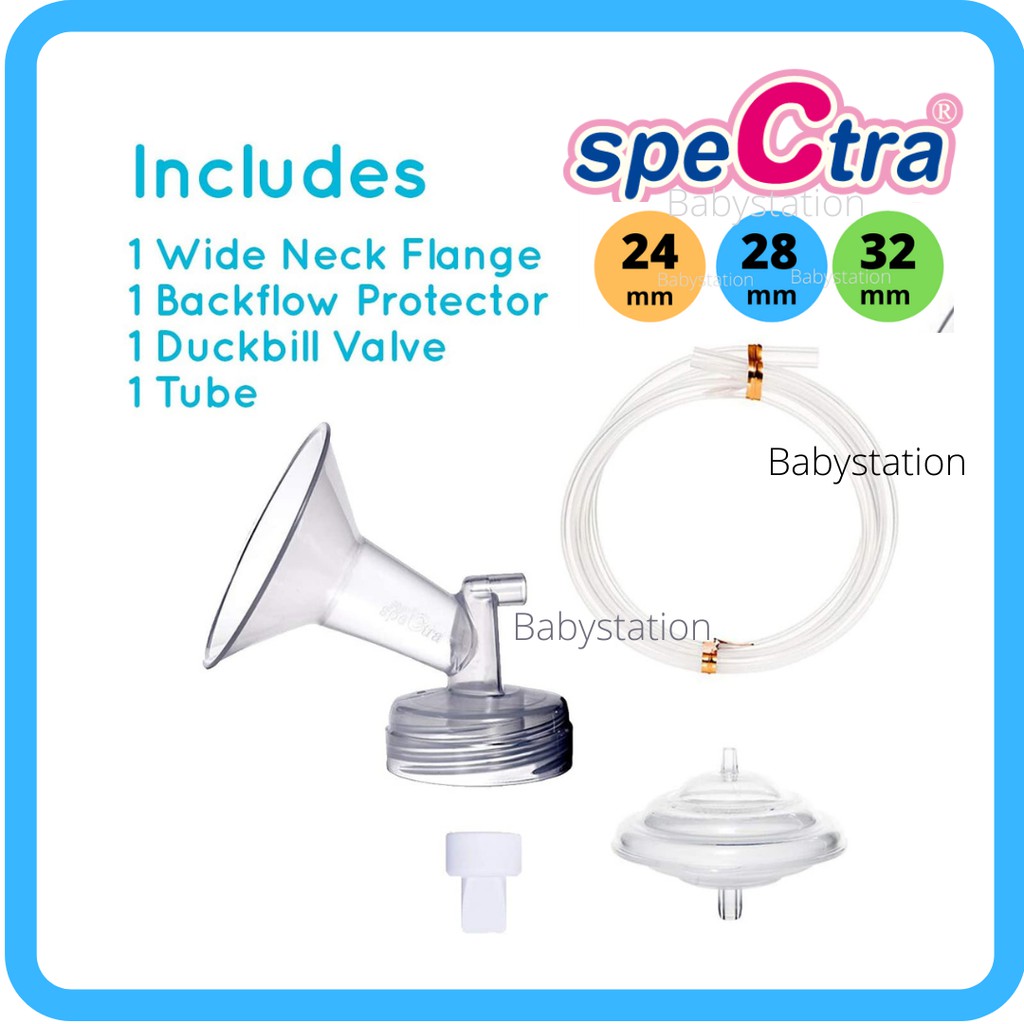
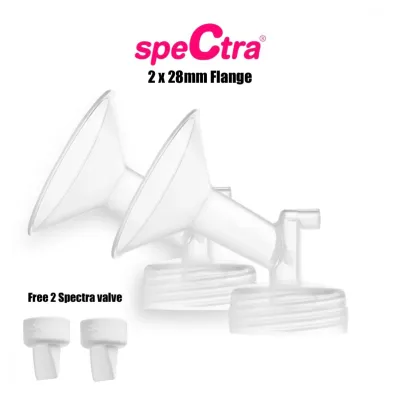
Prices are valid at publication and may change. Please refer to the product page for the latest price.
When the flange fits perfectly, the nipple moves freely within the tunnel, compressing and releasing without rubbing against the sides. This seamless movement allows the pump’s suction to distribute evenly across the breast tissue, which helps empty the milk ducts efficiently. Proper emptying is crucial because it signals your body to produce more milk, thereby maintaining or even increasing your overall milk supply over time.
Conversely, an ill-fitting flange can quickly lead to a host of painful complications and physical breast health issues. If the tunnel is too narrow, the constant friction can cause severe nipple pain, skin chafing, and blistering. This localized swelling can compress the surrounding milk ducts, obstructing the flow of milk and leaving the breast partially full. Over time, incomplete emptying increases the risk of developing painful clogged ducts and mastitis, a serious inflammatory breast condition that may require medical intervention.
Furthermore, a flange that is too large can pull excessive areola tissue into the tunnel. This not only causes bruising and swelling but also dampens the targeted suction needed to stimulate milk flow. Relying on high suction settings to compensate for a poor fit is a common mistake that often worsens tissue damage without improving milk output. Ultimately, prioritizing physical fit over motor power is the most reliable way to ensure a comfortable, sustainable, and highly efficient pumping experience.
How to Measure Your Nipple Diameter Accurately
Determining the correct Spectra flange size begins with an accurate physical measurement of your nipple. Because breast tissue is highly elastic and dynamic, guessing your size based on bra size or visual estimation often leads to incorrect choices. Taking a few minutes to measure your nipples using the proper tools ensures you establish a reliable baseline before purchasing any pumping accessories.

Tools You Need for Measuring
To obtain an accurate measurement, you will need tools that prevent tissue distortion. Consider using the following items:
- Rigid ruler: A standard ruler with clear, easily readable millimeter (mm) markings.
- Nipple measuring tool: A specialized circular template with pre-cut holes of various millimeter sizes, which allows you to find the exact circle that fits your nipple base.
- Printable sizing guides: Official downloadable templates provided by breast pump manufacturers that you can print at home to check your size.
Avoid using soft, flexible sewing measuring tapes for this process. Soft tapes easily wrap around the curved contours of the breast and stretch, which can significantly distort the natural shape of the tissue and lead to an inaccurate, oversized reading. A rigid measuring device allows you to isolate the flat plane at the base of the nipple, ensuring the measurement reflects only the active tissue that enters the flange tunnel.
Step-by-Step Measurement Guide
To measure your nipple base accurately, find a comfortable, well-lit space where you can stand or sit upright. Follow these steps:
- Locate the nipple base: Identify the exact point where the raised nipple tissue meets the flatter, darker skin of the surrounding areola.
- Position the measuring tool: Hold your rigid ruler or measuring tool flat against your breast, aligning the zero mark with one outer edge of your nipple base.
- Read the measurement: Carefully read the measurement across the widest part of the nipple to the opposite edge, recording the diameter strictly in millimeters.
- Exclude the areola: Ensure you do not include any part of the surrounding areola in your measurement, as this tissue should not be drawn into the flange tunnel during pumping.
- Measure both sides: Repeat the exact same process for the other breast. It is entirely common and normal for breasts to be asymmetrical, meaning your left and right nipples may require different flange sizes.
When to Measure for the Best Results
Timing is critical when measuring your nipple diameter because breast tissue undergoes significant physical changes throughout the day and over the course of your breastfeeding journey.
- Measure before pumping: Always measure your nipples before you begin a pumping session or right before breastfeeding. During and immediately after suction, nipples naturally swell, expand, and elongate, which can temporarily inflate your measurements and lead you to buy a flange that is too large.
- Account for postpartum changes: Keep in mind that your body changes rapidly during the postpartum period. Hormonal shifts, the transition from colostrum to mature milk, and the gradual reduction of postpartum fluid retention can all alter your nipple and breast size.
- Remeasure periodically: It is highly recommended to remeasure your nipples every few weeks during the first few months postpartum, or whenever you experience a sudden change in comfort or milk output, to verify that your flange size remains appropriate.
Choosing the Right Spectra Flange Size Based on Your Measurement
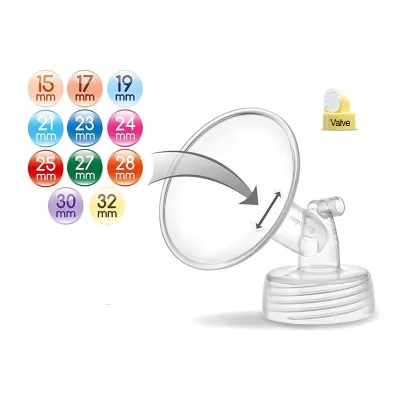
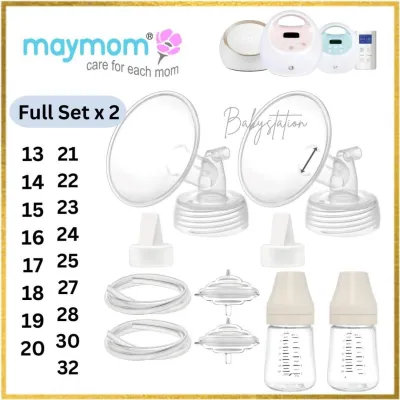
Once you have recorded your nipple measurements in millimeters, you can translate these physical dimensions into the appropriate Spectra flange size. Spectra breast pumps typically come packaged with standard flange sizes, but the brand offers a range of sizes—such as 17 mm, 20 mm, 24 mm, 28 mm, and 32 mm—to accommodate different body types. You must verify the currently available sizes on the official product packaging or the manufacturer’s website, as accessory offerings can vary.
The general guideline for choosing a starting flange size is to add 1 to 3 millimeters to your measured nipple diameter. This extra space provides a buffer that allows your nipple to expand and move freely within the tunnel without rubbing against the plastic walls during the suction cycle. For example, if your nipple base measures 21 mm, adding 1 to 3 mm suggests a target range of 22 mm to 24 mm. In this scenario, a 24 mm Spectra flange would serve as your ideal starting size. Always check the manufacturer’s specific fitting instructions on the packaging to ensure you are following their recommended sizing matrix.
It is also important to recognize that the material and flexibility of the flange can influence how the fit feels on your skin. Spectra offers different flange styles, including standard hard plastic flanges and options with silicone components or inserts. Hard plastic flanges are rigid and provide a highly structured tunnel, which some mothers find provides consistent suction but requires a very precise size match to avoid discomfort. Silicone flanges or inserts, on the other hand, offer more flexibility and can compress slightly to mimic a baby’s mouth, which may feel more forgiving if your measurement falls between two standard sizes.
When trying out a new flange size, treat the initial session as a test. Observe how your nipple behaves inside the tunnel during the expression phase. If the nipple moves smoothly back and forth without dragging, and you do not feel any pinching or burning, you have likely found a suitable fit. If you experience any discomfort, you may need to adjust your sizing up or down.
Signs Your Current Flange Size is Incorrect
Even if you have measured carefully, you should remain attentive to how your body responds during actual pumping sessions. Physical symptoms and changes in milk flow are clear indicators of whether your current flange size is supporting or hindering your breastfeeding journey. Recognizing these warning signs early allows you to make adjustments before tissue damage occurs.
Signs the Flange is Too Small
When a flange is too small, the tunnel is too narrow to accommodate the expanding nipple during the suction cycle. Watch for these specific symptoms:
- Friction and rubbing: Your nipple rubs painfully against the hard plastic walls of the tunnel, creating constant friction with every cycle of the pump.
- Nipple blanching: The tip or sides of the nipple turn white or purple due to restricted blood flow caused by the tight compression.
- Skin damage: The mechanical friction leads to skin chafing, blisters, and painful cracks around the base of the nipple.
- Restricted milk flow: Because the narrow tunnel compresses the milk ducts, it physically blocks the exit pathways for your milk, taking much longer to empty your breasts.
Signs the Flange is Too Large
A flange that is too large fails to isolate the nipple, allowing the surrounding tissue to be drawn into the tunnel. Look out for the following signs:
- Areola pulling: A significant portion of your dark areola is pulled deep into the flange tunnel during suction.
- Lipstick nipple shape: The excessive pulling stretches the delicate areola tissue, leading to swelling, bruising, and a distinct "lipstick" shape—where the nipple tip appears flattened and distorted—immediately after pumping.
- Suction loss: You experience a frequent loss of suction, requiring you to constantly readjust the breast shield against your skin.
- Leaking milk: Milk may leak from the edges of the flange rather than flowing directly into the collection bottle, and the lack of targeted pressure on the milk ducts can result in poor stimulation.
When to Stop and Seek Professional Help
While adjusting your flange size can resolve many common pumping issues, you must prioritize your physical safety and health. Stop pumping immediately if you experience sharp, shooting pain, bleeding, skin breakdown, or signs of localized infection such as warmth and redness on the breast. Breastfeeding and pumping should never cause physical injury or severe suffering.
If you are struggling to find a comfortable fit, experience persistent pain, or notice a sudden, unexplained drop in your milk supply, consult an International Board Certified Lactation Consultant (IBCLC) or a qualified healthcare provider in Singapore. A professional lactation consultant can perform a personalized physical assessment, observe your pumping technique, and recommend specific adjustments or specialized accessories to ensure safe, comfortable, and successful feeding.
Tips for a Comfortable and Efficient Pumping Experience
Finding the right Spectra flange size is the most critical step, but you can incorporate several supporting practices to optimize your comfort and milk expression. These simple adjustments can make your daily pumping routine smoother and protect your delicate skin from unnecessary irritation.
First, consider applying a safe, pump-compatible lubricant to the inside of the flange tunnel before you begin. A thin layer of specialized pumping spray, organic coconut oil, or a lanolin-based nipple cream can dramatically reduce friction between your skin and the plastic tunnel. Always check the manufacturer’s instructions for both your breast pump and the lubricant to ensure compatibility, and verify that any product used is safe for contact with breast milk and your baby.
Second, avoid the temptation to turn your breast pump’s suction settings to the maximum level in an attempt to express milk faster. High suction does not compensate for an incorrect flange size and often causes tissue micro-tears and swelling, which actually restricts milk flow. Instead, always start your session on a low, gentle suction setting in expression or massage mode. Gradually increase the vacuum strength only to a level that feels comfortable and effective, and lower it immediately if you feel any pinching or pain.
Third, practice gentle breast massage and warm compresses before and during your pumping sessions. Lightly massaging your breasts in circular motions toward the nipple helps stimulate the nerves that trigger the let-down reflex, encouraging milk to flow more freely. This physical stimulation, combined with a properly fitted flange, ensures that the pump can empty the milk ducts efficiently with minimal mechanical stress on your body. Remember, a successful pumping session is defined by comfort and relaxed milk flow, not endurance.
Frequently Asked Questions (FAQ)
Can my nipple size change over time?
Yes, your nipple size can change quite significantly throughout your breastfeeding journey. In the early days and weeks postpartum, your breasts and nipples may experience temporary swelling due to increased blood flow, fluid retention, and the initial onset of your milk supply. As your supply stabilizes and postpartum swelling naturally subsides, your nipples may shrink slightly. Hormonal fluctuations and changes in pumping frequency can also cause subtle shifts in tissue elasticity. It is wise to remeasure your nipples periodically, especially when transitioning back to work or if you notice a change in comfort.
Do I need different flange sizes for each breast?
Yes, it is very common and entirely normal to require different flange sizes for each breast. Human bodies are naturally asymmetrical, and your nipples may differ in diameter by several millimeters. Using a flange that is too large on one side or too small on the other simply to have a matching set can lead to pain and inefficient emptying on the mismatched breast. Always measure both sides individually and purchase separate Spectra flanges in the correct sizes to ensure both breasts are treated with the customized care they need.

Community discussion
Share your experience or ask a question. Comments are reviewed before publication.