
Finding the correct breast pump flange size is essential for a comfortable and efficient pumping experience. If you use a Spectra breast pump, the standard breast shields included in your pump kit may not provide the precise fit your body requires. Measuring your nipple base diameter in millimeters and selecting a matching Spectra flange insert allows you to reduce the tunnel diameter of your existing breast shield to achieve a customized, secure fit.
Using a flange insert that matches your unique anatomy helps optimize milk expression while protecting sensitive breast tissue from friction and swelling. This guide outlines how to measure your nipple diameter accurately, select the correct insert size, test the fit during a live pumping session, and maintain your inserts for long-term use.
Why the Correct Flange Insert Size Matters for Pumping
Using a breast pump should never be a painful experience. When a flange fits correctly, the pump’s vacuum draws the nipple cleanly into the tunnel, mimicking a baby’s natural latch to stimulate milk flow. If the fit is incorrect, the mechanical forces of the pump can cause immediate discomfort and long-term tissue irritation.
Products mentioned in this guide
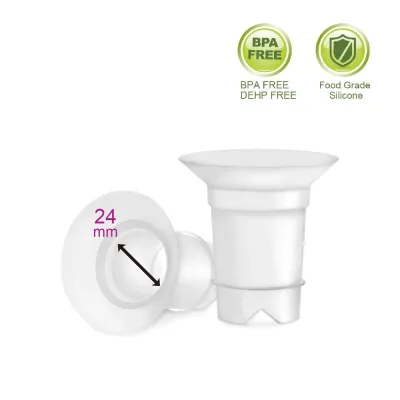
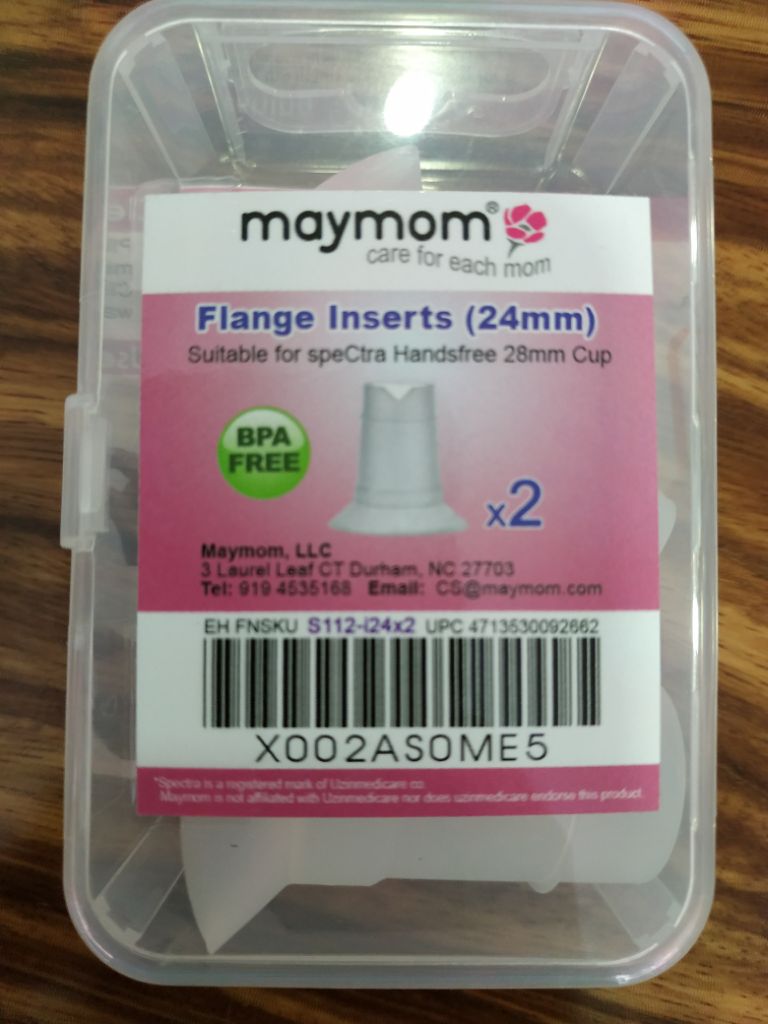
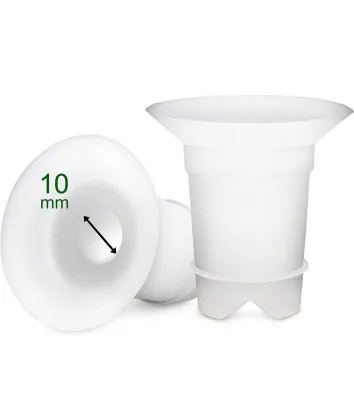
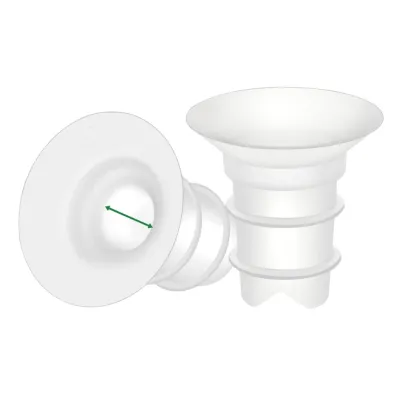
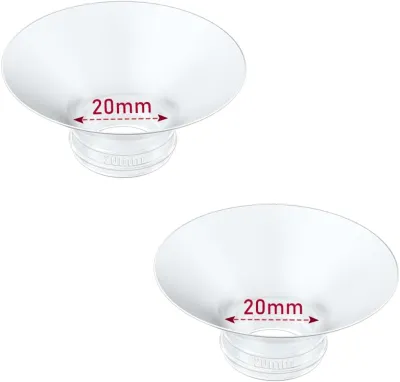
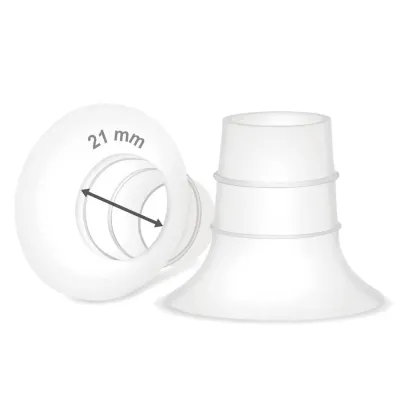
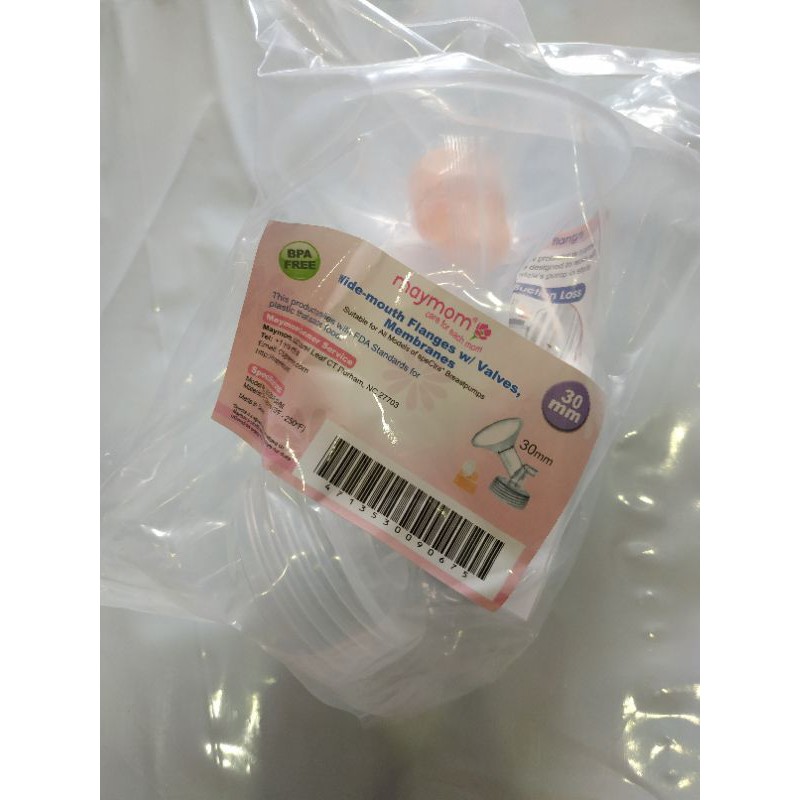
Prices are valid at publication and may change. Please refer to the product page for the latest price.
A poorly fitting flange often manifests through clear physical signs. You might experience sharp pain, chafing along the nipple shaft, or deep bruising around the areola. Over time, an incorrect fit can lead to blocked milk ducts, damaged skin, and a noticeable decrease in milk yield because the breast is not being emptied effectively.
When a flange tunnel is too large, the pump’s suction pulls excessive areola tissue into the tunnel alongside the nipple. This extra tissue blocks the natural movement of the nipple and can compress the milk ducts, restricting flow. Conversely, a tunnel that is too small causes the nipple to rub constantly against the hard plastic walls, leading to friction blisters and swelling.
Flange inserts offer a practical and cost-effective solution to these sizing challenges. Most Spectra breast pumps come packaged with standard 24mm or 28mm breast shields. Instead of purchasing entirely new plastic shield assemblies, you can slide a soft, flexible silicone insert directly into the existing tunnel to reduce its diameter to a size that matches your body.
How to Measure Your Nipple Diameter Accurately
To find the right insert size, you must establish an accurate baseline measurement of your nipple diameter. Taking this measurement at the right time and with the correct tools ensures you do not select an insert based on temporary physiological changes.

Always measure your nipples before you begin a pumping session. Pumping causes temporary swelling and fluid retention in the breast tissue, which can artificially increase your nipple diameter. Measuring a swollen nipple often leads to purchasing an insert that is too large, which will not resolve your pumping discomfort.
To take your measurement, you will need a specialized sizing tool. A circular sizing ruler made of flexible plastic or silicone is the most accurate tool for this task. Alternatively, you can download and print a paper sizing guide, or use a flexible sewing tape measure. Avoid using standard household metal tape measures, as they lack the flexibility and precision required for millimeter-level measurements.
To measure, stimulate your nipple slightly so that it becomes erect and its boundaries are clearly defined. Place the sizing ruler over the nipple, finding the specific circle that fits snugly around the base of the nipple without compressing the tissue. If you are using a flat ruler, measure the width of the nipple from the left edge to the right edge at the exact point where the nipple shaft meets the darker skin of the areola. Do not include any portion of the areola in your measurement.
Keep in mind that your body will change throughout your breastfeeding journey. Your nipple size can fluctuate during the final weeks of pregnancy, immediately after birth due to postpartum engorgement, and as your milk supply stabilizes. It is common to require a different insert size a few weeks postpartum compared to the size you measured before giving birth.
Choosing the Right Spectra Flange Insert Based on Your Measurement
Once you have your resting nipple measurement in millimeters, you can translate that figure into the correct insert size. Sizing recommendations can vary slightly by manufacturer, so it is important to understand the general principles of clearance.
Most sizing guidelines suggest choosing an insert that is 1 to 3 millimeters larger than your resting nipple diameter. This extra space provides adequate clearance for the nipple to expand and move freely within the tunnel during suction without rubbing against the walls. For example, if your resting nipple diameter is 17mm, a 19mm or 21mm insert is typically a suitable starting point.
Standard Spectra breast shields are rigid plastic components. When you use an insert, you are placing a smaller, flexible sleeve inside that rigid tunnel. Most third-party and official inserts are designed to fit snugly inside a standard 24mm Spectra flange, though some are compatible with 28mm flanges. Always check the insert manufacturer’s specifications to ensure the outer diameter of the insert matches the inner diameter of your Spectra breast shield.
If your measurements fall between sizes, or if you experience persistent discomfort despite following the sizing charts, consider consulting an International Board Certified Lactation Consultant (IBCLC). A professional can evaluate your pumping technique, assess your tissue elasticity, and help you navigate complex sizing decisions.
Testing the Fit and Adjusting During Your Pumping Session
An accurate measurement is a reliable starting point, but the ultimate test of a flange insert occurs while the pump is actively running. Observing your tissue behavior during a live session helps confirm whether you have achieved the correct fit.
During a pumping session, perform a visual check of the flange tunnel. Your nipple should move freely back and forth along the center of the tunnel. You should see a tiny space around the sides of the nipple, and only a minimal amount of areola tissue should be drawn into the entry of the tunnel.
Pay close attention to physical comfort indicators. While you will feel a distinct tugging sensation from the vacuum, you should not feel pinching, burning, or sharp pain. If you experience pain, stop the pump immediately. Continuing to pump through pain can damage your breast tissue and inhibit your milk ejection reflex.
If the physical fit of the insert appears correct but you still experience discomfort, try adjusting your Spectra pump settings. Always start your session in expression or massage mode on a low vacuum level, and gradually increase the suction only to your personal comfort threshold. High suction levels do not guarantee more milk and can cause tissue swelling that mimics an ill-fitting flange.
Be prepared to re-evaluate your fit if your pumping conditions change. If you notice persistent redness on the nipple shaft, white rings around the base of the nipple after pumping, or a sudden, unexplained drop in milk output, it is time to re-measure your nipples and adjust your insert size accordingly.
Caring for and Maintaining Your Flange Inserts
Proper care and maintenance of your flange inserts ensure they remain hygienic, safe, and functional. Because these parts come into direct contact with breast milk and sensitive skin, keeping them clean is a priority.
Always refer to the manufacturer’s label for specific washing and sterilization instructions. Silicone is a delicate material that can degrade if exposed to extreme heat or harsh chemicals beyond the manufacturer’s recommendations.
Wash your inserts after every use in warm, soapy water using a mild dish soap. Use your fingers or a soft sponge to clean the inner tunnel gently. Avoid using abrasive scrub brushes or harsh chemical sanitizers, as these can create microscopic scratches on the silicone surface where bacteria can accumulate.
If the manufacturer’s instructions permit boiling or steam sterilization, follow the recommended duration strictly. Excessive exposure to high heat can cause silicone inserts to warp, lose their shape, or become brittle, which directly impacts how well they seal inside your Spectra flange.
Inspect your inserts regularly for physical signs of wear and tear. Over time, silicone can become cloudy, sticky, stretched out, or torn. If you notice any warping, tears, or a loss of suction during your pumping sessions, replace the inserts immediately to maintain optimal pump performance and hygiene.
Frequently Asked Questions (FAQ)
Can I use third-party inserts with my Spectra breast pump?
Yes, many parents successfully use third-party silicone inserts with their Spectra breast pumps. However, you must verify that the insert is explicitly designed to fit inside your specific Spectra flange size, which is typically the standard 24mm or 28mm shield. Check the insert manufacturer’s compatibility guidelines before purchasing, and be aware that using unapproved third-party parts can sometimes affect your pump’s suction efficiency or warranty terms.
How often should I re-measure my nipple size?
It is beneficial to re-measure your nipple size at key milestones during your pumping journey. Consider measuring during the first week postpartum, again at six weeks when your milk supply begins to stabilize, and whenever you return to work or change your pumping frequency. Additionally, you should re-measure immediately if you experience new physical discomfort or notice a sudden decrease in your usual milk output.
What if my two nipples are different sizes?
It is highly common for your left and right nipples to have different diameters. You should measure each side independently and use different insert sizes for each breast if necessary. Forcing both sides into a single size for convenience can lead to pain and inefficient milk expression on the mismatched side. Prioritizing individual anatomical fit for each breast ensures maximum comfort and optimal milk yield.

Community discussion
Share your experience or ask a question. Comments are reviewed before publication.