
Finding the correct breast pump flange size is one of the most critical steps in establishing a comfortable and productive breastfeeding journey. When using a Hegen breast pump, selecting the appropriate Hegen flange size ensures that milk expression is both efficient and pain-free. To find your ideal fit, you must measure the diameter of your nipple base in millimeters and match it to the manufacturer’s sizing options, adding a small allowance for expansion. A flange that fits correctly supports optimal milk flow, protects delicate breast tissue, and prevents common pumping discomforts.
Why the Right Hegen Flange Fit Matters
A breast pump flange, also known as a breast shield, is the funnel-shaped part that contacts your breast during pumping. Its primary function is to create a secure seal so that the pump’s vacuum can gently draw the nipple into the tunnel to express milk. If this interface does not fit your unique anatomy, the mechanics of the pump cannot function as intended, which directly impacts your comfort and milk yield.
Using a flange that is too large can cause significant discomfort and reduce suction efficiency. When the tunnel is too wide, excess areolar tissue is pulled into the flange along with the nipple. This extra tissue can block the milk ducts, leading to incomplete breast emptying and a gradual decline in milk supply. Additionally, the constant pulling of the sensitive areola against the plastic tunnel can cause swelling, bruising, and skin irritation.
Products mentioned in this guide
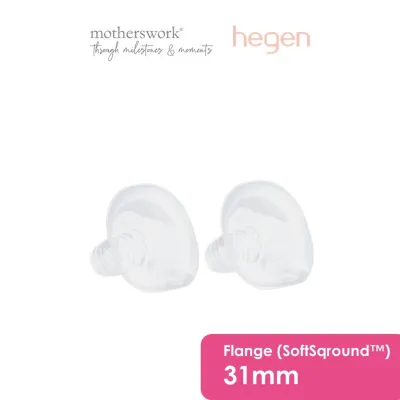
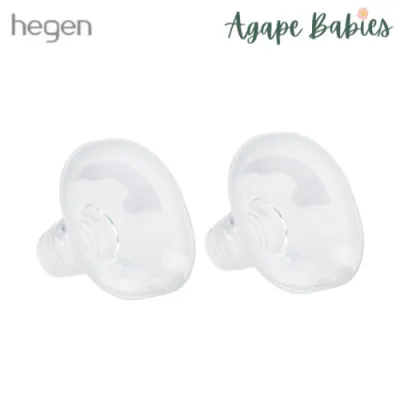
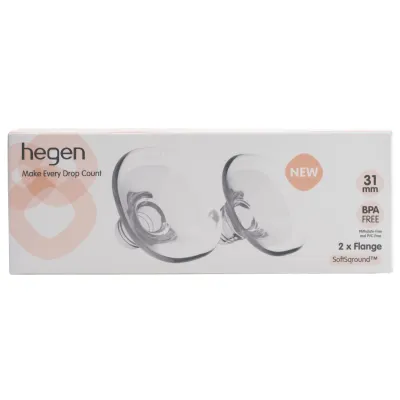
![[5 Sizes] Hegen SoftSqround Flange Pack Of 2 For Breast Pump](https://img.lazcdn.com/g/p/8ac938c71b5da06b5c9afc9933f46a90.png_400x400q80.png_.webp)
Prices are valid at publication and may change. Please refer to the product page for the latest price.
Conversely, a flange that is too small restricts the natural movement of the nipple. During pumping, the nipple expands in both length and width. If the tunnel is too narrow, the sides of the nipple will rub continuously against the plastic walls. This friction can lead to painful blisters, grazed skin, and cracked nipples, making subsequent pumping sessions highly uncomfortable. The compression of the nipple can also pinch the milk ducts, restricting milk flow and increasing the risk of painful blockages.
Recognizing the physical signs of an incorrect fit is essential for maintaining breast health. If you experience persistent pain during or after pumping, notice white rings around your nipple (blanching), or find that your breasts still feel full and heavy after a full session, your current flange size likely needs re-evaluation. Monitoring these physical cues allows you to make timely adjustments before minor discomfort turns into tissue damage or a clogged duct.
Step-by-Step Guide to Measuring Your Nipple Diameter
To determine your baseline size, you must measure the diameter of your nipple with accuracy. Because flange sizing is calculated in millimeters, using a precise measuring tool is highly recommended. A rigid ruler with clear millimeter markings is a standard option, but a specialized circular nipple measuring tool—often made of flexible silicone or paper—provides the most accurate results. These specialized rulers feature circular cutouts of various millimeter diameters that you can place directly over your nipple to find the closest match.

When measuring, it is crucial to isolate the nipple itself and exclude the surrounding areola. Place the measuring tool or ruler directly at the base of the nipple, where the raised nipple tissue meets the flatter skin of the areola. If you are using a circular measuring ruler, find the smallest circle that fits comfortably over your nipple without compressing or pinching the tissue. The circle should slide easily to the base of the nipple while leaving the areola completely outside the opening.
Timing plays a significant role in obtaining an accurate measurement because breast tissue is highly dynamic. Nipple size can fluctuate throughout the day, particularly before and after a pumping session. For the most reliable baseline, measure your nipples before you begin pumping, when they are in a resting state. However, because nipples expand under vacuum pressure, it is also beneficial to observe how much your nipples swell immediately after a session. If you notice significant expansion, you may need to adjust your calculations to accommodate this physical change.
Keep in mind that your two nipples may not be identical in size. It is entirely common for one nipple to require a different flange size than the other. Always measure both sides independently rather than assuming a single size will fit both breasts. Documenting the measurements for each side ensures you select the correct components for a balanced and comfortable pumping experience.
How to Match Your Measurement to Hegen Flange Sizes
Once you have obtained your resting nipple measurement in millimeters, you can match this figure to the available Hegen flange sizes. To do this, locate the official Hegen sizing chart, which is typically found on the product packaging, user manuals, or the manufacturer’s official website. Hegen designs its flanges in specific millimeter increments to accommodate a wide range of maternal shapes.
To translate your physical measurement into the correct flange size, you must apply a standard fit allowance. Because the nipple expands during pumping, choosing a flange that matches your exact resting measurement will result in a fit that is too tight. The general manufacturer guideline is to add approximately 2 to 4 millimeters to your pre-pump nipple diameter. For example, if your resting nipple diameter measures 18 millimeters, adding a 4-millimeter allowance suggests a starting flange size of 22 millimeters.
Review the specific sizing options offered by Hegen to find the closest match to your calculated size. If your calculated size falls between two available Hegen sizes, it is generally recommended to start with the larger option to prevent friction and pinching. However, because individual tissue elasticity varies, you should treat this initial calculation as a starting point rather than a permanent rule.
Always verify the product labels on your Hegen packaging to ensure you are purchasing the correct size. The millimeter size is typically molded directly onto the flange body or printed clearly on the box. If you are purchasing replacement parts or upgrading your setup, double-check that the flange is compatible with your specific Hegen breast pump model, as design variations can occur across different product generations.
How to Verify the Flange Fit During and After Pumping
The most reliable way to confirm you have chosen the correct Hegen flange size is to perform visual and physical checks during an active pumping session. Once the pump is running at your preferred comfortable vacuum level, observe the movement of your nipple inside the tunnel. The nipple should move freely back and forth along the center of the tunnel without rubbing against the plastic walls. There should be a small space of clear air surrounding the nipple shaft as it moves.
Pay close attention to how much of your areola is drawn into the tunnel. A properly fitting flange will allow only a minimal amount of the areola—or none at all—to enter the tunnel. If you see a significant portion of the darker areolar skin being pulled into the tube, the flange is too large. This excessive pull can compress the milk ducts located just behind the areola, hindering milk expression and causing localized swelling.
Monitor your physical sensations throughout the session. Pumping should never feel painful, sharp, or highly uncomfortable. While you will feel a distinct tugging or pulling sensation as the vacuum operates, you should not experience pinching, burning, or rubbing. If you feel a constant scraping sensation along the sides of your nipple, the flange is likely too small, and the friction could quickly damage your skin.
After you turn off the pump and remove the flange, inspect your nipples immediately. A well-fitting flange leaves the nipple looking round, symmetrical, and relatively normal in color. If your nipple appears misshapen, flattened, wedged like a lipstick tip, or completely white (blanched), the fit is incorrect. Severe swelling or deep red rings around the base of the nipple also indicate excessive pressure or friction.
Establish clear stop conditions to protect your breast health. If you experience sudden, sharp pain, notice bleeding or skin abrasions, or feel a complete loss of sensation in your nipple during a session, stop pumping immediately. Continuing to pump with an ill-fitting flange can cause long-term tissue damage and make future feeding sessions painful. Remove the pump, allow your skin to recover, and reassess your measurements before attempting to pump again.
When and Why to Remeasure for a New Flange Size
It is a common misconception that your flange size remains constant throughout your entire breastfeeding journey. In reality, breast and nipple anatomy undergo significant physiological changes over time, meaning you may need to adjust your flange size multiple times. In the early postpartum days, localized swelling and fluid retention (engorgement) can temporarily increase the size of your breasts and nipples. As this initial swelling subsides over the first few weeks, your nipples may shrink, requiring a smaller flange size than what you used immediately after birth.
Hormonal shifts throughout your lactation journey also influence tissue elasticity. As your milk supply stabilizes and your body adapts to the demands of pumping, the elasticity of your nipple tissue can change. Some mothers find that their nipples become more elastic over time, stretching further into the flange tunnel and requiring a different size or a different style of support to prevent discomfort.
Changes in your pumping routine, weight fluctuations, and the gradual process of weaning can also alter your sizing needs. If you transition from occasional pumping to exclusive pumping, the increased frequency of vacuum exposure can cause your nipples to adapt and change size. Whenever you modify your pumping schedule or notice a sudden change in how the pump feels, it is wise to perform a quick measurement check.
While self-measuring is an excellent starting point, there are times when professional guidance is necessary. If you continue to experience persistent pain, low milk output, or recurrent blocked milk ducts despite trying different Hegen flange sizes, stop self-adjusting. Consult a qualified International Board Certified Lactation Consultant (IBCLC). A professional can evaluate your pumping technique, assess your breast anatomy, and provide personalized recommendations to ensure your comfort and safety.
Frequently Asked Questions (FAQ)
Can I use flange inserts with my Hegen breast pump?
Flange inserts are smaller, flexible silicone sleeves designed to fit inside a standard plastic flange to reduce the tunnel diameter. If you require a size smaller than Hegen’s standard molded options, you may consider using compatible inserts. Before purchasing, always check the official Hegen compatibility lists and product packaging to ensure the insert is designed to fit securely within your specific Hegen flange model. To use them safely, follow the manufacturer’s instructions to verify that the insert is pushed fully into the tunnel without any gaps or folds, which could disrupt the vacuum seal or cause uneven pressure on your nipple.
How often should I remeasure my nipples for a new flange size?
Rather than adhering to a strict calendar schedule, you should remeasure your nipples whenever you experience physical changes or milestones in your postpartum journey. Key times to check your fit include the first two weeks postpartum as engorgement resolves, around six weeks when your milk supply begins to stabilize, and any time you experience a sudden change in pumping comfort or milk output. Relying on physical comfort, visual checks during pumping, and the overall condition of your skin is far more effective than relying on a set timeframe. If pumping ever begins to feel uncomfortable, treat that sensation as an immediate cue to remeasure.

Community discussion
Share your experience or ask a question. Comments are reviewed before publication.