
Transitioning your baby from milk to solid foods is a major developmental milestone that requires the right tools to support their growing motor skills. As your child progresses from tasting their first purees to navigating complex textures and eventually feeding themselves, their physical capabilities and mealtime behaviors change dramatically. Matching the design, size, and features of kids plates and bowls to each specific weaning stage not only minimizes the inevitable spills and messes but also fosters confidence and independence at the dining table. By understanding your baby’s developmental cues, you can select tableware that aligns perfectly with their current abilities, making mealtimes a positive learning experience for both of you.
Stage 1: First Solids and Purees (Early Weaning)
The initial phase of weaning, typically starting around six months of age, is focused on introducing your baby to the concept of swallowing food other than milk. Before purchasing any tableware, observe your child for key developmental signs of readiness. These cues include the ability to sit upright with minimal support, good head and neck control, and a curious interest in what you are eating. At this early stage, the mealtime dynamic is almost entirely caregiver-led, meaning you will be the one holding the bowl and spoon to feed your baby small, smooth purees.
Because you are in control of the vessel, you do not yet need heavy suction bases or complex divided plates. Instead, prioritize small, deep bowls that fit comfortably in one hand while you use the other to guide the spoon. A deeper bowl with curved sides makes it much easier to scoop up thin purees and run the spoon against the edge to remove excess food, preventing drips. Since portion sizes are incredibly small during these first tastes—often just a few teaspoons at a time—a compact bowl keeps the food concentrated, making it easier to scoop and preventing it from cooling down too quickly.
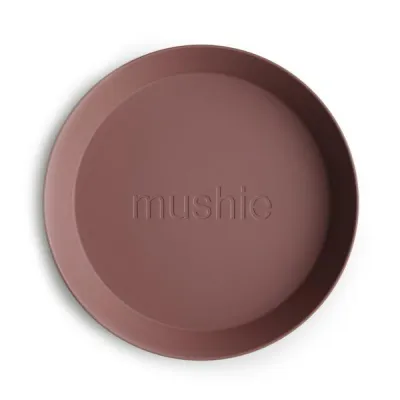
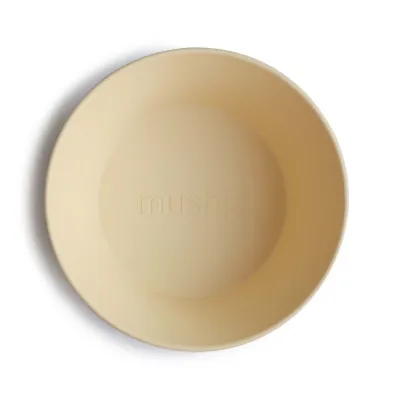
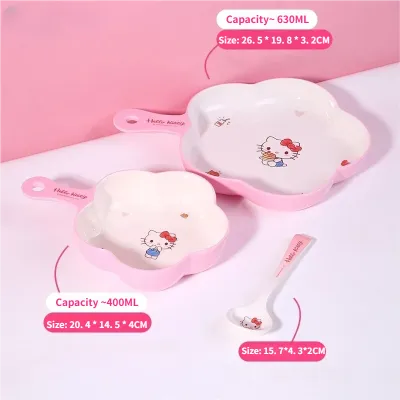
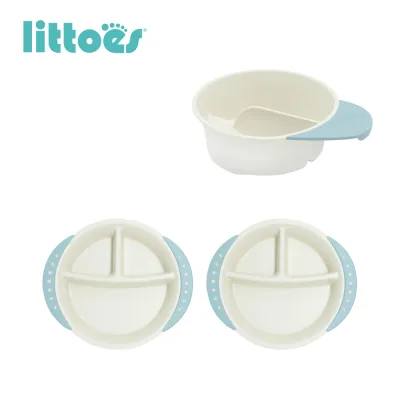
Products mentioned in this guide
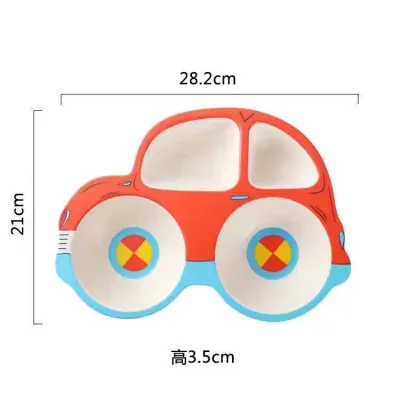
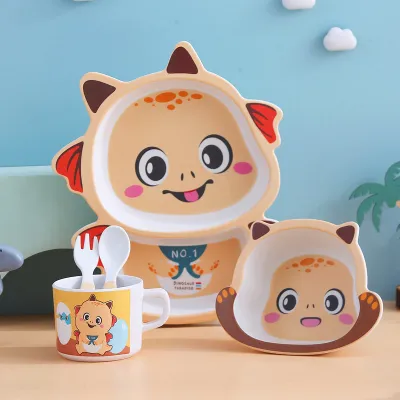
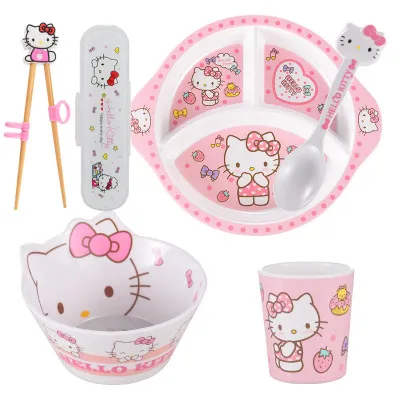
![[SG] Kids Tableware Set 5Pcs Baby Bamboo Fiber Cartoon Bowl Animal Dinnerware Food Plate Bowl for Kids and Toddlers](https://img.lazcdn.com/g/p/7f7c55235d7063b38b28a50570818edf.jpg_400x400q80.jpg_.webp)
Prices are valid at publication and may change. Please refer to the product page for the latest price.
Safety and hygiene are paramount during early weaning when a baby’s immune system is still developing. Look for materials that can withstand frequent cleaning, high-temperature washing, and sterilization. Always verify the manufacturer’s care instructions on the product label to confirm whether the bowl can be placed in a steam sterilizer, boiled, or washed on a high-heat dishwasher cycle. In Singapore’s humid climate, choosing tableware that dries quickly and does not trap moisture in hidden crevices is also beneficial for preventing mold growth.
Stage 2: Exploring Textures and Finger Foods
As your baby grows, they will begin to show a keen interest in exploring different food textures, transitioning from smooth purees to mashed foods and soft finger foods. You will notice developmental cues such as improved hand-eye coordination, with your baby actively reaching out to grab food from your plate or attempting to bring small pieces directly to their mouth. This stage is highly sensory and notoriously messy, as babies learn about food by touching, squishing, and occasionally throwing it.

To manage the chaos of active exploration, tableware with a strong suction base becomes an essential tool. A secure suction bowl or plate adheres firmly to the highchair tray or dining table, preventing your little one from lifting, tipping, or launching their meal across the room. This stability allows your baby to focus their energy on grasping finger foods and practicing their pincer grasp without the frustration of a sliding plate. This is especially useful for compact Singapore apartments where highchair trays are often smaller and require a suction base that fits perfectly within a limited surface area.
This is also the ideal time to introduce divided plates. Offering a variety of foods in separate compartments helps babies identify different textures, colors, and flavors individually. Many infants prefer their foods to remain separate, and mixing different textures too early can sometimes deter a hesitant eater. Divided plates allow you to serve a balanced meal—such as a soft vegetable, a protein, and a grain—in distinct sections, encouraging your baby to explore each component at their own pace and supporting their developing sensory preferences.
Stage 3: Self-Feeding and Toddlerhood
By the time your child reaches toddlerhood, they are eager to assert their independence at the dining table. You will recognize this transition when they insist on holding their own spoon or fork, resist your attempts to feed them, and try to scoop food independently. This stage is all about building confidence and refining the fine motor skills required to navigate utensils successfully.
To support this learning process, transition to wider, shallower plates and bowls that feature curved, raised edges. Flat plates make it difficult for a learning toddler to scoop food, as the pieces often slide right off the edge. A plate with a raised, inward-curving lip acts as a built-in barrier; when your child pushes their spoon against the side, the curved wall helps guide the food onto the utensil. This simple design feature significantly reduces frustration and helps your toddler master the scooping motion much faster.
As your child’s motor control improves and they become less inclined to intentionally flip their dishes, you can gradually transition away from heavy suction bases. Instead, opt for tableware with non-slip silicone grips or weighted bottoms. These features provide just enough resistance to keep the plate from sliding around the table as your toddler practices cutting or scooping, while allowing them to experience a more grown-up dining setup. This step prepares them for the eventual transition to standard family tableware.
Essential Features to Verify Before Purchasing
Before purchasing any kids plates and bowls, it is crucial to conduct a thorough check of the product specifications to ensure they meet your family’s daily needs. Always read the manufacturer’s labels carefully to verify the recommended age range, material safety instructions, and any specific usage warnings. Ensure the materials are free from harmful chemicals and are explicitly rated for food contact.
Do not make assumptions about a product’s durability or compatibility based solely on its material type. Instead, verify the official specifications for dishwasher, microwave, and freezer safety. For instance, while many silicone products are highly heat-resistant, some may have hidden plastic or wooden components that cannot tolerate the high heat of a dishwasher or the radiation of a microwave. Checking these details beforehand prevents accidental damage and ensures the tableware fits seamlessly into your cleaning and meal-prep routines.
Additionally, keep in mind that suction base effectiveness is highly dependent on the surface it is paired with. Suction cups require a completely smooth, non-porous surface to create a vacuum seal. If your highchair tray or dining table has a textured wood grain, a matte finish, or slight scratches, the suction may not hold securely. It is wise to test the suction on your specific home surfaces or look for plates with wide, flat silicone bases that offer better natural friction on textured materials.
Frequently Asked Questions (FAQ)
When should I transition away from suction bowls?
You can begin transitioning away from suction bowls when your child demonstrates improved motor control and a reduced urge to intentionally tip or throw their tableware. Look for behavioral signs such as holding the bowl steady with one hand while scooping with the other, and consistently leaving the dish flat on the table throughout the meal. There is no strict age limit for this transition; it depends entirely on your child’s individual readiness and mealtime habits. Introducing non-slip, weighted tableware is a great intermediate step before moving to standard plates.
How do I clean stained silicone plates and bowls?
To clean stained silicone tableware, always start by checking the manufacturer’s care label for approved cleaning agents and temperature limits. For common food stains, such as those from tomato-based sauces or carrots, try soaking the dish in warm, soapy water immediately after use. If the stain persists and the manufacturer’s guidelines permit, you can apply a paste made of mild baking soda and water, let it sit for a short period, and then scrub gently with a non-abrasive sponge. Avoid using harsh chemical bleach or highly abrasive scouring pads, as these can degrade the silicone surface and compromise its safety.
Community discussion
Share your experience or ask a question. Comments are reviewed before publication.