
Finding a single baby bottle storage box that comfortably fits a mixed collection of Pigeon, Dr. Brown’s, and Avent bottles can be surprisingly challenging. Because these popular brands design their bottles with vastly different heights, base diameters, and internal parts, a standard organizer with fixed, pre-molded slots often falls short. To accommodate all three brands without bottles tipping over or preventing the lid from closing, you need a highly adaptable storage solution.
The most effective storage box for a mixed bottle collection is an open-grid, adjustable, or modular storage box that does not restrict vertical clearance. Look for a model featuring removable pegs or customizable dividers, a secure dust cover to protect against environmental contaminants, and a removable drainage tray to maintain hygiene. By prioritizing layout flexibility over rigid, brand-specific designs, you can safely organize your entire feeding toolkit in one convenient place.
Understanding Your Bottle Dimensions and Constraints
Before purchasing a storage container, it is essential to understand the physical profiles of the bottles you currently own. Pigeon, Dr. Brown’s, and Avent each utilize distinct design philosophies that affect how much physical space they occupy on your countertop and inside a cabinet.
Products mentioned in this guide
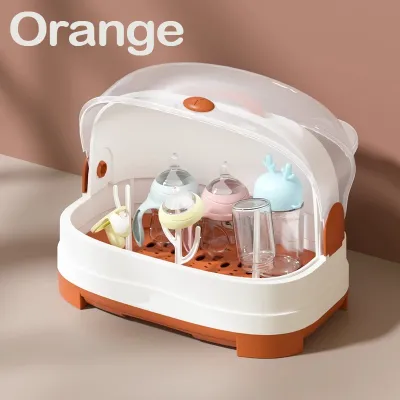
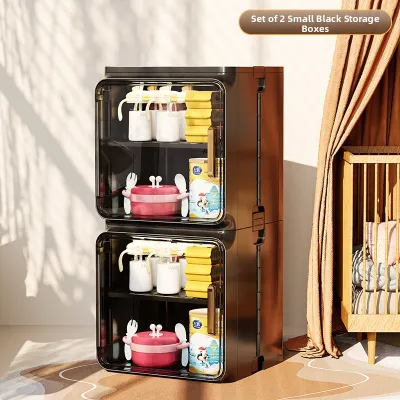
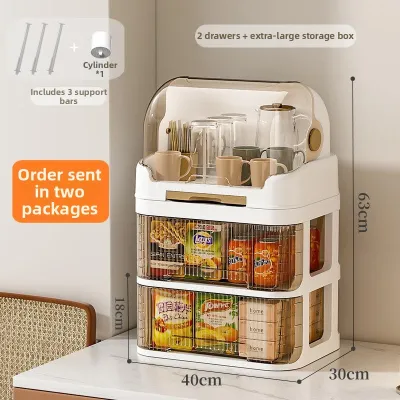
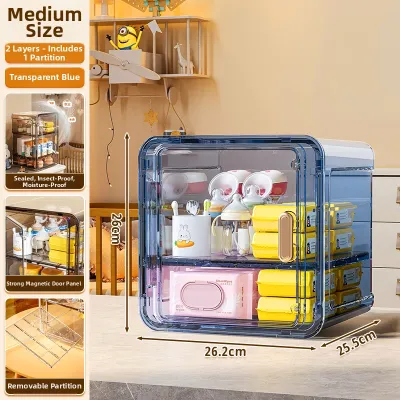
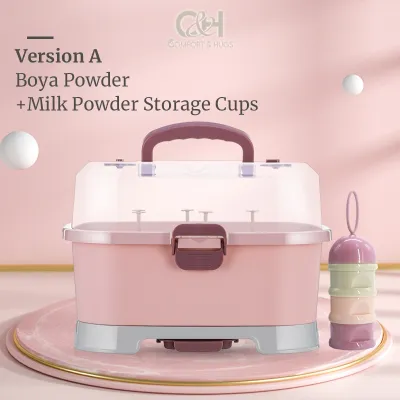
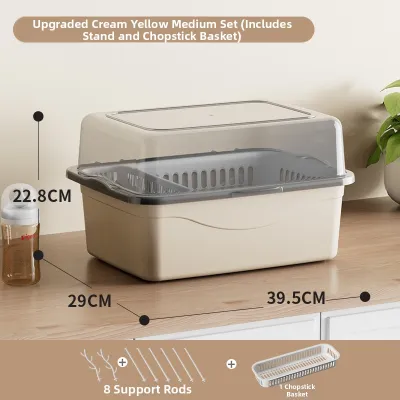
Prices are valid at publication and may change. Please refer to the product page for the latest price.
Dr. Brown’s bottles are widely recognized for their height, particularly the narrow and wide-neck options that feature an intricate internal vent system. Pigeon SofTouch bottles, on the other hand, favor a moderately wide, organic shape designed to mimic natural latching. Avent bottles, especially the Natural and Anti-Colic ranges, feature exceptionally broad bases that require significant lateral clearance.
To avoid the frustration of buying a container that cannot close, you must identify the maximum height of your tallest assembled bottle and the maximum width of your widest bottle base. Relying on visual estimates often leads to storage boxes that remain perpetually half-open, exposing clean feeding equipment to airborne dust.
Dr. Brown's Height and Vent System Clearance
The primary storage challenge with Dr. Brown’s bottles stems from their signature anti-colic vent insert. This internal green or blue reservoir tube runs the entire length of the bottle, adding substantial vertical height when the bottle is fully assembled with its cap on.
When shopping for a baby bottle storage box, you must verify that the internal height of the box—measured from the top of the drainage grate to the lowest point of the closed lid—is tall enough to clear your tallest Dr. Brown’s bottle. Forcing a lid down over a tall bottle can compress the silicone teat, potentially warping the material and causing future leaks during feeding.
If your chosen storage box does not offer enough vertical clearance for fully assembled Dr. Brown’s bottles, you may need to store the internal vent tubes, collars, and caps separately. In such cases, look for a storage box that includes a dedicated, elevated small-parts basket or compartment to keep these delicate components organized and off the bottom of the container.
Pigeon and Avent Standard vs. Wide-Neck Footprints
While Dr. Brown’s bottles challenge the vertical limits of your storage box, Pigeon and Avent bottles challenge the horizontal spacing. Both brands are famous for their wide-neck designs, which require a much wider footprint than traditional standard-neck bottles.
If a storage box features rigid, molded circular slots on the bottom tray, wide-neck Avent or Pigeon bottles may not fit into adjacent slots. Forcing wide bottles into tight, fixed spaces can scratch the plastic or glass surfaces, and may cause the bottles to sit at an angle, making them prone to tipping over when the box is moved.
To prevent this, check the product specifications of the storage box to see if the internal pegs or dividers can be rearranged or completely removed. An open-floor design with movable pegs allows you to space out your wide-neck Pigeon and Avent bottles while still utilizing the remaining corners for smaller accessories like pacifiers and breast pump parts.
Essential Storage Box Features for Mixed Collections
When managing a diverse assortment of baby bottles, certain structural features transition from optional conveniences to absolute necessities. Evaluating these features carefully will ensure your storage solution remains practical as your baby’s feeding habits evolve.

- Layout Flexibility: A flat, open-tier design or a tray with removable pegs is highly recommended. This allows you to customize the internal layout, creating wide spaces for Avent bottles and taller zones for Dr. Brown's bottles without wasting valuable storage real estate.
- Height Clearance: Always check the manufacturer's listed internal dimensions rather than the external dimensions. The presence of a drainage tray at the bottom and a domed lid at the top can significantly alter the actual usable height inside the box.
- Dust and Pest Protection: In warm, humid climates like Singapore's, keeping clean bottles sealed away from dust, ants, and other household pests is crucial. Look for a storage box with a tightly fitting, transparent cover that snaps securely into place.
- Drainage and Drying: A high-quality storage box must feature a dual-layer design with a raised drying plate and a removable drip tray underneath. This prevents the bottoms of your bottles from sitting in pooled water, which can quickly become a breeding ground for bacteria.
How to Measure and Verify Compatibility Before Buying
To guarantee a perfect fit before making an online purchase, follow this systematic measurement checklist. Taking these steps beforehand saves the hassle of returning bulky items to online marketplaces.
- Measure the Tallest Bottle: Assemble your tallest Dr. Brown's bottle completely, including the collar, teat, and protective travel cap. Use a ruler or measuring tape to record the exact height from the very bottom of the base to the highest point of the cap.
- Measure the Widest Base: Take your widest Avent or Pigeon bottle and measure the diameter of its base. Multiply this measurement by the number of wide bottles you plan to store simultaneously to estimate the total floor space required.
- Cross-Reference with Internal Dimensions: When browsing e-commerce platforms, locate the detailed product specification image or description. Ensure you are looking at the internal height and width, subtracting at least two to three centimeters to account for the thickness of the drainage tray.
- Analyze User Reviews: Search the customer review section for keywords like "Dr. Brown's," "Avent," or "tall bottles." Other parents frequently share photos and real-world feedback detailing exactly how many bottles of these specific brands can fit inside the box at one time.
Drying Racks vs. Enclosed Storage Boxes
It is common to confuse a baby bottle drying rack with an enclosed storage box, but these two items serve entirely different functions in your kitchen workflow. Understanding the distinction is vital for maintaining proper hygiene and preventing mold growth.
A drying rack is an open-air structure designed to maximize airflow, allowing wet, freshly sterilized bottles to shed water quickly. An enclosed storage box, conversely, is designed to keep completely dry bottles clean, organized, and protected from airborne contaminants over an extended period.
Placing wet or damp bottles directly into an enclosed storage box traps moisture inside, creating a humid, stagnant environment that encourages bacterial proliferation and mold. To maintain the highest hygienic standards, implement a simple two-step workflow: allow your sterilized bottles to air-dry completely on an open drying rack first, and then transfer the bone-dry bottles to your enclosed storage box for safe keeping.
Frequently Asked Questions (FAQ)
Can I store slightly damp bottles in an enclosed storage box?
No, you should avoid storing damp bottles in a fully enclosed storage box. Trapping moisture inside a sealed container creates a highly humid environment that promotes the growth of mold, mildew, and bacteria on your clean feeding equipment.
Always ensure that all bottle components, including teats, collars, and internal vent tubes, are completely dry before placing them in an enclosed box. While some storage boxes feature small ventilation holes, these are rarely sufficient to dry wet bottles safely; they are only meant to prevent minor residual humidity from building up.
Do I need a separate storage box just for Dr. Brown's bottles?
You do not need a separate storage box for Dr. Brown’s bottles, provided your main storage box has sufficient vertical clearance. A single, well-chosen modular storage box can easily accommodate a mix of tall and wide bottles if it features a high-clearance lid.
If you find that your current storage box is too short for Dr. Brown’s bottles, you can store the bottles disassembled. Keep the tall bottle bodies lying horizontally on the tray, and place the delicate vent inserts, collars, and teats in a dedicated small-parts basket within the same container to keep everything organized.
Community discussion
Share your experience or ask a question. Comments are reviewed before publication.