
Baby bottles and nipples are the workhorses of your daily infant care routine, enduring constant use, thorough scrubbing, and intense sterilization cycles. While it is easy to focus on keeping this gear clean, physical wear and material degradation eventually make replacement necessary. Knowing exactly when to swap out feeding equipment is essential for maintaining a safe, comfortable, and hygienic feeding experience for your baby.
Over time, the materials used in feeding gear—whether plastic, glass, silicone, or latex—gradually break down under exposure to milk fats, saliva, and heat. Continuing to use worn-out items can lead to feeding difficulties, such as flow rates that are too fast for your baby to handle, or hygiene risks from bacteria harboring in tiny scratches. By learning to recognize the subtle and obvious signs of wear, you can make informed decisions about when to transition to fresh equipment.
Signs It Is Time to Replace Baby Nipples
Nipples are subjected to constant suction, stretching, and biting, which means they typically wear out much faster than the bottle bodies themselves. Caregivers should inspect these components regularly to ensure they remain safe and functional.
Products mentioned in this guide
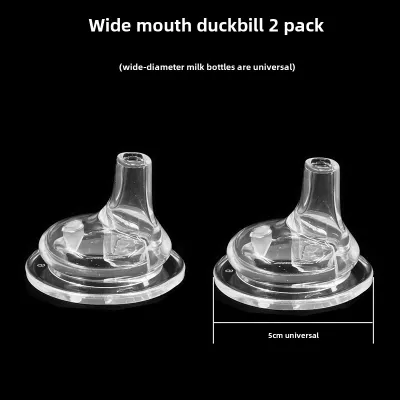
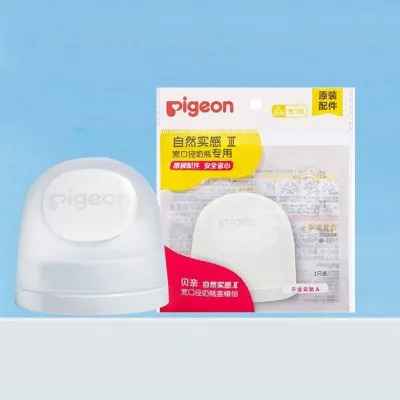
Prices are valid at publication and may change. Please refer to the product page for the latest price.
One of the most critical signs that a nipple needs immediate replacement is a change in the milk flow rate. A standard nipple is designed to release milk in a steady, controlled drip when the bottle is turned upside down. If the milk pours out in a continuous stream or a heavy flow, the feeding hole has stretched or torn. This sudden increase in flow can cause your baby to choke, sputter, or swallow excess air, leading to painful gas and fussiness.
Texture and color changes also signal that the nipple material is breaking down. Over time, repeated exposure to milk fats, cleaning agents, and sterilization heat can cause silicone or latex to become sticky, swollen, or discolored. If a nipple feels tacky to the touch, appears unusually cloudy, or has turned a dark yellow hue, the structural integrity of the material has compromised, and it should be discarded.
Physical damage is an absolute indicator for replacement. Inspect the tip, collar, and base of the nipple closely for tiny cracks, tears, or bite marks, especially if your baby has started teething. These damaged areas weaken the nipple, posing a serious choking hazard if a small piece of silicone or latex tears off during feeding. Furthermore, these microscopic tears create crevices where bacteria can accumulate and survive even after standard sterilization.
Signs It Is Time to Replace Baby Bottles
While baby bottles generally have a longer lifespan than nipples, the bottle bodies are still subject to material-specific wear that requires close monitoring. The replacement timeline and indicators vary depending on whether you use plastic, glass, or silicone bottles.

Plastic bottles, typically made from polypropylene, are highly convenient but prone to scratching and heat degradation. Over months of daily washing with bottle brushes, the interior surfaces can develop fine scratches. If you notice your plastic bottles have become permanently cloudy, heavily scratched, or warped from high-heat sterilization, it is time to replace them. Deep scratches are particularly problematic because brush bristles cannot always reach the bottom of these grooves, allowing milk residue and bacteria to build up over time.
Glass bottles are highly durable and resistant to scratching, but they present different physical risks that require careful handling. You must regularly inspect glass bottles for chips, cracks, or tiny micro-fractures, paying close attention to the neck and threading areas where the collar screws on. Even a minor hairline crack can expand rapidly under the thermal shock of sterilization or warm water baths, leading to sudden breakage or glass fragments during a feed.
Silicone bottles are favored for their soft, squeezable texture, but they can also degrade over months of continuous use. Look out for permanent discoloration, a sticky surface texture, or a loss of structural shape that prevents the bottle from standing upright or sealing correctly. If the silicone walls feel unusually thin, show signs of surface peeling, or fail to maintain a tight seal with the collar, the bottle body has reached the end of its usable life.
Hygiene Concerns That Require Immediate Replacement
Sometimes, a bottle or nipple may look structurally sound but must still be discarded due to hygiene issues that standard cleaning and sterilization cannot resolve. Recognizing when deep cleaning is no longer sufficient is vital for protecting your baby’s developing immune system.
A primary indicator of deep-seated hygiene issues is a persistent sour or musty odor. If a bottle or nipple continues to smell like spoiled milk even after being thoroughly scrubbed, soaked in warm soapy water, and run through a sterilizer, bacteria or milk proteins have likely bonded with the material. Continuing to use these items can expose your baby to unpleasant tastes and potential digestive upset.
Mold growth is another critical concern, particularly in complex feeding systems with multiple parts. In Singapore’s warm and humid climate, moisture can easily linger in small crevices, accelerating mold growth if bottles are not dried thoroughly in a well-ventilated space. Inspect hard-to-reach areas, such as the inside of anti-colic valves, vent tubes, and the threads of the bottle collar. If you spot tiny black or green dots that do not wash away with a specialized detail brush, discard the affected parts immediately.
In areas with hard water, mineral buildup can create a cloudy film or white residue on the inner surfaces of bottles. While mild mineral scaling is not inherently dangerous, a heavy, stubborn film that resists safe cleaning agents like diluted vinegar can trap milk proteins underneath. This creates an ideal breeding ground for bacteria, making replacement the safest choice for your daily routine.
Building a Safe Inspection and Replacement Routine
To ensure your baby always feeds from safe, clean equipment, it is best to establish a structured inspection routine rather than waiting for obvious material failures. A proactive approach helps you catch wear before it impacts feeding comfort.
Make it a habit to perform a quick visual and tactile check every time you wash or sterilize your feeding gear. Give each nipple a firm tug to check for elasticity, and inspect the bottle bodies under good lighting to catch early signs of wear, such as hairline cracks in glass or deep scratches in plastic. This simple step takes only a few seconds but provides peace of mind before every feed.
While physical signs are your primary guide, you should also consult the manufacturer guidelines for your specific bottle system. Many manufacturers recommend replacing silicone nipples every two to three months and plastic bottles every four to six months as a preventive measure, depending on the frequency of use and sterilization methods. Keeping a spare set of bottles and nipples on hand ensures you can make an immediate swap the moment you notice any signs of wear.
When purchasing replacements, always source compatible parts from official brand stores or authorized retailers. Using generic or off-brand nipples on a branded bottle can lead to poor sealing, leaks, and inconsistent flow rates that frustrate your baby and disrupt their feeding pace. Ensuring a perfect match between the bottle and nipple maintains the safety and performance of the entire feeding system.
Frequently Asked Questions (FAQ)
Can I just replace the nipple and keep using an old plastic bottle?
Yes, you can replace only the nipple if the bottle body is still in excellent condition, but you must evaluate both parts independently. While nipples wear out much faster due to constant suction and biting, plastic bottles also degrade, scratch, and absorb odors over time. Inspect the plastic bottle body carefully for cloudiness, interior scratches, or warping before deciding to keep it in your active feeding rotation.
Does boiling water damage baby bottles and nipples faster?
Frequent exposure to boiling water and high-heat sterilization can accelerate the breakdown of feeding equipment. High temperatures can cause silicone nipples to lose their elasticity, expand, or become sticky, while also speeding up the degradation and warping of plastic bottles. To maximize the lifespan of your gear, check the manufacturer’s care instructions for the approved sterilization methods and temperature limits specific to your products.

Community discussion
Share your experience or ask a question. Comments are reviewed before publication.