
When shopping for baby bathing gear in Singapore, many parents search for products with official health and safety endorsements, often wondering which baby bath stool brands are certified by the Health Sciences Authority (HSA). However, a crucial first step in your buying journey is understanding that the HSA does not certify or register general baby bath stools. Because these stools are classified as general consumer goods rather than medical devices or therapeutic products, they do not fall under the regulatory purview of the HSA. Instead, baby bath stools and similar nursery equipment are governed by consumer product safety frameworks managed by other local authorities.
Navigating the landscape of baby product safety requires looking past common marketing buzzwords and understanding which standards actually apply to nursery equipment. By learning how to identify genuine safety marks, evaluate structural features, and verify manufacturer claims, you can confidently select a secure and reliable bath stool that protects your infant during bath time.
Understanding Safety Certifications for Baby Bathing Products in Singapore
The Health Sciences Authority (HSA) regulates health products, pharmaceuticals, medical devices, and cosmetics in Singapore to ensure their safety, efficacy, and quality. A baby bath stool, designed to support a sitting infant during a bath, does not meet the definition of a medical device or a therapeutic product. Consequently, any retail listing or seller claiming that a baby bath stool is “HSA-certified” is misrepresenting the product’s regulatory status, and parents should treat such claims with extreme caution.
Products mentioned in this guide
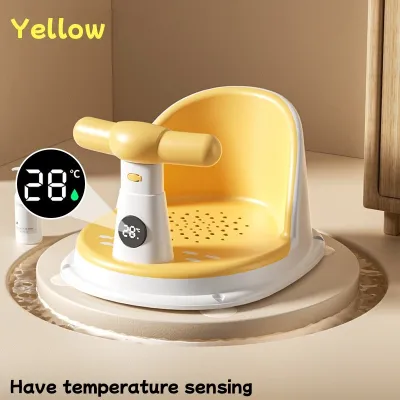
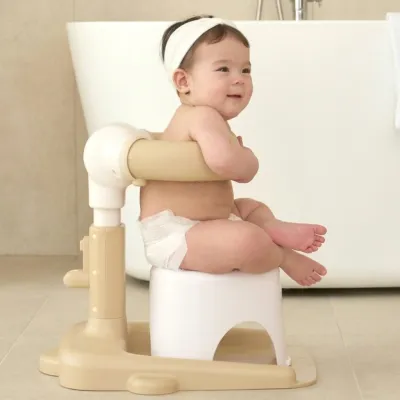
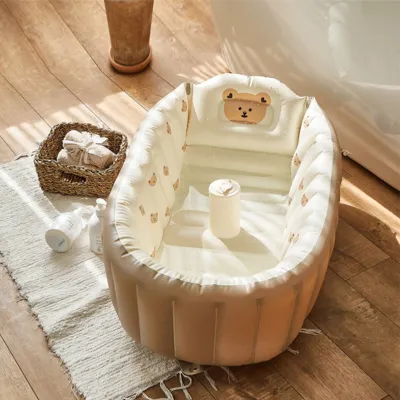
Prices are valid at publication and may change. Please refer to the product page for the latest price.
In Singapore, the safety of general consumer goods is overseen by the Consumer Product Safety Office (CPSO), an agency safeguarded under Enterprise Singapore. While certain household appliances and electrical accessories are classified as “Controlled Goods” requiring a mandatory Safety Mark, general baby products like bath stools fall under the Consumer Protection (Consumer Goods Safety Requirements) Regulations (CGSR). Under this framework, consumer goods sold locally must conform to safety standards set by recognized regional or international standardization bodies.
When evaluating a baby bath stool, parents should look for compliance with established international safety standards rather than searching for local medical certifications. Key standards to look for include European Standard EN 17022 (which specifically covers bath seating products) or American Society for Testing and Materials standard ASTM F1967 (the standard consumer safety specification for infant bath seats). These standards test products for stability, structural integrity, and the prevention of entrapment hazards.
To verify compliance, parents should carefully inspect the product packaging and the physical stool itself. A compliant product will feature clear, permanent warning labels regarding drowning hazards, weight limits, and age recommendations printed directly on the material. These labels should be securely affixed or molded into the plastic, ensuring they remain legible even after prolonged exposure to water and soap.
Key Physical and Structural Features of a Safe Bath Stool
The foundation of any reliable baby bath stool lies in its base stability and the quality of its suction cups. High-quality models utilize heavy-duty, industrial-grade suction cups designed to grip the smooth surface of a standard bathtub or a flat shower floor securely. Parents must evaluate the size, number, and flexibility of these suction cups, keeping in mind that they require a completely smooth, non-textured surface to create a secure vacuum seal.

Material safety is another critical consideration, as the stool remains in direct contact with your baby’s sensitive skin in a warm, wet environment. Look for high-density plastics that are explicitly verified as free from Bisphenol A (BPA), phthalates, and heavy metals. The plastic should be non-porous and treated to resist mold and mildew accumulation, which can quickly become a hygiene hazard in Singapore’s humid climate.
An optimal structural design must feature a supportive, ergonomic backrest and a secure front T-bar or crotch post to prevent the baby from sliding forward or slipping out of the seat. The edges of the stool must be completely rounded with no sharp seams or rough plastic flashing left over from the manufacturing process. Additionally, inspect the joints and moving parts to ensure there are no pinch points that could trap tiny fingers or toes.
Every manufacturer specifies a strict weight range and developmental stage for their bath stools, which parents must verify before purchase. Typically, these seats are designed for infants who can sit up unassisted (usually around six months of age) up to a maximum weight limit, often around 11 to 13 kilograms. Parents must never exceed these limits, as overloading the stool compromises its structural integrity and center of gravity, increasing the risk of tipping.
How to Verify Brand Claims and Safety Labels Before Buying
To avoid falling victim to misleading marketing, parents should bypass generic retail descriptions and consult the official brand website or the authorized local distributor in Singapore. Reputable brands readily provide downloadable user manuals, safety declarations, and detailed specifications. If a brand does not host an official website or lacks clear corporate contact information, it is a significant warning sign.
When purchasing online or in-store, cross-reference the claims made on the product listing with the physical labels on the box. If an online listing claims a product is “certified safe” but the physical packaging lacks any mention of recognized standards (such as EN or ASTM), the claim should be treated with skepticism. Genuine safety certifications are expensive to obtain, and manufacturers who invest in them will invariably display the certification codes clearly on their packaging.
Be wary of vague terminology such as “hospital-grade,” “doctor-approved,” or “certified safe” without any accompanying regulatory body or standard number. Another major red flag is the absence of clear, localized customer support channels. If you cannot easily contact the manufacturer or local distributor to ask about replacement parts or safety concerns, it is safer to choose a different brand.
Building Your Shortlist: What to Look for in Reputable Brands
When compiling a shortlist of potential bath stools, prioritize brands that demonstrate complete transparency in their manufacturing processes. Trustworthy manufacturers openly share information about where their materials are sourced, how their products are tested, and what quality control measures are in place.
Look for brands with an established presence and a history of positive, long-term feedback within independent parenting communities in Singapore. Avoid relying solely on sponsored reviews or star ratings on e-commerce platforms. Instead, seek out discussions on parenting forums or ask for recommendations from local pediatricians or experienced caregivers who have used the products over several months.
A reputable brand will have an authorized distributor or a dedicated customer service presence in Singapore. This ensures that you have access to genuine replacement parts, such as replacement suction cups or safety straps, if needed. Furthermore, look for brands that offer clear warranty terms and straightforward return policies through authorized physical retailers, giving you recourse if the product arrives with a manufacturing defect.
Safe Usage, Maintenance, and When to Replace the Stool
Before every single bath, perform a quick safety inspection of the bath stool. Ensure the bathtub surface is clean, free of soap scum, and dry before pressing the suction cups down firmly to establish a strong seal. Give the stool a gentle tug in multiple directions to verify that it is locked in place. Never place the stool over a drain, a curved section of the tub, or a textured surface that could compromise the vacuum seal.
It is vital to remember that a bath stool is a bathing aid, not a safety device. It does not prevent drowning, and it can tip over if the baby moves vigorously or if the suction cups fail. A caregiver must remain within arm’s reach and maintain constant visual and physical contact with the baby throughout the entire bath. Never leave your baby unattended in the bath for even a second, regardless of how secure the stool seems.
Singapore’s high humidity creates an ideal breeding ground for mold and bacteria. After each use, rinse the bath stool thoroughly with clean water to remove any soap residue or bath oils. Release the suction cups carefully using the designated pull tabs—never yank the stool off the tub surface, as this can damage the suction cups or the stool’s base. Wipe the stool down and store it in a well-ventilated area outside the damp shower enclosure to dry completely.
Inspect the stool regularly for signs of wear and tear. If you notice any hairline cracks in the plastic, discoloration, mold that cannot be cleaned, or if the suction cups become stiff, warped, or lose their grip, stop using the stool immediately. Additionally, as soon as your baby attempts to stand up in the seat or exceeds the manufacturer’s weight or developmental limits, transition them to a standard tub setup and retire the stool.
Frequently Asked Questions (FAQ)
Do baby bath stools require specific safety certifications in Singapore?
In Singapore, baby bath stools are classified as general consumer goods rather than controlled goods. This means they do not require a mandatory local Safety Mark or registration with the Health Sciences Authority (HSA). However, they must comply with the Consumer Protection (Consumer Goods Safety Requirements) Regulations (CGSR) managed by the Consumer Product Safety Office (CPSO). Parents should look for products that voluntarily demonstrate compliance with recognized international safety standards, such as European Standard EN 17022 or American Standard ASTM F1967, which govern the structural safety and stability of infant bath seats.
Can I trust third-party sellers on e-commerce platforms for certified baby gear?
Buying safety-critical baby gear from third-party sellers on online marketplaces carries inherent risks. Many of these listings feature unverified safety claims, lack local warranties, or may even be counterfeit products that bypass local safety regulations. To ensure your baby’s safety, always purchase from authorized local distributors, official brand stores, or reputable physical department stores in Singapore. If you do buy online, verify that the seller is an authorized retailer, check that the product arrives in its original, sealed packaging with intact safety labels, and ensure that a valid local warranty and clear English instruction manual are included.

Community discussion
Share your experience or ask a question. Comments are reviewed before publication.