
Finding the right changing table (尿布台) in Singapore involves balancing limited nursery space, ergonomic comfort, and absolute safety for your infant. With numerous international and local brands occupying the market, identifying which ones are truly trusted requires looking beyond stylish marketing campaigns and aesthetic designs. A trusted brand is not merely one with high social media visibility; it is defined by verifiable safety certifications, transparent material sourcing, robust construction, and reliable local after-sales support. For parents navigating the early stages of parenthood, selecting a changing table is a critical decision that directly impacts daily care routines and physical well-being. By focusing on objective quality markers, safety standards, and practical design features, you can confidently choose a changing table that protects your baby and integrates seamlessly into your home.
What Defines a Trusted Changing Table Brand
When evaluating nursery furniture brands in Singapore, the definition of trust must be grounded in measurable quality indicators and verifiable safety records. A trusted brand prioritizes infant safety above all else, which is demonstrated through active compliance with international safety testing and transparent manufacturing processes. These brands do not hide behind vague marketing terms; instead, they provide clear documentation regarding where their furniture is produced, the specific materials used, and the safety standards their products have passed. For infant products, brand reputation is a vital safeguard because babies are highly vulnerable to structural failures, chemical off-gassing, and physical hazards.
To systematically assess whether a changing table brand is worthy of your trust, you should investigate several primary dimensions before making a purchase. First, verify whether the brand publishes its compliance with recognized international safety standards. Second, look for material transparency, specifically regarding the types of wood, engineered panels, adhesives, and finishes used in construction. Third, evaluate the clarity and scope of the manufacturer’s warranty, ensuring it provides realistic protection against structural defects. Finally, check the availability of spare parts and the responsiveness of the brand’s local customer support. A brand that excels in these areas demonstrates a long-term commitment to product safety and customer satisfaction, distinguishing itself from low-cost, unbranded alternatives that offer no accountability.
Products mentioned in this guide
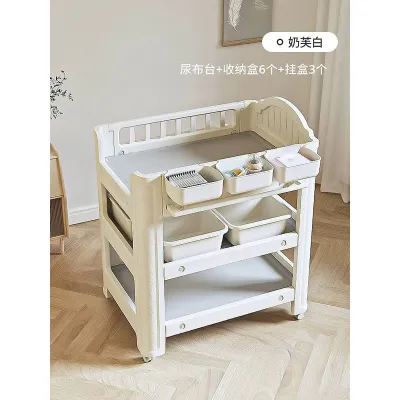
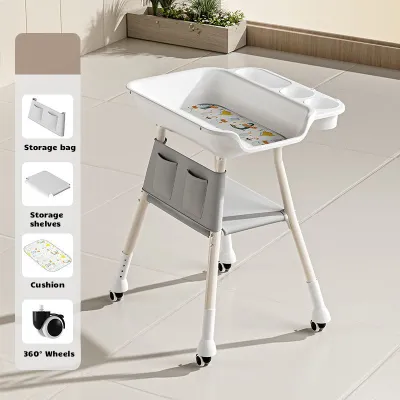
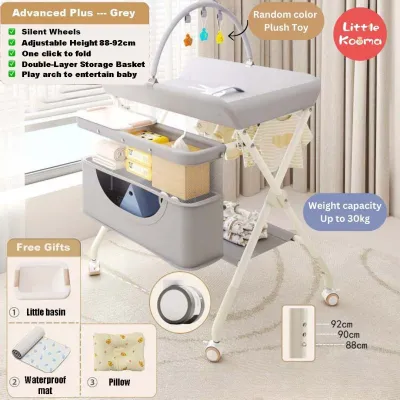
![【SG Happy Baby】 [diaper changing table]Baby Diapers Changing Table Foldable Newborn Multifunctional 0-3 Years Old Care Diaper Nursing Table LAPN 3445208002](https://img.lazcdn.com/g/p/cb8e257cb4999e10de1572619c195db0.jpg_webp_400x400q80.jpg_.webp)
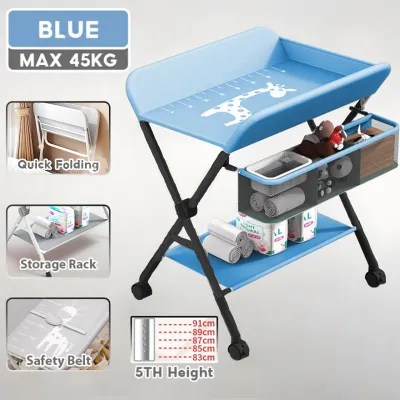
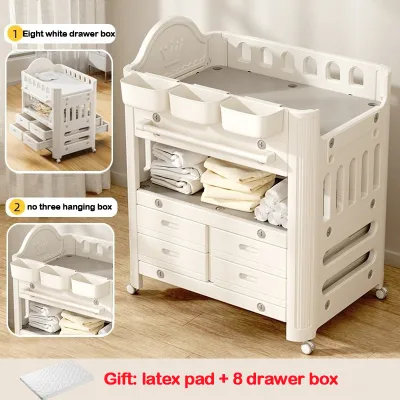
Prices are valid at publication and may change. Please refer to the product page for the latest price.
Essential Safety Standards and Quality Checks to Verify
The primary purpose of a changing table is to provide a secure, elevated platform for diaper changes, making structural integrity and fall prevention the most critical safety considerations. When researching brands, you must look for specific safety features built into the design of each model. A reliable changing table must feature high, sturdy barrier rails on all sides to prevent your baby from rolling off the edge. Additionally, check for the inclusion of a secure safety harness or restraint strap that is anchored directly to the frame of the table. Structural stability is another non-negotiable factor; the table should have a wide, balanced base and must include anti-tip hardware to secure the unit firmly to the wall, especially for taller chest-of-drawers styles.

To ensure these safety features are effective, you should verify that the changing table complies with recognized international safety standards. The most common standards for domestic changing units include the European standard EN 12221 and the American standard ASTM F2388. These standards dictate rigorous testing protocols for stability, strength, barrier heights, and the absence of finger-entrapment hazards. You can verify compliance by requesting the product manual, reviewing the manufacturer’s official documentation, or checking the product label for certification marks. Never assume a product is safe based solely on a brand’s reputation or claims of using premium materials; always cross-reference the specific model’s specifications with these established safety benchmarks.
Beyond official certifications, a physical inspection of the changing table’s hardware and finish is essential to identify potential hazards. Examine the quality of the hardware, ensuring that all bolts, screws, and brackets are heavy-duty and fit flush against the frame. The edges of the changing table should be smoothly rounded to prevent scratches, and there should be no exposed sharp points or rough surfaces. If the table is made of wood or engineered wood, verify that the finishes, paints, or varnishes are certified non-toxic and low-emission, such as those meeting GREENGUARD Gold or EN 71-3 standards. These checks help protect your infant from harmful chemical exposure and physical injuries during daily use.
Space-Saving Features and Ergonomics for Local Homes
Singapore’s residential landscape, characterized by cozy HDB flats and condominiums, requires nursery furniture that maximizes floor space without sacrificing functionality. When selecting a changing table, look for space-saving designs tailored to compact living environments. Wall-mounted changing tables are an excellent option for tight spaces, as they can be folded flat against the wall when not in use. Foldable changing tables offer similar flexibility, allowing you to store the unit in a closet or behind a door between diaper changes. Alternatively, multi-functional changing dressers combine a chest of drawers with a removable changing topper, providing long-term storage utility that evolves as your child grows.
Ergonomics play a crucial role in caregiver comfort, as parents and helpers will use the changing table multiple times a day. Bending over a table that is too low can lead to severe back, neck, and shoulder strain, particularly for mothers recovering from childbirth. To prevent this, choose a changing table that aligns with your height; many ergonomic models feature adjustable legs or are designed at a standard height of approximately 85 to 100 centimeters. Before purchasing, measure your designated nursery space carefully and check the doorway clearances in your home to ensure the fully assembled unit can be delivered and positioned without obstruction.
If you opt for a multi-functional changing table, such as a model that converts into a desk, shelving unit, or play table, it is vital to verify how these transitions affect safety. Read the manufacturer’s specifications to confirm that the unit remains structurally sound in all configurations and that the weight limits for each mode are clearly defined. For instance, shelves and drawers must have specified load capacities to prevent overloading, which could compromise the stability of the entire unit. By matching the table’s physical dimensions and weight limits to your home’s layout and your family’s physical needs, you can ensure a safe and comfortable changing environment.
Evaluating Warranty Coverage and After-Sales Support
A brand’s commitment to its customers does not end at the point of sale; robust warranty coverage and responsive after-sales support are key indicators of a manufacturer’s confidence in their product’s durability. When comparing changing table brands in Singapore, scrutinize the terms of the warranty carefully. A reliable warranty should cover structural defects, such as cracked frames, failing joints, or malfunctioning hardware, for a reasonable period, typically ranging from one to three years. Be cautious of brands that offer vague, highly restrictive, or non-existent warranties, as this often indicates lower-quality materials and a lack of long-term accountability.
The availability of official spare parts is another critical factor that affects the safety and longevity of your changing table. Over time, screws may loosen, straps may wear out, or changing pads may require replacement. A trusted brand will maintain an inventory of compatible spare parts and accessories, allowing you to maintain the table’s structural safety without having to replace the entire unit. Before buying, check the brand’s official website or contact their local distributor to verify how easy it is to obtain replacement hardware, safety straps, or matching changing pads.
To evaluate the quality of a brand’s customer service, attempt to contact their support team through official channels, such as email, phone, or local service centers, before making your purchase. Note their response times, willingness to answer technical safety questions, and the clarity of their assembly support. A brand with a dedicated local distributor in Singapore is often more capable of providing prompt assistance, resolving delivery issues, and honoring warranty claims than a brand operating solely overseas. Always retain your original purchase receipts, invoice copies, and warranty registration details to facilitate smooth claims in the future.
Safe Purchase Channels and Authenticity Verification
To protect your family from counterfeit products, substandard materials, and unsafe gray-market imports, it is essential to purchase your changing table through authorized and secure retail channels. Trusted channels in Singapore include the official websites of established brands, authorized specialty baby retailers, and recognized brick-and-mortar department stores. These sellers source their inventory directly from the manufacturers, ensuring that the products meet local safety regulations and are eligible for official warranty coverage. When shopping on online marketplaces, look for official brand storefronts or verified local distributors rather than third-party sellers with unverified credentials.
Verifying the authenticity of a changing table involves checking for official distributor labels, hologram stickers, or unique serial numbers on the packaging and the product itself. Many reputable brands list their authorized Singapore retailers on their global websites, allowing you to cross-reference the seller’s legitimacy before buying. Additionally, inquire about the seller’s return policies, delivery conditions, and whether they offer professional assembly services. Bulky nursery furniture requires precise assembly to ensure structural safety, and professional installation can prevent common setup mistakes that lead to instability or mechanical failure.
Upon receiving your changing table, perform a thorough inspection immediately before the delivery personnel leave or before discarding the packaging. Check the carton for signs of severe transit damage, which could indicate compromised internal components. Unpack the unit and verify that all parts, hardware, safety straps, and assembly instructions are present and undamaged. Carefully inspect the wooden panels or metal frames for cracks, splinters, deep scratches, or bent joints. If you notice any defects or missing components, contact the seller or manufacturer immediately to arrange for a replacement, and do not attempt to use the table until it is completely and safely assembled according to the official manual.
Frequently Asked Questions (FAQ)
Are second-hand changing tables safe to use?
Second-hand changing tables can pose significant safety risks if they do not meet current safety standards or have suffered structural wear. Before using a pre-owned table, search official recall databases to ensure the specific model has not been flagged for safety defects. Inspect the unit thoroughly for loose joints, cracked wood, stripped screw holes, or missing hardware, and do not use the table if any structural damage is present. Additionally, safety harnesses, restraint straps, and changing pads should be replaced with brand-new, manufacturer-approved parts if they show signs of fraying, cracking, or wear.
What is the typical weight limit for a changing table?
The weight limit for a changing table varies widely depending on its design, material composition, and installation type. Standard freestanding wooden changing tables typically support infants weighing up to 11 to 15 kilograms, which generally covers babies up to approximately 12 to 24 months of age. Wall-mounted or foldable models may have lower weight capacities that require strict adherence to prevent structural failure or detachment from the wall. Always consult the specific product manual and manufacturer specifications for the exact weight limit of your model, and stop using the table immediately once your child approaches or exceeds that limit.
How should I maintain and clean a changing table?
To maintain the safety and hygienic condition of your changing table, perform regular, low-risk cleaning and maintenance. Wipe all surfaces down daily using a soft, damp cloth and a mild, baby-safe soap, avoiding harsh chemical cleaners, bleach, or abrasive scrubs that can degrade non-toxic finishes or damage plastic pads. Periodically inspect the table’s hardware, checking that all screws, bolts, and brackets remain tightly secured, and gently tighten any loose components as needed. If you observe any structural instability, deep cracks, or persistent wobbling that cannot be resolved by tightening the hardware, stop using the changing table immediately and consult the manufacturer or a qualified professional.

Community discussion
Share your experience or ask a question. Comments are reviewed before publication.