
To identify the most trusted anti-fall gear brands in Singapore, parents must look beyond flashy social media advertisements and focus on verifiable safety certifications, ergonomic design, and material suitability for a tropical climate. With many local homes featuring hard marble, parquet, or ceramic tile flooring, the physical impact of a toddler’s tumble is a primary concern for families. However, the market is flooded with unbranded or poorly constructed items. Finding a truly reliable brand requires a systematic evaluation of safety standards, physical design features, and authentic user feedback rather than relying on marketing claims.
When evaluating anti-fall gear, parents should prioritize brands that demonstrate a commitment to rigorous testing and quality control. Trusted brands openly share their compliance certificates and design methodologies, allowing parents to make informed decisions. By understanding what makes a product safe—from the density of its cushioning to the security of its harness—caregivers can protect their children during crucial developmental milestones without hindering their natural motor skills.
Key Safety Standards to Look for in Anti-Fall Gear
Before purchasing any anti-fall gear, verifying the safety certifications listed on the product packaging or the manufacturer’s official website is essential. Reputable brands design their products to meet stringent international standards, such as the European Standard (EN) or the American Society for Testing and Materials (ASTM) specifications. For wearable gear like head protector backpacks, look for compliance with EN 71, which governs toy safety and wearable children’s accessories, ensuring the product is free from mechanical hazards and sharp edges. For stationary items like bed rails, look for ASTM F2085, which specifically addresses the structural integrity and safety requirements of portable bed rails.
Products mentioned in this guide
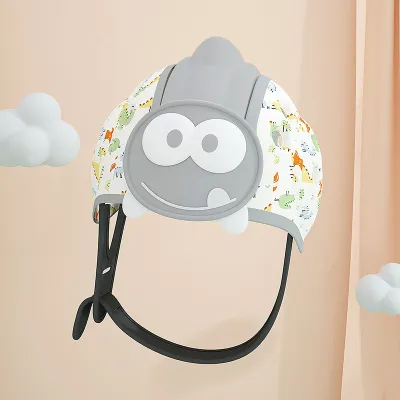
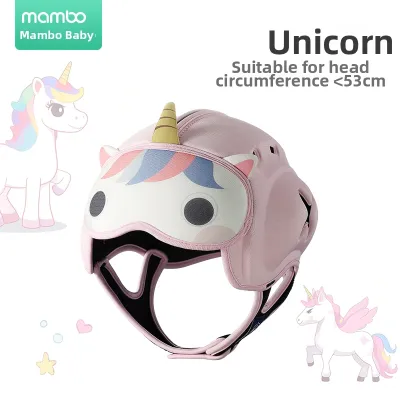
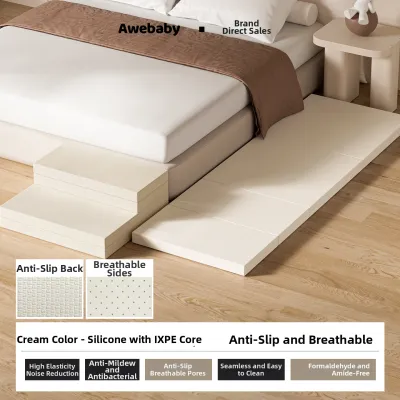
Prices are valid at publication and may change. Please refer to the product page for the latest price.
Material safety is another critical factor that distinguishes trusted brands from low-quality alternatives. Because infants and toddlers frequently put fabrics and straps in their mouths, all materials must be certified non-toxic and free from harmful chemicals. Look for certifications such as OEKO-TEX Standard 100, which guarantees that textiles have been tested for harmful substances, or clear labels indicating that plastic components are free from Bisphenol A (BPA), phthalates, and heavy metals. A brand’s willingness to display these certifications prominently is a strong indicator of product safety and manufacturing responsibility.
If a brand’s safety claims seem vague or unsubstantiated, parents should not hesitate to request a formal Declaration of Conformity or a copy of the third-party test reports. Legitimate manufacturers maintain these documents and are usually willing to provide them to consumers upon request. If a seller on an online marketplace cannot or will not provide proof of testing, it is best to avoid the product entirely. Investing in a brand that provides transparent, verifiable safety documentation ensures that the gear will perform as intended during a fall.
Essential Design Features for Effective Fall Protection
An effective anti-fall product must balance protective cushioning with physical comfort, particularly in Singapore’s hot and humid climate. When evaluating wearable head protectors, look for brands that utilize high-density, lightweight shock-absorbing foam, such as expanded polyethylene (EPE) or specialized memory foam. This cushioning must be thick enough to absorb the impact of a fall onto hard flooring, yet light enough that it does not strain the baby’s neck muscles. To prevent overheating and heat rash, the outer fabric should consist of breathable 3D mesh or organic cotton that promotes airflow and wicks away moisture.

The design of the harness and strap system is equally vital for both safety and comfort. Trusted brands design adjustable, plush shoulder straps that distribute weight evenly across the baby’s shoulders without digging into their skin. A secure chest strap is necessary to prevent the backpack from slipping off during active movement. However, these straps must feature anti-strangulation designs, meaning they should never wrap near the neck area and should include quick-release buckles that allow parents to remove the gear instantly if needed. The buckles themselves should require a level of finger strength that a toddler cannot replicate, preventing accidental self-removal.
Finally, the physical geometry of the gear must align with the baby’s natural center of gravity. A poorly designed head protector can be top-heavy, actually pulling the baby backward and causing the very tumbles it is meant to cushion. High-quality brands conduct ergonomic testing to ensure the weight of the protector is concentrated low and close to the baby’s back. This design allows the child to sit, crawl, and stand naturally without altering their posture or balance, ensuring that the protective gear does not introduce new physical hazards.
How to Evaluate Brand Reputation and Parent Reviews
With countless options available on ecommerce platforms, distinguishing authentic parent feedback from incentivized or artificial reviews is a crucial skill. When browsing online marketplaces, look for detailed reviews that describe specific usage scenarios, such as how the gear performed on a particular type of flooring or how a baby reacted to wearing it. Be skeptical of listings that feature hundreds of identical, five-star ratings with generic praise and no constructive feedback. Authentic reviews often highlight minor drawbacks, such as a strap that requires frequent adjustment or a fabric that takes longer to dry after washing.
Long-term durability reports from other parents offer invaluable insight into a brand’s manufacturing quality. Look for feedback regarding how the materials hold up after multiple cycles in the washing machine. High-quality anti-fall gear should maintain its structural shape, and the internal cushioning should not clump or lose its rebound capacity. Pay close attention to comments about the durability of the Velcro, plastic buckles, and stitching at high-stress points, such as where the shoulder straps attach to the main cushion. A brand that uses premium materials will resist fraying and degradation over months of daily use.
Additionally, parents should research a brand’s history of product safety and customer service responsiveness. Before buying, search international recall databases, such as the US Consumer Product Safety Commission (CPSC) or the European Safety Gate, to check if the brand has faced any safety warnings or mandatory recalls. A reputable brand will have a clear, accessible customer service channel and a transparent policy for addressing product defects. Choosing a brand with an established presence and a history of responsive customer care provides peace of mind that the manufacturer stands behind the safety of their products.
Matching Anti-Fall Gear to Your Baby's Developmental Stage
Selecting the right anti-fall gear requires a clear understanding of your baby’s current motor skills and developmental milestones. During the early cruising stage, when babies begin pulling themselves up on furniture and shuffling sideways, their balance is highly unstable. At this point, a lightweight head protector backpack can offer temporary protection against backward tumbles. However, parents must ensure the gear is rated for the baby’s specific age and weight. Using gear designed for an older toddler on a younger infant can overload their delicate spine and neck muscles, leading to discomfort or injury.
As babies transition to independent walking, their protective needs change. Wearable gear should only be used during active play sessions in areas with hard surfaces, rather than as a constant accessory throughout the day. It is vital to check the manufacturer’s weight limits and sizing charts regularly, as babies grow rapidly during this stage. If the straps become too tight or the cushion no longer aligns with the back of the baby’s head, the gear will fail to protect them properly and may restrict their natural movement.
Crucially, parents must recognize when to phase out the use of anti-fall gear entirely. Falling is a natural and necessary part of learning to walk, as it teaches babies spatial awareness, balance, and how to land safely on their bottoms. Over-reliance on protective gear can delay the development of these essential motor reflexes, as the baby does not experience the natural consequences of losing their balance. Once a toddler can walk confidently and navigate minor obstacles without frequent falls, wearable protection should be retired to allow their natural physical coordination to mature fully.
Pre-Purchase Checklist and Safe Usage Guidelines
To ensure maximum safety, parents should run through a strict checklist before finalizing any purchase of anti-fall gear. First, verify that the product’s age, weight, and height recommendations align perfectly with your baby’s current measurements. Second, inspect the product photos or physical samples for any loose threads, exposed foam, or small parts that could detach and pose a choking hazard. Third, confirm that the washing instructions are practical for your lifestyle, as baby gear requires frequent cleaning to maintain hygiene. Finally, ensure that the brand offers a clear warranty or return policy in case the fit is incorrect.
It is paramount to remember that anti-fall gear is a supplementary safety tool and must never replace active adult supervision. No wearable backpack or bed rail can guarantee absolute safety or prevent all injuries. A parent or caregiver must always remain within arm’s reach of an active infant or toddler, especially when they are exploring new environments or climbing on furniture. Relying solely on gear can create a false sense of security, leading to unsupervised situations where serious accidents can occur.
Maintaining the integrity of the gear through regular inspections is essential for ongoing safety. Establish a weekly routine to check the physical condition of the product. Look closely for frayed stitching along the shoulder straps, hairline cracks in plastic buckles, and any loss of elasticity in the harness bands. Gently compress the cushioning layer to ensure it still rebounds quickly to its original shape; if the foam remains compressed or feels flat, it will no longer absorb impacts effectively. If any signs of wear or damage are detected, stop using the gear immediately and contact the manufacturer or replace the item.
Frequently Asked Questions (FAQ)
Do anti-fall backpacks restrict a baby's natural balance development?
Yes, over-reliance on wearable anti-fall backpacks can potentially delay a baby’s natural balance and motor reflex development. To learn how to balance, a baby’s brain needs to experience the sensory feedback of falling and making physical adjustments. If a backpack constantly cushions every tumble, the baby may not learn to tuck their chin or use their hands to break a fall. To prevent this, limit the use of wearable gear to short sessions on exceptionally hard surfaces, and allow your baby to play gear-free on padded play mats to encourage natural physical progression.
How often should I inspect the straps and buckles on fall protection gear?
Parents should perform a quick visual inspection of all straps, buckles, and stitching before every single use, along with a more thorough physical check once a week. During the weekly check, tug gently on the strap attachment points to ensure the stitching remains secure, and open and close the buckles several times to verify the locking mechanism is firm. You must stop using the gear immediately if you observe any frayed threads, cracked plastic components, stretched-out elastic, or if the internal cushioning fails to bounce back after compression.
Are bed rails considered anti-fall gear, and what are the safety risks?
Bed rails are classified as stationary fall prevention barriers rather than wearable anti-fall gear, and they carry distinct safety risks that parents must manage carefully. The primary hazard associated with bed rails is entrapment, where a baby can become wedged in the gap between the rail and the mattress, posing a severe suffocation risk. To mitigate this, always ensure the bed rail is installed tightly against the mattress with no gaps, verify that the locking mechanisms are fully engaged, and only use rails that are certified for your specific bed type and your child’s age group.
Community discussion
Share your experience or ask a question. Comments are reviewed before publication.