
Navigating the early milestones of your baby’s life is an exciting journey, but it also introduces new safety challenges as your little one becomes mobile. In Singapore, where modern homes often feature hard flooring such as polished marble, parquet, or vinyl, managing the risk of bumps and falls is a top priority for parents. While it is impossible to prevent every minor tumble, choosing the right anti-fall gear can provide an extra layer of protection and peace of mind. However, with an overwhelming array of options available on online marketplaces and in baby specialty stores, identifying which brands are truly reliable requires a systematic approach. Trusted brands are not merely those with the most visible advertisements; rather, they are defined by rigorous safety compliance, high-quality materials, and positive long-term feedback from the local parenting community. By understanding how to evaluate these factors, you can confidently select products that protect your child while integrating seamlessly into your home.
Identifying the Right Anti-Fall Gear for Your Baby's Developmental Stage
Baby safety is not a one-size-fits-all solution, and the gear you choose must align directly with your baby’s physical milestones. As infants grow, their mobility patterns change rapidly, shifting the types of fall hazards they encounter. Understanding these developmental phases allows you to select targeted protection that matches their current abilities rather than cluttering your home with unnecessary gadgets.
During the first few months, babies transition from lying still to rolling over, which typically occurs between four and six months of age. At this stage, the primary risk is falling from elevated surfaces such as adult beds, changing tables, or sofas. To mitigate this risk, environmental modifications like sturdy bed rails or dedicated floor-level playpens become highly relevant. These barriers create a secure zone, preventing accidental rolls off elevated surfaces during sleep or diaper changes.
Products mentioned in this guide
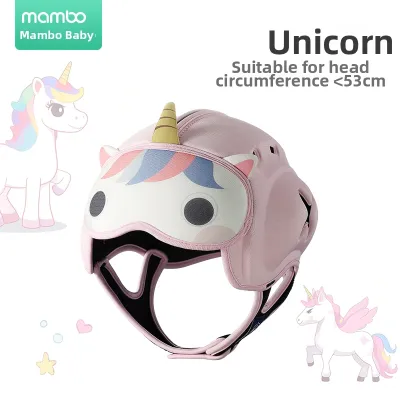
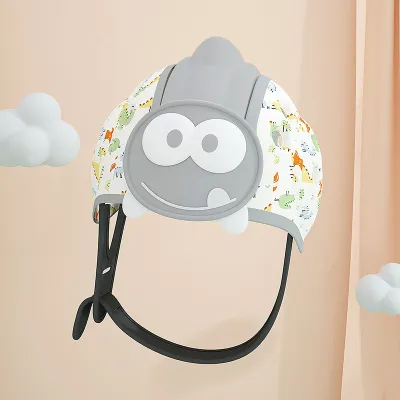
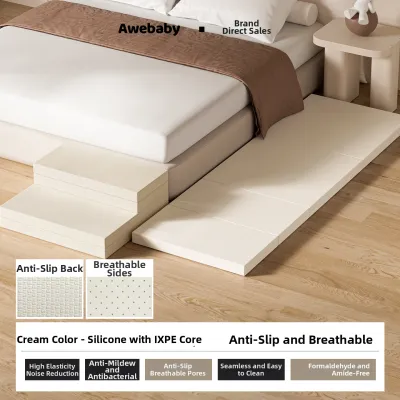
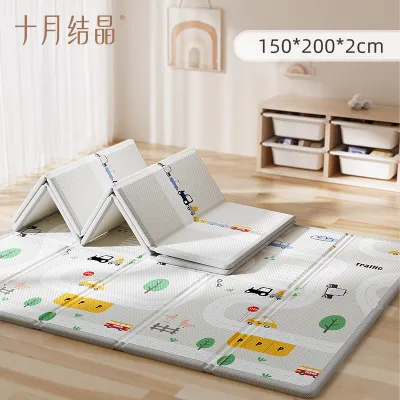
Prices are valid at publication and may change. Please refer to the product page for the latest price.
As your baby progresses to crawling and pulling themselves up to stand—usually between six and twelve months—their environment expands significantly. Sharp furniture corners, low shelves, and open doorways present immediate hazards. During this phase, edge guards, corner cushions, and safety gates installed at doorways or staircases are essential. These modifications prevent access to high-risk areas and cushion the impact if your baby loses balance while exploring the floor level.
When your child begins cruising along furniture and taking their first independent steps, their center of gravity remains unstable. They frequently fall backward or lose their balance on hard indoor floors. During this highly active transition, some parents consider wearable protection, such as backpack-style head cushions or soft safety helmets. These wearable items are designed to cushion the back of the head during sudden backward falls, providing temporary peace of mind during active play.
However, it is crucial to emphasize that all anti-fall gear serves as a supplementary safety measure and must never replace active caregiver supervision. No device can anticipate every movement or eliminate all risks. Maintaining a watchful eye and keeping your baby within arm’s reach remains the most effective way to ensure their safety, with physical gear acting as a secondary line of defense.
Recognizing Trust Signals and Quality Indicators in Baby Safety Brands
When filtering through the vast selection of baby safety products, experienced parents look beyond aesthetic appeal and marketing claims. Trusted brands distinguish themselves through verifiable quality indicators, particularly regarding material safety, structural design, and community reputation. Knowing what specific details to look for helps you separate high-quality safety gear from substandard alternatives.

Material safety is the most critical factor, especially since babies frequently explore their surroundings by chewing on available surfaces. Any anti-fall gear installed within your child’s reach—such as bed rail covers, playpen edges, or corner guards—must be made from non-toxic, BPA-free, and food-grade materials. Reputable brands will explicitly state their material compositions, such as high-density polyethylene (HDPE) or food-grade silicone, and provide clear documentation of chemical safety testing.
Structural design and stability are equally vital for environmental modifications. For items like bed rails, look for brands that utilize robust anchoring systems, such as Y-shaped safety straps that secure underneath the mattress, rather than relying solely on the weight of the mattress to hold the rail in place. For wearable gear, prioritize lightweight, hypoallergenic, and highly breathable fabrics. In Singapore’s warm and humid climate, heavy or non-breathable materials can quickly cause heat rash or skin irritation, leading to discomfort and resistance from your baby.
Finally, community validation serves as a powerful trust signal. While promotional reviews can be biased, long-term feedback within local parenting networks, neighborhood chat groups, and parenting forums provides realistic insights. Look for brands that receive consistent, unsolicited recommendations for durability, ease of cleaning, and structural integrity over months of active use. A brand that is widely trusted by local parents often indicates a product that stands up to the demands of daily Singaporean household environments.
A Framework for Evaluating Brand Reputation and Safety Compliance
To ensure the anti-fall gear you purchase is genuinely safe, you need a reliable framework to evaluate brand reputation and safety compliance. Relying solely on product descriptions is rarely sufficient; instead, taking a few systematic steps to verify safety claims will help you make an informed and secure decision.
The first step in this framework is verifying recognized international safety standards. Reputable manufacturers design their products to meet stringent regional or global safety benchmarks. For example, look for certifications such as the European Union’s EN standards (such as EN 1930 for safety barriers) or the American ASTM standards (such as ASTM F2085 for portable bed rails). These certifications indicate that the product has undergone rigorous mechanical testing for strength, entrapment hazards, and structural stability, and they should be clearly printed on the packaging or product labels.
Next, investigate the manufacturer’s history and customer support responsiveness. A quick search of international product safety databases or local consumer protection alerts can reveal whether a brand has a history of product recalls or safety failures. Furthermore, test the brand’s customer service by sending an inquiry regarding their installation guidelines or material certifications. A prompt, detailed, and professional response is a strong indicator of a brand that takes consumer safety and product accountability seriously.
Lastly, learn to identify common red flags that suggest a product may not be safe. Be cautious of brands that provide vague material descriptions, such as simply listing “plastic” or “foam” without specifying non-toxicity or chemical compliance. Other warning signs include missing age, height, or weight specifications, poorly translated instruction manuals, and a complete lack of manufacturer contact details or physical address. White-label products sold without a clear brand identity often lack the quality control and accountability required for baby safety gear.
Building Your Shortlist: Comparing Features Across Trusted Brands
Once you have identified a pool of compliant and reputable brands, the next step is to compare their specific features to find the best fit for your home. Creating a practical comparison matrix based on adjustability, maintenance, and furniture compatibility will help you narrow down your choices to the most suitable options.
Adjustability and product longevity are key considerations, as babies grow rapidly and their safety needs evolve. When comparing brands, look for products that offer adjustable features to accommodate this growth. For instance, bed rails with adjustable height settings can adapt to different mattress thicknesses as you transition your child’s bedding. Similarly, wearable head protectors should feature adjustable, soft chest and shoulder straps to ensure a snug yet comfortable fit as your baby’s physical dimensions change.
In Singapore’s tropical climate, ease of cleaning and maintenance is a critical comparison factor. High humidity levels create an environment where mold, mildew, and dust mites can easily thrive on fabric and foam surfaces. Prioritize brands that design their products with removable, machine-washable fabric covers. For non-fabric items like corner guards or playpens, look for smooth, non-porous materials that can be easily wiped down with mild baby-safe sanitizers without degrading the material over time.
Furniture compatibility is another essential factor that varies significantly between households. Before finalizing your shortlist, measure your existing furniture carefully. Bed rails, for example, have specific requirements regarding mattress thickness and bed frame design, such as platform beds versus slatted frames. Ensure the brand you select provides clear compatibility guidelines and that their mounting mechanisms are fully compatible with your existing home setup without leaving dangerous gaps where a baby could become trapped.
Securing Authentic Products and Navigating Purchasing Channels
Even the most trusted brand cannot protect your baby if the product you receive is a counterfeit or a substandard imitation. Navigating purchasing channels carefully is essential to ensure you receive authentic, high-quality safety gear that meets all original manufacturing standards.
To guarantee authenticity, prioritize purchasing directly from official brand websites, authorized local distributors, or established brick-and-mortar baby specialty stores in Singapore. These retailers maintain direct supply chains and are accountable for the quality of the goods they sell. Purchasing through authorized channels also ensures you have access to valid product warranties and reliable local customer support if you require replacement parts or installation assistance.
If you choose to purchase through general online marketplaces, take extra precautions to verify the seller’s credentials. Look for sellers designated as official brand stores or preferred local distributors, and read customer reviews specifically focusing on product packaging and authenticity. Avoid listings with unusually low prices compared to the market average, as these are often indicators of counterfeit goods or older, outdated product versions that may not meet current safety standards.
Finally, perform a thorough post-delivery inspection before assembling or using any anti-fall gear. Check that the safety seals on the packaging are intact and that the product includes a comprehensive, clear instruction manual in English. Inspect all structural components for cracks, sharp edges, or loose joints, and verify that all necessary mounting hardware is present and undamaged. If you notice any discrepancies or signs of damage, contact the seller or manufacturer immediately before allowing your baby to use the product.
Frequently Asked Questions (FAQ)
At what age should babies stop using wearable anti-fall headgear?
The decision to stop using wearable anti-fall headgear depends primarily on the manufacturer’s specified head circumference and weight parameters, which must be verified in the product documentation. Generally, these wearable items are designed for the transitional phase when babies are learning to sit, crawl, and take their first steps, typically between 6 and 12 months of age. Once your child develops improved balance, spatial awareness, and walking confidence, wearable headgear should be discontinued to allow them to develop natural falling reflexes and spatial judgment.
Can bed rails be safely installed on all types of mattresses?
No, bed rails cannot be safely installed on all types of mattresses, and compatibility must be verified before purchase. You must measure your mattress thickness and inspect your bed frame design against the specific brand’s installation manual. Pressure-mounted rails or rails without proper anchoring mechanisms should never be used on uneven, overly soft, or incompatible surfaces, as this can create dangerous gaps between the mattress and the rail, posing a severe entrapment risk for your baby.
How often should anti-fall gear be inspected for wear and tear?
Anti-fall gear should be inspected physically and visually at least once a week to ensure ongoing safety and effectiveness. Check for degraded adhesives on corner guards, torn fabrics or loose seams on wearable gear, and loose structural joints or worn-out locking mechanisms on bed rails and safety gates. If any component fails to meet the original safety specifications or shows signs of structural fatigue, discontinue use immediately and replace the item or contact the manufacturer for authorized replacement parts.
Community discussion
Share your experience or ask a question. Comments are reviewed before publication.