
Finding a trusted baby booster seat in Singapore requires looking beyond brand names or aesthetic designs. Parents must prioritize verified international safety certifications, proper vehicle compatibility, and authorized local distribution. In Singapore, children under 1.35 metres in height are legally required to use an approved child restraint when traveling in passenger vehicles. While many global brands are sold locally, a brand is only as reliable as the specific certification label affixed to the individual seat model. This guide outlines how to verify safety standards, evaluate essential comfort features suited for Singapore’s tropical climate, avoid counterfeit products, and choose a booster seat that fits both your child and your car.
Selecting the right booster seat is a critical step in transitioning your child from a toddler car seat to the vehicle’s standard seat belt system. A booster seat works by raising your child so that the adult lap-and-shoulder belt fits securely across the strongest parts of their body. Without a booster, a standard seat belt can rest against a child’s neck and soft abdomen, which can cause severe injuries in the event of a sudden stop or collision. Therefore, understanding how to evaluate and select a certified model is essential for every parent navigating Singapore’s roads.
How to Read Safety Certification Labels on Booster Seats
When shopping for a baby booster seat, the most critical step is verifying the physical safety certification label attached to the product. In Singapore, child restraints must comply with recognized international safety standards. The two most common standards you will encounter are the UN ECE R44/04 and the newer UN ECE R129 (often referred to as i-Size). Understanding the differences between these standards allows you to make an informed decision based on the latest safety engineering.
Products mentioned in this guide
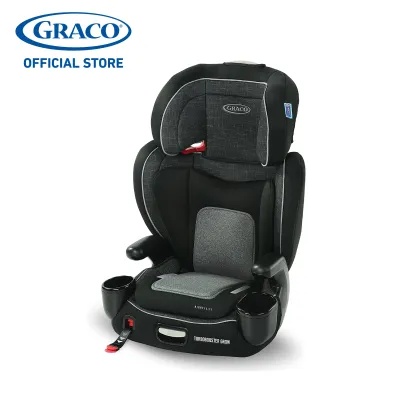
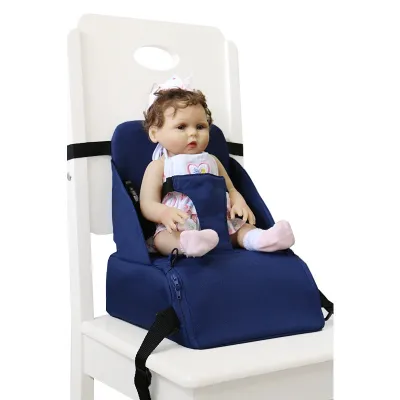
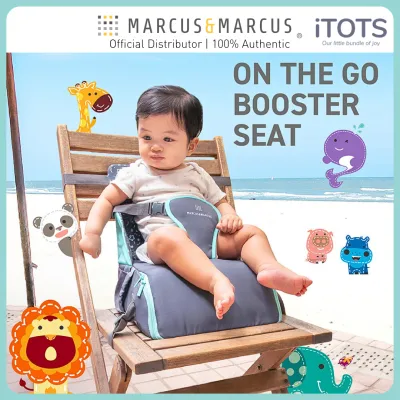
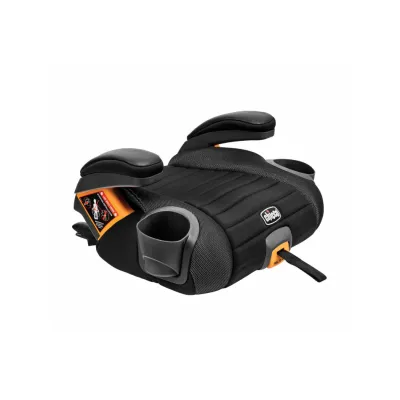
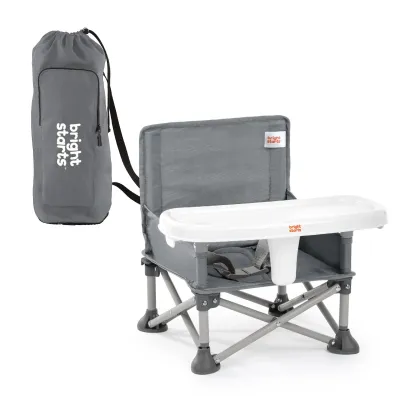
![Easyhome.sg [Child SAFETY] Baby Booster Car Seat Chair – Toddler Safety Travel Carrier for Children](https://img.lazcdn.com/g/p/8cf856890dd672e6f3804f0bc6e8503d.png_400x400q80.png_.webp)
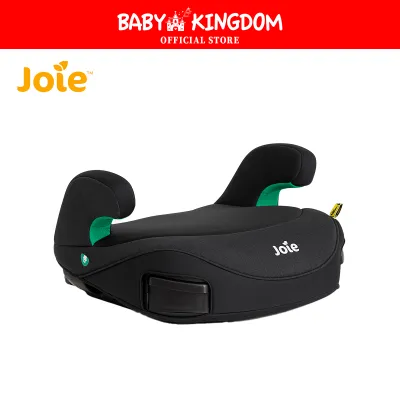
![[Ann&Ann] Booster Cushion Seat - Baby Kids Child Children Toddler Dining High Chair Pad Support Waterproof or Washable Removable Cover PU Safety Cartoon Safety Feeding Lunch Dinner Mat Gift Gift Light Weight Memory Foam Firm Good Quality](https://img.lazcdn.com/g/ff/kf/S4a3ab4f5fdcb4ab9a8963281cd49d269U.jpg_400x400q80.jpg_.webp)
Prices are valid at publication and may change. Please refer to the product page for the latest price.
The UN ECE R44/04 standard categorizes booster seats primarily by the child’s weight. For booster seats, this typically falls under Group 2 (15 to 25 kg) and Group 3 (22 to 36 kg). In contrast, the UN ECE R129 standard is height-based, which safety experts generally consider a more accurate metric for ensuring a proper seat belt fit. Furthermore, R129 certification requires mandatory side-impact testing, whereas R44/04 only mandates testing for frontal and rear impacts. When evaluating a booster seat, look for the official orange approval label, which is usually affixed to the back or underside of the seat shell.
This orange label contains vital information that you must verify before purchase. At the top of the label, you will see the specific standard code (such as ECE R129/03 or ECE R44/04). Below this, the label will display the approved height or weight range for that specific model. It will also feature a circle containing the letter “E” followed by a number. This “E” mark indicates that the seat has been tested and approved in a country that adheres to the United Nations regulations. For example, “E1” represents Germany, “E4” represents the Netherlands, and “E11” represents the United Kingdom.
It is important to remember that a brand’s general reputation or popularity on social media is not a substitute for these visible, verifiable certification marks on the specific model you are purchasing. Even highly regarded brands manufacture different models for different global markets, and some models sold online may not carry the necessary certifications for use in Singapore. Always locate the physical orange sticker on the seat itself and verify that the weight or height limits align with your child’s current physical measurements before finalizing your purchase.
Essential Safety and Comfort Features to Look For
Beyond basic certification, high-quality booster seats incorporate specific structural and functional features designed to maximize safety and ease of use. One of the primary features to evaluate is the installation system. Booster seats generally utilize either the vehicle’s standard three-point seat belt or rigid ISOFIX connectors. While the vehicle seat belt is what actually secures the child in a booster seat, ISOFIX connectors keep the booster seat firmly anchored to the vehicle’s chassis. This prevents the seat from shifting during turns or becoming a projectile when unoccupied.

Reputable manufacturers design their booster seats with clear, color-coded installation indicators to minimize user error. For models certified under the older R44/04 standard, these belt guides are typically colored red. For newer R129 certified models, the guides are usually bright green. These guides show exactly where the shoulder belt must pass across the child’s collarbone and where the lap belt must sit across their hips. Clear, intuitive belt routing is essential, as an improperly positioned seat belt can fail to protect your child during a sudden stop.
Side-impact protection is another critical marker of advanced safety engineering. Look for booster seats that feature deep, energy-absorbing side wings lined with Expanded Polystyrene (EPS) or Expanded Polypropylene (EPP) foam. Some models also include additional external side-impact protection pods that deploy on the side of the booster seat closest to the vehicle door. These structures are designed to absorb and redirect crash forces away from your child’s fragile head, neck, and torso in the event of a lateral collision.
Given Singapore’s hot and humid tropical climate, practical daily maintenance and comfort are major considerations. Children can easily overheat during car rides, leading to discomfort and fussiness. To mitigate this, look for booster seats designed with breathable mesh fabrics and built-in ventilation channels within the seat shell to promote airflow. Additionally, ensure the seat fabric is fully removable and machine-washable. Being able to easily strip and wash the cover is invaluable for managing sweat, spills, and general wear over years of use.
Verifying Authenticity and Securing Local Warranty Support
With the rise of global ecommerce, it has become increasingly easy to purchase baby gear from various online sources. However, buying a booster seat from unauthorized online marketplaces or parallel importers carries significant risks. These products may be counterfeit, may not comply with local safety regulations, or might have been stored in sub-optimal conditions that degrade the integrity of the plastic shell. To ensure your child’s safety, always purchase from official brand stores, authorized local distributors, or reputable physical baby specialty retailers in Singapore.
Securing a valid local warranty is another crucial reason to buy from authorized channels. A genuine local warranty typically covers manufacturing defects, structural failures, and access to official replacement parts. If you purchase a parallel import, you will likely find that the local distributor will not service the product or provide replacement parts. In the event of a defect, you would have to coordinate and pay for shipping the seat back to the country of origin, leaving you without a safe restraint system in the interim.
When you purchase your booster seat, take immediate steps to verify its authenticity and register the product. Locate the serial number, batch number, and manufacturing date, which are typically printed on a white barcode sticker on the seat shell. You can use this information to register the product on the official local distributor’s website. This registration is not only important for warranty claims but also ensures that the distributor can contact you immediately if the manufacturer issues a safety recall or product update.
Additionally, check if the local distributor offers a crash-exchange program. Some trusted brands and distributors in Singapore provide a complimentary replacement booster seat if your registered seat is involved in a significant traffic accident. Because the structural integrity of a booster seat can be compromised during a collision—even if there is no visible damage—having access to a crash-exchange program provides immense peace of mind and financial protection for families.
Building Your Shortlist: Matching the Seat to Your Child and Vehicle
Creating a shortlist of potential booster seats requires matching the specific physical dimensions of your child and the interior configuration of your vehicle. First, you must determine if your child is genuinely ready to transition to a booster seat. Many parents transition their children too early. A child should only move to a high-back booster when they have fully outgrown their forward-facing harnessed car seat by reaching the maximum weight or height limit, and when they possess the developmental maturity to sit properly for the entire journey without slouching or playing with the belt.
Once readiness is established, you must evaluate vehicle compatibility. Not every certified booster seat fits well in every car model. Start by checking the geometry of your vehicle’s rear seats. Some cars have deeply contoured seats or recessed seat belt buckles that can make it difficult for a child to buckle themselves in independently. Additionally, check the position of your vehicle’s headrests. In some cars, the built-in headrest can push the top of a high-back booster forward, creating an unsafe gap between the booster’s backrest and the vehicle seat. If this occurs, you may need to adjust or temporarily remove the vehicle headrest.
Before finalizing your purchase, it is highly recommended to test the booster seat in your actual vehicle with your child. Many physical baby specialty stores in Singapore allow parents to bring a display model out to their car to check the fit. Have your child sit in the booster and buckle the seat belt. Verify that the shoulder belt rests flat across the center of their collarbone—not rubbing against their neck or slipping off their shoulder. The lap belt must sit low and flat across their upper thighs and hip bones, never riding up onto their soft stomach.
Finally, inquire about the return and exchange policies of the retailer. If you are purchasing online from an authorized local store, ensure they have a flexible return policy in case the seat proves incompatible with your vehicle’s seat belt configuration upon delivery. If you are ever unsure about the fit or installation, consult a certified child passenger safety technician or professional to verify that the seat is set up correctly for your child’s protection.
Frequently Asked Questions (FAQ)
At what age or height should a child transition to a baby booster seat?
Transitioning to a booster seat should be based on physical milestones and developmental maturity rather than age alone. Legally in Singapore, anyone under 1.35 metres in height must use an approved child restraint. Generally, children should remain in a forward-facing harnessed car seat until they reach the maximum weight or height limit specified by the manufacturer, which is often around 18 kilograms or 105 centimetres. To safely transition to a booster seat, your child must also be mature enough to sit upright without slouching, leaning, or pulling the seat belt out of position for the entire duration of the ride. You can use the standard five-step test to determine if they are ready to transition out of a booster seat entirely: they must be able to sit all the way back against the vehicle seat, have their knees bend comfortably over the edge, have the shoulder belt cross the center of their shoulder, have the lap belt sit low on their hips, and maintain this position for the whole trip.
Are backless booster seats as safe as high-back models from trusted brands?
High-back booster seats are generally much safer and highly recommended over backless models, particularly for younger or smaller children. High-back boosters provide essential side-impact protection for the head, neck, and torso, which backless models completely lack. They also feature built-in shoulder belt guides that ensure the vehicle’s seat belt remains positioned correctly across the child’s collarbone, even if the child shifts or falls asleep. Backless booster seats only raise the child’s seating position to help the lap belt fit, but they offer no lateral support or head protection. If your vehicle does not have adequate rear headrests, a backless booster is unsafe because there is no support to prevent whiplash in a rear-end collision. To optimize safety, keep your child in a high-back booster seat for as long as possible before considering a transition to a backless model or the vehicle seat belt alone.
Community discussion
Share your experience or ask a question. Comments are reviewed before publication.