
Parents should avoid synthetic fragrances, optical brighteners, artificial dyes, and harsh preservatives like methylisothiazolinone when choosing a children’s detergent. Because a child’s skin barrier is thinner and more permeable than an adult’s, chemical residues left on clothing can easily penetrate the skin, leading to irritation or dryness. Rather than relying on unregulated marketing terms like “baby-safe” or “gentle,” parents must learn to read the actual ingredient list on the back of the bottle to ensure the formula is truly suitable for sensitive young skin.
Why Children's Skin Requires Careful Ingredient Evaluation
Children’s skin is structurally different from adult skin. The outer layer, known as the stratum corneum, is significantly thinner, and the overall skin barrier is still developing during the early years of life. This structural difference makes a child’s skin highly permeable, allowing topical substances and chemical residues to penetrate more deeply and rapidly.
Laundry detergent is designed to clean fabrics, but microscopic residues inevitably remain bound to the fibers of clothing, bedding, and swaddles after a wash cycle. Because children wear clothes and sleep on sheets continuously, these residual chemicals maintain prolonged, direct contact with their skin. Friction from movement can further drive these residues into the delicate skin barrier, increasing the risk of localized irritation.
Products mentioned in this guide
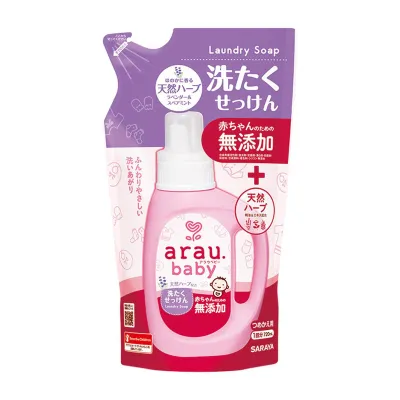
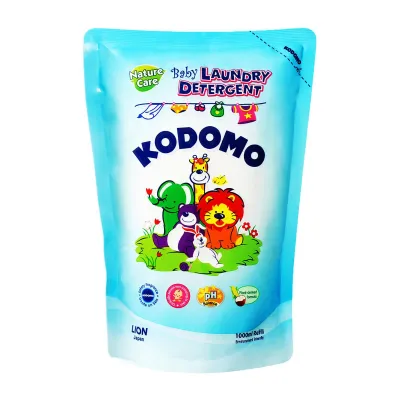
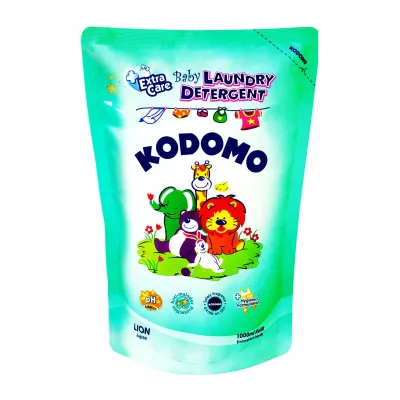
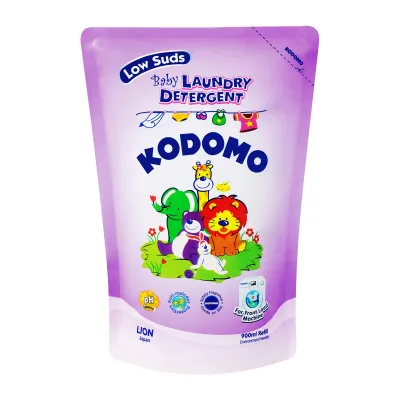
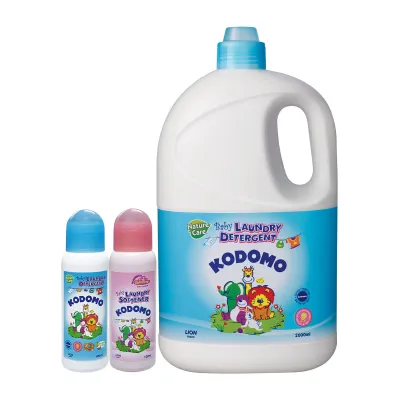
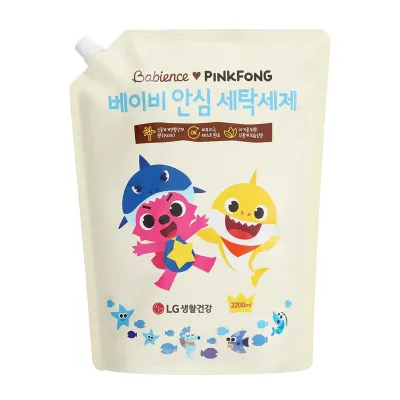
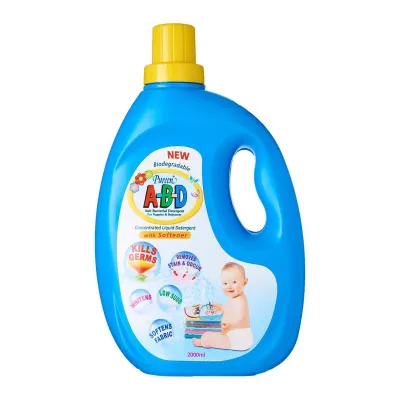
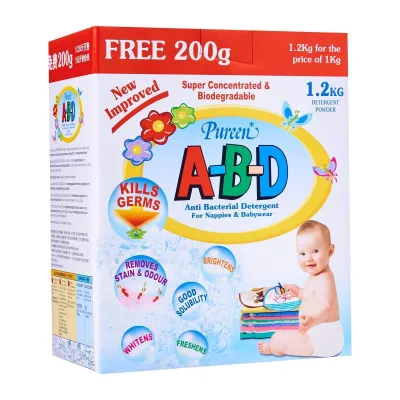
Prices are valid at publication and may change. Please refer to the product page for the latest price.
Many parents rely on front-of-package marketing claims such as “gentle,” “hypoallergenic,” “baby-safe,” or “dermatologist-tested.” However, these terms are not strictly regulated by standardized government definitions in many regions, including Singapore. A product labeled “gentle” may still contain synthetic fragrances or preservatives that can trigger skin reactions. Checking the actual ingredient list is the only reliable way to verify what goes onto your child’s clothing.
Key Ingredient Categories to Evaluate on Detergent Labels
When evaluating detergent labels, understanding the distinction between “fragrance-free” and “unscented” is crucial. A “fragrance-free” product means no fragrance chemicals or masking scents have been added to the formulation. Conversely, an “unscented” product may contain chemical masking agents designed to neutralize the natural odors of the raw ingredients, resulting in a neutral smell while still exposing the child’s skin to potential irritants.

Optical brighteners are synthetic chemicals added to detergents to make fabrics appear whiter and brighter by absorbing ultraviolet light and emitting blue light. These chemicals are designed to remain on the fabric fibers after washing, meaning they stay in constant contact with the skin and can cause contact sensitivity. Synthetic dyes, which are added solely for aesthetic appeal to give the liquid its color, serve no functional cleaning purpose and are common skin irritants.
Preservatives like methylisothiazolinone (MI) and methylchloroisothiazolinone (MCI) are often used to prevent bacterial growth in liquid detergents, but they are well-documented triggers for allergic contact dermatitis in children. Other preservatives, such as formaldehyde-releasing agents, should also be avoided as they can cause cumulative skin irritation over time.
The rise of “plant-based” or “natural” detergents has provided parents with more options, but these claims do not automatically guarantee a product is free from irritants. Natural botanical extracts and essential oils, such as lavender, eucalyptus, or citrus oils, are frequently added to plant-based formulas for scent. While natural, these essential oils contain volatile organic compounds that can be highly irritating to sensitive skin and may trigger respiratory or skin sensitivities in young children.
Physical detergent labels often have limited space, leading manufacturers to use abbreviated chemical terms or broad category names like “surfactants” or “preservatives.” If the physical label does not provide a complete, transparent list of ingredients, parents should visit the manufacturer’s official website. Reputable brands typically publish full ingredient disclosures, safety data sheets, or detailed product guides online, allowing you to verify every component before making a purchase.
How to Decode and Verify Detergent Ingredient Claims
To effectively evaluate a detergent, locate the ingredient list, which is typically found on the back or side panel of the packaging. Ingredients are listed in descending order of concentration, meaning the components listed at the top make up the majority of the product, while those at the bottom are present in smaller amounts. Even if a potential irritant like a specific preservative is listed near the end, it can still trigger a reaction in highly sensitive children, making a thorough scan of the entire list necessary.
Chemical names on detergent labels can be complex and intimidating. Parents can cross-reference unfamiliar ingredients with reliable, independent databases such as the Environmental Working Group’s (EWG) Skin Deep database, or resources from established pediatric and dermatological associations. These platforms rate individual chemicals based on their toxicity, allergenicity, and overall safety profile, helping you make informed decisions.
Look for reputable third-party certifications on the packaging, such as the National Eczema Association (NEA) Seal of Acceptance, EcoCert, or other recognized dermatological standards. While these certifications indicate that a product has undergone independent evaluation and met specific criteria for low irritation potential, they do not guarantee absolute safety for every individual child. Parents should still verify the specific testing standards of these organizations and monitor their child’s skin for any unique sensitivities.
What to Do If You Suspect a Detergent-Related Skin Reaction
If your child experiences a reaction to laundry detergent, the signs are typically visible on the skin. Look for localized redness, dry or flaky patches, small bumps, or persistent itching, particularly in areas where clothing fits tightly against the body, such as the waistband, cuffs, collar, or thighs. Unlike systemic allergies, contact irritation from detergent residues is usually confined to the areas directly covered by washed fabrics.
Upon suspecting a detergent-related reaction, immediately discontinue using the product. Wash all of the child’s recently laundered clothing, bedding, and towels using a known safe, fragrance-free alternative, or run them through multiple wash cycles with warm water and no detergent at all to strip away residual chemicals. Adding an extra rinse cycle to your standard laundry routine can also help ensure that any remaining surfactant residues are thoroughly flushed from the fabric fibers.
While mild skin irritation can often be managed at home by changing detergents and keeping the skin hydrated, certain symptoms require professional medical evaluation. If the skin reaction does not improve within a few days of removing the suspected detergent, if the rash spreads widely, or if you notice signs of infection such as oozing, crusting, or extreme discomfort, stop home management. Consult a pediatrician or a qualified dermatologist to obtain an accurate diagnosis and appropriate treatment plan.
Frequently Asked Questions (FAQ)
Can I use regular adult detergent for my child if I double the rinse cycle?
Using an extra rinse cycle with standard adult detergent can help reduce the amount of chemical residue left on fabrics, but it may not completely eliminate highly persistent ingredients like synthetic fragrances, optical brighteners, and strong surfactants. Adult detergents are formulated to tackle heavy stains and often contain higher concentrations of these irritating agents compared to dedicated children’s formulas. While doubling the rinse cycle is a helpful precautionary measure, it also increases water consumption and machine wear over time. For children with highly sensitive skin or eczema, switching to a dedicated, fragrance-free formula is a more reliable approach than relying solely on extra rinsing.
Are fabric softeners and dryer sheets safe to use with children's clothing?
Fabric softeners and dryer sheets are generally not recommended for children’s laundry due to the specific ingredients they contain. These products work by leaving a thin, chemical coating of quaternary ammonium compounds (quats) and heavy synthetic fragrances on fabric fibers to make them feel softer. This coating can trap heat and moisture, reduce the natural breathability of cotton fabrics, and cause persistent skin irritation. Furthermore, fabric softeners can significantly reduce the flame-resistant properties of children’s sleepwear, which is a critical safety hazard. If you want to soften your child’s laundry safely, consider using reusable wool dryer balls or adding a small amount of distilled white vinegar to the rinse cycle instead.

Community discussion
Share your experience or ask a question. Comments are reviewed before publication.