
Achieving a comfortable and highly efficient milk expression session with the Momcozy Wellness 1 relies on two primary factors: securing an accurate flange fit and following a structured pumping routine. By taking the time to measure your nipple diameter, assembling the pump parts correctly, and gradually adjusting the suction settings to match your body’s natural let-down reflex, you can maximize your milk output while avoiding physical discomfort.
Preparing for Your Pumping Session
Before you begin, finding a quiet, comfortable space where you can relax is essential for encouraging the let-down reflex. Stress and physical tension can actively hinder milk flow, so taking a few deep breaths, sipping a warm drink, or listening to calming music can make a noticeable difference in your pumping efficiency. Setting up a dedicated pumping station with a glass of water, a snack, and your phone or a book can help you look forward to your sessions rather than viewing them as a chore.
Always wash your hands thoroughly with soap and warm water before handling any breast pump components or touching your breasts. This simple step is crucial for preventing the introduction of harmful bacteria into your expressed milk and protecting your baby’s developing immune system.
Products mentioned in this guide

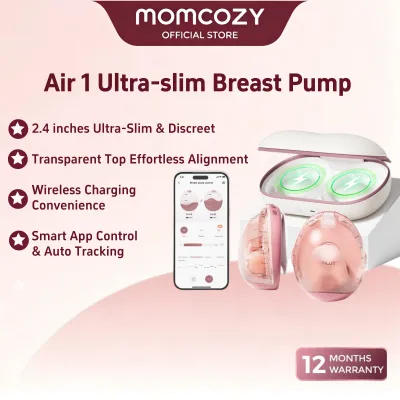
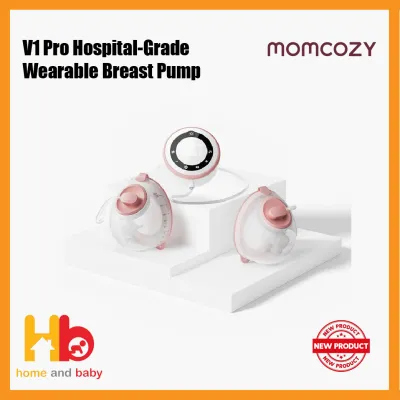
Prices are valid at publication and may change. Please refer to the product page for the latest price.
Next, inspect your breast pump components to ensure everything is clean, dry, and properly assembled. Check that the silicone diaphragm, valves, and milk collector are securely fitted together according to the manufacturer’s instructions, as any small gap can lead to a loss of suction or cause milk to leak. Ensure that all parts are completely dry before assembly, as moisture can compromise the seal and potentially damage the motor.
Finally, verify the battery level of your Momcozy Wellness 1 before starting. Ensuring the device has a sufficient charge prevents unexpected interruptions mid-session, allowing you to complete your expression routine smoothly and without unnecessary stress. If the battery is low, plug it in to charge beforehand, keeping in mind that wearable pumps should not be used while actively connected to a charger for safety reasons.
Finding the Correct Flange Size for the Momcozy Wellness 1
Using the correct flange size is critical to preventing nipple pain, tissue damage, and low milk yield. To find your size, measure the diameter of the base of your nipple (excluding the areola) using a physical measuring tool or a printable sizing ruler, preferably after a feeding or pumping session when the nipple is fully expanded. Do not measure the entire areola, as the flange is designed to target only the nipple tissue.

Keep in mind that your nipple size can change during the postpartum period, meaning a size that fit well in the first week may not be ideal a month later. Compare your measurement to the manufacturer’s sizing guide to select the corresponding flange or silicone insert that matches your current dimensions. Many parents find that they require different sizes for each breast, so it is highly recommended to measure both sides individually.
During a pumping session, observe how your nipple behaves inside the flange tunnel to confirm a proper fit. The nipple should move freely back and forth without rubbing excessively against the sides of the tunnel, and there should be minimal to no areola pulled into the tunnel. If you notice your areola being drawn deep into the flange, the size is likely too large, which can compress your milk ducts and restrict flow.
If you experience persistent pinching, friction, swelling, or a burning sensation during or after pumping, stop the session immediately. These symptoms indicate that the flange is either too small or too large, and you should re-measure your nipple or consult a lactation professional to find a more suitable fit. For parents with highly elastic skin, the nipple may stretch significantly during pumping, which may require a specialized silicone insert to provide the necessary support without causing discomfort.
Step-by-Step Guide to Using the Momcozy Wellness 1
To begin your session, position the assembled pump over your breast, ensuring your nipple is centered precisely within the flange tunnel. Leaning forward slightly while placing the pump can help you align the nipple correctly and ensure a proper seal. Press the pump firmly against your breast to create a secure, airtight seal, and secure it in place with a supportive, well-fitting nursing bra that holds the device snugly without compressing the breast tissue.
Power on the device and start with the initial stimulation or massage mode, which uses fast, shallow suction patterns designed to mimic a baby’s natural nursing rhythm. This mode helps stimulate your nerves and triggers the let-down reflex, signaling your body to release the stored milk. Spend about two to three minutes in this mode, or until you see milk beginning to drip or flow into the collector.
Once you observe milk beginning to flow steadily into the collector, transition the pump to the expression mode. This mode features slower, deeper suction cycles that are designed to draw out milk efficiently once the flow has been established. If your milk flow slows down later in the session, you can switch back to the stimulation mode for a minute or two to encourage a second let-down.
Gradually adjust the suction and cycle levels to find your highest comfortable setting. Avoid the temptation to use the maximum suction level simply because it is available; excessive suction can cause pain, breast tissue swelling, and actually restrict milk flow rather than increasing it. Pumping should never be painful, and finding a gentle, effective rhythm will yield better results over time.
Troubleshooting Common Pumping Issues
If you experience pain or nipple trauma during use, immediately re-evaluate your flange alignment and size, and lower the suction intensity. Misalignment can cause the nipple to rub unevenly against the tunnel walls, leading to soreness, blisters, or skin breakdown. Applying a tiny drop of food-safe nipple balm or breast milk to the inside of the flange tunnel before pumping can help reduce friction and improve comfort.
When facing low milk output, first check that the pump is fully sealed against your skin and that all internal parts are fitted tightly. You can also try applying a warm compress to your breasts before pumping or performing gentle breast massage during the session to help stimulate flow. Additionally, ensure you are staying well-hydrated and resting as much as possible, as fatigue and dehydration can negatively impact your milk supply.
If you notice milk leaking into the tubing or toward the motor unit, stop the pump immediately to prevent permanent damage to the electrical components. This issue is often caused by overfilling the milk collector, using worn-out valves, or assembling the parts while they are still damp. Always keep the pump upright during use and when removing it from your bra to prevent milk from spilling out of the pour spout or air vents.
Cleaning and Maintaining Your Breast Pump
To maintain hygiene and protect your baby from harmful bacteria, disassemble all parts that come into contact with breast milk immediately after every use. Rinse these components under cool water to remove residual milk, then wash them thoroughly with warm, soapy water in a dedicated washbasin rather than directly in the sink to avoid contamination.
Sanitize the washable parts daily using the specific methods outlined in your user manual, such as boiling or using a steam sterilizer, while strictly adhering to the recommended temperature and time limits to prevent warping. Never submerge the motor unit or electrical parts in water; instead, wipe them down with a clean, damp cloth. Allow all parts to air dry completely on a clean paper towel or a dedicated drying rack in a well-ventilated area before reassembling them.
Regularly inspect wearable parts like silicone valves, diaphragms, and inserts for signs of wear, stretching, or micro-tears. These components are subject to degradation over time, and replacing them periodically according to the manufacturer’s guidelines is necessary to maintain optimal suction and performance. Typically, valves should be replaced every one to three months, while diaphragms may last slightly longer depending on how frequently you pump.
Frequently Asked Questions (FAQ)
Can I use the Momcozy Wellness 1 while lying down?
No, you should avoid using the Momcozy Wellness 1 while lying down or reclining at an extreme angle. The manufacturer designs these wearable pumps to be used in an upright or slightly relaxed sitting position to ensure proper milk flow into the collector. Reclining too far can cause milk to flow backward, potentially leaking out of the container or entering the motor unit, which can damage the device and compromise hygiene. Always maintain an upright posture to ensure the best performance and prevent leaks.
How long should a single pumping session last?
A typical pumping session should last between 15 and 20 minutes per breast, which is generally sufficient to empty the breasts without causing tissue fatigue or soreness. Rather than relying solely on a timer, observe your body’s signals; you can end the session when your milk flow slows to a trickle and your breasts feel comfortably soft and light. Pumping for longer than 30 minutes is generally not recommended, as it can lead to nipple irritation and swelling without yielding additional milk.
What should I do if the suction feels too weak even on the highest setting?
If you experience weak suction, first verify that the pump is positioned correctly and has a complete seal against your skin. Next, inspect the silicone valves and diaphragms for any alignment issues, debris, or tiny tears that could let air escape. Even a microscopic tear in a silicone valve can cause a significant drop in suction power. If all parts are in perfect condition and correctly assembled but the suction remains weak, consult the manufacturer’s customer support to check for potential motor issues.

Community discussion
Share your experience or ask a question. Comments are reviewed before publication.