
Securing baby knee pads properly is essential for supporting your little one’s crawling adventures while protecting their delicate skin from friction and impact. In many homes, especially in Singapore where smooth ceramic tiles, polished marble, or vinyl flooring are common, keeping these protective accessories from sliding down or twisting can be a constant challenge. When knee pads slip, they not only fail to protect the knees but can also bunch up around the ankles, restricting natural movement and causing frustration for your baby.
Achieving a secure, non-slip fit requires a systematic approach that begins before you even put the pads on your baby. By taking accurate measurements, understanding how to position the protective cushions correctly, and adjusting the tension to balance security with comfort, you can ensure the pads stay in place during active play. This guide provides a step-by-step method to fit, secure, and maintain baby knee pads, helping your child explore their environment safely and comfortably.
Preparing for the Right Fit: Measuring and Selecting the Correct Size
Before purchasing or fitting a baby knee pad, obtaining accurate measurements of your baby’s legs is the most critical step in preventing slips. Because infants grow at highly individual rates, relying solely on general age or weight recommendations on product packaging often leads to an incorrect fit. A pad that is too large will inevitably slide down during crawling, while one that is too small can restrict blood circulation and cause discomfort.
Products mentioned in this guide
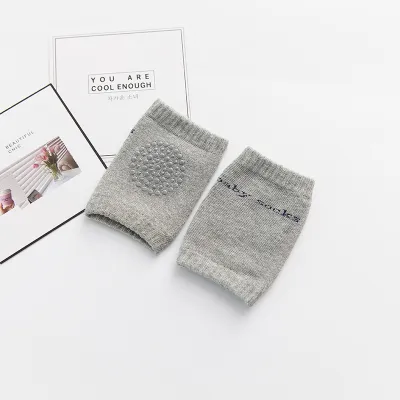
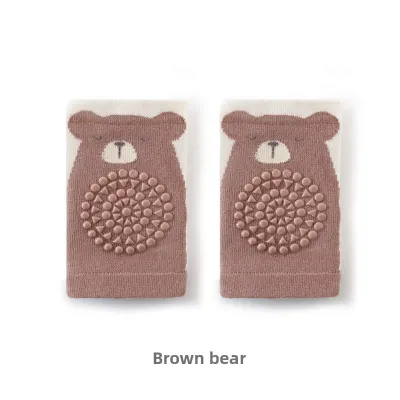
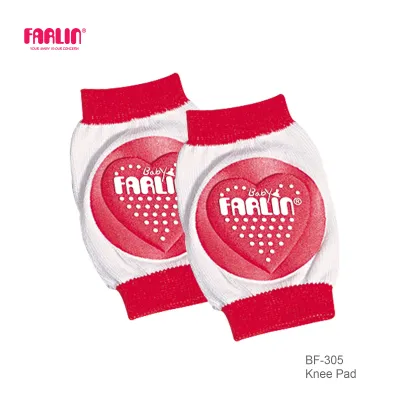
![[LocalStock] Baby Toddler Knee Protector Knee Pad Anti-Slip Crawling Pad Knee Guard Baby Care](https://img.lazcdn.com/g/p/d9bdfa9f4c5be0c40ac6f61d44788f66.jpg_400x400q80.jpg_.webp)

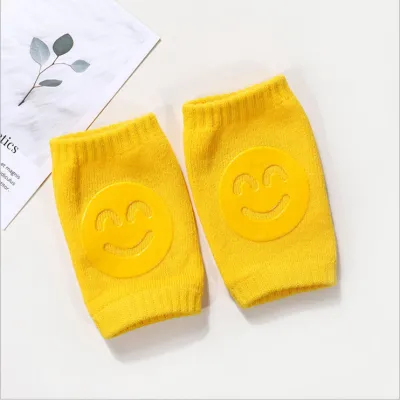
![[SG Ready Stock] SOC006A Baby Boy Girl Crawling Pad Baby Knee Elbow Guard Socks Embroidered details [Little Gems] Breathable Durable Cute unisex bear bunny](https://img.lazcdn.com/g/p/0beaea9987917d52ff89dac6e7b61856.jpg_400x400q80.jpg_.webp)
![[SG Ready Stock] SOC006 Baby Boy Girl Crawling Pad Baby Knee Elbow Guard Protectors Socks Safety [Little Gems]](https://img.lazcdn.com/g/p/31442db22fefaf6ef8d3fa9158827a44.jpg_400x400q80.jpg_.webp)
Prices are valid at publication and may change. Please refer to the product page for the latest price.
To measure your baby’s legs accurately, use a soft, flexible fabric measuring tape. Have your baby sit or lie down in a relaxed position with their legs gently extended. Wrap the measuring tape around the thigh, approximately two to three centimeters above the center of the kneecap. Next, wrap the tape around the calf, about two to three centimeters below the kneecap. Ensure the tape rests flat against the skin without pulling it tight or compressing the soft tissue. Note these measurements in centimeters.
Once you have these dimensions, compare them directly against the manufacturer’s specific size chart for the product you are considering. Different brands use distinct sizing structures, and some designs are optimized for slender legs while others accommodate chubbier thighs. Additionally, check the initial tension and stretch capacity of the elastic material. Gently stretch the knee pad with your hands; it should offer a springy, resilient resistance that returns to its original shape immediately, indicating it has the structural integrity to hold its position on your baby’s leg.
Step-by-Step Guide to Putting on Baby Knee Pads
Putting on baby knee pads correctly ensures they provide maximum protection without restricting your baby’s natural joint movement. Before you begin, examine the design of the knee pad to identify its orientation. Most knee pads have a wider opening at the top to accommodate the thigh and a slightly narrower opening at the bottom for the calf. Look for the padded cushion or silicone grip pattern, which always indicates the front of the pad, and check that any internal seams are flat or positioned to avoid rubbing against the skin.

To slide the knee pad onto your baby’s leg, gather the fabric in your hands much like you would bunch up a sock before putting it on. This prevents you from pulling excessively on the delicate top or bottom elastic bands, which can stretch them out prematurely. Gently guide your baby’s foot through the opening, and slowly slide the gathered fabric up the lower leg. Work the pad upward in a smooth, gradual motion rather than tugging it forcefully.
Position the central protective cushion directly over the kneecap. The padding must fully cover the joint, centering itself over the patella and extending slightly above and below it to absorb impact effectively. Ensure the top elastic band rests flat on the lower thigh and the bottom band sits securely on the upper calf. The fabric between the bands should be smooth and free of wrinkles or folds, which can cause uneven pressure and lead to slipping or skin irritation.
Adjusting Straps and Elastic for a Secure, Non-Slip Fit
Once the knee pads are in position, you must fine-tune the securing system to ensure they remain stable without compromising your baby’s physical comfort. If your chosen knee pads feature adjustable Velcro straps, ties, or hook-and-loop fasteners, adjust them with moderate, even tension. Never pull the straps to their maximum tightness, as this can compress blood vessels and nerves. The fasteners should be snug enough to prevent the pad from sliding when you pull gently on it, but loose enough to allow the skin to breathe.
For designs that rely on internal anti-slip silicone strips or reinforced elastic edges, make sure these components sit completely flat against the skin or clothing. Run your finger along the inside of the top and bottom bands to verify that the silicone or elastic has not folded inward or bunched up. If these grip elements are twisted, they will fail to create the necessary friction to hold the pad in place, and the concentrated pressure can cause localized chafing or red marks.
To verify that the fit is safe and secure, perform the “two-finger test.” Gently slide two of your fingers under the top elastic band, and then repeat the check under the bottom band. If your fingers slide in easily with only mild resistance from the fabric, the tension is correct. If you can slide your fingers in without feeling any resistance at all, the pad is too loose and will likely slip down during crawling. Conversely, if you cannot fit your fingers under the bands without forcing them, the knee pad is too tight and must be loosened or replaced with a larger size immediately.
Testing the Fit: Observing Movement and Comfort
After fitting and adjusting the knee pads, observe your baby’s actual movement to validate the fit. Place your baby on the floor where they typically crawl. In Singapore, residential flooring often consists of smooth surfaces like ceramic tiles, polished marble, or vinyl, which offer very little natural traction. Watch your baby as they take their first few crawling strides or kick their legs while playing.
Pay close attention to how the knee pads behave during active movement. The pads should remain centered over the kneecaps as the legs bend, extend, and push off the floor. If you notice the pads shifting, rotating to the side, or bunching up behind the knee joint after only a few movements, the fit is insecure. This shifting often indicates that the elastic bands are too loose, the size is too large, or the floor’s smooth surface is pulling the pad out of place due to a lack of sufficient grip.
In addition to watching the pads, monitor your baby’s physical comfort and behavior. After a few minutes of crawling, gently slide the pads down to inspect the skin underneath. Look for signs of a poor fit, such as deep skin indentations, redness, or localized swelling. If your baby shows resistance to crawling, tries to pull the pads off, or cries when they are put on, these are clear indicators of discomfort. Remove the pads immediately and re-evaluate the sizing or adjustment.
Troubleshooting Common Fitting Issues and Slipping
If you experience persistent slipping or fitting issues even after following the initial adjustment steps, there are several diagnostic solutions you can apply. One of the most common causes of sliding is wearing the knee pads over slippery, synthetic clothing. Materials like polyester or nylon leggings offer very little friction, causing the pads to slide down easily. To resolve this, try placing the knee pads directly on bare skin or over textured, 100% cotton pants, which provide better natural grip.
Another frequent issue is rolling edges, where the top or bottom elastic bands curl downward or upward into tight rings. This typically occurs when the knee pad is too small for the baby’s leg circumference, causing the fabric to overstretch and roll under tension. If you notice rolling, try smoothing the fabric flat and repositioning the pad slightly higher or lower on the leg. If the rolling persists, it is a sign that the material has suffered structural wear or that your baby has outgrown the current size.
If you have tried adjusting the straps, changing the underlying clothing, and verifying the measurements, but the knee pads still slip or cause discomfort, stop using them. Continuing to use poorly fitting pads can restrict circulation or create a tripping hazard. Consult the manufacturer’s guidelines for troubleshooting specific to their design, or consider switching to an alternative style, such as adjustable strap-on protectors or crawling pants with integrated, non-slip knee patches.
Care and Maintenance to Preserve Elasticity and Grip
Proper care and maintenance are essential for preserving the elastic recovery and anti-slip properties of baby knee pads over time. Always consult the manufacturer’s specific washing instructions located on the care label. In general, baby knee pads should be hand washed in cool water or placed inside a delicate mesh laundry bag before being washed in a washing machine on a gentle cycle. This protects the elastic fibers and silicone grips from being stretched or damaged by friction with other garments.
Avoid exposing the knee pads to high heat, which can rapidly degrade elastic polymers and melt or peel silicone anti-slip patterns. Do not tumble dry them on high heat, iron them, or leave them in direct, intense sunlight for extended periods. Instead, reshape the pads gently while damp and lay them flat to air dry in a well-ventilated indoor area. Additionally, use mild, baby-safe detergents and avoid fabric softeners, as softeners leave a microscopic residue that coats silicone grips, making them slippery and reducing their traction on smooth floors.
Conduct regular visual and tactile inspections of the knee pads before each use. Feel the elastic bands to ensure they still snap back into shape with resilient tension. Inspect the silicone patterns or padded areas for signs of peeling, cracking, or pilling. If you notice that the elastic has become stretched out, the fabric has lost its shape, or the anti-slip grips have worn away, replace the knee pads to ensure your baby continues to receive reliable protection and a secure fit.
Frequently Asked Questions (FAQ)
Should baby knee pads be worn over or under clothing?
Whether to wear baby knee pads over or under clothing depends on the specific design of the product and your baby’s outfit. Knee pads featuring internal silicone wave strips or grip patterns are designed to be worn directly on bare skin, as the silicone requires direct skin contact to create the friction needed to prevent slipping. If your baby is wearing cotton leggings or pants, lightweight elastic knee sleeves without internal silicone can be worn over the clothing to protect the fabric from wear and tear. Always check the manufacturer’s recommendations, as some materials are optimized specifically for skin contact while others are designed to grip fabric.
How often should I check the fit of the knee pads as my baby grows?
You should check the fit of your baby’s knee pads at least once a week. Infants grow rapidly, and their leg circumference can change significantly over just a few weeks of active crawling. Look for physical cues such as deep red marks, skin indentations, or localized redness when you remove the pads. If these marks do not fade within a few minutes, or if you find it increasingly difficult to slide the pads onto your baby’s legs, the current size has been outgrown. Regularly assessing the fit ensures that the pads continue to protect your baby without restricting their circulation or movement.
Are knee pads necessary for babies crawling on carpeted floors?
Knee pads are generally not necessary for babies crawling on thick, soft carpeted floors, as the carpet itself provides natural cushioning and friction. On these surfaces, adding knee pads can cause your baby to overheat or experience restricted movement due to the extra bulk. However, if your home has low-pile, rough, or synthetic carpeting that could cause friction burns or skin irritation, lightweight and highly breathable knee pads can offer a helpful protective barrier. Monitor your baby’s knees and comfort level to determine if the extra protection is beneficial for your specific indoor environment.
Community discussion
Share your experience or ask a question. Comments are reviewed before publication.