
Finding comfortable everyday maternity wear is a primary goal for expectant mothers, particularly in warm and humid climates like Singapore where physical comfort directly impacts daily well-being. As the body undergoes rapid changes, standard clothing often becomes restrictive, leading to chafing, overheating, or uncomfortable pressure on the abdomen. Rather than relying on generic marketing claims of complete comfort, identifying the right maternity wear requires a clear understanding of fabric performance, garment construction, and brand specialization. By focusing on verifiable material standards and structural designs, you can curate a practical, supportive wardrobe that adapts seamlessly to your changing shape.
What Makes Everyday Maternity Wear Truly Comfortable
The foundation of maternity comfort lies in the fabric blend. In tropical or humid environments, breathability and moisture management are critical to prevent heat rash and skin irritation. Natural fibers such as bamboo-derived viscose, modal, and long-staple organic cotton are highly breathable and naturally soft against sensitive skin. To ensure the garment retains its shape and provides gentle support, look for a reliable elastane (spandex) content, typically ranging from 5% to 12%. This blend allows the fabric to stretch significantly as the bump grows and recover its original shape after washing, preventing the sagging or bagging that can occur with low-quality materials.
Well-designed maternity wear incorporates specific construction techniques to accommodate a growing belly without causing friction. Seamless construction is highly beneficial for everyday basics like leggings and underwear, as it eliminates bulky seams that can rub against sensitive skin or dig into the hips. Side ruching—which uses gathered elastic along the side seams of tops and dresses—is another essential design element. It allows the fabric to expand outward over the abdomen rather than pulling tight across the chest and back, maintaining a balanced drape and preventing the front hem from riding up.
Products mentioned in this guide
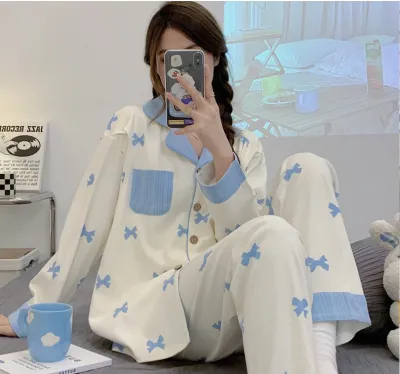
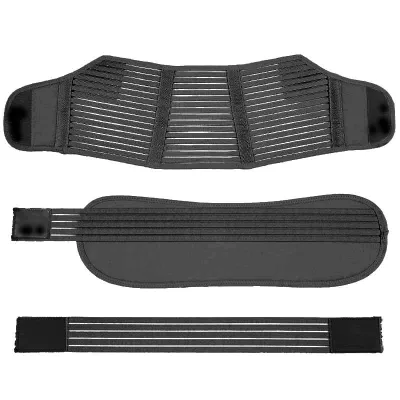
Prices are valid at publication and may change. Please refer to the product page for the latest price.
Choosing between over-bump and under-bump waistbands is a key decision for daily comfort. Over-bump waistbands feature a high, stretchy panel that covers the entire abdomen, providing gentle compression, lower back support, and a smooth silhouette under clothing. However, in warm climates, these double-layered panels can trap heat around the midsection. Under-bump waistbands sit low beneath the belly, offering a cooler, less restrictive feel. For under-bump styles, it is important to verify that the elastic is wide and soft, as thin or stiff elastic bands can dig into the lower abdomen and cause discomfort when sitting.
True comfort requires garments to adapt dynamically across different trimesters and into the postpartum period. High-quality maternity wear is engineered with multi-way stretch and strategic paneling that expands gradually. If a garment feels constrictive, restricts deep breathing, or leaves deep red marks on the skin, it is important to stop using it and transition to a larger size or a more supportive style to ensure healthy circulation and comfort.
Which Types of Brands Excel in Everyday Maternity Comfort
Brands that focus exclusively on maternity and postpartum wear design their collections with the pregnant silhouette as the primary pattern template, rather than simply scaling up standard clothing sizes. These brands excel in creating foundational everyday pieces like high-stretch leggings, nursing-friendly tank tops, and simple knit dresses. Because their entire business model centers on pregnancy, they often invest in specialized fabric blends and flatlock stitching that minimize friction, making them a highly reliable option for daily wear.

Many mainstream athletic and loungewear brands have developed dedicated maternity lines that leverage their proprietary high-performance fabrics. These brands are particularly successful at engineering moisture-wicking, quick-drying garments that offer excellent support and compression. Maternity leggings and sports bras from these lines are ideal for active daily routines or hot weather, as they manage sweat effectively and provide robust support for the pelvic floor and lower back. The primary trade-off is that these collections lean heavily toward a sporty or casual aesthetic, which may not suit formal or professional work environments.
For expectant mothers prioritizing skin sensitivity and environmental impact, sustainable boutique brands offer garments made from certified organic cotton, Tencel, and bamboo. These brands emphasize non-toxic dyes and ultra-soft, hypoallergenic fibers that are gentle on skin prone to pregnancy-induced eczema or itching. While these pieces offer exceptional tactile comfort and elegant, minimalist designs, they often require more delicate laundering (such as cold gentle cycles and line drying) and generally carry a higher initial price point.
Some standard apparel brands offer inclusive sizing or oversized collections as an alternative to dedicated maternity wear. While these options can be convenient and budget-friendly, they often lack the specialized structural support required for a pregnant body. Standard oversized garments scale up all dimensions equally, which can result in excessively long sleeves, dropped shoulders, and a loose neckline, while still pulling tightly across the expanding belly. Dedicated maternity brands, by contrast, maintain standard proportions in the shoulders, arms, and legs while engineering targeted space and support for the abdomen.
How to Verify a Brand's Comfort Claims Before Buying
When shopping online, look past overall star ratings and perform targeted keyword searches within customer reviews on ecommerce platforms. Search for terms such as “pilling,” “digging in,” “transparency,” “rolling down,” or “loss of elasticity.” If multiple reviewers note that leggings become sheer when stretched or that the waistband constantly rolls down during daily movement, these are clear indicators of substandard fabric density or poor structural design. Pay close attention to reviews from shoppers with similar body proportions to gauge how the garments perform in real-world conditions.
Avoid relying solely on vague marketing descriptors like “buttery soft” or “cloud-like stretch.” Instead, navigate to the product specifications and verify the exact fiber percentages on the care label. A high-quality everyday piece should have a clearly defined blend of breathable fibers (such as cotton, modal, or viscose) and elastic fibers (such as elastane or spandex). Be cautious of garments composed entirely of synthetic polyester or acrylic without sufficient elastane, as these materials tend to trap heat, pill easily after washing, and offer limited stretch recovery.
Because maternity sizing can be highly unpredictable due to individual body changes, always review the brand’s return and exchange policies before making a purchase. Opt for brands that offer a reasonable return window and clear instructions for exchanges. This allows you to try on garments in the comfort of your home, test how they feel when sitting, walking, and bending, and return them without financial risk if the fit is restrictive or uncomfortable.
How to Build a Comfortable Everyday Maternity Wardrobe
Building a comfortable maternity wardrobe does not require buying an entirely new closet of clothes. Instead, focus on a highly functional capsule wardrobe consisting of versatile, high-quality basics. A practical foundation includes two pairs of supportive, black maternity leggings, three breathable tank tops or t-shirts with side ruching, two comfortable knit dresses that can be dressed up or down, and at least three seamless, wire-free maternity bras. These core pieces can be layered and styled in numerous ways to suit different daily activities.
To maximize comfort and value, avoid purchasing your entire maternity wardrobe during the first trimester. Your body’s shape and support needs will change significantly as the pregnancy progresses. In the first trimester, focus on high-stretch transitional pieces or under-bump joggers that accommodate early bloating. During the second trimester, invest in structured over-bump leggings and supportive bras as the bump grows and requires more physical support. By the third trimester, prioritize loose, highly breathable dresses and easy-to-wear slip-on pieces that minimize the need to bend over.
Establish a flexible budget framework in S$ to balance quality and cost. Allocate a larger portion of your budget—approximately S$60 to S$120 per item—to high-use foundational pieces like supportive leggings and everyday maternity bras, where high fabric quality and stretch retention directly impact your daily physical comfort. For occasional wear, seasonal items, or trend-based pieces, consider budget-friendly options or high-quality secondhand items, keeping individual costs lower, such as under S$40 per piece, to maintain a balanced overall expenditure.
Frequently Asked Questions (FAQ)
Is it worth investing in premium maternity brands for everyday wear?
Investing in premium maternity brands can be highly beneficial if you prioritize fabric longevity, consistent stretch retention, and skin sensitivity. Premium brands typically utilize high-gauge knit fabrics and advanced textile blends that maintain their elasticity and shape even after dozens of laundry cycles, preventing the sagging and thinning common in cheaper alternatives. If you plan to wear these garments daily, transition them into the postpartum period, or save them for future pregnancies, the lower cost-per-wear of a durable, high-quality garment often justifies the higher upfront cost.
Can I just wear regular oversized clothes instead of maternity brands?
While regular oversized clothes can work well during the early stages of pregnancy or for casual lounging, they generally lack the engineered support and tailored fit of dedicated maternity wear. Oversized garments scale up all measurements, which often results in an unflattering, bulky fit around the shoulders, bust, and arms, while still failing to provide adequate fabric drape or support for a growing belly. Dedicated maternity pieces are specifically patterned to fit your pre-pregnancy size in the limbs and shoulders while incorporating specialized panels, ruching, and stretch zones that support the abdomen comfortably without restricting movement.

Community discussion
Share your experience or ask a question. Comments are reviewed before publication.