
Finding a reliable crib mesh liner in Singapore requires balancing effective insect protection with strict infant sleep safety standards. In Singapore’s warm, humid climate, safeguarding your baby from mosquitoes while maintaining optimal airflow in the nursery is a top priority for parents. To make an informed choice, you must evaluate brands based on their physical construction, material certifications, and how securely they integrate with your specific crib model. Rather than relying on marketing claims, a systematic approach focused on verifiable safety markers and structural integrity will help you select a reliable product that protects your infant without introducing sleep environment hazards.
When shopping for these products, it is essential to distinguish between decorative crib accessories and functional safety items. A high-quality mesh liner serves a specific purpose: preventing insects from entering the sleeping area while allowing carbon dioxide to disperse freely. Because infant safety guidelines are exceptionally stringent regarding what can be placed inside a crib, your selection process must prioritize structural stability and breathability over aesthetics. By understanding the key engineering and safety features of these liners, you can confidently navigate the retail market in Singapore to find a product that meets your family’s needs.
Essential Safety Standards and Certifications to Look For
When evaluating crib mesh liner brands, your first step should always be to verify their compliance with recognized international safety standards. Because infant bedding products are subject to rigorous testing, reputable brands will openly share their certification details. Look for products that meet standards such as ASTM F1917 (Standard Consumer Safety Performance Specification for Infant Bedding and Related Accessories) or equivalent European standards (EN). These certifications ensure that the product has undergone testing for mechanical hazards, fabric strength, and air permeability, reducing the risk of accidental suffocation or entrapment.
Products mentioned in this guide
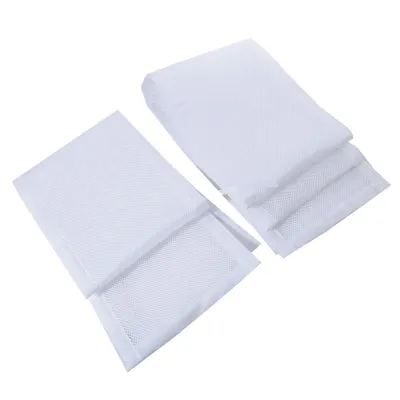
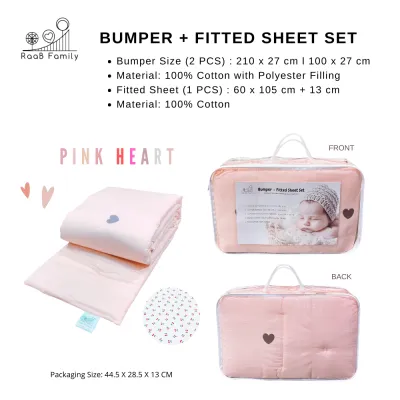
Prices are valid at publication and may change. Please refer to the product page for the latest price.
Breathability is the most critical safety factor for any product placed near an infant’s sleeping area. Traditional padded crib bumpers have been widely phased out due to their association with suffocation risks, leading to the development of thin, single-layer mesh liners. To ensure a brand’s mesh is truly breathable, look for independent laboratory test results demonstrating high air permeability. This means that even if a baby rolls over and presses their face against the liner, air can still flow freely through the fabric, preventing the rebreathing of exhaled carbon dioxide.
Chemical safety is another paramount concern, as infants frequently come into direct contact with the liner or may even attempt to chew on the fabric. Reliable brands ensure their materials are free from harmful substances, including flame retardants, heavy metals, formaldehyde, and phthalates. Look for certifications such as Oeko-Tex Standard 100 or CertiPUR-US, which indicate that the textile components have been thoroughly tested for toxic chemicals. If a brand does not specify its chemical testing protocols, it is best to look for alternative options that provide clear, verifiable documentation.
Finally, structural safety checks must extend to the physical design of the liner. The product must not feature any small, detachable parts, loose threads, or long cords that could present a choking or strangulation hazard. The attachment mechanisms, whether they are hook-and-loop fasteners or ties, must be designed to remain securely fastened under tension. When researching brands, check if they have a history of product recalls or safety warnings issued by international consumer protection agencies, as this is a strong indicator of their manufacturing quality control.
Evaluating Mesh Density and Frame Materials for Effective Protection
The primary function of a crib mesh liner in Singapore is often to provide a barrier against mosquitoes and other insects without trapping heat or restricting airflow. Achieving this balance depends entirely on the density of the mesh. If the holes in the mesh are too large, small insects can easily penetrate the barrier; if they are too small, the fabric may restrict ventilation, causing the crib interior to become uncomfortably warm. Look for brands that specify their mesh density or use a multi-layered weave designed specifically to block insects while maintaining excellent air circulation.

The frame material of the mesh liner or canopy determines its overall stability and longevity, especially in Singapore’s humid climate. High humidity can accelerate the degradation of low-quality materials, leading to rust, warping, or structural failure. If you are choosing a freestanding or canopy-style mesh liner, look for frames made from lightweight yet durable materials such as powder-coated steel, high-grade aluminum, or flexible fiberglass. These materials offer the necessary structural tension to keep the mesh taut without adding excessive weight to the crib setup.
Avoid brands that use flimsy plastic connectors or untreated metal joints, as these components are prone to snapping or rusting over time. A compromised frame not only fails to protect against insects but can also collapse into the crib, creating a direct physical hazard for your baby. Inspect the joints and folding mechanisms of the frame to ensure they lock securely into place and cannot be easily dislodged by an active infant or during routine crib adjustments.
In addition to the frame and mesh, the closure mechanisms require close inspection. Zippers, snaps, and hook-and-loop fasteners must be robust enough to withstand daily opening and closing without losing their grip or jamming. High-quality brands typically use self-locking zippers or double-sided fasteners that prevent gaps from forming along the edges of the liner. Any gap in the closure system defeats the purpose of insect protection, allowing mosquitoes to enter the sleeping space and become trapped inside with your baby.
Verifying Brand Reliability and Retailer Authenticity
With numerous baby products available online, verifying the authenticity of a brand and its retailers is crucial for ensuring you receive a genuine, safe product. Counterfeit or sub-standard crib liners are common on unregulated online marketplaces, and these products often bypass essential safety testing. To protect your purchase, buy directly from official brand stores, authorized physical baby boutiques, or reputable local department stores in Singapore. Authorized retailers are required to meet local consumer protection standards and can provide genuine product support.
When purchasing through online marketplaces, look for official mall indicators or verified seller badges that confirm the storefront is directly managed by the brand or its authorized distributor. Avoid third-party sellers offering unusually low prices, as these listings often feature counterfeit goods made from inferior, untested materials. Genuine brands will always have a professional website, clear product labeling, and accessible customer service channels where you can verify serial numbers or batch codes if necessary.
Local warranty coverage is another key indicator of brand reliability. A reputable brand operating in Singapore will typically offer a warranty that covers manufacturing defects, frame failures, or premature material degradation. Before finalizing your purchase, check the terms of the warranty and confirm how customer support is handled. Having a local distributor or customer service office makes it significantly easier to resolve issues, obtain replacement parts, or process returns if the product does not fit your crib correctly.
User reviews can provide valuable insights into how a crib mesh liner performs in real-world conditions over an extended period. When reading reviews, look past the initial impressions and focus on feedback regarding long-term durability, ease of cleaning, and safety. Pay close attention to comments mentioning whether the mesh sags after washing, if the zippers break easily, or if the frame loses its tension. A pattern of consistent complaints about structural integrity should serve as a warning sign, prompting you to consider other, more reliable brands.
Safe Installation and Daily Maintenance Practices
Even the highest-quality crib mesh liner can become a safety hazard if it is installed incorrectly or poorly maintained. When setting up the liner, you must strictly follow the manufacturer’s instructions to ensure a secure, taut fit. The liner must be wrapped tightly around the inside or outside of the crib rails, depending on the design, with no loose fabric or sagging areas. Any slack in the mesh can create a pocket where an infant’s head could become wedged, presenting a serious suffocation risk.
Pay close attention to how the attachment straps, ties, or hook-and-loop fasteners are secured. All ties must be fastened on the outside of the crib rails, away from your baby’s reach, and tied with secure knots that cannot be easily pulled loose. If the ties are excessively long, trim them to prevent them from becoming an entanglement hazard, ensuring you singe or hem the cut edges to prevent fraying. Regularly check the tension of the liner, as fabrics naturally stretch over time and may require periodic adjustment to remain taut.
Routine inspections should be integrated into your daily nursery care routine. Before placing your baby in the crib, quickly check the liner for any signs of wear and tear, such as loose threads, frayed edges, tears in the mesh, or bent frame components. If you notice any damage, discontinue use immediately until the part can be repaired or replaced. Small tears in the mesh not only allow insects to enter but can also be enlarged by curious little fingers, leading to entrapment hazards.
Proper cleaning is essential for maintaining both the hygiene and the structural integrity of the mesh liner. Dust, pet dander, and allergens can accumulate in the fine mesh over time, potentially affecting your baby’s respiratory health. Always consult the manufacturer’s care label before washing the liner. Most high-quality mesh liners require a gentle machine wash in cold water using a mild, baby-safe detergent, followed by air drying. Avoid using bleach, fabric softeners, or high-heat dryers, as these can degrade the synthetic fibers, cause shrinkage, or warp the frame components, compromising the safety and fit of the product.
Frequently Asked Questions (FAQ)
Are crib mesh liners safe for newborns?
Crib mesh liners are generally designed for older infants who have begun to roll over or move around the crib, rather than newborns. For newborns, pediatricians and safe sleep organizations recommend keeping the crib completely empty, free of any bumpers, liners, toys, or loose bedding, to minimize the risk of Sudden Infant Death Syndrome (SIDS). If you choose to use a mesh liner for insect protection, verify the manufacturer’s minimum age and weight requirements before installation. Always consult your pediatrician before introducing any accessories to your newborn’s sleep environment, and immediately remove the liner if you observe your baby attempting to pull themselves up on it or if it shows any signs of sagging.
How often should I replace a crib mesh liner?
A crib mesh liner should be replaced immediately if it shows any visible signs of structural degradation, such as tears in the mesh, broken zippers, frayed attachment ties, or a warped frame. Even without obvious damage, the constant tension and frequent washing can cause the synthetic fibers to stretch and lose their elasticity over time, reducing the tautness required for safe use. Generally, if you notice that the liner can no longer be adjusted to a completely taut fit, or if the hook-and-loop fasteners have lost their grip, it is time to replace the product. Always follow the manufacturer’s specific guidelines regarding the expected lifespan of the liner to ensure your baby’s sleeping environment remains completely safe.
Community discussion
Share your experience or ask a question. Comments are reviewed before publication.