
When searching for a safe bathing setup for your infant, identifying a foldable baby bath stand with valid safety credentials is a critical step for parents in Singapore. Because product certifications, safety standards, and market availability are dynamic, relying on static lists of approved brands can be misleading. Instead of guessing, parents need a reliable method to actively verify safety claims, evaluate physical design features, and choose trusted purchasing channels. This guide provides a structured approach to finding, verifying, and selecting a compliant foldable bath stand that fits your daily routine and ensures your baby’s safety.
Many parents begin their search looking specifically for “HSA-certified” bath stands, but it is essential to understand the local regulatory landscape first. In Singapore, the Health Sciences Authority (HSA) primarily regulates health products, medical devices, cosmetics, and health supplements. General baby furniture, including foldable bath stands and tubs, typically falls under the category of general consumer goods rather than medical devices. Consequently, these products are generally overseen by Enterprise Singapore under consumer protection regulations rather than receiving direct HSA certification, unless a specific product makes therapeutic or medical claims. Understanding this distinction is the first step to making an informed and safe purchase.
Understanding HSA Certification for Baby Bathing Products
To navigate the market safely, you must understand what regulatory oversight actually applies to baby bathing equipment in Singapore. The HSA regulates products that have a medical or therapeutic purpose. If a foldable baby bath stand is marketed with claims of treating, alleviating, or preventing a medical condition, it may be classified as a medical device and require registration with the HSA. However, standard utility bath stands do not typically fall under this scope.
Products mentioned in this guide
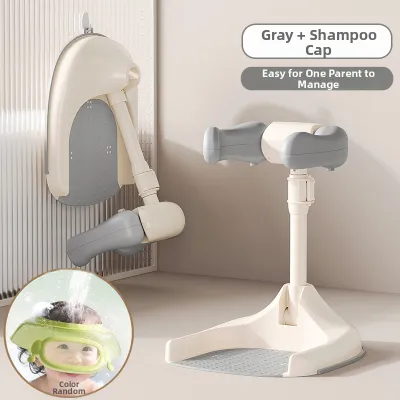
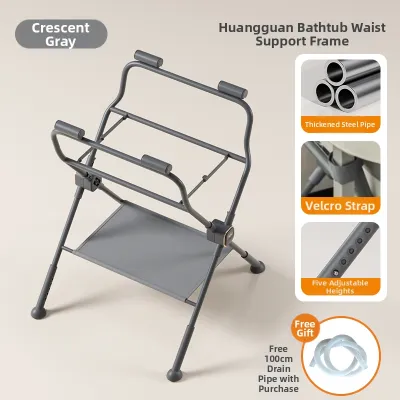
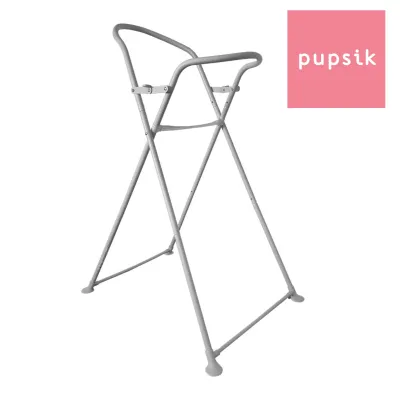
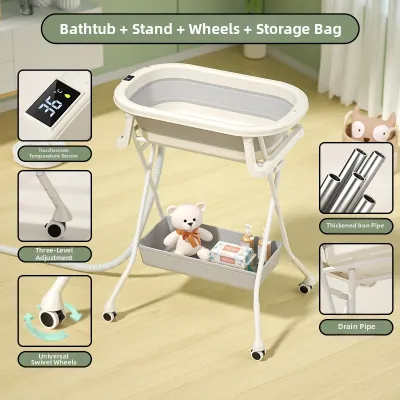
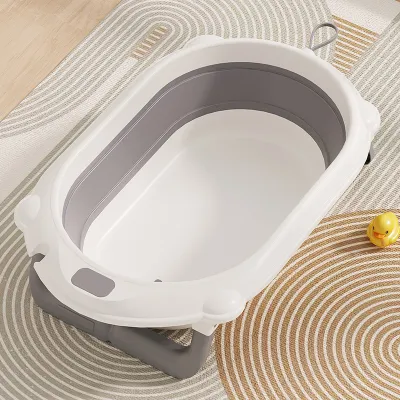
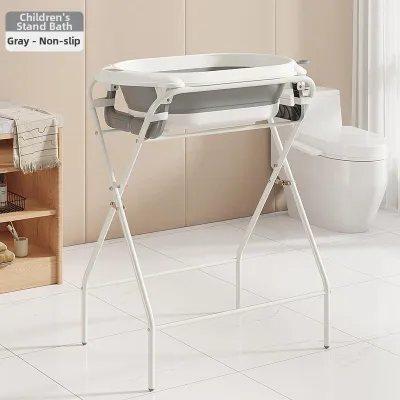
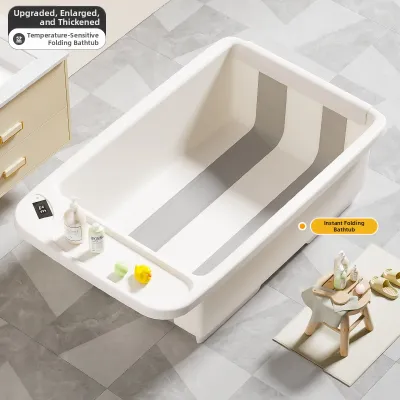
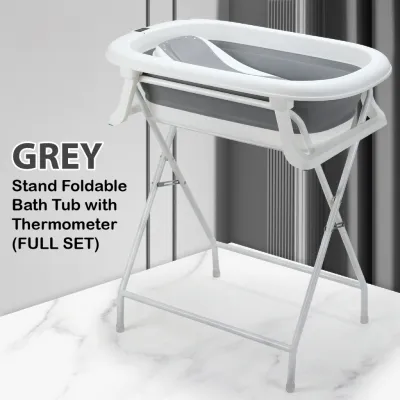
Prices are valid at publication and may change. Please refer to the product page for the latest price.
For the vast majority of foldable baby bath stands, safety is governed by the Consumer Protection (Consumer Goods Safety Requirements) Regulations (CGSR), which are administered by Enterprise Singapore. Under these regulations, consumer goods sold in Singapore must meet applicable international safety standards. When evaluating a bath stand, look for compliance with recognized global standards such as the European standard EN 17072, which specifically covers bath tubs, stands, and non-slip attachments, or equivalent ASTM standards.
When manufacturers or distributors claim their products are registered or certified, you should look for clear, official documentation rather than relying solely on retail descriptions. Genuine safety compliance is often indicated by specific registration numbers, test report references, or safety marks printed directly on the product packaging or the manufacturer’s label. Understanding that general bath stands are consumer safety items rather than medical devices helps you focus your verification efforts on the correct safety standards and testing certifications.
Key Safety Features to Check Beyond Certification
While regulatory compliance provides a baseline of safety, you must physically evaluate the design and structural integrity of a foldable baby bath stand before use. The most critical component of any folding stand is its locking mechanism. A high-quality stand must feature a secure, double-action locking system that prevents the frame from accidentally collapsing while in use. This mechanism should require a deliberate, multi-step action to disengage, ensuring that accidental bumps or nudges do not compromise the structure.

Singapore bathrooms often feature tiled floors that can become exceptionally slippery when wet. Therefore, the base of the bath stand must be equipped with robust, non-slip rubberized feet. These feet should provide excellent grip on wet surfaces to prevent the stand from sliding or shifting while you are bathing your baby. Inspect the footprint of the stand when fully opened; a wider base generally offers greater stability and reduces the risk of tipping.
Material safety and durability are also paramount, especially given the high humidity levels in Singapore. Look for frames constructed from rust-resistant materials, such as powder-coated steel or high-grade aluminum, which can withstand frequent exposure to water without degrading. Any plastic joints, brackets, or tub supports must be sturdy, thick, and free from sharp edges. Ensure that all plastic components are labeled as BPA-free and non-toxic, as these parts may come into contact with bath water or your baby’s skin.
Always verify the manufacturer’s specified weight capacity limits before purchasing. This limit must safely accommodate the combined weight of the bath tub, the maximum volume of water used, and your growing baby. Remember that one liter of water weighs exactly one kilogram, so a filled tub can quickly become very heavy. Regularly inspect the stand for any signs of structural wear, such as hairline cracks in plastic joints, loose screws, or bent metal bars, and immediately discontinue use if any defects are found.
How to Verify HSA Certification Before Purchase
If a retailer or brand claims that a foldable baby bath stand is HSA-certified or registered, you should independently verify this claim before making a purchase. Ask the seller to provide the specific HSA registration number or the Class A medical device listing details. Legitimate medical devices registered in Singapore can be cross-referenced using the public Class A Medical Device Register or the Medical Device Information System database on the official HSA website.
For products that do not fall under HSA’s medical device scope, you should request proof of compliance with general consumer safety standards from the manufacturer or authorized distributor. Ask for the Declaration of Conformity or official test reports demonstrating that the stand has passed safety testing under standards like EN 17072. Reputable brands will readily provide these documents or have them accessible on their official websites.
Carefully inspect the physical product labels and packaging for traceable information. A compliant and safe product will clearly display the manufacturer’s name, contact details, batch or serial number, and clear safety warnings in English. Be highly skeptical of products that arrive in plain packaging without any branding, manufacturing details, or clear instructions, as these are common indicators of unverified or counterfeit goods.
Recognize common red flags when shopping online or in stores. Vague marketing terms such as “hospital-grade,” “certified safe,” or “approved by authorities” without any accompanying registration numbers or reference to specific standards are major warning signs. If a seller cannot or will not provide documentation to back up their safety claims, it is best to avoid the product entirely and choose a brand that prioritizes transparency.
Evaluating Foldable Bath Stands for Daily Use
Beyond safety certifications, a foldable baby bath stand must be practical for your daily routine and fit seamlessly into your living space. In Singapore, where many families live in HDB flats or apartments with compact bathrooms, storage space is a primary consideration. Measure the folded dimensions of the stand to ensure it can be stored neatly in your service yard, bathroom corner, or storage closet when not in use. The stand should fold flat enough to stay out of the way of daily foot traffic.
Ergonomics play a significant role in preventing caregiver back strain during bath time. Look for a stand that offers height adjustability, allowing you to set the tub at a comfortable level where you do not have to bend over excessively. This feature is particularly beneficial if multiple family members or caregivers of different heights will be bathing the baby. Ensure that the height adjustment mechanism locks securely into place before placing any weight on the stand.
Compatibility with your chosen baby bath tub is another critical factor to evaluate. Not all bath stands are universal; many are designed to fit only specific proprietary tub models. Placing an incompatible tub on a stand can lead to instability, slipping, or tipping. Always check the manufacturer’s compatibility guidelines to ensure your tub sits securely within the stand’s frame and is supported by the designated safety brackets or molded recesses.
Finally, consider the ease of folding and unfolding the stand. While you must never attempt to fold or unfold a stand while holding your baby, the mechanism should be smooth and manageable for a single adult to operate. Test the joints to ensure they do not stick or require excessive force to lock into place. A well-designed stand will allow you to set up and pack away the bathing station quickly and safely as part of your daily routine.
Where to Buy and What to Avoid
To ensure you are purchasing a genuine, safety-compliant foldable baby bath stand, prioritize authorized retailers and established baby care specialty shops in Singapore. Buying directly from official brand stores, reputable department stores, or well-known local baby boutiques ensures that the products have gone through proper import checks and meet local consumer safety guidelines. These retailers also provide reliable customer service and can assist with assembly queries or safety clarifications.
Exercise extreme caution when browsing general online marketplaces or e-commerce platforms. While these platforms offer convenience, they also host numerous third-party listings for unbranded, parallel-imported, or counterfeit baby products that may not comply with Singapore’s consumer safety standards. Avoid purchasing from listings that lack clear brand names, detailed product specifications, or traceable manufacturer information, as these products often bypass essential quality control checks.
Always check the warranty coverage and return policies before finalizing your purchase. A reputable manufacturer will offer a clear warranty against structural defects, which serves as an indicator of product quality and durability. Ensure you keep your purchase receipt and register the product warranty if required, so you can easily contact the manufacturer or local distributor if you encounter any structural issues or safety concerns.
Avoid purchasing second-hand foldable bath stands. While buying used baby gear can be tempting, it carries significant safety risks for structural items like bath stands. Over time, plastic joints can become brittle, metal frames can suffer from internal rust due to humid bathroom environments, and locking mechanisms can wear down. Without knowing the product’s full history, including whether it was subjected to over-loading or improper storage, you cannot guarantee that a second-hand stand will remain stable and secure for your baby.
Frequently Asked Questions (FAQ)
Do all baby bath stands require HSA certification?
No, standard baby bath stands do not require HSA certification because they are classified as general consumer goods rather than medical devices. HSA certification is only relevant if a product is marketed with specific therapeutic or medical claims. Instead, standard foldable baby bath stands must comply with general consumer product safety regulations managed by Enterprise Singapore, and parents should look for compliance with international safety standards like EN 17072.
How often should I inspect a foldable bath stand for wear and tear?
You should perform a quick visual inspection of your foldable baby bath stand before every single use. Check that the locking mechanisms engage fully and securely, ensure the non-slip rubber feet are intact and clean, and inspect the frame for any signs of rust, cracks, or loose screws. If you detect any structural compromise, wobbling, or damage to the joints, stop using the stand immediately and contact the manufacturer for guidance or a replacement.

Community discussion
Share your experience or ask a question. Comments are reviewed before publication.