
Finding the right children shampoo for your little one in Singapore involves more than just picking a bottle with a cute cartoon character. Many parents search specifically for “HSA-certified” children’s shampoo brands, but it is important to understand how local regulations actually work. In Singapore, children’s shampoos are regulated as cosmetic products by the Health Sciences Authority (HSA). They do not undergo a rigorous clinical “certification” or “approval” process before hitting the shelves; instead, importers and manufacturers must submit a cosmetic product notification to the HSA before selling them. This means that while there is no official list of “HSA-certified” brands, every legally sold children’s shampoo must have a valid notification status, which parents can verify independently.
Understanding HSA Regulations for Children's Shampoo
To make informed choices for your child’s hair care, you must first understand the regulatory framework governing these products in Singapore. The HSA regulates cosmetics, including children shampoo, under the ASEAN Cosmetic Directive. This framework places the primary responsibility for safety and quality on the company that sells the product locally. Rather than issuing a formal safety certificate, the HSA requires companies to notify them of the product’s ingredients, manufacturing details, and safety compliance before marketing it.
This distinction between cosmetic product notification and therapeutic approval is crucial for parents to grasp. Therapeutic products, such as medicated eczema creams or prescription scalp treatments, undergo rigorous pre-market evaluation to prove efficacy and safety. Children’s shampoos, being daily hygiene products, do not require this level of clinical trial review. Instead, the notification process ensures that the product does not contain banned substances and that the manufacturer adheres to Good Manufacturing Practice (GMP) standards.
Products mentioned in this guide
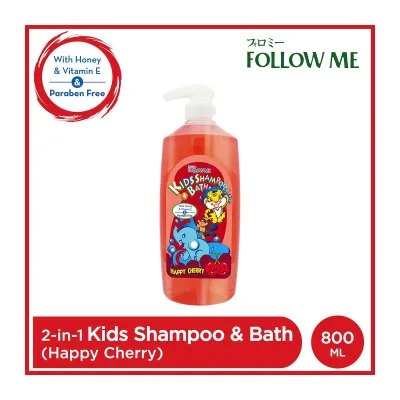
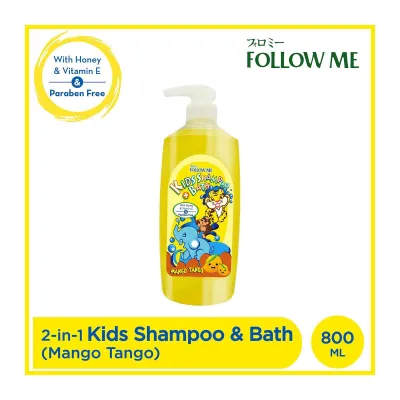
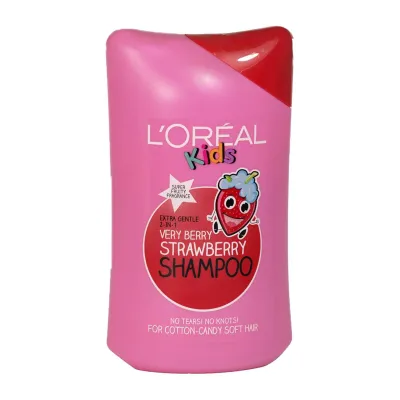
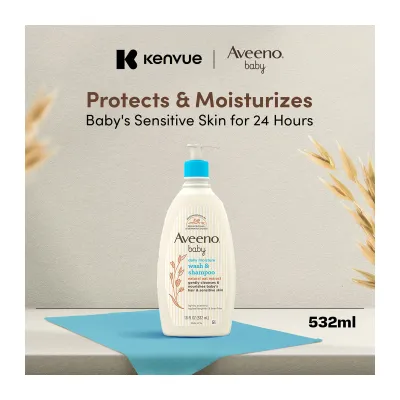
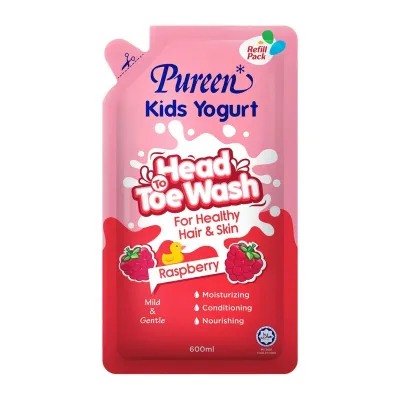
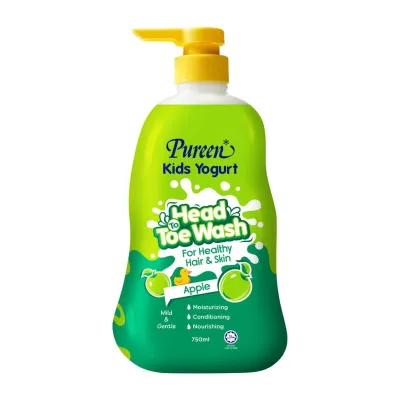
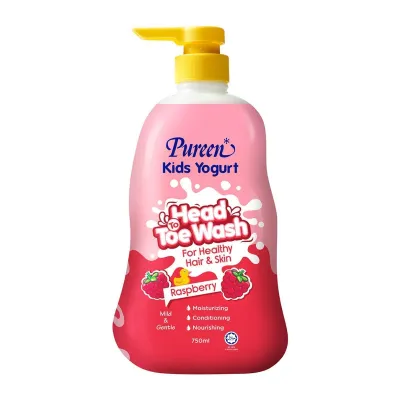
Prices are valid at publication and may change. Please refer to the product page for the latest price.
Under local regulations, children’s shampoos must comply with strict ingredient restrictions. The ASEAN Cosmetic Directive maintains a comprehensive list of prohibited substances, as well as restricted ingredients that can only be used up to specific concentrations. These restrictions are particularly vital for children’s products, as young skin is thinner, more permeable, and highly susceptible to absorbing topical chemicals.
Ensuring that a children shampoo has a valid HSA notification is a fundamental baseline for protecting your child’s sensitive skin and scalp. A notified product guarantees that a local company has taken legal responsibility for its safety and that the formulation has been declared to the authorities. This regulatory oversight helps prevent the sale of products containing dangerous levels of heavy metals, harmful microbial contaminants, or banned chemical compounds.
How to Verify HSA Compliance and Product Authenticity
Verifying whether a children shampoo is legally notified and authentic is a straightforward process that any parent in Singapore can perform. The first step begins with a close inspection of the physical product packaging. Legally compliant cosmetic products sold in Singapore must feature clear, legible labeling in English. This label must include the full ingredient list, the batch number, the country of manufacture, and the name and address of the local importer or distributor responsible for placing the product on the market.

To verify the regulatory status of a specific shampoo, you can use the official HSA online portal. The HSA maintains a public database of notified cosmetic products, which is accessible through their official website. By entering the brand name, product name, or the local distributor’s details into the search field, you can check if the shampoo has an active notification. If a product claims to be legally sold in Singapore but does not appear in this database, it may be a parallel import or an unnotified product that has bypassed local safety checks.
When shopping, parents should remain vigilant against common red flags that indicate non-compliance or counterfeit goods. One major warning sign is the presence of unverified medical claims on the packaging, such as promising to “cure cradle cap” or “treat pediatric eczema.” Under cosmetic regulations, shampoos cannot make therapeutic claims; any product doing so without therapeutic registration is violating local laws.
Other red flags include missing local distributor details, peeling or poorly printed labels, and the absence of a batch number or expiry date. If the packaging lacks English instructions or ingredient lists, it is highly likely that the product was not intended for the Singapore market and has not undergone the necessary local notification process. Purchasing such products exposes your child to unverified formulations that may not meet local safety standards.
Essential Ingredient and Safety Checks Beyond Certification
While a valid HSA notification confirms that a children shampoo meets basic legal requirements, it does not guarantee that the formulation is perfectly suited for your child’s unique skin type. Parents must look beyond the regulatory stamp and evaluate the ingredient list themselves. Children’s skin barriers are still developing, making them highly sensitive to harsh surfactants, synthetic fragrances, and strong preservatives.
When reviewing the ingredient list, look out for common irritants and allergens. Harsh surfactants like Sodium Lauryl Sulfate (SLS) and Sodium Laureth Sulfate (SLES) are commonly used in adult shampoos to create a rich lather, but they can strip natural oils from a child’s delicate scalp, leading to dryness and irritation. Instead, opt for shampoos that utilize mild, plant-derived cleansing agents such as coco-glucoside, decyl glucoside, or sodium cocoyl glutamate.
Many children’s shampoos feature “tear-free” claims on their labels. This characteristic is typically achieved by adjusting the pH of the shampoo to match the natural pH of human tears, which is approximately 7.4, and by using non-ionic surfactants that do not irritate the eyes. However, because a child’s scalp skin is slightly acidic (around pH 5.5), a truly balanced children shampoo should ideally maintain a mild acidity to support the natural skin barrier while remaining gentle enough for the eyes.
Always check the packaging for age-appropriate usage instructions and manufacturer warnings. Some formulations are specifically designed for newborns and infants, featuring ultra-mild ingredients, while others are formulated for older children with thicker hair. Additionally, ensure that the product instructions emphasize the need for active caregiver supervision during bath time to prevent accidental ingestion or eye contact.
Choosing Reliable Purchasing Channels in Singapore
To minimize the risk of purchasing counterfeit, expired, or non-compliant children’s shampoos, parents should be highly selective about where they shop. Buying from established physical pharmacies, official brand stores, and major local supermarket chains offers the highest level of safety. These reputable retailers have robust supply chains and direct relationships with authorized distributors, ensuring that every product on their shelves has been properly notified to the HSA.
In contrast, shopping on third-party online marketplaces or cross-border e-commerce platforms requires a much higher level of caution. While these platforms offer convenience and competitive pricing, they also host independent third-party sellers who may source products from unauthorized channels. If you choose to buy online, always purchase from the platform’s official “mall” stores or verified brand flagships rather than unverified individual sellers.
If your child experiences an adverse reaction after using a children shampoo, immediate action is required. Stop using the product immediately and thoroughly rinse your child’s scalp and skin with clean, lukewarm water to remove any remaining residue. Keep the product packaging intact, as the batch number and ingredient list will be crucial for medical professionals and regulatory authorities to investigate the issue.
You should also report the adverse event to the HSA through their official feedback channels. Reporting side effects helps the authority monitor product safety in the market and take necessary actions, such as issuing public alerts or recalling contaminated batches. By purchasing through reliable channels and reporting issues, you contribute to keeping the wider community of parents in Singapore safe.
Frequently Asked Questions (FAQ)
Can I use adult shampoo for my child if it is HSA-notified?
Even if an adult shampoo is fully compliant and HSA-notified, it is generally not suitable for young children. Adult shampoos are formulated to address different hair and scalp needs, often containing stronger surfactants to remove styling products and excess sebum, higher concentrations of synthetic fragrances, and active ingredients like anti-dandruff agents. These components can easily irritate a child’s thin scalp and cause painful eye stinging. It is best to stick to dedicated children’s formulations until your child reaches late childhood or early adolescence, when their skin barrier is fully matured.
What should I do if my child has an allergic reaction to a compliant shampoo?
If your child develops redness, itching, hives, or swelling after using a compliant shampoo, immediately discontinue use and gently rinse the affected area with cool water. Avoid applying other scented lotions or home remedies that could further irritate the skin. Monitor your child closely; if the reaction is severe, spreads rapidly, or is accompanied by breathing difficulties, seek emergency medical care immediately. For mild but persistent skin irritation, consult a pediatrician or a pediatric dermatologist to identify the specific allergen and obtain safe treatment recommendations.
Community discussion
Share your experience or ask a question. Comments are reviewed before publication.