
Finding maternity wear that keeps you comfortable from morning to night in Singapore’s warm, humid climate requires a shift in how you evaluate clothing. Instead of simply buying larger sizes of standard apparel, the key is identifying garments engineered specifically for pregnancy. This involves looking for adaptive design features, highly breathable fabrics, and flexible construction methods that accommodate a changing body without causing restriction or skin irritation.
A successful maternity wardrobe does not rely on a massive collection of clothes. Instead, it is built on a few high-quality, versatile pieces that can transition across different settings, from professional office environments to relaxed weekends at home. By focusing on structural details like adjustable waistbands, flatlock seams, and moisture-wicking materials, expectant mothers can maintain their daily routines with ease and confidence.
To make informed purchasing decisions, it is helpful to establish a clear evaluation framework. This guide outlines the essential comfort features to look for, explains how different fabrics perform under local weather conditions, and provides a step-by-step approach to assessing brands and planning your wardrobe trimester by trimester.
Products mentioned in this guide
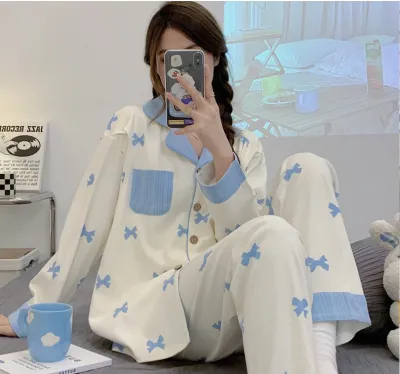
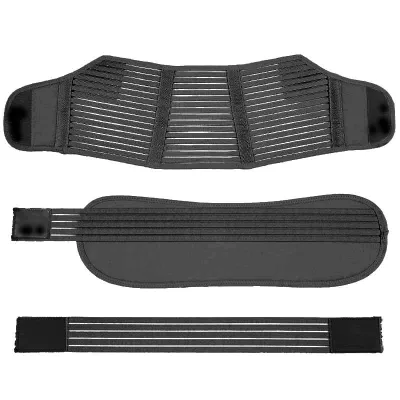
Prices are valid at publication and may change. Please refer to the product page for the latest price.
Key Comfort Features to Look for in Maternity Clothing
The structural design of maternity clothing determines how well it supports your body as it undergoes rapid physical changes. One of the most critical areas to examine is the waistband. Traditional elastic bands can dig into the skin, causing discomfort and leaving marks. Look for adjustable waistbands that feature button-hole elastic systems or soft, over-the-bump panels that distribute pressure evenly across the abdomen. Side ruching—gathered fabric along the side seams—is another excellent feature, as it allows the garment to expand horizontally and vertically, maintaining a flattering fit without feeling tight.
Empire waists, which sit directly below the bust line, are highly effective for both tops and dresses. This silhouette provides ample room for a growing bump while ensuring the garment drapes naturally without pulling or binding at the waist. When evaluating these designs, check that the under-bust seam is soft and stretchy, as a rigid seam in this area can restrict breathing and cause discomfort when sitting for long periods.
Seam construction and interior finishing play a major role in preventing skin irritation, which often increases during pregnancy due to hormonal changes and heightened skin sensitivity. Look for garments constructed with flatlock stitching, where the fabric edges are sewn flat against each other rather than overlapping. This minimizes friction against the skin, reducing the risk of chafing. Tagless labels or printed care instructions are also highly desirable, as traditional woven tags can scratch and irritate the lower back or neck.
Support panels and gussets are essential for maintaining comfort during daily movement. High-quality maternity leggings and trousers often feature built-in support zones that offer gentle compression under the belly and around the lower back. Additionally, reinforced gussets in the crotch area of pants and tights prevent pulling and ensure a full range of motion. When trying on garments, test the stretch recovery by gently pulling the fabric; it should return to its original shape immediately, indicating that the garment will not sag or lose its supportive qualities after a few hours of wear.
Fabric and Fit: The Foundation of All-Day Comfort
In Singapore’s tropical climate, fabric selection is the single most important factor in determining whether a maternity garment is suitable for all-day wear. Natural fibers such as organic cotton, modal, and bamboo viscose are highly prized for their exceptional softness and breathability. Bamboo and modal, in particular, have natural moisture-regulating properties and a cool-to-the-touch feel that helps manage body temperature during hot afternoons. These fibers allow air to circulate freely, reducing the likelihood of heat rashes and skin irritation.

While natural fibers excel in breathability, high-quality synthetic blends also have a place in a maternity wardrobe, especially for activewear or busy workdays. Polyester and nylon blends engineered with moisture-wicking technology pull sweat away from the skin to the outer surface of the fabric, where it can evaporate quickly. When choosing synthetic garments, ensure they contain a high percentage of elastane to provide the necessary stretch and recovery. A blend of natural and synthetic fibers often offers the best of both worlds: the breathability of cotton or bamboo combined with the durability and stretch of elastane.
The weight and drape of the fabric influence how a garment moves with your body. Heavy fabrics can feel oppressive and trap heat, while overly thin fabrics may lack the structure needed to support maternity panels or may become sheer when stretched over the bump. Look for medium-weight fabrics that offer a substantial feel without adding bulk. Four-way stretch capabilities are essential; this means the fabric stretches both crosswise and lengthwise, allowing the garment to conform to your contours during movements like sitting, bending, or walking.
Different silhouettes serve different functional purposes throughout the day. Relaxed-fit garments, such as oversized tunics or linen trousers, offer maximum airflow and a casual aesthetic, making them ideal for weekend outings. Body-con styles made from highly elastic fabrics provide a streamlined look and gentle support, which many find comforting as the bump grows heavier. A-line dresses and wrap styles are exceptionally versatile, offering an adjustable fit that can be tightened or loosened as needed, making them excellent choices for professional settings where a polished appearance is required.
How to Evaluate Maternity Brands for Daily Wear
Evaluating maternity brands requires looking beyond marketing claims to assess how a brand approaches design and sizing. A reputable maternity brand should provide detailed sizing charts that explain how to choose your size based on your pre-pregnancy measurements. Many brands design their garments to match your pre-pregnancy size, but this assumption does not work for everyone. Look for brands that offer trimester-specific fit guides or detailed measurements for the bust, waist, and hips to help you make an accurate selection.
Customer feedback is an invaluable resource when researching brands online. When reading reviews, look past initial impressions of style and focus on comments regarding long-term durability and comfort. Pay close attention to mentions of fabric pilling, especially in high-friction areas like the inner thighs or underarms. Reviews that discuss how well a garment retains its elasticity after multiple washes will give you a clear indication of whether the brand uses high-quality elastane or cheaper alternatives that sag over time.
Colorfastness and seam strength are also critical indicators of quality. Maternity clothes undergo frequent washing due to sweat and daily wear, so fabrics that fade quickly or seams that unravel after a few cycles are not practical. Look for brands that emphasize robust construction techniques, such as double-stitched seams or reinforced stress points.
A brand’s product range and sizing inclusivity can also signal its commitment to maternal comfort. Brands that offer a wide range of sizes, including petite and plus options, are more likely to have developed patterns that fit diverse body shapes accurately. Furthermore, look for brands that offer specialized lines tailored to different aspects of daily life, such as seamless maternity sleepwear, supportive activewear, or structured yet stretchy office wear. Clear, straightforward care instructions on the brand’s website or garment labels are another positive sign, indicating that the clothes are designed for practical, everyday maintenance.
Building a Comfortable Maternity Wardrobe by Trimester
Managing your maternity wardrobe purchases in stages prevents overspending and ensures you always have clothes that fit your current physical needs. During the first trimester, physical changes are often subtle but can include significant bloating, fatigue, and breast tenderness. At this stage, you do not need a full maternity wardrobe. Focus on stretchy basics, such as high-rise leggings with soft waistbands, and loose-fitting tops. A belly band can be a highly practical investment during these early weeks, allowing you to wear your pre-pregnancy trousers unbuttoned while keeping them securely in place.
The second trimester is typically when a visible baby bump emerges, and pre-pregnancy clothes begin to feel genuinely restrictive. This is the ideal time to invest in dedicated maternity bottoms. Look for maternity jeans or trousers that feature either an under-the-bump band or a full over-the-bump panel, depending on your personal comfort preference. Additionally, as your bust size changes, transitioning to supportive, wire-free maternity bras is crucial. Look for bras made from soft, breathable fabrics with wide shoulder straps and multiple hook-and-eye adjustments to accommodate ribcage expansion.
Versatile layering pieces, such as lightweight cardigans or open-front kimonos, are highly useful during the second trimester. They allow you to adapt to air-conditioned offices and indoor spaces in Singapore without needing to buy multiple heavy garments. These layers can be paired with simple maternity tank tops or t-shirts to create a variety of comfortable, professional outfits.
In the third trimester, comfort and ease of movement become the absolute priorities. The physical weight of the bump, combined with increased body temperature, makes lightweight, highly breathable fabrics essential. Opt for loose, flowing dresses, slip-on styles, and garments that require minimal effort to put on. Avoid complex fasteners, tight bands, or heavy fabrics that can restrict circulation or cause overheating.
It is also wise to look for dual-purpose pieces during the third trimester that can transition into the postpartum period. Tops and dresses with integrated nursing access, such as wrap fronts, lift-up panels, or snap-down straps, are excellent investments. These garments provide the necessary comfort during the final weeks of pregnancy and remain highly functional during the early weeks of motherhood, saving you from having to purchase an entirely new wardrobe immediately after giving birth.
Where to Shop and What to Verify Before Buying
When shopping for maternity wear in Singapore, you have access to a variety of channels, including official brand websites, specialized local maternity boutiques, and reputable online marketplaces. Shopping online offers convenience and a wider selection, but it requires extra diligence to ensure you receive garments that meet your comfort standards. If possible, visit physical boutiques to feel the fabrics and try on different styles to establish your size and preferred fit before making online purchases.
Before finalizing any online order, carefully review the retailer’s return and exchange policies. Because maternity sizing can be unpredictable and fabric texture is highly subjective, you need the flexibility to return items that do not fit comfortably or feel soft against your skin. Check whether the brand offers free returns, local drop-off options, or exchanges for different sizes. Be cautious of final-sale items unless you are absolutely certain of your size and the brand’s fabric quality.
Finally, always check the care labels and manufacturer instructions before purchasing. Maternity garments are subjected to frequent washing, so they must be easy to clean without losing their shape or softness. Avoid garments that require dry cleaning or complex hand-washing routines, as these are impractical for busy expectant mothers. Look for machine-washable items that can be laundered on a gentle cycle, and verify whether they can be tumble-dried on low heat or if they must be line-dried to preserve their elasticity.
Frequently Asked Questions (FAQ)
Can I wear regular oversized clothes instead of dedicated maternity wear?
Wearing regular oversized clothing is a common strategy, especially during the early stages of pregnancy or for casual wear. Oversized t-shirts, loose sweaters, and shift dresses can provide temporary comfort and are highly cost-effective since you may already own them or can wear them after pregnancy. However, regular oversized garments are patterned for standard body proportions, meaning they simply scale up all over—including the shoulders, sleeves, and neckline—which can result in a baggy, unstructured appearance that does not support the bump.
Dedicated maternity wear, on the other hand, is specifically patterned to accommodate a growing bust and abdomen while maintaining standard proportions in the shoulders, arms, and legs. This targeted design ensures that the garment drapes correctly, stays in place, and provides support where it is needed most. While oversized clothes are perfectly fine for lounging, investing in a few key maternity pieces, such as supportive leggings and trousers, offers significantly better all-day comfort, mobility, and a more polished look for work or social outings.
How do I care for maternity clothes to maintain their stretch and softness?
To preserve the elasticity, softness, and shape of your maternity garments, proper laundering is essential. Always wash stretchy fabrics, such as those containing elastane, modal, or bamboo, in cold water on a gentle or delicate cycle. High temperatures can degrade elastic fibers, causing them to snap and lose their stretch recovery, leading to saggy garments. Use a mild, gentle detergent and avoid fabric softeners, as they can leave a residue that clogs the pores of moisture-wicking fabrics and reduces their breathability.
When it comes to drying, air-drying is the safest method to prevent fiber damage and shrinkage. Lay garments flat on a drying rack or hang them up in a shaded, well-ventilated area away from direct sunlight, which can fade colors. If you must use a dryer, select a low-heat or air-fluff setting. To prevent pilling, wash delicate maternity items inside out or place them in a mesh laundry bag, and avoid washing them alongside rough fabrics like denim or garments with exposed zippers and velcro.

Community discussion
Share your experience or ask a question. Comments are reviewed before publication.