
Finding a reliable pregnancy belly belt in Singapore requires balancing structural support with local climate realities. As your body changes during the second and third trimesters, the extra weight of your growing baby bump can place significant strain on your lower back, hips, and pelvic joints. A supportive maternity band can help alleviate this discomfort, but wearing one for hours in a tropical environment presents unique challenges.
To achieve true all-day comfort, look for brands that prioritize highly breathable, moisture-wicking fabrics, multi-panel adjustability, and ergonomic weight distribution. Because Singapore’s high humidity can easily lead to sweat retention and skin irritation, selecting the right material is just as critical as choosing the right level of physical support. By understanding how to evaluate different designs and brand specifications, you can find a support belt that seamlessly integrates into your daily routine.
What Defines All-Day Comfort in a Pregnancy Belly Belt?
The primary purpose of a pregnancy belly belt is to provide external support to the abdominal and pelvic regions, mimicking the natural support of your core muscles. As pregnancy progresses, the hormone relaxin softens your ligaments, which can lead to instability in the pelvic girdle and lower back. A well-designed belt cradles the lower abdomen and transfers a portion of the bump’s weight to the spine and hips, reducing the physical workload on your muscles.
Products mentioned in this guide
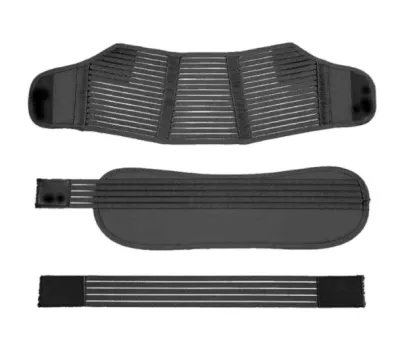
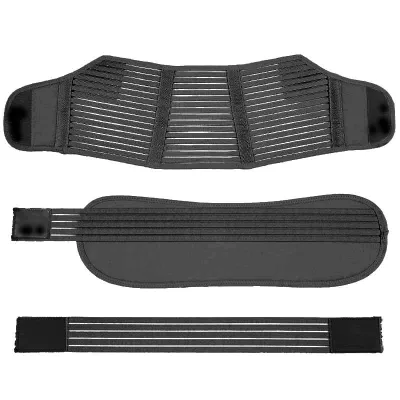
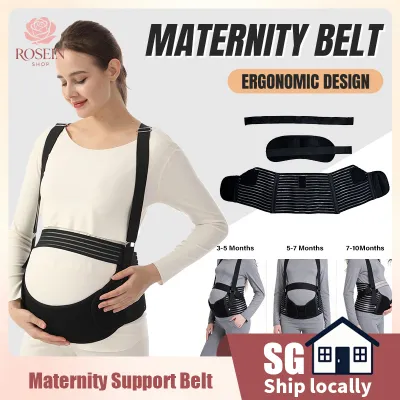
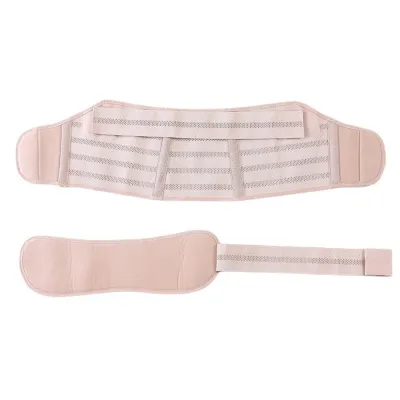
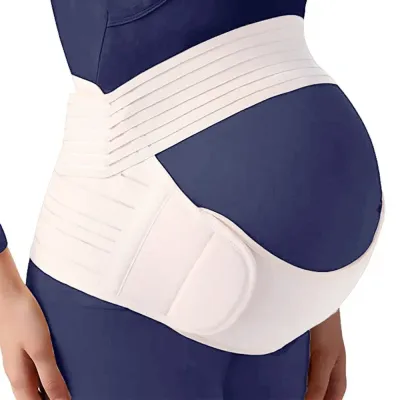
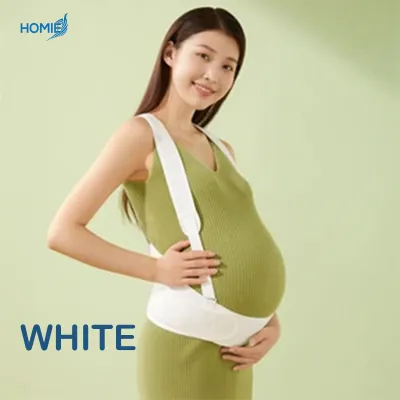
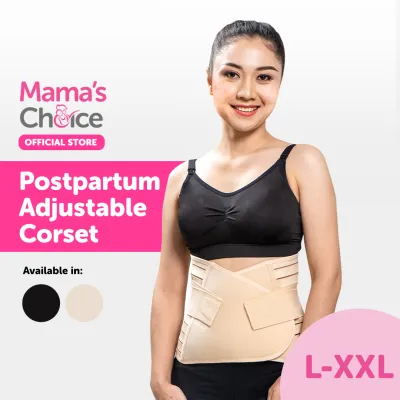
Prices are valid at publication and may change. Please refer to the product page for the latest price.
However, physical support is only one half of the comfort equation. For a belt to be wearable all day, it must not dig into your skin, pinch your hips, or ride up as you transition between sitting and standing. True comfort means the belt remains secure and unobtrusive, allowing you to go about your daily activities—whether working at a desk, walking, or running errands—without constantly needing to readjust the bands.
In Singapore, the tropical climate plays a massive role in how comfortable a maternity garment feels over extended periods. High temperatures and humidity levels exceeding 80% mean that standard, heavy elastic bands can quickly trap heat and sweat against your skin. This trapped moisture can cause friction, leading to painful chafing, heat rashes, and contact dermatitis.
Therefore, breathability is a non-negotiable factor for local mothers. An ideal pregnancy belly belt for the Singapore climate must feature lightweight, ventilated fabrics or open-weave mesh panels that facilitate continuous airflow. Moisture-wicking properties are also essential to draw sweat away from the skin, keeping you dry and cool whether you are navigating an air-conditioned office or walking outdoors.
Key Design Features to Look for in Maternity Support Brands
When comparing different maternity wear brands, paying close attention to specific design details will help you distinguish between a highly supportive, comfortable belt and one that causes discomfort. The construction of the belt determines how well it adapts to your body’s daily fluctuations and movements.

Adjustability and Fit Your body experiences rapid changes throughout pregnancy, and your support needs can shift from morning to night due to bloating, digestion, and baby positioning. Look for brands that offer dual-band or multi-strap designs. These systems allow you to adjust the base support band first, and then apply secondary tension straps to fine-tune the compression. High-quality, low-profile Velcro closures are essential, as they let you make micro-adjustments throughout the day without losing grip or creating bulky lines under your clothes.
Fabric Technology The materials used in a support belt directly impact skin comfort and durability. Superior brands utilize seamless edges and incredibly soft inner linings, often made from bamboo-derived viscose, modal, or high-grade cotton blends, to minimize friction against sensitive skin. Breathable mesh panels integrated into the back or sides of the belt are excellent for enhancing ventilation. Avoid brands that rely solely on thick, non-porous synthetic elastics, as these tend to stiffen, trap heat, and lose their recovery properties over time.
Weight Distribution A poorly designed belt can concentrate pressure on a narrow strip of your lower back, which often worsens the pain you are trying to soothe. To prevent this, look for brands that feature a wider back panel. An ergonomically curved back panel helps distribute the weight of your bump across a larger surface area, reducing localized pressure points. Additionally, structured support elements, such as flexible, non-removable boning in the back panel, can help the belt maintain its shape and prevent it from rolling down or bunching when you bend over.
Ease of Use During the later stages of pregnancy, simple tasks like putting on shoes or using the restroom become more physically demanding. A comfortable belly belt should be straightforward to put on, adjust, and remove independently. Look for designs with intuitive fastening mechanisms and quick-release tabs. This is particularly important because a support belt must be loosened or removed frequently during the day, especially when using the bathroom, to avoid unnecessary hassle and strain.
How to Evaluate Brand Claims and Product Specifications
With many maternity brands claiming to offer the ultimate support, it is important to look past marketing buzzwords and evaluate the actual specifications of each product. Taking a systematic approach to analyzing these details will help ensure your purchase meets your physical needs and lifestyle.
Reading the Labels Always check the exact material composition listed by the manufacturer. A high-quality belt typically features a blend of nylon, polyester, and elastane (spandex) for structural stretch, combined with a soft, breathable lining like cotton or viscose. Pay close attention to the care instructions as well. Because you will likely wear the belt daily in Singapore’s warm weather, it will require frequent washing. Ensure the fabric is durable enough to withstand regular cleaning without losing its elasticity or becoming rough against the skin.
Sizing Guides vs. Reality Maternity sizing is not standardized, and a medium in one brand may fit like a small in another. Never rely solely on your pre-pregnancy dress size when purchasing a support belt. Instead, look for brands that provide detailed measurement instructions. Most reputable brands will ask you to measure the circumference of your lower abdomen, just beneath the curve of your bump, using a flexible measuring tape. Some may also require an over-bump measurement. Always measure yourself while standing naturally, and if you are between sizes, check if the brand recommends sizing up to accommodate future growth.
Return and Exchange Policies Because every pregnancy bump is shaped differently, a belt that works perfectly for one person might apply pressure in the wrong places for another. When purchasing from online maternity retailers or brand websites, always review their return and exchange policies first. Opt for brands or retailers that offer hassle-free exchanges or return windows, allowing you to try the belt on at home over a thin layer of clothing to assess the fit and comfort before committing to keeping it.
Analyzing User Reviews Customer feedback can provide invaluable insights into how a belt performs in real-world conditions. When reading reviews, filter for comments from users who live in warm, humid climates, as they can speak directly to the belt’s breathability and sweat-wicking capabilities. Look for specific mentions of whether the Velcro remains secure after months of use, if the edges roll or dig into the skin, and how well the fabric holds up after multiple wash cycles.
Budget and Price Bands Maternity support belts in Singapore typically range from S$30 for basic elastic bands to over S$120 for premium, multi-piece medical-grade systems. While budget-friendly options can work well for short periods, investing in a mid-range or premium brand often yields significant benefits in fabric longevity, Velcro durability, and overall skin comfort, making it a more cost-effective choice for daily wear over several months.
Safe Usage Guidelines and When to Consult a Professional
While a pregnancy belly belt is an excellent tool for managing discomfort, it is crucial to use it safely and understand its limitations. A support belt is designed to assist your body, not replace the natural function of your core muscles.
Proper Positioning To ensure safety and maximum comfort, the belt must be positioned correctly. The main support band should sit snugly under your baby bump, low on your hips, to cradle the weight of the abdomen. It should never be wrapped tightly across the middle or top of your belly, as this can put direct, unsafe pressure on your uterus and restrict blood flow to your baby. The back panel should sit flat against your lower back, aligned with your sacrum, to provide stable counter-pressure.
Time Limits and Breaks Belly belts should not be worn continuously throughout the day. Overusing a support garment can lead to muscle dependency, where your core and back muscles begin to rely on the belt for stability rather than maintaining their own strength. As a general guideline, limit wear to two to three hours at a time, taking regular breaks to let your muscles work naturally. Additionally, you should never wear a support belt while sleeping, as your body needs to move freely, and you cannot monitor pressure points or skin irritation while asleep.
Warning Signs Always pay close attention to how your body responds while wearing the belt. If you experience any numbness, tingling, or sharp pain in your legs, hips, or abdomen, the belt may be too tight or improperly positioned. Other warning signs include shortness of breath, skin chafing, or a noticeable reduction in your baby’s movements. If you experience any of these symptoms, loosen or remove the belt immediately. If symptoms persist after removing the belt, seek medical attention.
Medical Consultation Before purchasing or using a pregnancy belly belt, it is highly recommended to consult your obstetrician, midwife, or a women’s health physiotherapist. This is especially important if you are experiencing severe pelvic girdle pain (PGP), symphysis pubis dysfunction (SPD), or have a high-risk pregnancy. A professional can verify if a support belt is safe for your specific condition, recommend the appropriate style, and ensure you are fitting it correctly to avoid complications.
Frequently Asked Questions (FAQ)
Can I wear a pregnancy belly belt while sitting or driving?
Yes, you can wear a support belt while sitting or driving, but you will likely need to adjust the tension. When you sit, your abdomen naturally expands and shifts forward, which can cause a tightly fastened belt to dig into your thighs, groin, or ribs. To maintain comfort, loosen the secondary tension straps slightly before sitting down or driving. Ensure the belt remains positioned low under your bump and does not restrict your breathing or press uncomfortably against your upper abdomen while you are behind the wheel.
How do I wash and maintain my maternity support belt to keep it soft?
To preserve the elasticity and softness of your maternity support belt, proper care is essential. Always secure all Velcro fasteners and hooks before washing to prevent them from snagging and damaging the delicate elastic fibers or other clothing. Wash the belt in cold water on a gentle cycle, preferably placing it inside a mesh laundry bag. Use a mild, hypoallergenic detergent and avoid bleach or fabric softeners, which can break down elastane. Always air-dry the belt flat or hang it up away from direct sunlight; never put it in a clothes dryer, as high heat will warp the elastic and ruin the fit.
Is it safe to wear a belly belt during the first trimester?
Pregnancy belly belts are primarily designed for the second and third trimesters, when the physical weight of the growing bump begins to alter your posture and strain your muscles. During the first trimester, the uterus is still relatively small and nestled within the pelvis, so physical support is rarely necessary. If you experience pelvic or back pain early in your pregnancy, do not rely on a support belt without professional guidance. Always consult your healthcare provider or a women’s health physiotherapist to diagnose the cause of early pain and determine if any support garments are safe and appropriate for you.
Community discussion
Share your experience or ask a question. Comments are reviewed before publication.