
Finding a bumper strip that actually stays attached to your furniture can be a frustrating challenge. Many parents purchase edge guards only to find them peeling off within days, often due to a mismatch between the adhesive type, the furniture surface, and the local climate. To evaluate different bumper strip brands effectively, you must look past generic marketing claims of “ultra-strength” or “baby-safe” and instead analyze the underlying material specifications, adhesive properties, and installation requirements. By focusing on these verifiable factors, you can select a product that withstands both daily impacts and the humid conditions typical of Singapore homes.
Key Factors That Determine Adhesive Strength
The adhesive backing is the single most critical point of failure for any bumper strip. Most brands utilize one of three primary adhesive types: acrylic-based tapes, silicone-based adhesives, or standard double-sided pressure-sensitive tapes. Acrylic adhesives generally offer the highest shear strength and improve their bond over time, making them excellent for long-term baby proofing on flat, non-porous surfaces. Silicone-based options are highly flexible and water-resistant but may require specialized primers to bond effectively with certain plastics or metals. Standard double-sided tapes are common in budget-friendly brands but often lack the temperature resistance needed for long-term durability.
In Singapore, the tropical climate plays a significant role in how well these adhesives perform. High relative humidity and warm indoor temperatures can soften certain pressure-sensitive adhesives, causing them to slide or peel prematurely. When evaluating brands, look for those that specify temperature and humidity tolerances on their packaging. An adhesive that requires a dry, cool environment to cure may struggle to bond properly in a home without continuous air conditioning.
Products mentioned in this guide
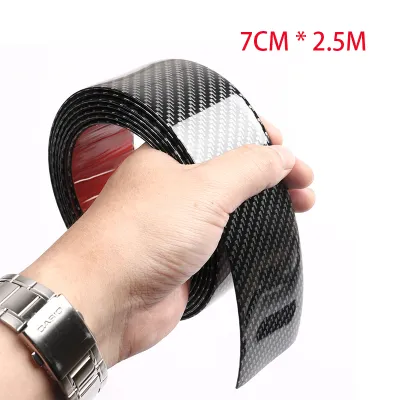
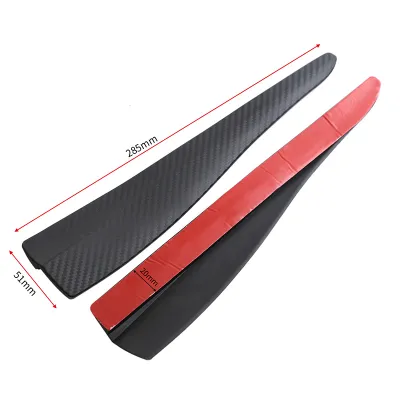
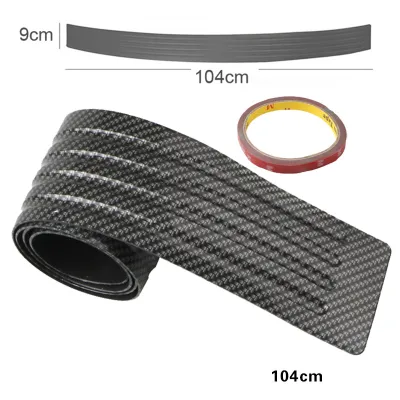
Prices are valid at publication and may change. Please refer to the product page for the latest price.
The texture and porosity of your furniture also dictate which adhesive will succeed. Smooth, sealed surfaces like polished wood, glass, and metal provide the ideal contact area for thin, high-tack acrylic tapes. Conversely, textured surfaces, matte finishes, or unsealed wood limit the contact area, allowing air and moisture to seep under the tape. For these challenging surfaces, a thicker, conformable foam adhesive tape is often necessary to bridge the microscopic gaps and establish a secure hold.
Evaluating Material Durability for Daily Use
A bumper strip must do more than just stay attached; it must also absorb repeated impacts and resist wear from daily household activities. The three most common materials used by brands are high-density foam (often Nitrile Butadiene Rubber or NBR), soft silicone, and Polyvinyl Chloride (PVC). Each material exhibits distinct physical properties that affect its longevity and performance.

High-density NBR foam is highly prized for its exceptional impact absorption and soft texture, making it ideal for sharp corners where severe bumps are likely. However, foam is porous and can absorb oils, spills, and cleaning chemicals, which may degrade the material over time. Silicone is highly durable, non-porous, and resistant to both moisture and UV light, meaning it will not dry out or crack easily. PVC offers a tough, wipe-clean surface that resists scratches, but it can be stiffer than silicone and may harden or crack if exposed to direct sunlight over several years.
When assessing durability, pay close attention to how the material responds to routine cleaning. In a busy household, edge guards are frequently wiped down with damp cloths, disinfectant sprays, or soapy water. A high-quality bumper strip should have a sealed, non-porous outer skin that prevents moisture from penetrating the core. If water seeps into the material, it can eventually reach the adhesive backing, causing the bond to fail from the inside out. Look for physical signs of degradation such as permanent compression—where the foam fails to spring back after an impact—or micro-tears along the edges, which indicate the material is reaching the end of its useful life.
How to Verify Brand Claims Before Purchasing
Because independent laboratory test results are rarely printed on consumer packaging, you must learn to read between the lines of product listings and labels. Start by checking the technical specifications provided by the manufacturer. Reliable brands will explicitly state the exact material composition (such as “100% food-grade silicone” or “high-density NBR”) and the specific brand or type of adhesive tape included (such as genuine 3M acrylic tape). If a product listing only uses vague terms like “premium plastic” or “strong glue,” it is safer to assume the materials may not meet high durability standards.
Customer reviews on online marketplaces can be incredibly valuable if you know how to filter them. Instead of looking at the overall star rating, search specifically for keywords like “peel,” “residue,” “humidity,” “sticky,” and “bite.” Pay close attention to reviews from local buyers, as their experiences will reflect how the adhesive performs in Singapore’s humid environment. Look for patterns: if multiple reviews mention that the strip peeled off within a week or left a permanent, gummy residue that ruined the furniture finish, these are clear indicators of low-quality adhesive or poor material stability.
Finally, evaluate the credibility of the seller and the brand’s customer service policies. Reputable brands often sell through official flagship stores on major e-commerce platforms or through established local baby specialty retailers. Spending S$15 to S$30 on a high-quality roll from a reputable brand is often more cost-effective than buying cheap alternatives that require constant replacement. Check if the seller offers clear instructions, responsive customer support, or a reasonable return policy for defective items. A brand that stands behind its product will typically provide detailed application guides and troubleshooting tips, which is a good indicator of overall product quality and reliability.
Application and Removal Best Practices
Even the highest-quality bumper strip will fail if it is not installed correctly. The application process begins with meticulous surface preparation. You must remove all dust, oils, wax, and cleaning residues from the furniture edge before applying the adhesive. Wipe the area thoroughly with a clean cloth dampened with rubbing alcohol (isopropyl alcohol) or a mild soap solution, ensuring the surface is completely dry before proceeding. Avoid using household glass cleaners or furniture polishes, as these often leave behind a thin, slick film that prevents the adhesive from bonding.
Once the surface is clean and dry, carefully align the bumper strip along the edge. Avoid stretching the material during application, as elastic tension will constantly pull against the adhesive, eventually causing the ends to lift and peel. Apply firm, even pressure along the entire length of the strip for at least thirty seconds, paying extra attention to the corners and ends. Most high-performance acrylic adhesives require a curing period to reach their maximum bond strength. It is highly recommended to keep children away from the newly installed strip for at least 24 hours to allow the adhesive to cure completely undisturbed.
When the time comes to remove the bumper strip, hasty peeling can tear off wood veneer, paint, or lacquer. To minimize damage, apply gentle heat to the strip using a hair dryer set to low or medium heat. The warmth will soften the adhesive, making it much easier to peel away slowly at a shallow angle. If stubborn residue remains, apply a small amount of adhesive remover, vegetable oil, or rubbing alcohol to a cloth and gently rub the area. If you are dealing with antique, delicate, or highly valuable furniture, stop immediately if you notice the finish lifting, and consult a professional furniture restorer to avoid costly damage.
Decision Framework: Matching Bumper Strips to Your Furniture
Selecting the right bumper strip involves matching the material and adhesive properties to the specific furniture pieces in your home. No single type of edge guard is perfect for every scenario, so a targeted approach is necessary to balance safety, durability, and aesthetics.
For heavy, high-traffic wooden furniture like coffee tables, dining table legs, and bed frames, high-density NBR foam paired with a strong acrylic adhesive tape is generally the most effective choice. The thick foam provides excellent cushioning against high-impact bumps, while the acrylic tape forms a semi-permanent bond with sealed wood surfaces. This combination is highly durable and can withstand the daily knocks of active toddlers.
For glass tables, metal frames, or modern minimalist furniture, clear silicone or flexible PVC strips are often preferred. These materials are less visually obtrusive, allowing your furniture’s design to remain visible while still protecting your child. Silicone is highly flexible, making it ideal for curved edges or round tables where stiff foam would buckle or peel. Ensure the adhesive supplied with clear strips is also transparent to maintain a clean, neat appearance.
Before purchasing any bumper strip, always assess the vulnerability of your furniture’s finish. Delicate surfaces, such as freshly painted wood, thin paper veneers, or unsealed finishes, are highly susceptible to damage during both application and removal. If you must protect a delicate surface, consider using a lighter-duty adhesive or a wrap-around guard that does not rely entirely on strong chemical bonding, and accept that you may need to monitor and replace the strip more frequently to protect both your child and your furniture.
Frequently Asked Questions (FAQ)
Are transparent bumper strips safer than colored ones?
Safety is determined by the material’s density, thickness, and ability to absorb impacts, rather than its color. Both transparent silicone and colored foam can provide excellent protection if they are of high quality. However, transparent materials made of PVC or silicone may gradually yellow over time when exposed to UV light from windows. If aesthetics are a priority, look for UV-resistant formulations, or choose colored foam strips that match your furniture to minimize the visual impact.
How do I know when it is time to replace a bumper strip?
You should inspect your bumper strips regularly for physical signs of wear and tear. Replace the strip immediately if you notice peeling edges that a child could pull on, deep bite marks, visible tearing, or if the material has become permanently compressed and no longer springs back to provide cushioning. Additionally, if the strip feels sticky to the touch or if the adhesive has begun to liquefy and slide, the bond has degraded, and the strip should be removed and replaced to maintain safety.
Community discussion
Share your experience or ask a question. Comments are reviewed before publication.