
Selecting a baby hip carrier requires looking beyond marketing buzzwords to analyze weight distribution mechanics, structural support, and adjustable fit systems. For parents navigating busy urban environments, public transport, and warm climates, a supportive carrier is often a daily necessity rather than an occasional accessory. While strollers offer convenience on flat surfaces, a high-quality hip carrier provides the mobility needed for crowded spaces while keeping your baby close and secure.
Many brands claim their products are ergonomic, but true support depends on how the carrier aligns the baby’s body and transfers their weight to your pelvis. An improperly designed carrier can lead to chronic shoulder tension, lower back strain, and discomfort for your child. By understanding the biomechanical principles of carrying and knowing which structural features to inspect, you can confidently evaluate different brands to find a model that protects your physical health and supports your baby’s development.
While premium ergonomic carriers in the local market typically range from S$120 to S$300, the long-term benefits to your posture and comfort make it essential to focus on structural integrity rather than price alone. This guide establishes a clear framework for assessing ergonomic claims, comparing carrier styles, and adjusting your gear to achieve a safe, pain-free carrying experience.
Products mentioned in this guide
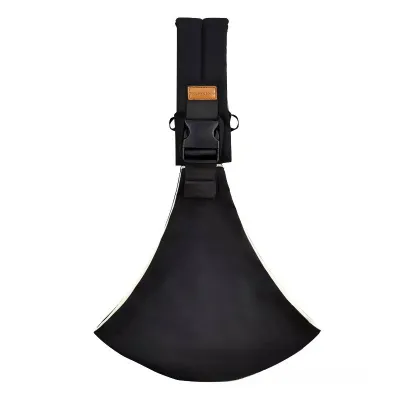
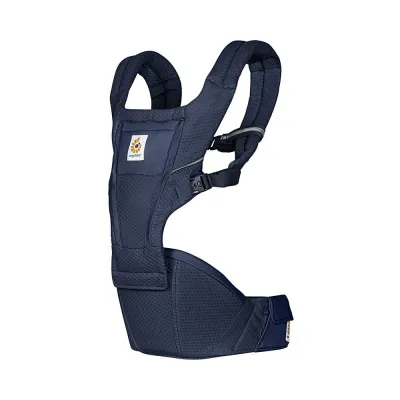
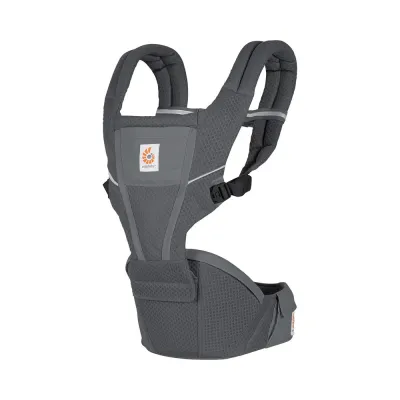
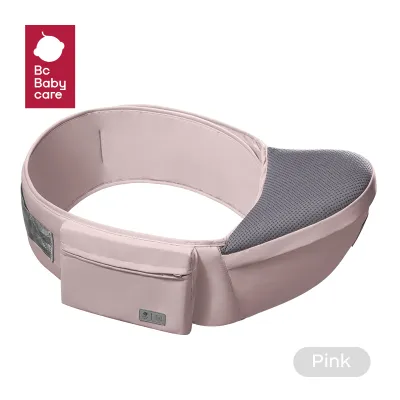
![[✅SG Ready Stock] Baby Carrier Infant Comfortable Breathable Multifunctional Sling Backpack Hip Seat Carrier Baby Carrier Sling 婴儿背带](https://img.lazcdn.com/g/p/d720ec7829ce8f1ccf59f71cb1a8ec5a.png_400x400q80.png_.webp)
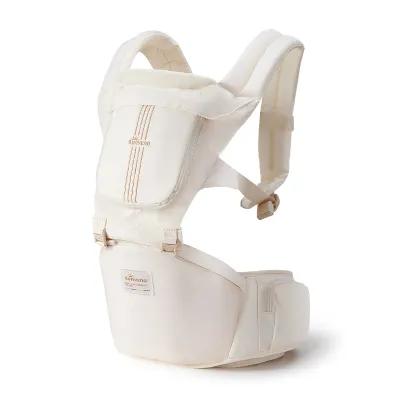
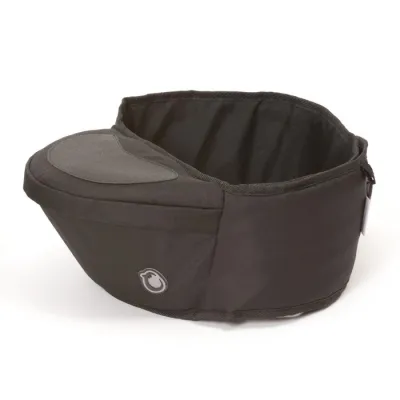
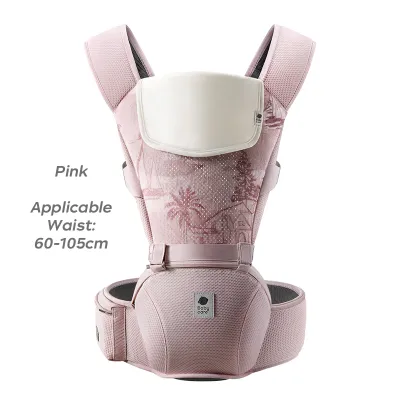
Prices are valid at publication and may change. Please refer to the product page for the latest price.
What True Ergonomic Support Means for Parents and Babies
To evaluate any brand’s hip carrier, you must first understand the biomechanical principles that govern safe, comfortable carrying. For the baby, ergonomic support centers on maintaining the natural “M” position of the hips and thighs. In this position, the baby’s hips are flexed, their knees are aligned slightly higher than their hips, and their thighs are spread wide to wrap around the parent’s torso. This alignment keeps the head of the femur securely inside the hip socket, minimizing joint stress and supporting healthy hip development during crucial growth phases.
A non-ergonomic carrier often allows the baby’s legs to dangle straight down, which places excessive pulling force on the hip joints and increases the risk of hip dysplasia. Furthermore, the carrier must support the natural curvature of the baby’s spine. A young baby’s spine naturally curves in a gentle “C” shape, and the carrier’s back panel should accommodate this curve rather than forcing the spine into an unnaturally straight or rigid position.
For the parent, ergonomic support is entirely about weight distribution. A baby’s weight is a dynamic load that shifts with their movements, placing continuous stress on your musculoskeletal system. An ergonomic carrier is designed to transfer this load away from your delicate neck and shoulder muscles down to your pelvis and hips. The pelvis is supported by the strongest bones and muscle groups in the human body, making it far better suited for carrying heavy loads over extended periods.
The relationship between the carrier’s design and your natural center of gravity is also critical. When you carry a baby, your body naturally wants to compensate for the forward weight by leaning backward or arching your lower back. A well-designed carrier pulls the baby’s torso snug against your chest or hip, keeping their center of gravity as close to yours as possible. This minimizes the need for postural compensation, reducing muscle fatigue and preventing spinal misalignment.
Design Features That Actively Reduce Parent Strain
When browsing different brand catalogs, you can identify high-performing ergonomic designs by looking for specific physical components. The first of these is a dedicated lumbar support panel. This is a reinforced, padded section integrated into the back of the waistband that sits against your lower spine. The panel helps distribute pressure evenly across your lower back, preventing the waistband from digging in and discouraging you from arching your spine forward to balance the baby’s weight.

Shoulder strap design is another critical factor in minimizing physical fatigue. Brands generally offer either crossable (X-style) straps or parallel (H-style) straps. Crossable straps cross over your upper back in an “X” shape, which naturally distributes the baby’s weight diagonally across your shoulder blades and away from the sensitive muscles at the base of your neck. Parallel straps run straight over your shoulders and connect with a chest clip; while they are often quicker to put on, they require precise adjustment to prevent the straps from slipping or concentrating pressure on your outer shoulders.
The waistband itself must be wide, thick, and constructed with high-density foam. A narrow or flimsy waistband will quickly collapse under the baby’s weight, causing the fabric to bunch up and cut into your hips. A wide waistband distributes the downward force over a larger surface area, cushioning your pelvic bones. However, there must be a balance between rigidity and flexibility; the waistband needs enough structure to support the load but sufficient padding to contour to your body shape without causing pressure points.
In warm, humid climates, material selection directly impacts your physical comfort and stamina. Heavy, non-breathable fabrics trap body heat between you and your baby, leading to rapid overheating and physical exhaustion. Look for brands that incorporate advanced 3D mesh panels, lightweight performance fabrics, or moisture-wicking materials. These materials allow air to circulate freely, keeping both you and your baby cool while maintaining the structural tension required to support the baby’s weight.
How to Verify a Brand's Ergonomic and Safety Claims
Because “ergonomic” is a widely used marketing term, parents must learn to verify these claims using objective standards. One of the most reliable indicators of a genuine ergonomic design is recognition from independent orthopedic authorities. For example, the International Hip Dysplasia Institute (IHDI) evaluates baby carriers to determine if they support healthy hip development. When researching brands, check if their specific models are officially designated as “hip-healthy” on the IHDI registry, rather than relying solely on the brand’s self-published marketing materials.
You must also verify that the carrier’s stated weight limits and age recommendations align with your child’s current developmental stage. A carrier might advertise a broad weight range, but the physical structure of the seat may only provide optimal ergonomic support within a narrower window. Always consult the manufacturer’s detailed user manual to check the minimum and maximum weight limits for each carrying position, ensuring your baby meets the physical milestones required for safe use.
Independent safety certifications provide peace of mind regarding the structural integrity of the carrier. Look for labels indicating compliance with recognized international safety standards, such as the European standard EN 13209 or the American standard ASTM F2236. These standards subject carriers to rigorous testing, including dynamic load tests, buckle durability assessments, and chemical analyses of the fabrics to ensure they are free from harmful substances.
Finally, inspect the quality of the hardware and fasteners used by the brand. High-quality carriers utilize heavy-duty, military-grade buckles and double-stitching at all major stress points. Some brands include secondary safety loops or locking mechanisms on the main waist buckle to prevent accidental release. Verifying these small structural details on the product label or official website helps ensure the carrier will remain safe and supportive over years of daily use.
Comparing Hip Carrier Structures for Daily Use
As you compare different brands, you will encounter several distinct structural designs, each suited to different carrying routines. The most common division is between standalone hip seats and full-structured carriers with integrated hip seat bases. A standalone hip seat consists of a wide waistband with a firm, shelf-like seat protruding from the front. This design is highly convenient for the toddler phase when children constantly transition between wanting to walk and wanting to be held, though it requires you to keep one arm around your child at all times.
In contrast, a full-structured carrier with an integrated hip seat combines the firm seat base with a complete back panel and shoulder straps. This configuration allows for hands-free carrying and distributes the baby’s weight across both your shoulders and hips, making it far more suitable for longer walks, shopping trips, or outdoor excursions. Many modern brands offer convertible designs where the upper panel can be zipped off, allowing you to transition from a full carrier to a standalone hip seat as your child grows.
Another structural comparison involves soft-structured carriers (SSCs) with built-in waist support versus rigid internal frame hip carriers. Soft-structured carriers rely on fabric tension and dense padding to support the baby, offering a closer, more snug fit that molds to both parent and child. Rigid frame carriers utilize a solid foam, plastic, or EPP (expanded polypropylene) wedge inside the seat to create a highly stable platform. While rigid frames provide exceptional support for heavier babies, they add significant bulk to the carrier’s profile.
This structural bulkiness is a key trade-off to consider based on your lifestyle. Rigid hip seat carriers can be challenging to pack into a diaper bag or store under a stroller when not in use. However, many brands utilize the hollow space inside the rigid seat to build in convenient storage compartments for keys, phones, and diapers. If you frequently use public transport or navigate tight spaces, a more compact, foldable soft-structured carrier may be preferable, whereas parents who prioritize maximum weight relief for long walks may favor the robust support of a rigid frame design.
Essential Fit Adjustments to Maximize Comfort and Safety
Even the most expensive, ergonomically certified carrier will cause physical strain if it is not fitted correctly to your body. The foundation of a proper fit is the positioning of the waistband. The waistband must be worn high on your torso, typically around your natural waist or just above your hip bones, rather than low on your pelvis. It must be fastened tightly enough that it does not sag or tilt forward when you place your baby on the seat; a sagging waistband immediately transfers the load to your lower back and shoulders.
Once the waistband is secure, place your baby in the carrier and slip the shoulder straps over your shoulders. Tighten the straps sequentially, pulling them snug enough to bring the baby’s chest close to your torso. The baby should be positioned “close enough to kiss,” meaning you can easily bend your head forward to kiss the top of their head without straining. This close positioning keeps the baby’s center of gravity aligned with yours, preventing you from leaning backward to compensate.
Ensure the baby’s legs are properly positioned in the “M” shape, with the fabric of the seat extending from knee crease to knee crease to support the entire thigh. If the seat is too narrow, the baby’s legs will dangle; if it is too wide, it may force their knees into an uncomfortable over-extended position. Adjust the chest strap or back clip so that it sits horizontally across the middle of your shoulder blades, which helps keep the shoulder straps from slipping off your shoulders.
Always pay close attention to your body’s physical signals during use. If you experience tingling in your shoulders, a dull ache in your lower back, or a feeling that you must constantly adjust your posture, stop and check the fit of your carrier. Often, a simple tightening of the waistband or lowering of the chest strap can resolve the issue. If discomfort persists despite making these adjustments, stop using the carrier and consult a healthcare professional or a certified babywearing consultant to ensure you are not risking long-term musculoskeletal strain.
Frequently Asked Questions (FAQ)
Can I use a hip carrier if I have a history of back pain?
If you have a history of back, neck, or pelvic floor issues, you must consult a physiotherapist or doctor before using any weighted baby carrier. A medical professional can assess whether your body is ready to handle the physical demands of carrying a baby and recommend specific core-strengthening exercises to support your recovery.
If you are cleared by a professional to use a carrier, prioritize models that feature robust lumbar support panels, wide waistbands, and crossable shoulder straps. These features are specifically engineered to maximize weight distribution and minimize localized pressure on your spine. Start with very short carrying sessions of five to ten minutes, gradually increasing the duration only if you remain completely pain-free.
Listen closely to your body and stop carrying immediately if you experience sharp pain, numbness, tingling, or worsening discomfort. It is far better to take a break and use a stroller than to push through pain and exacerbate an existing spinal or muscular condition.
At what age or weight should I transition to a hip seat carrier?
You must always check the specific brand’s minimum weight and developmental requirements before transitioning your baby to a hip seat carrier. Generally, structured hip seat carriers—especially those used in a front-facing or hip-carry position—should not be introduced until your baby has strong, independent head and neck control and can sit unassisted, which typically occurs around six months of age.
Using a rigid hip seat too early can place undue stress on a baby’s developing spine and hips if they lack the core strength to maintain an upright posture. Verify the minimum weight limit specified by the manufacturer, which is often around 5.5 kg to 7 kg depending on the structural design of the carrier.
As your child grows, continue to monitor the carrier’s maximum weight limit, which typically ranges from 15 kg to 20 kg. Regularly inspect the carrier’s seams, buckles, and structural foam to ensure they remain intact and free from wear, preventing structural failure and ensuring continued safety for both you and your child.
Community discussion
Share your experience or ask a question. Comments are reviewed before publication.